
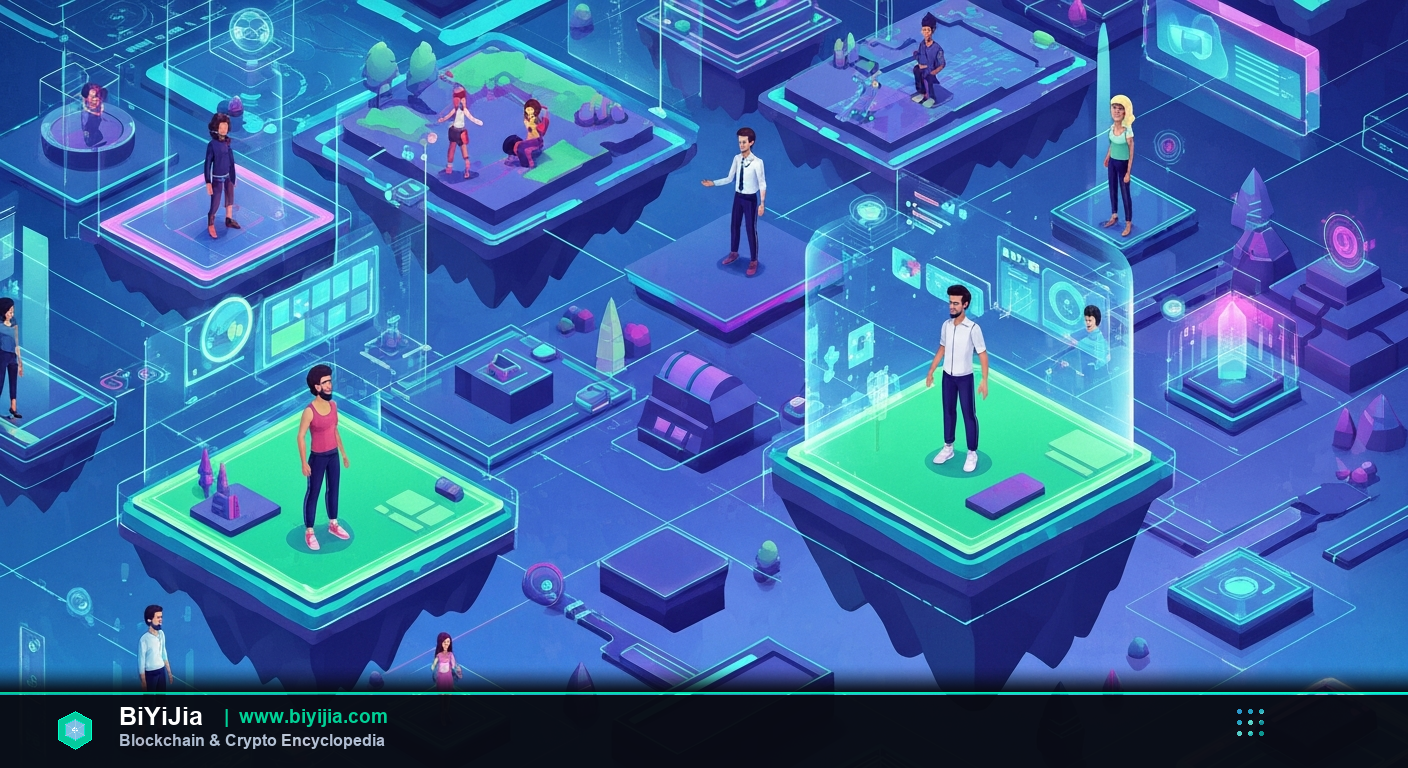
Metaverse refers to a persistent, interoperable virtual world where users interact, create, and trade digital assets, often powered by blockchain and crypto.
Key Takeaways
- Definition: A shared, 3D digital universe blending reality and blockchain.
- Core features: Interoperability, user‑generated content, and native crypto economies.
- Real‑world application: Brands host virtual storefronts and concerts.
- Compared to traditional gaming: The Metaverse aims for a seamless, persistent economy rather than isolated game worlds.
- Risk warning: Regulatory uncertainty and speculative asset bubbles.
What Is Metaverse?
In a single sentence, the Metaverse is an immersive, online universe where you can socialize, work, and own digital property.
Under the hood, the Metaverse stitches together decentralized storage, smart‑contract‑driven economies, and real‑time graphics engines. Think of blockchain as the ledger that guarantees ownership of NFTs, while AR/VR hardware renders the experience in your headset or browser.
Imagine walking into a massive mall where each shop is a separate developer’s space, yet you can move freely, pay with the same token, and keep the same avatar everywhere—that’s the Metaverse in plain language.
How It Works
- Users create a digital identity, often an NFT‑based avatar, stored on a public blockchain.
- Developers build interoperable worlds using open standards like WebXR and Decentraland’s SDK.
- Smart contracts handle transactions—buying virtual land, swapping items, or staking tokens for governance.
- Data about the environment and assets is saved in decentralized storage (IPFS, Arweave), ensuring persistence.
- All participants connect through a peer‑to‑peer network, which scales the experience across millions of concurrent users.
Core Features
Interoperability: Assets move between platforms without friction, thanks to common token standards like ERC‑721 and ERC‑1155.
Persistence: The world continues to exist and evolve even when you log off, mirroring a living economy.
User‑Generated Content: Creators mint NFTs for virtual goods, from clothing to entire parcels of land.
Native Crypto Economy: Tokens power everything—payments, governance, and incentives.
Immersive Interfaces: AR/VR headsets, haptic gloves, and spatial audio create a sense of presence.
Decentralized Governance: Communities vote on upgrades via DAO proposals, keeping control away from a single corporation.
Real-World Applications
Decentraland – A fully owned virtual city where users have bought over $1.2 billion in virtual real estate as of 2025.
The Sandbox – A GameFi platform where creators earn $200 million in token rewards for building playable experiences.
Roblox – Though not blockchain‑native, it illustrates the scale of virtual economies, generating $2.5 billion in revenue in 2024.
Meta Horizon Worlds – Facebook’s (now Meta) attempt at a social Metaverse, hosting weekly virtual concerts attended by millions.
Somnium Space – Offers VR‑first land sales, with parcels averaging $5,000 in crypto in early 2026.
Comparison with Related Concepts
Metaverse vs NFT: NFTs are the building blocks—unique tokens that represent ownership—while the Metaverse is the larger environment where those tokens gain utility.
Metaverse vs Virtual Real Estate: Virtual real estate refers specifically to parcels of land; the Metaverse includes those parcels plus the social, economic, and gameplay layers that surround them.
Metaverse vs GameFi: GameFi focuses on play‑to‑earn mechanics within games; the Metaverse expands that idea to a persistent world where earning can happen through work, socializing, or commerce.
Metaverse vs AR/VR: AR/VR are the hardware and interface technologies that let you experience the Metaverse, but the Metaverse itself is the content and economy built on top of those devices.
Risks & Considerations
Regulatory Uncertainty: Governments are still figuring out how to tax virtual land sales and enforce consumer protection.
Security Vulnerabilities: Smart contract bugs can lead to loss of funds or NFT theft.
Market Volatility: Token prices can swing wildly, turning virtual assets into speculative bubbles.
Accessibility Barriers: High‑end VR rigs remain expensive, limiting mass adoption.
Data Privacy: Persistent avatars generate massive data trails that could be exploited if not properly anonymized.
Embedded Key Data
According to Bloomberg Intelligence, the global Metaverse market is projected to reach $800 billion by 2030, driven largely by virtual commerce and advertising. A 2025 report from DappRadar shows that daily active users across leading Metaverse platforms surpassed 120 million, up 35% year‑over‑year.
Frequently Asked Questions
What is the difference between the Metaverse and a regular video game?
A regular video game offers a closed, time‑limited experience where assets usually stay within that game’s ecosystem. The Metaverse, by contrast, is persistent, interoperable, and powered by blockchain, meaning you can own, trade, and use your digital items across multiple worlds.
Do I need a cryptocurrency wallet to enter the Metaverse?
Most blockchain‑based Metaverses require a wallet to authenticate ownership of NFTs and to handle transactions. Some platforms are building “social login” bridges that abstract the wallet away, but having one gives you full control over your assets.
Can I make real money in the Metaverse?
Absolutely. Users earn income by selling virtual land, designing NFT fashion, hosting events, or providing services like virtual architecture. However, earnings are subject to market demand and regulatory tax rules.
Is the Metaverse safe for kids?
Safety depends on the platform’s moderation policies and parental controls. Decentralized worlds give users full freedom, which can expose younger users to scams or inappropriate content, so supervision is recommended.
How does the Metaverse impact traditional social media?
Instead of scrolling through a feed, you can meet friends in a 3D lounge, share NFTs as status symbols, and co‑create content in real time. This shift could redefine how we think about online presence and advertising.
Will the Metaverse replace physical reality?
Most veterans, including myself, see it as a complement rather than a replacement. The Metaverse extends our physical experiences—think virtual conferences, remote collaboration, and digital collectibles—while we still need the real world for many daily activities.
Summary
The Metaverse is a persistent, interoperable digital universe where crypto fuels ownership, trade, and governance. Understanding its core features, real‑world projects, and risks is essential for anyone looking to navigate this emerging virtual world crypto frontier. Dive deeper into related concepts like NFT, Virtual Real Estate, GameFi, and AR/VR to round out your knowledge.