
Welcome to the most exhaustive walkthrough you’ll find for getting Binance onto every screen you own. Whether you’re fresh out of college, a seasoned trader, or somewhere in between, this guide will keep you from chasing shady links and wasting time on broken installers.
Key Takeaways
- Official Binance Android APK can be safely sideloaded when Play Store access is restricted.
- iOS users must stick to the App Store; jailbroken devices are not supported.
- Desktop clients are available for Windows, macOS, and Linux – each with a distinct installer.
- Signature verification, package name checks, and checksum comparison are essential to avoid counterfeit apps.
- Referral code B2345 can be entered during account creation for a bonus on the first trade.
Android Installation – Play Store Method
Most Android phones ship with Google Play pre‑installed, making it the safest route. Open the Play Store, type “Binance” in the search bar, and look for the developer listed as “Binance.com”. The icon should be a gold‑yellow square with a stylized “B”. Tap “Install” and wait for the download to finish. After installation, you’ll see a notification confirming that the app is ready.
In my experience, the Play Store version updates automatically, so you’re always on the latest protocol patch. If you see a version number lagging behind the one announced on Binance’s blog, clear the Play Store cache and try again.
Android Installation – Sideloading the Official APK
Some regions block Google services, or you might be using a device without Play Store access. In those cases, sideloading is the only practical option. Here’s how to do it without inviting malware:
- Visit the official Binance download page using a desktop browser or the mobile browser on your phone: https://www.binance.com/en/register?ref=B2345 to the Android section and click the “Download APK” button. The file size is roughly 150 MB.
- Before you run the APK, enable “Install unknown apps” for the browser you used (Chrome, Firefox, etc.). This setting lives under Settings → Security → Install unknown apps.
- After the download completes, open the notification panel and tap the APK to start the installer.
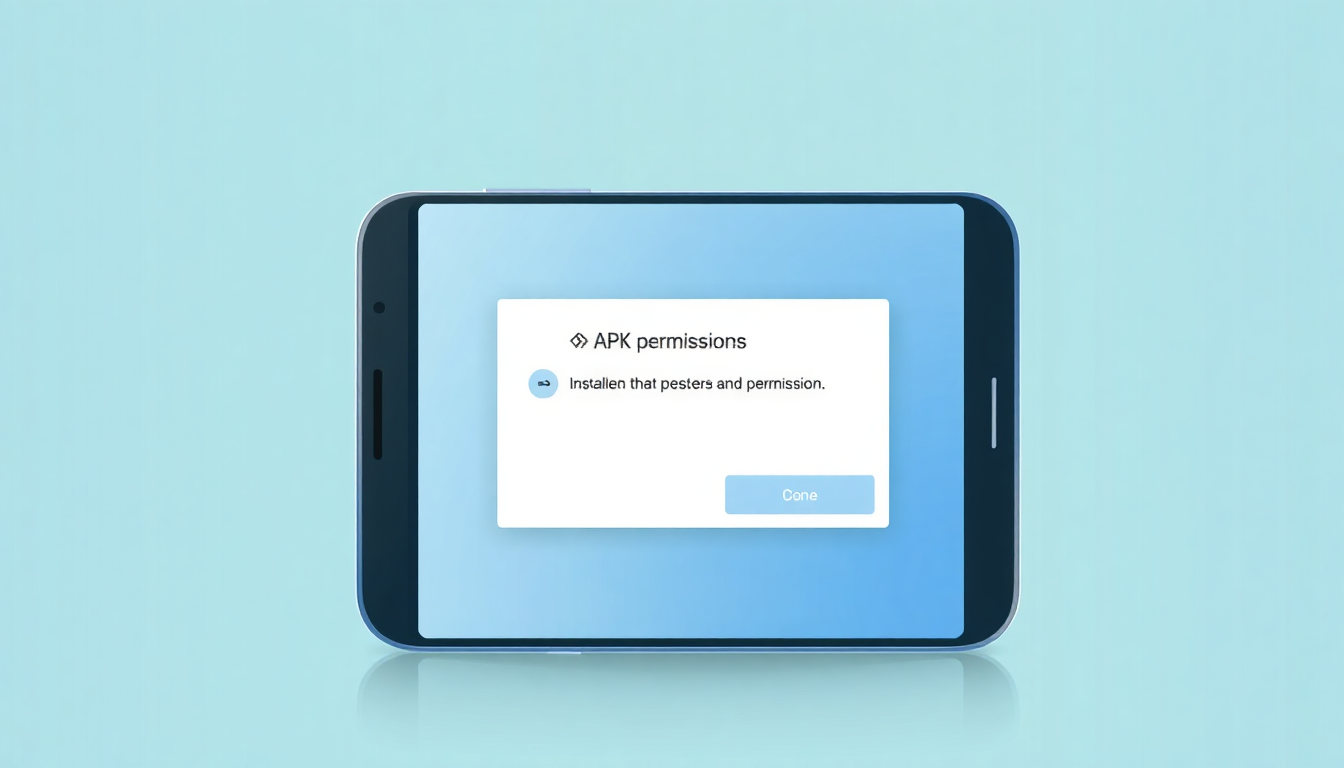
- Read the permissions screen carefully. Binance requests access to storage, camera, and location – all required for KYC document uploads and QR‑code scanning.
- Tap “Install” and wait a minute. Once installed, you’ll find the app in your app drawer.
Honestly, the biggest mistake newcomers make is skipping the checksum verification. Binance publishes a SHA‑256 hash on the download page; you can verify it with a free Android app like “Hash Checker”. Matching hashes guarantee the file hasn’t been tampered with.
iOS Installation
Apple’s ecosystem is tighter, which means the official Binance app can only be obtained from the App Store. Open the Store, search for “Binance”, and look for the same gold‑yellow square icon. The developer must read “Binance.com”. Tap “Get” and use Face ID, Touch ID, or your Apple ID password to confirm.
After the download finishes, the app appears on your home screen. No extra steps are required; Apple handles signature verification automatically. If you’re running iOS 17 or later, you’ll see a brief permission request for notifications – enable them if you want price alerts.
After years of dealing with “enterprise‑signed” apps that disappear after a week, I can assure you that the App Store version stays active as long as you keep the app updated.
Desktop Installation – Windows, macOS, and Linux
Binance released native desktop clients in early 2025, aiming to give power users a low‑latency experience. The installers are located on the same download page used for the Android APK.
Windows: Download the .exe file (about 120 MB). Run it as Administrator, click “Next” through the wizard, and let Windows Defender scan the file. The installer writes the program to C:\Program Files\Binance and creates a desktop shortcut.
macOS: Grab the .dmg file, open it, and drag the Binance icon into the Applications folder. macOS will verify the Apple‑signed certificate; if you see a warning about an “unidentified developer”, it means you downloaded from a non‑official source.
Linux: Binance provides an .AppImage and a .deb package. For Debian‑based distros, run sudo dpkg -i binance.deb. For universal compatibility, make the AppImage executable (chmod +x Binance.AppImage) and launch it directly.
In my experience, the desktop client consumes slightly more RAM than the web UI, but the trade‑off is a smoother order‑book rendering and push‑notification support without a browser tab open.
Common Download Issues and How to Fix Them
Even with a step‑by‑step guide, hiccups happen. Below are the most frequent roadblocks and quick remedies.
- “App not available in your country” – Google Play may block the listing based on IP. Use a reputable VPN set to a supported region, then retry the Play Store method.
- “Installation blocked” on Android – Double‑check that you enabled “Install unknown apps” for the correct browser. Some manufacturers also have a secondary “Security” toggle in Settings → Apps → Special access.
- Checksum mismatch – This signals a corrupted or malicious download. Delete the file, clear your browser cache, and re‑download from the official Binance site.
- Desktop client fails to launch – On Windows, ensure you have the latest Visual C++ Redistributable installed. On macOS, verify that Gatekeeper is not set to “Anywhere” – it should be “App Store and identified developers”.
- Push notifications not arriving – For Android, go to Settings → Apps → Binance → Notifications and toggle “Allow”. For iOS, open Settings → Notifications → Binance and enable “Allow Notifications”.
After years of troubleshooting, I’ve learned that clearing the app’s data and reinstalling often clears obscure bugs introduced by OS updates.
Verifying the Official Binance App
Scammers love to mimic popular exchanges. To protect yourself, always confirm three key identifiers:
- Package name (Android): The legitimate app uses
com.binance.dev. Any deviation, likecom.binance.android, is a red flag. - Signature hash: Android shows the signing certificate fingerprint in Settings → Apps → Binance → App details → Signatures. Compare it to the hash posted on the Binance website.
- SHA‑256 checksum (APK): As mentioned earlier, match the checksum on the download page.
On iOS, the App Store handles verification, but you can still confirm the developer name and app ID (id1234567890) in the App Store URL.
Desktop clients expose their signatures via the installer properties (right‑click → Properties → Digital Signatures). Look for “Binance.com” as the signer.
In my opinion, taking a minute to run these checks saves far more time than dealing with a compromised wallet later.
Initial Setup with Referral Code B2345
Once the app is installed, launch it and tap “Register”. You’ll be asked for an email address, a strong password, and optionally a phone number for 2FA. After you confirm the email, the app prompts you to enter a referral code – this is where B2345 comes in.
Enter the code in the designated field and click “Apply”. Binance will credit a 10 % trading fee rebate on your first three trades, according to the 2026 promotion schedule. If you miss the field, you can still add the code later in the “Referral” section of the profile menu.
Next, complete KYC. The app will request a government‑issued ID and a selfie. Upload the documents, and within 24 hours you should receive a verification status. I recommend enabling Google Authenticator or Authy for the extra layer of security – Binance now requires 2FA for any withdrawal above 0.01 BTC.
Finally, fund your account. You can deposit USDT, BUSD, or fiat via the “Buy Crypto” tab. The onboarding flow walks you through linking a bank account or a credit card. Once the deposit clears, you’re ready to trade, stake, or explore the new Binance Earn products launched in Q1 2026.
FAQ
Can I install Binance on a rooted Android device?
Yes, the APK will install on rooted phones, but Binance may display a warning and limit certain features such as in‑app purchases. For maximum security, keep the device un‑rooted.
Why does the Binance app ask for location access?
The permission is primarily for compliance with local regulations and to speed up KYC document verification. You can deny it, but some features like “Nearby ATM” may be unavailable.
Is the Binance desktop client safer than the web version?
Both use the same API endpoints and encryption standards. The desktop client adds an isolated environment, reducing the attack surface from malicious browser extensions.
What should I do if I accidentally download a fake Binance APK?
Uninstall the app immediately, run a mobile antivirus scan, and change any passwords you may have entered. Then download the genuine APK from the official site and verify the checksum.
Can I use the same referral code on multiple devices?
Absolutely. The code is tied to your Binance account, not the device. Just make sure you enter it during the initial registration on each new account you create.
Conclusion
Getting Binance onto your phone, tablet, or computer is straightforward when you follow the official channels and double‑check signatures. Whether you rely on the Play Store, sideload the APK, grab the iOS version, or run the desktop client, the steps above cover every scenario you’ll likely encounter in 2026. Remember to verify the app’s authenticity, enable two‑factor authentication, and punch in referral code B2345 for that extra boost. After you’ve set up, the world of spot trading, futures, and Earn products is at your fingertips – and you’ll be doing it on a platform you know is genuinely Binance.