


Key Takeaways
- Definition: FUD is the deliberate propagation of fear, uncertainty, and doubt to influence crypto prices.
- Core features: rumor‑driven, psychological pressure, rapid market reaction, often unsubstantiated.
- Real‑world application: Traders monitor FUD spikes to time entries or exits.
- Traditional comparison: Similar to stock‑market pump‑and‑dump rumors but amplified by social media.
- Risk warning: Acting on FUD without verification can lead to costly panic selling.
What Is FUD (Fear, Uncertainty, Doubt)?
In plain language, FUD (Fear, Uncertainty, Doubt) is a tactic that spreads negative, often unverified, information to shake confidence in a cryptocurrency.
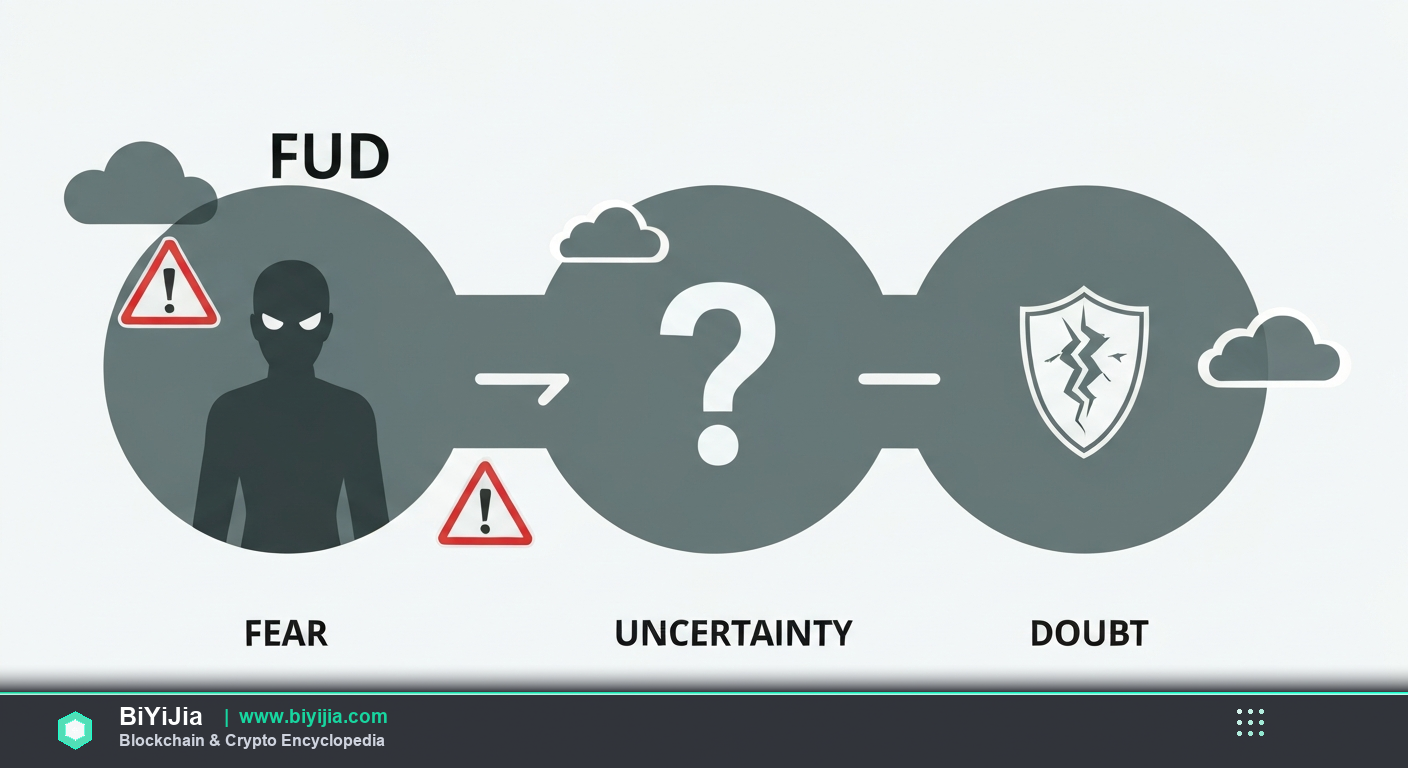
Technically, the practice leans on behavioral economics: humans overreact to perceived threats, especially when information is scarce. In crypto, where markets are 24/7 and data is fragmented, a single rumor can cascade through Telegram groups, Twitter threads, and Reddit posts, creating a feedback loop that drives prices down.
Think of it like a rumor that a popular restaurant is closing; even if the story is false, customers will stop showing up, and the business suffers. In the same way, a false claim about a blockchain hack can cause investors to flee, pushing the token’s price into a tailspin.
How It Works
- Someone plants a provocative claim—often a headline‑style tweet or a leaked‑sounding PDF.
- Community members pick up the story, amplify it through retweets, memes, and discussion threads.
- Algorithms notice the surge in mentions, pushing the content to even more users.
- Investors, fearing loss, start selling or avoiding the asset, creating real price pressure.
- Once the price drops, opportunistic traders buy low, sometimes even the original rumor‑starter.
Core Features
Emotional Trigger: Plays on fear and loss aversion, the strongest motivators in trading psychology.
Speed of Propagation: Leveraging social platforms, a rumor can reach thousands in minutes.
Lack of Verification: The claim is rarely backed by credible sources, yet it spreads as if it were fact.
Self‑fulfilling Outcome: The market reaction validates the rumor, even if the original premise was false.
Opportunistic Exploitation: Actors may profit from the volatility they helped create.
Real-World Applications
- Binance: In March 2024 a rumor claimed Binance was shutting down US operations; the price of BNB fell 12% before the official statement debunked it.
- Ethereum: A fabricated tweet about a “critical bug” in the Merge caused ETH to dip 8% within an hour; the community quickly clarified, but the damage lingered.
- Solana: A coordinated rumor about a validator outage led to a 15% drop in SOL, later identified as a bot‑driven smear campaign.
- DeFi Pulse Index (DPI): FUD around a potential regulatory ban on DeFi tokens shaved 5% off the index’s value in a single trading day.
Comparison with Related Concepts
FUD vs Market Manipulation: Market manipulation is a broader legal term encompassing any activity that artificially affects price, while FUD is a specific psychological weapon used within that toolbox.
FUD vs Panic Selling: Panic selling is the reaction; FUD is the catalyst that often triggers that reaction.
FUD vs Rumors: All FUD is rumor‑based, but not every rumor qualifies as FUD; only those designed to create fear, uncertainty, or doubt count.
FUD vs DYOR: DYOR (Do Your Own Research) is the defensive practice that helps investors cut through FUD, whereas FUD thrives on the opposite—lack of independent verification.
Risks & Considerations
Emotional Volatility: Succumbing to FUD can lead to impulsive trades that lock in losses.
Information Asymmetry: Newcomers may lack the tools to verify claims, making them prime targets.
Regulatory Scrutiny: Repeated FUD campaigns can attract enforcement actions from securities regulators.
Reputation Damage: Projects falsely accused may suffer long‑term credibility loss even after being cleared.
Liquidity Drain: A sudden sell‑off can thin order books, exacerbating price swings.
Embedded Key Data
A 2024 Chainalysis report found that 37% of major price drops on leading cryptocurrencies were preceded by coordinated rumor campaigns, highlighting the tangible impact of FUD.
The Crypto Fear & Greed Index shows that the average FUD‑driven volatility spike lasts about 3.2 days, giving traders a narrow window to act.
Frequently Asked Questions
What is FUD and why does it matter in crypto?
FUD stands for Fear, Uncertainty, and Doubt. It matters because the crypto market is highly sentiment‑driven; a single unfounded claim can move billions of dollars in value within minutes.
How can I spot FUD before it affects my portfolio?
Look for sensational headlines, lack of verifiable sources, and rapid spikes in mentions across multiple platforms. Cross‑checking with official channels and reputable news outlets can save you from reacting prematurely.
Is FUD considered illegal?
When FUD is part of a deliberate scheme to manipulate prices, regulators may deem it illegal under securities or commodities law. However, casual speculation without malicious intent typically falls outside enforcement.
Can FUD ever be positive?
In rare cases, a well‑timed FUD narrative can expose genuine security flaws, prompting rapid fixes. Still, the primary effect is usually negative market sentiment.
What role does DYRO play against FUD?
Doing Your Own Research (DYOR) equips you with the facts needed to separate hype from reality, reducing the likelihood that you’ll act on false rumors.
Does FUD affect all crypto assets equally?
High‑profile assets like Bitcoin and Ethereum experience larger absolute price moves, but smaller tokens can see proportionally bigger swings because their liquidity is thinner.
Summary
FUD (Fear, Uncertainty, Doubt) is a psychological weapon that can trigger panic selling and reshape market dynamics, especially in Decentralized Finance (DeFi) where information flows fast. Understanding its mechanics, spotting the signs, and practicing diligent research are essential tools for any crypto participant looking to navigate the noise.