

Key Takeaways
- Definition: A romance‑driven crypto investment fraud that manipulates victims over weeks or months.
- Core features include emotional grooming, fake platforms, and staged profit payouts.
- Real‑world examples range from Telegram groups to bogus DeFi yield farms.
- Differs from classic Ponzi schemes by emphasizing personal relationships before the financial hook.
- Risk warning: Losses often exceed $10,000 per victim, and recovery is nearly impossible.
What Is Pig Butchering Scam?
In plain English, a pig butchering scam is a romance‑based crypto fraud that tricks people into investing in fake projects after building a personal connection.
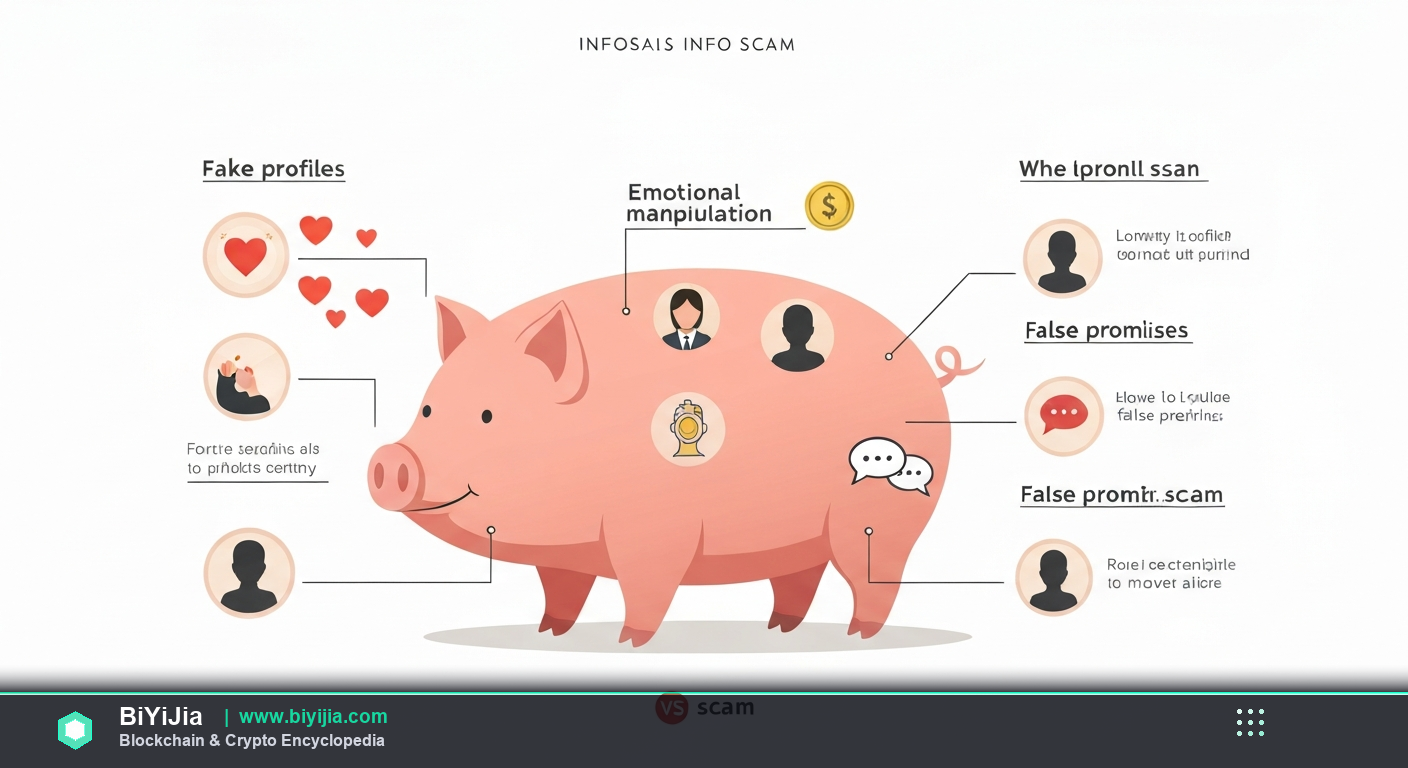
The technical side relies on social‑engineering playbooks, fake social media profiles, and counterfeit trading dashboards that mimic legitimate Decentralized Finance (DeFi) platforms. Scammers use these tools to fabricate “proof of profit” screenshots, making the victim believe the investment is real and growing.
Think of it like a confidence trickster who pretends to be your new boyfriend or girlfriend, then convinces you to buy a “golden ticket” to a lucrative crypto farm that doesn’t exist – that’s the modern version of a classic pig‑butchering con.
How It Works
- Initial contact: Victims are approached on dating apps, gaming chats, or random social media messages. The scammer often poses as an attractive, successful investor.
- Emotional grooming: Over days or weeks, the scammer builds trust, shares personal stories, and subtly introduces the idea of crypto investing.
- Introduction of a fake platform: The victim is directed to a counterfeit exchange or Yield Farm that looks like a legitimate DeFi service.
- Staged profit demonstration: Using fabricated screenshots or screen‑share sessions, the scammer shows “profits” that appear to be real.
- Final squeeze: The victim is urged to transfer a larger sum to lock in gains, after which the scammers disappear with the funds.
Core Features
- Emotional manipulation: The scam hinges on building a personal bond before any money changes hands.
- Fake platform mimicry: Websites replicate the look and feel of popular crypto wallets, exchanges, or DeFi dashboards.
- Staged payouts: Small, reversible transactions are used to convince the victim that the scheme works.
- Multi‑channel outreach: Scammers operate across Telegram, Discord, Instagram, and even traditional email.
- Long‑term grooming: Unlike flash scams, pig butchering can last weeks or months, deepening the victim’s trust.
- Crypto‑only exit: Funds are moved through mixers, privacy‑focused blockchains, or overseas exchanges to hide the trail.
Real-World Applications
- “Titan Yield Farm”: A bogus DeFi farm that claimed 300% APY; over 2,300 victims lost an estimated $45 million in 2024 (Chainalysis).
- “LunaLove Crypto Club”: A Telegram‑based romance group that siphoned $12 million from 1,100 users before being shut down by the FBI in early 2025.
- “EternaSwap”: A counterfeit swap interface that mimicked Uniswap; scammers harvested $8.3 million in ETH within three months (CipherTrace).
- “GoldenHeart Dating App”: Integrated a hidden chat bot that steered users toward a fake investment portal, resulting in $6 million losses across 2025.
Comparison with Related Concepts
Pig Butchering Scam vs Traditional Investment Fraud: Traditional fraud often relies on cold‑call pitches or generic emails, while pig butchering weaves a personal relationship into the pitch, making the emotional hook far stronger.
Pig Butchering Scam vs Crypto Romance Scam: A crypto romance scam is a subset that focuses solely on the romantic angle without necessarily offering a “investment” product. Pig butchering adds the staged profit layer, turning a love story into a financial trap.
Risks & Considerations
- Financial loss: Victims typically lose anywhere from $5,000 to over $100,000, with average losses hovering around $12,000 per case (Chainalysis 2025).
- Identity exposure: Scammers collect personal data during grooming, enabling future phishing or identity theft attacks.
- Legal ambiguity: Because the scams cross international borders, law‑enforcement response can be slow and recovery unlikely.
- Emotional trauma: The betrayal of trust often leaves victims with lasting psychological effects.
- Reputation damage: Public victims may face stigma, especially if they were prominent community members.
According to a 2025 report by the Federal Trade Commission, pig butchering scams accounted for 18% of all reported crypto fraud cases, up from 7% in 2022. The same study highlighted that the average time from first contact to the final loss was 42 days, illustrating how quickly the scheme can accelerate.
Data from Chainalysis shows that over $1.2 billion was moved through mixers linked to pig butchering operations in 2024, underscoring the sophisticated laundering techniques employed by these fraudsters.
Frequently Asked Questions
What is pig butchering scam and how does it differ from a regular crypto scam?
A pig butchering scam blends romance or friendship with a fake crypto investment, whereas a regular crypto scam often involves cold outreach or generic promises of high returns without any personal relationship component.
Why are these scams called “pig butchering”?
The term comes from a Chinese slang where “raising a pig” means nurturing it over time before slaughtering it for profit. In this context, scammers “raise” the victim’s trust before “butchering” their funds.
Can I recover funds lost to a pig butchering scam?
Recovery is extremely difficult because scammers use mixers, privacy chains, and overseas exchanges. Reporting to law enforcement and sharing transaction hashes can help, but most victims see no restitution.
How can I spot a fake crypto platform?
Look for mismatched URLs, lack of SSL certificates, unrealistic APY claims, and requests for private keys. Always verify the domain against official project documentation.
What steps should I take if I suspect I’m being groomed for a pig butchering scam?
Stop all financial transactions immediately, document the conversation, block the contact, and report the incident to your local cybercrime unit or a platform like the Internet Crime Complaint Center.
Summary
Pig Butchering Scam is a sophisticated blend of romance, social engineering, and crypto investment fraud that preys on trust and the promise of high yields. Understanding its mechanics and staying vigilant can protect you from losing hard‑earned crypto and emotional well‑being.
For further protection, explore related concepts such as Scam, Social Engineering, Fake Platform, and Prevention.