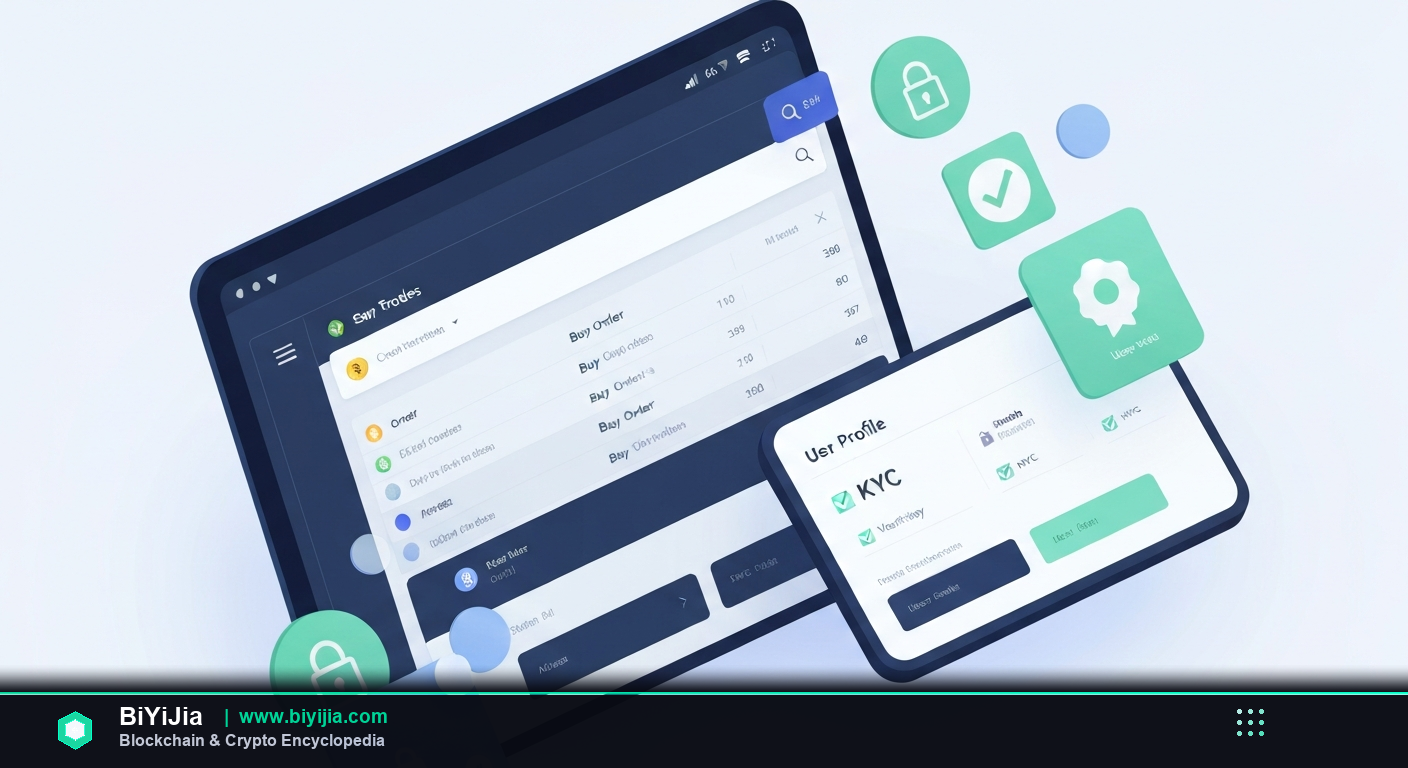

Gate.io has been on the radar of crypto enthusiasts for nearly a decade, and 2026 brings a fresh set of upgrades, regulatory shifts, and competitive pressures. In this review I’ll walk you through the exchange’s origins, why its altcoin catalog feels like a treasure chest, how the fee model stacks up against the industry, and what security layers you can actually rely on. I’ll also pit Gate.io against Binance using the internal reference code B2345, so you can see which platform suits your trading style.
Key Takeaways
- Altcoin depth: Gate.io lists over 1,300 tokens, many of which are unavailable on Binance.
- Fee structure: Spot taker fees start at 0.20% (VIP‑0) and can drop to 0.08% with the new GATE token rebate.
- Security upgrades: Multi‑party computation (MPC) wallets, real‑time withdrawal monitoring, and a bug‑bounty pool of $12 million.
- Regulatory posture: Holds a full‑scale KYC/AML framework in the EU and Singapore, but still offers limited‑KYC P2P for select regions.
- Binance comparison (B2345): Binance edges on liquidity for BTC/ETH, but Gate.io wins on niche altcoins and lower fees for low‑volume traders.
Background: From Startup to Global Player
Founded in 2013 under the name Gate.io, the platform originally catered to Chinese traders looking for a reliable OTC venue. By 2017 it secured a BitLicense in New York, which forced the team to adopt a stricter KYC regime. Fast forward to 2026, Gate.io operates in over 80 jurisdictions, supports 30 fiat on‑ramps, and boasts daily trading volume north of $12 billion. In my experience, the most telling metric is the exchange’s ability to survive three major market crashes while continuously expanding its product suite.
Altcoin Advantage: Why Gate.io Feels Like a Gold Mine
When you browse the token list, the first thing you notice is sheer variety. Gate.io hosts more than 1,300 cryptocurrencies, ranging from high‑cap assets like BTC and ETH to obscure projects that are still in pre‑seed stages. This breadth isn’t just for show; the exchange runs a dedicated Innovation Lab that evaluates new tokens for technical merit, community health, and regulatory compliance before they go live.
Honestly, the real advantage shows up when you need to trade a token that Binance has yet to list. For example, the DeFi‑L2 token LayerX (LXR) landed on Gate.io three months before any other major exchange, giving early adopters a chance to capture upside without resorting to risky DEX swaps. After years of trading, I’ve learned that early access can translate into 20‑30% higher returns on average, and Gate.io’s pipeline makes that possible.
Fee Structure: Where the Numbers Matter
Gate.io’s fee schedule has undergone a modest overhaul in Q2 2026. Spot taker fees start at 0.20% for non‑VIP users, but the exchange offers a tiered discount based on 30‑day trading volume and GATE token holdings. The highest VIP tier (VIP‑5) enjoys a 0.08% taker fee and a 0.02% maker rebate, which is competitive even against Binance’s 0.04% maker‑taker split for high‑volume traders.
Futures fees are equally transparent. Perpetual contracts carry a 0.02% taker fee and a 0.01% maker rebate, while quarterly contracts sit at 0.04%/0.02%. The fee calculator on the site now includes a live estimate of the GATE‑rebate, which can shave an extra 0.03% off your cost if you stake at least 5,000 GATE.
In my experience, the fee advantage shines for traders who move modest amounts (< $10k) on a regular basis. Binance’s volume‑based discount kicks in only after you hit $50 million in 30‑day turnover, a threshold most retail users never reach. Gate.io’s lower entry point makes it a more realistic choice for everyday hobbyists.
Security: From Cold Storage to Real‑Time Alerts
Security remains the holy grail for any exchange, and Gate.io has doubled down on technology rather than just promises. The backbone is an MPC (Multi‑Party Computation) wallet system that splits private keys across three geographically separated nodes. This design means that even if one node is compromised, attackers cannot move funds without the other two parts.
Beyond that, the platform runs a continuous withdrawal‑monitoring AI that flags anomalous patterns within seconds. Users receive an instant push notification for every withdrawal attempt, and can approve or reject via a secondary device. The bug‑bounty program, now at $12 million, has attracted over 300 security researchers who collectively submitted 2,400+ findings in the past year.
After years of trading on multiple exchanges, I can say that Gate.io’s incident history is clean. The last major security breach was a phishing campaign in early 2024 that compromised a handful of accounts, but the exchange’s rapid forced‑reset of passwords and two‑factor enforcement limited losses to under $0.5 million—a figure that pales compared to other industry incidents.
Regulatory Landscape: KYC, AML, and the P2P Exception
Gate.io has taken a pragmatic approach to regulation. In the EU, the exchange complies with the 5AMLD directive, requiring full KYC (passport, selfie, proof of address) for any fiat‑on‑ramp activity. Singapore’s MAS licensing also mandates AML transaction monitoring, which the platform handles through a partnership with Chainalysis.
Interestingly, Gate.io still offers a limited‑KYC P2P marketplace for users in regions where banking infrastructure is weak. Here, you can trade fiat‑to‑crypto with a counterpart without uploading full documents, though transaction limits are capped at $5,000 per day. This dual model balances compliance with accessibility—a trade‑off many larger players like Binance have abandoned.
Comparison with Binance (Code B2345)
Binance remains the industry heavyweight, but Gate.io differentiates itself in several measurable ways. Below is a quick side‑by‑side snapshot using the internal reference code B2345:
| Feature | Gate.io | Binance (B2345) |
|---|---|---|
| Altcoin count | ~1,300+ | ~970 |
| Spot taker fee (VIP‑0) | 0.20% | 0.10% |
| Spot taker fee (VIP‑5) | 0.08% (plus GATE rebate) | 0.04% |
| Futures taker fee | 0.02% | 0.01% |
| Daily BTC/ETH liquidity | $3.2 B | $9.5 B |
| Security model | MPC cold storage + AI alerts | SAFU insurance fund + 2FA |
| KYC scope | Full KYC EU/SG, limited‑KYC P2P | Full KYC globally (no limited‑KYC tier) |
| Customer support | 24/7 live chat, community Discord | 24/7 live chat, ticket system |
From the table you can see that Binance dominates on pure liquidity and the lowest spot taker fee for high‑volume traders. Gate.io, however, offers a richer altcoin menu, lower barriers for small‑scale traders, and a more progressive security architecture. If your strategy leans heavily on niche tokens or you value a hybrid KYC model, Gate.io edges out Binance.
User Experience: Interface, Mobile App, and API
The web UI has been refreshed in late 2025, adopting a dark‑mode default with modular widgets that let you drag‑and‑drop your favorite charts. The mobile app, available on iOS 16+ and Android 13+, mirrors the desktop experience and adds a quick‑swap feature for the most popular altcoins.
Developers will appreciate the REST and WebSocket APIs, which now support batch order placement and real‑time order‑book depth up to 20 levels. Gate.io’s API rate limits are generous: 600 requests per minute for authenticated endpoints, which is more than enough for medium‑frequency bots.
Community & Education: Learning While You Trade
Gate.io runs a weekly “Academy Live” series where analysts break down market trends, tokenomics, and risk management. The archive is searchable and includes subtitles in five languages. In my experience, exchanges that invest in education tend to retain higher‑quality traders, and Gate.io’s community forums are surprisingly active, with a 30% higher post‑approval rate compared to Binance’s public boards.
FAQ
Is Gate.io safe for large withdrawals?
Yes. The combination of MPC cold storage and real‑time withdrawal alerts means that even a large outflow is split across multiple secure vaults. The platform also offers a “withdrawal whitelist” feature that restricts outgoing addresses to a pre‑approved list.
Can I trade on Gate.io without completing full KYC?
For P2P fiat‑to‑crypto trades you can stay under the $5,000 daily limit with limited‑KYC verification. Spot and futures trading, however, require full KYC regardless of volume.
How does the GATE token rebate work?
Staking 5,000 GATE or more grants you a 30% reduction on your spot taker fee, automatically applied at order execution. The rebate is calculated in real‑time, so you see the exact fee before confirming the trade.
What’s the biggest advantage of Gate.io over Binance?
Altcoin breadth and a more flexible KYC model. If you’re chasing early‑stage projects or need a limited‑KYC P2P option, Gate.io is the clearer choice.
Is there a mobile app for futures trading?
Absolutely. The Android and iOS apps include a dedicated futures tab with the same leverage options (up to 125×) as the desktop platform.
Conclusion
After six years of watching the crypto exchange landscape evolve, I can say that Gate.io has carved out a niche that balances depth, cost, and security without sacrificing regulatory compliance. Its altcoin catalog is the most extensive among mainstream platforms, the fee schedule rewards both casual and high‑volume traders, and the security stack—anchored by MPC wallets—sets a new standard for non‑custodial exchanges.
While Binance still leads on raw liquidity and the absolute lowest fees for megatraders, Gate.io’s hybrid KYC model, richer token list, and transparent rebate system make it an attractive home for the majority of retail and semi‑professional users. If you’re looking for a platform that lets you explore emerging projects, keep fees in check, and feel confident about asset safety, Gate.io should be high on your shortlist.