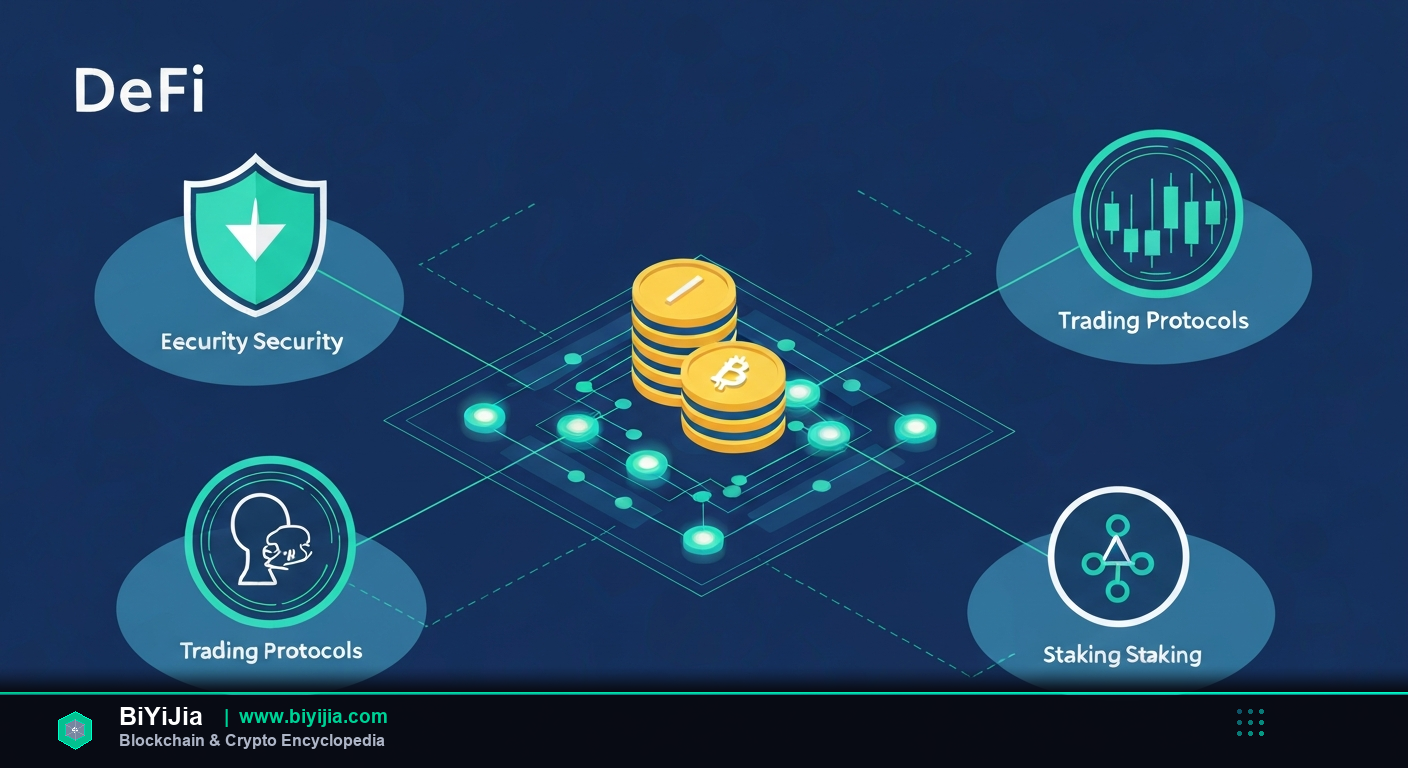

Curve Finance is a Decentralized Finance (DeFi) platform that specializes in low‑slippage stablecoin swaps, offering a Curve DEX powered by the CRV token to maximize capital efficiency for traders and liquidity providers.
Key Takeaways
- Definition: Curve Finance is a stablecoin‑centric DEX designed for minimal price impact.
- Core features: Automated market maker (AMM) with low slippage, CRV token incentives, and meta‑pool architecture.
- Real‑world use: Used by DeFi yield farms, cross‑chain bridges, and payment protocols to swap stable assets efficiently.
- Traditional comparison: Functions like a high‑frequency currency exchange but without a central order book.
- Risk warning: Impermanent loss, smart‑contract bugs, and token‑price volatility can affect returns.
What Is Curve Finance?
In plain language, Curve Finance is a decentralized exchange that lets you swap stablecoins and similar assets with almost no price slippage.
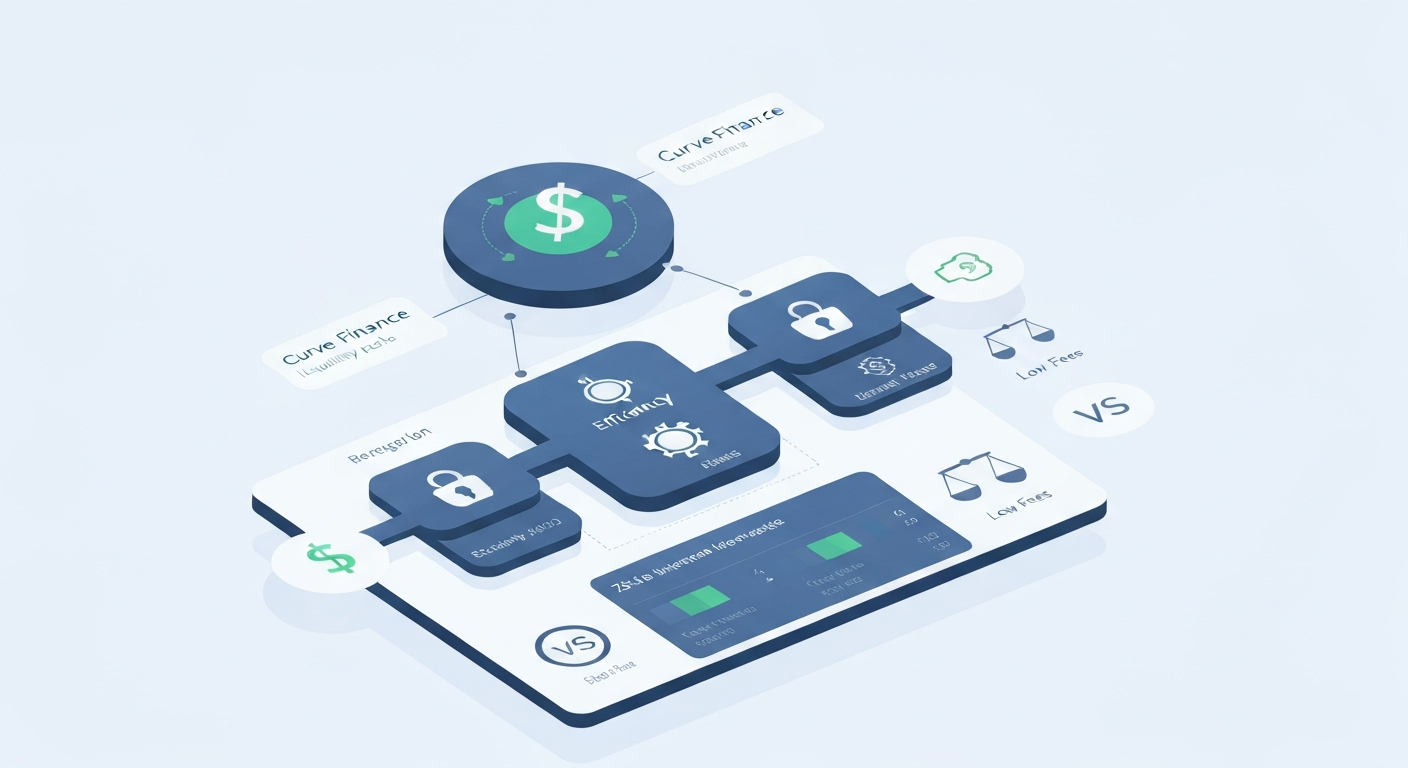
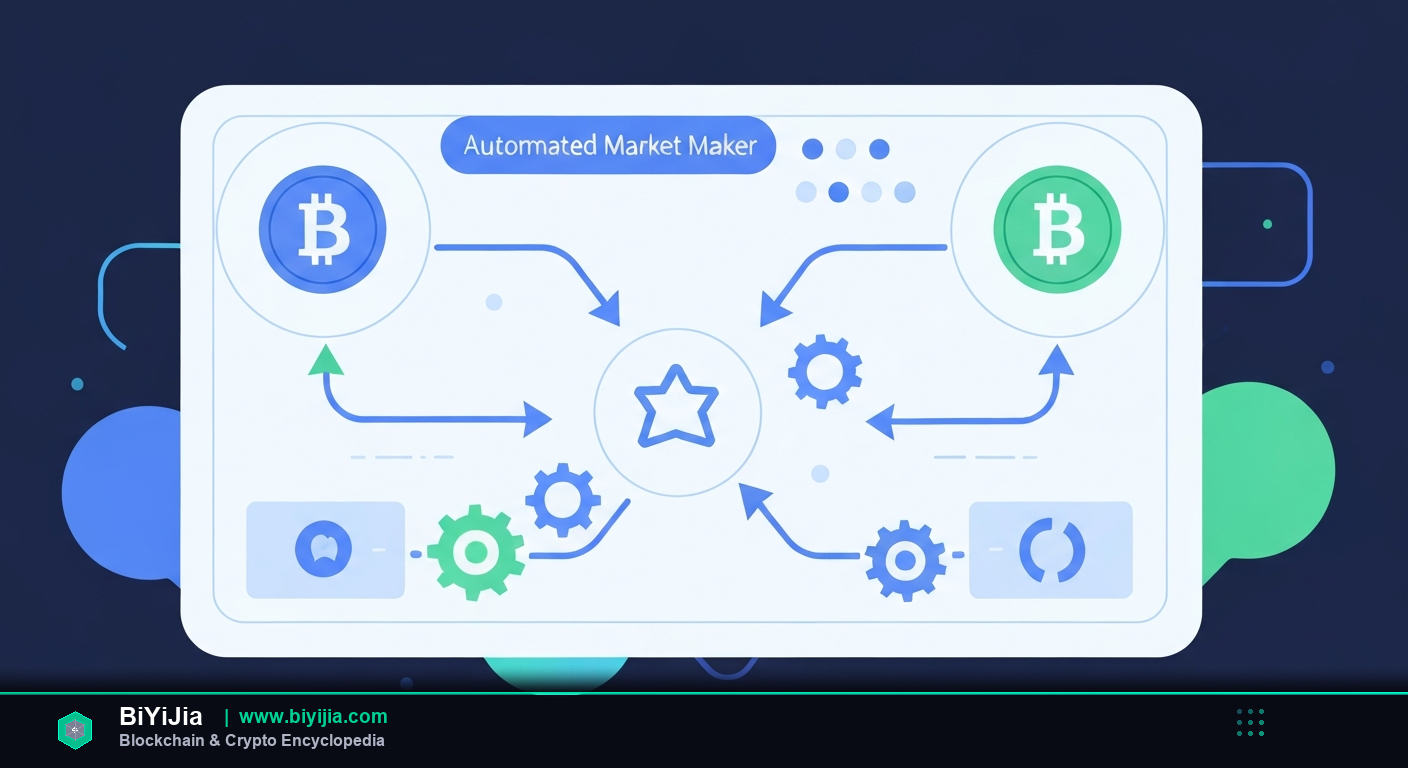
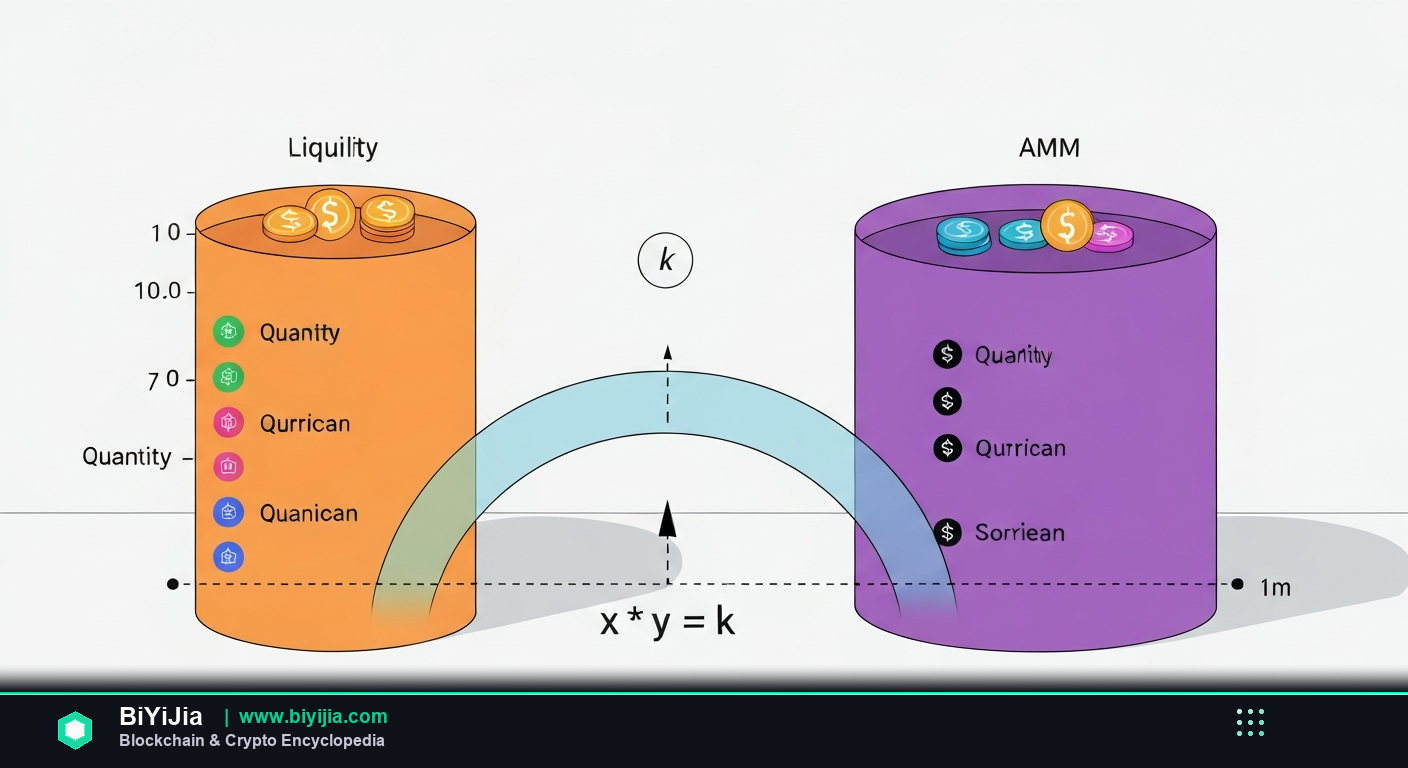
Under the hood, Curve uses a custom AMM curve that flattens near the equilibrium price, meaning large trades move the price very little. Liquidity providers (LPs) deposit assets into pools that are mathematically optimized for assets that should trade 1:1, such as USDC‑USDT or wBTC‑renBTC, and they earn fees plus CRV token rewards for keeping the pool balanced.
Think of it like a giant vending machine that only accepts exact‑change coins; you insert a dollar‑worth of USDC and get a dollar‑worth of USDT out, with the machine adjusting its internal coin compartments just enough to stay stocked without giving you extra change.
How It Works
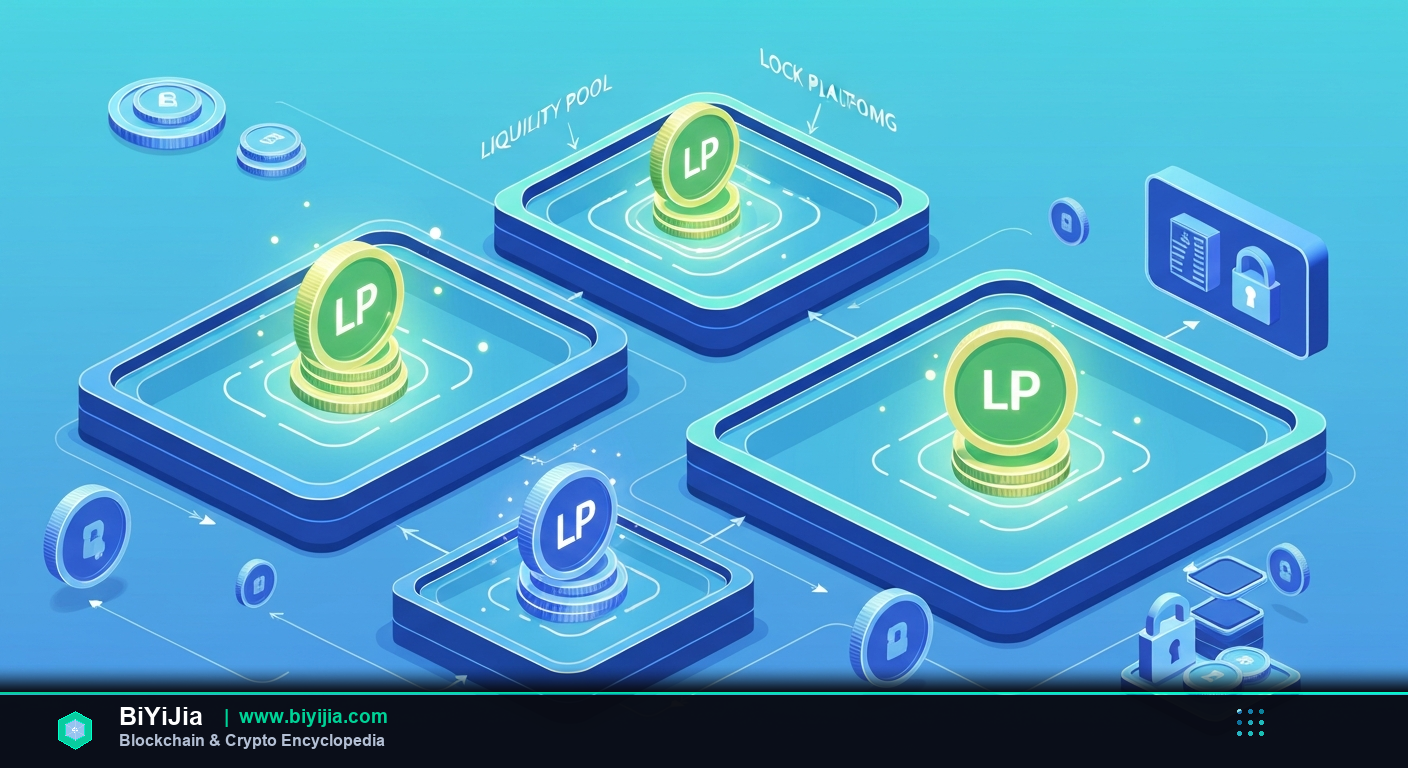
- Users deposit stablecoins or pegged assets into a liquidity pool that shares a common price peg.
- The Curve AMM algorithm calculates the optimal trade size, keeping the pool’s price curve flat to limit slippage.
- When a swap occurs, the algorithm rebalances the pool instantly, charging a small fee (typically 0.04%‑0.04%).
- Liquidity providers earn a share of those fees and receive CRV token emissions proportional to their contribution and lock‑up period.
- CRV holders can vote on protocol upgrades and boost their rewards by locking CRV in veCRV, aligning incentives with long‑term governance.
Core Features
Stablecoin‑centric pools: Designed for assets that should trade at parity, delivering sub‑0.1% slippage even on multi‑million‑dollar trades.
Meta‑pools: Layered pools that combine several base pools, allowing users to trade across different stablecoin families in a single transaction.
CRV tokenomics: The native CRV token distributes inflationary rewards, governance rights, and boost mechanisms via veCRV.
Low fee structure: Fees range from 0.04% to 0.30% depending on the pool, keeping costs lower than most traditional exchanges.
Cross‑chain bridges: Curve has expanded to Ethereum, Polygon, Arbitrum, Optimism, and several Layer‑2s, giving users fast, cheap access to its pools.
Real-World Applications
- Yearn Finance: Uses Curve’s stablecoin pools as the core earning strategy for its Vaults, delivering an average APY of 12% in 2024.
- Alchemix: Leverages Curve pools to provide self‑repaying loans pegged to stablecoins, with over $250 M locked across its vaults.
- Cross‑chain bridges (e.g., Hop Protocol): Rely on Curve to convert bridged assets into native stablecoins with minimal cost.
- DeFi Saver: Integrates Curve DEX for automated debt refinancing, reducing users’ interest expenses by up to 30%.
- Curve Wars: A series of token‑incentive competitions where projects like Convex Finance and Yearn vie for CRV lock‑ups to boost their own yield strategies.
Comparison with Related Concepts
Curve DEX vs Uniswap: Curve focuses on like‑for‑like stablecoin swaps with ultra‑low slippage, while Uniswap targets broader token pairs, often incurring higher price impact.
CRV token vs COMP token: CRV is inflationary and tied to liquidity‑provider voting power via veCRV, whereas COMP is a governance token with a fixed supply and no built‑in boost.
Stablecoin DEX vs Centralized Stablecoin Exchange: A Stablecoin DEX like Curve offers permissionless access and composability, whereas centralized platforms require KYC and can be subject to withdrawal limits.
Risks & Considerations
Impermanent loss: Even low‑slippage pools can suffer loss if the peg between assets diverges significantly.
Smart‑contract vulnerabilities: Historical bugs (e.g., the 2022 Curve hack on a side‑chain) remind users to audit contracts and consider risk‑adjusted returns.
CRV price volatility: While CRV rewards boost yields, the token’s market price can swing wildly, affecting the net value of incentives.
Governance capture: Large veCRV holders could steer protocol changes that favor certain projects, a dynamic highlighted during Curve Wars.
Regulatory scrutiny: As stablecoins face tighter regulations, Curve’s reliance on them could expose the platform to compliance risks.
Embedded Key Data
As of Q1 2026, Curve’s total value locked (TVL) sits at roughly $23 billion, according to DefiLlama, making it the second‑largest stablecoin DEX after Lido’s recent foray into stable assets.
In the same period, the average daily trading volume on Curve DEX exceeded $2.5 billion, a 15% increase year‑over‑year, highlighting growing demand for low‑slippage swaps.
Frequently Asked Questions
What is Curve Finance and how does it differ from other DEXs?
Curve Finance is a DeFi protocol optimized for swapping stablecoins and pegged assets with minimal slippage. Unlike generic AMMs such as Uniswap, Curve’s pricing curve is flat near the 1:1 peg, which keeps transaction costs low even for large orders.
How do I earn CRV tokens on Curve?
Liquidity providers earn CRV as part of the protocol’s inflation schedule. By locking CRV into veCRV, you can boost your rewards and gain voting power over future upgrades and fee distributions.
Is Curve safe to use?
Curve has undergone multiple audits and has a strong track record, but no smart contract is immune to bugs. Users should consider the smart‑contract risk, potential impermanent loss, and the volatility of CRV when evaluating safety.
Can I use Curve on Layer‑2 solutions?
Yes, Curve operates on Ethereum mainnet and several Layer‑2 networks, including Arbitrum, Optimism, and Polygon. These deployments preserve the same low‑slippage experience while offering cheaper gas fees.
What are Curve Wars?
Curve Wars refer to competitive incentive battles where external projects lock large amounts of CRV to boost their own yield strategies. This dynamic can affect token economics and governance outcomes.
Summary
Curve Finance is the go‑to DeFi platform for low‑slippage stablecoin swaps, leveraging the CRV token to align incentives for liquidity providers and governors alike. Understanding its mechanics, rewards, and risks is essential for anyone navigating the modern stablecoin DEX landscape.
Explore related concepts such as Stablecoin DEX, CRV Token, Low Slippage, and Curve Wars to deepen your DeFi knowledge.