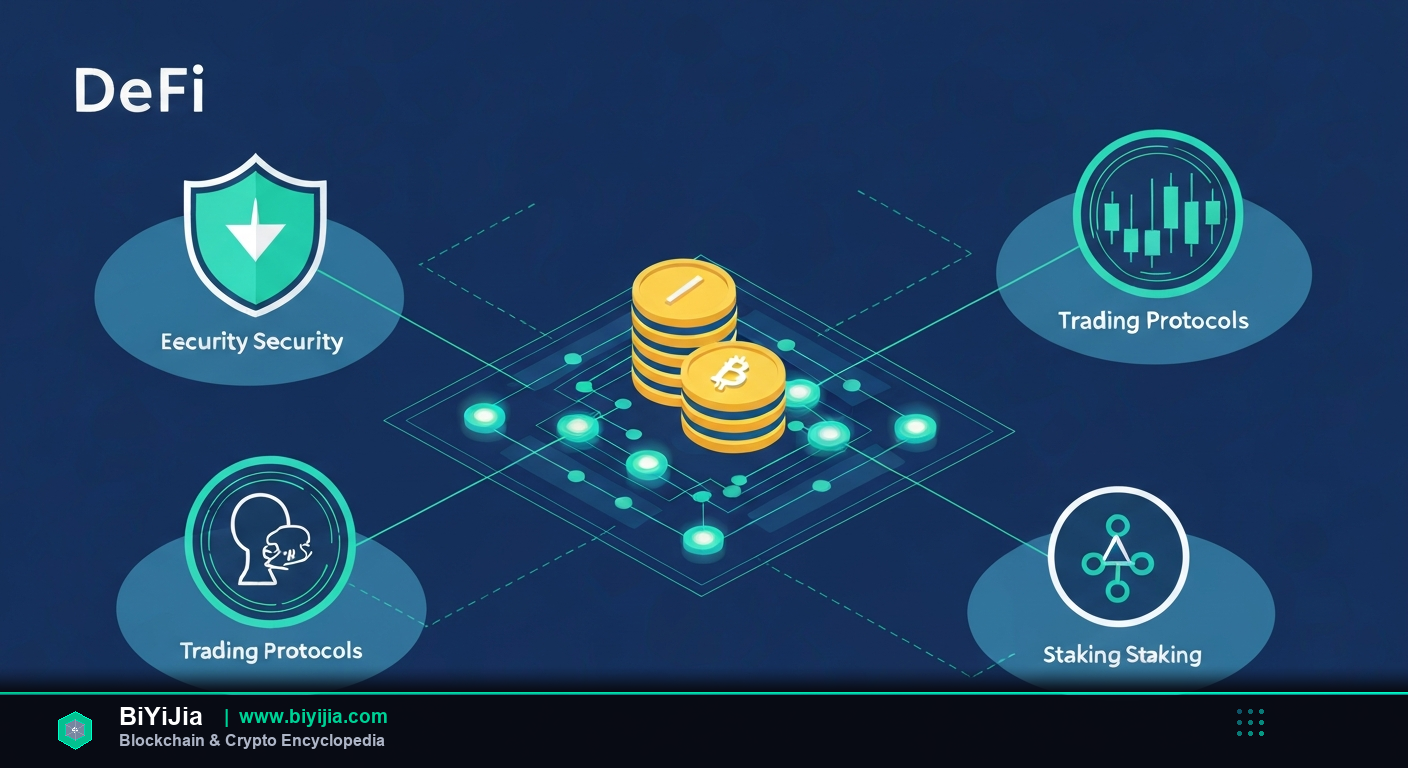

Compound is a decentralized finance (DeFi) lending platform that lets users earn interest on crypto assets or borrow against them, governed by the COMP token.
Key Takeaways
- Compound is a permissionless money market where users supply and borrow digital assets.
- It automates interest rates via an algorithmic Interest Rate Model.
- Real-world use includes earning yield on stablecoins and providing liquidity for traders.
- Compared to traditional banks, Compound operates without KYC and runs on smart contracts.
- Users face smart‑contract risk, liquidation risk, and token price volatility.
What Is Compound?
In plain language, Compound is a protocol that lets you lend crypto to earn interest or borrow crypto by posting collateral.

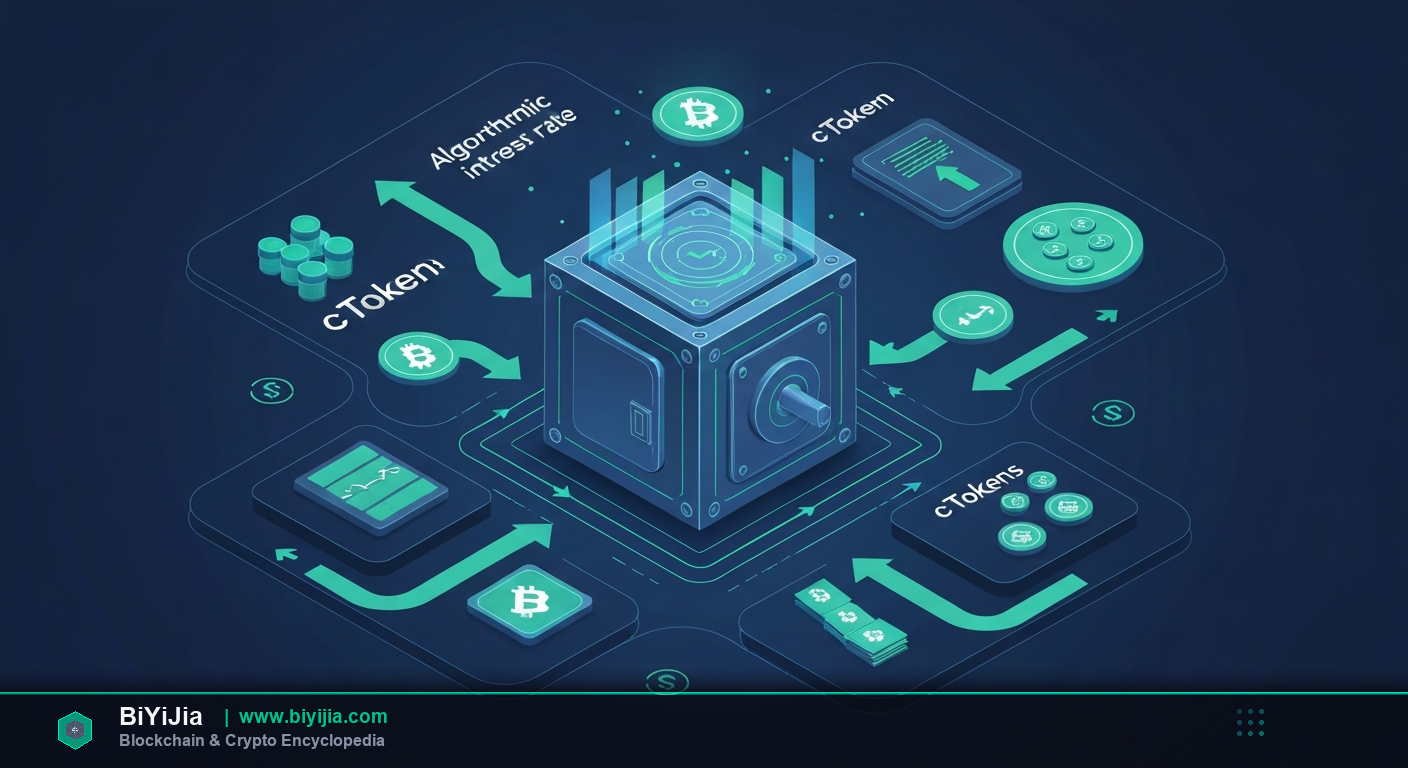
Under the hood, the platform is built on Ethereum smart contracts that track supplied assets, calculate utilization, and adjust rates through an algorithmic Interest Rate Model. When you supply an asset, you receive a corresponding cToken that represents your claim on the pool and accrues interest automatically.
Think of it like a digital version of a community bank where members deposit money and the bank loans it out, except the whole process is coded, transparent, and runs 24/7 without a human teller.
How It Works
- Deposit an approved crypto asset into the Compound pool. The protocol mints a cToken (e.g., cDAI) to your wallet.
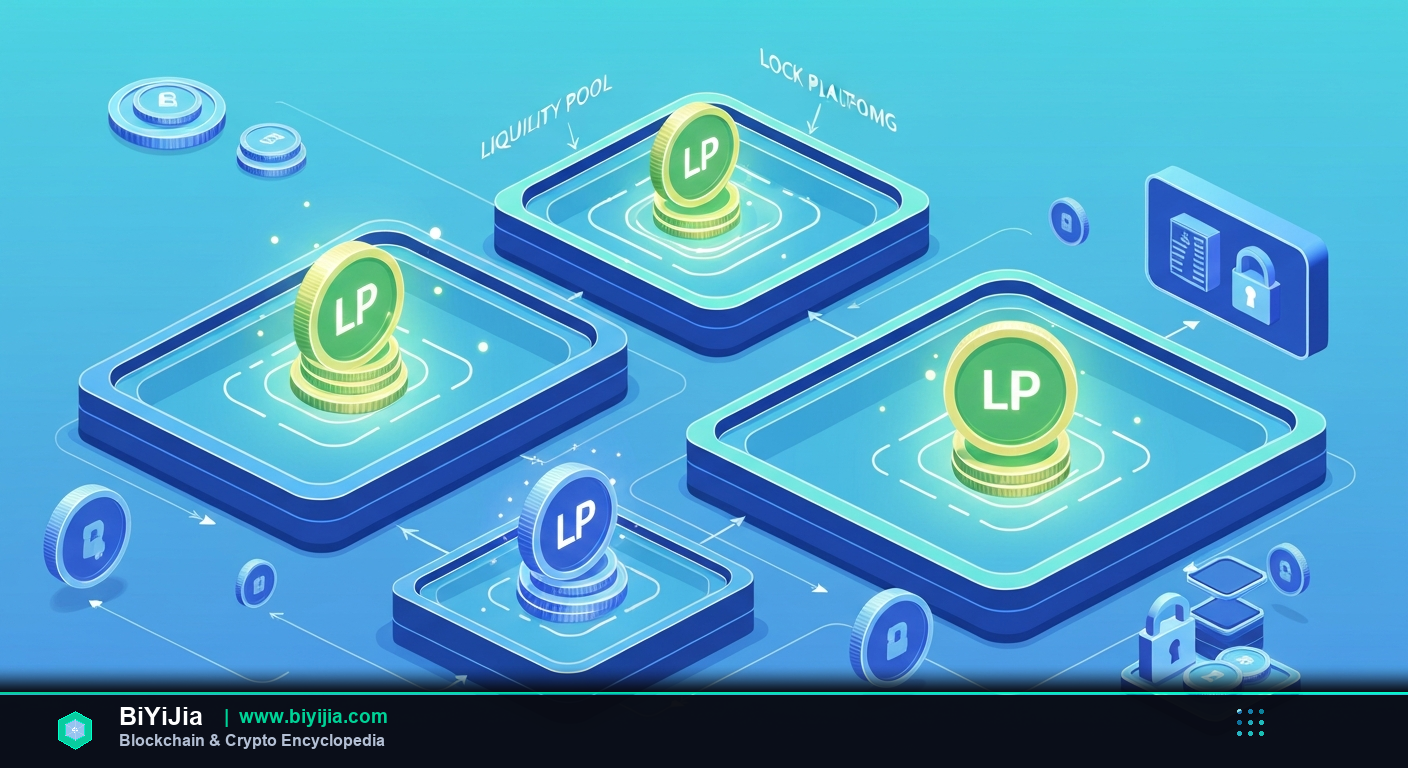
- The supplied asset joins a liquidity pool that borrowers can draw from, subject to over‑collateralization rules.
- Interest rates adjust automatically based on the pool’s utilization, guided by the Interest Rate Model.
- Earned interest accrues to your cToken balance, which you can redeem for the underlying asset at any time.
- If you borrow, you must maintain a collateral ratio; falling below triggers liquidation by the protocol.
Core Features
- cToken Mechanics: Each supplied asset generates a unique cToken that tracks your share of the pool and automatically accrues interest.
- Algorithmic Interest Rate Model: Rates rise when utilization is high, encouraging more supply, and fall when idle capital builds, balancing the market.
- Governance via COMP: Holders of the COMP token propose and vote on protocol upgrades, fee structures, and risk parameters.
- Over‑Collateralized Lending: Borrowers must lock up more value than they borrow, reducing default risk.
- Permissionless Access: Anyone with an Ethereum wallet can interact without KYC, making it truly open.
- Composable Architecture: Compound integrates with other DeFi primitives, enabling yield farming, automated strategies, and more.
According to DeFi Pulse, Compound locked $12.4 billion in assets as of February 2026, making it one of the top three money markets by total value locked (TVL) (DeFi Pulse, 2026).
Data from The Block shows that COMP token voting participation averaged 38% in 2025, illustrating active community governance (The Block, 2025).
Real-World Applications
- Uniswap Liquidity Providers – Use Compound to earn yield on idle USDC before re‑investing into liquidity pools.
- Yearn Finance – Routes user deposits through Compound’s cUSDC market as part of its yield‑optimizing vaults.
- MakerDAO – Occasionally taps Compound’s DAI market to diversify its collateral holdings.
- MetaMask Swaps – Offers users the option to borrow via Compound directly from the wallet interface.
- Chainlink – Supplies LINK to Compound to earn interest while awaiting oracle updates.
Comparison with Related Concepts
- Compound vs Aave: Both are DeFi money markets, but Compound uses a single‑parameter interest model while Aave incorporates multiple risk tiers and flash loans.
- Compound vs Traditional Banking: Compound provides on‑chain, permissionless lending with algorithmic rates, whereas banks rely on centralized credit assessments and fixed rates.
- cToken vs ERC‑20 Token: cTokens are interest‑bearing representations of supplied assets; regular ERC‑20 tokens do not accrue interest automatically.
- COMP token vs Governance Tokens: COMP grants voting power proportional to holdings, similar to other governance tokens, but also distributes protocol fees to holders.
Risks & Considerations
- Smart‑Contract Vulnerability: Bugs or exploits can lead to loss of funds; audits mitigate but don’t eliminate risk.
- Liquidation Risk: If your collateral value drops, the protocol may liquidate your position, potentially at a loss.
- COMP Token Volatility: Governance power and fee rewards are tied to COMP price, which can swing wildly.
- Regulatory Uncertainty: Jurisdictions may target DeFi lending platforms, affecting accessibility.
- Interest Rate Fluctuation: Rapid changes in utilization can cause rates to spike, affecting borrowing costs.
Frequently Asked Questions
What is Compound and how does it differ from a regular bank?
Compound is a DeFi money market that runs entirely on Ethereum smart contracts, offering permissionless lending and borrowing with algorithmic rates, whereas banks operate under centralized regulation, require identity verification, and set rates manually.
How do I earn interest on my crypto using Compound?
Deposit an approved asset (like USDC or ETH) into the protocol, receive the matching cToken, and let the protocol’s Interest Rate Model accrue interest automatically. You can withdraw anytime, redeeming cTokens for the underlying asset plus earned yield.
What role does the COMP token play?
COMP is the native governance token. Holders propose and vote on protocol upgrades, fee allocations, and risk parameters. Additionally, a portion of accrued interest is distributed to COMP holders, aligning incentives.
Is borrowing on Compound risky?
Borrowing requires over‑collateralization; if market prices move against your collateral, the protocol may liquidate your position. Maintaining a healthy collateral ratio and monitoring market volatility are essential safeguards.
Can I use Compound on blockchains other than Ethereum?
Yes. Compound has been deployed on compatible layer‑2 solutions like Optimism and Arbitrum, offering lower fees while preserving the same core mechanics.
Summary
Compound is a cornerstone of DeFi lending, letting users supply assets to earn interest or borrow against collateral, all governed by the COMP token. Understanding its mechanics, benefits, and risks helps you navigate the broader DeFi ecosystem alongside concepts like Lending, cToken, Interest Rate Model, and Governance.