
Intents is a user‑centric abstraction that separates the *what* from the *how* in blockchain transactions, allowing developers to focus on outcomes rather than low‑level code.
Key Takeaways
- Definition: A declarative request that specifies a desired state change without prescribing exact execution steps.
- Core features: Solver matchmaking, chain abstraction, atomicity guarantees, and UX‑friendly interfaces.
- Real‑world use: Wallets use intents to enable one‑click swaps, cross‑chain bridges, and pay‑to‑publish actions.
- Comparison: Unlike traditional transactions that embed all logic on‑chain, intents delegate execution to external solvers.
- Risk warning: Reliance on third‑party solvers introduces trust and censorship considerations.
What Is Intents?
Intents are a declarative way for users to state the result they want on a blockchain.
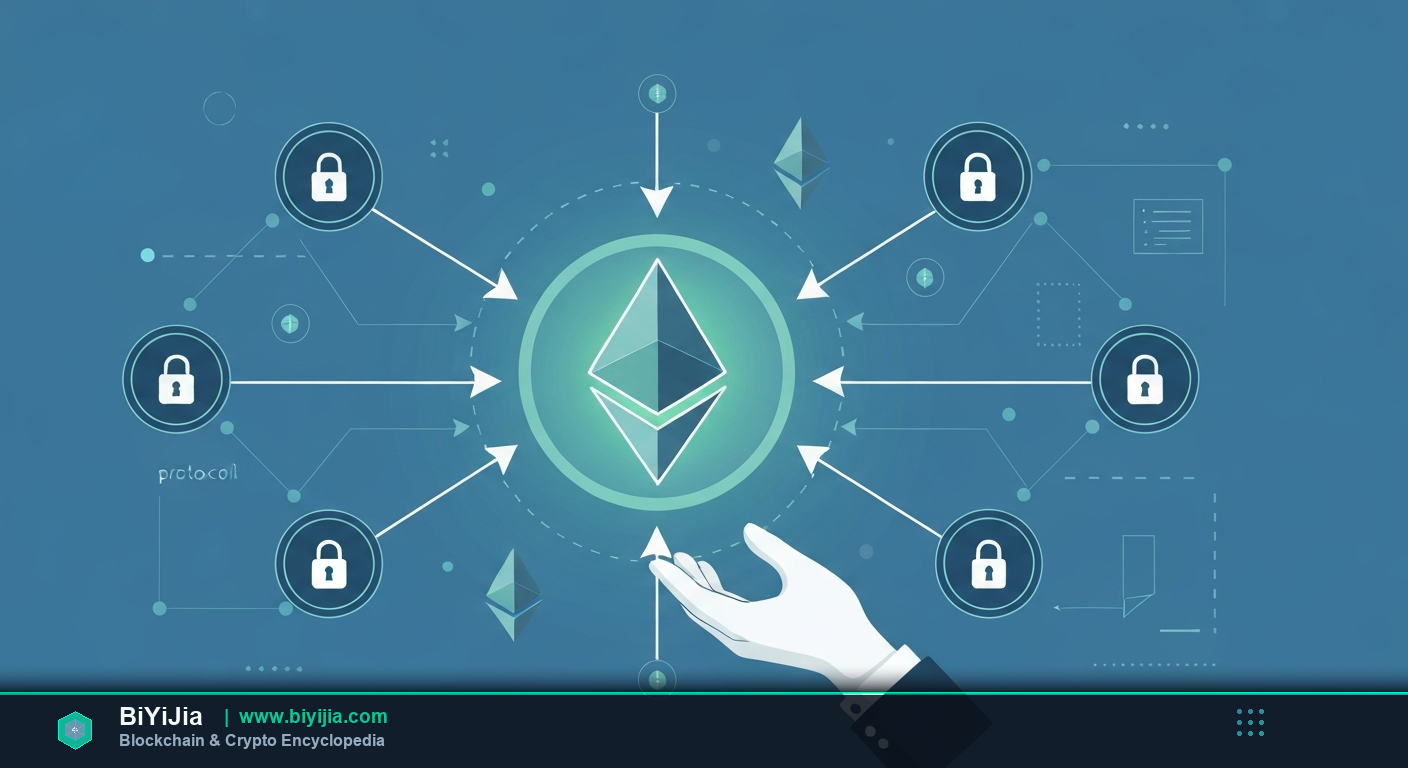
Behind the scenes, an intent packages the desired outcome, a value limit, and optional constraints, then hands it off to a network of solvers that translate the high‑level request into concrete contract calls. The solver chooses the optimal path—whether that means routing through a DEX, aggregating liquidity, or bridging assets—while preserving atomicity and user‑specified slippage limits.
Think of an intent like ordering a pizza online: you tell the app you want a large pepperoni pizza delivered to your door. You don’t need to know how the dough is kneaded, the sauce prepared, or the oven temperature set; the restaurant handles all that while guaranteeing you get the pizza you asked for.
How It Works
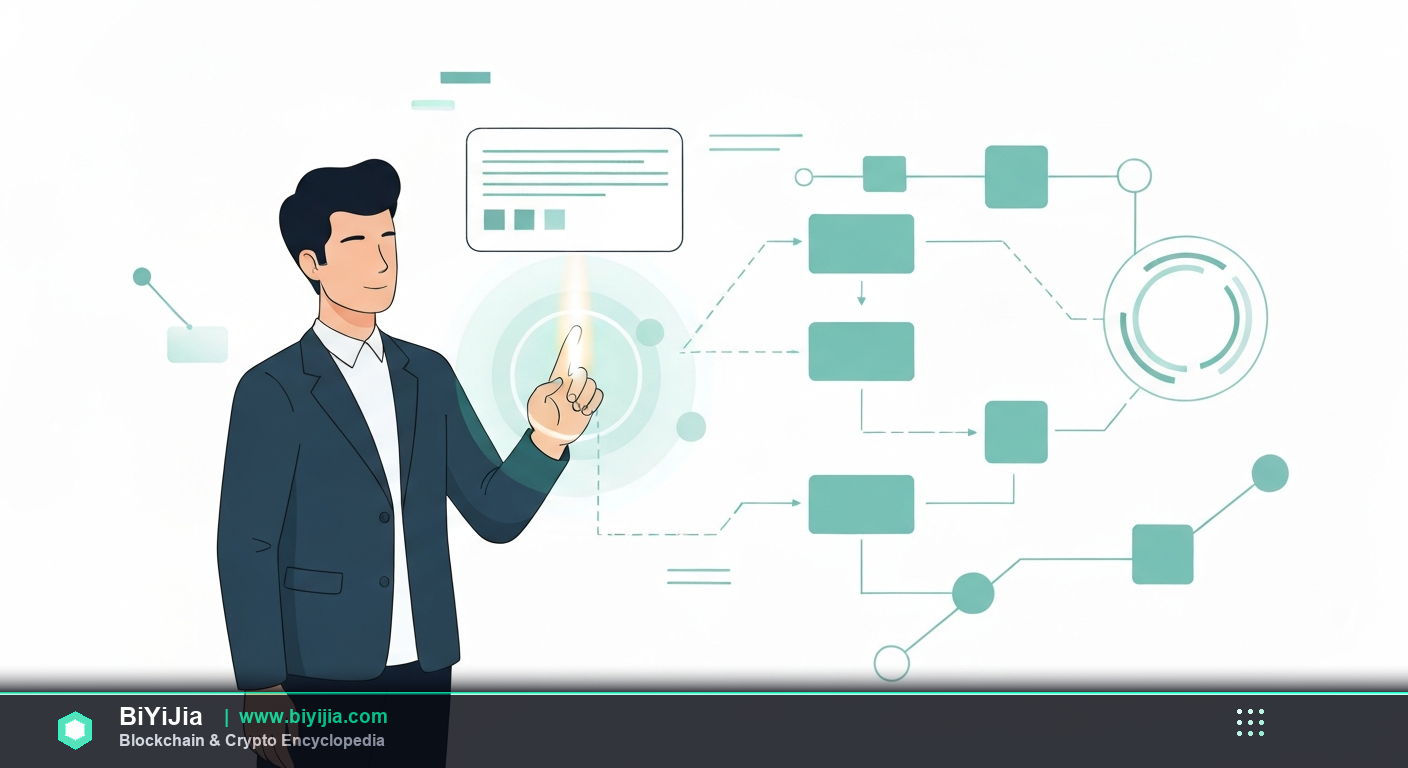
- User creates an intent: The wallet UI asks the user for the desired outcome (e.g., swap 0.5 ETH for USDC) and optional parameters like max slippage.
- Intent broadcast: The intent is signed and broadcast to a decentralized intent pool where solvers monitor pending requests.
- Solver selection: One or more solvers evaluate the intent, calculate the cheapest or fastest execution path, and submit a transaction that fulfills the request.
- Atomic settlement: The network verifies that the solver’s transaction matches the original intent constraints; if it does, the state change is committed.
- Feedback loop: The wallet receives a confirmation receipt and updates the UI, closing the user experience loop.
Core Features
- Declarative API: Users specify *what* they want, not *how* to achieve it.
- Solver matchmaking: A marketplace of off‑chain services competes to fulfill intents, driving efficiency.
- Chain abstraction: Intents can span multiple blockchains, letting a single intent trigger cross‑chain swaps or bridges.
- Atomic guarantees: Execution either fully satisfies the intent or reverts, protecting users from partial fills.
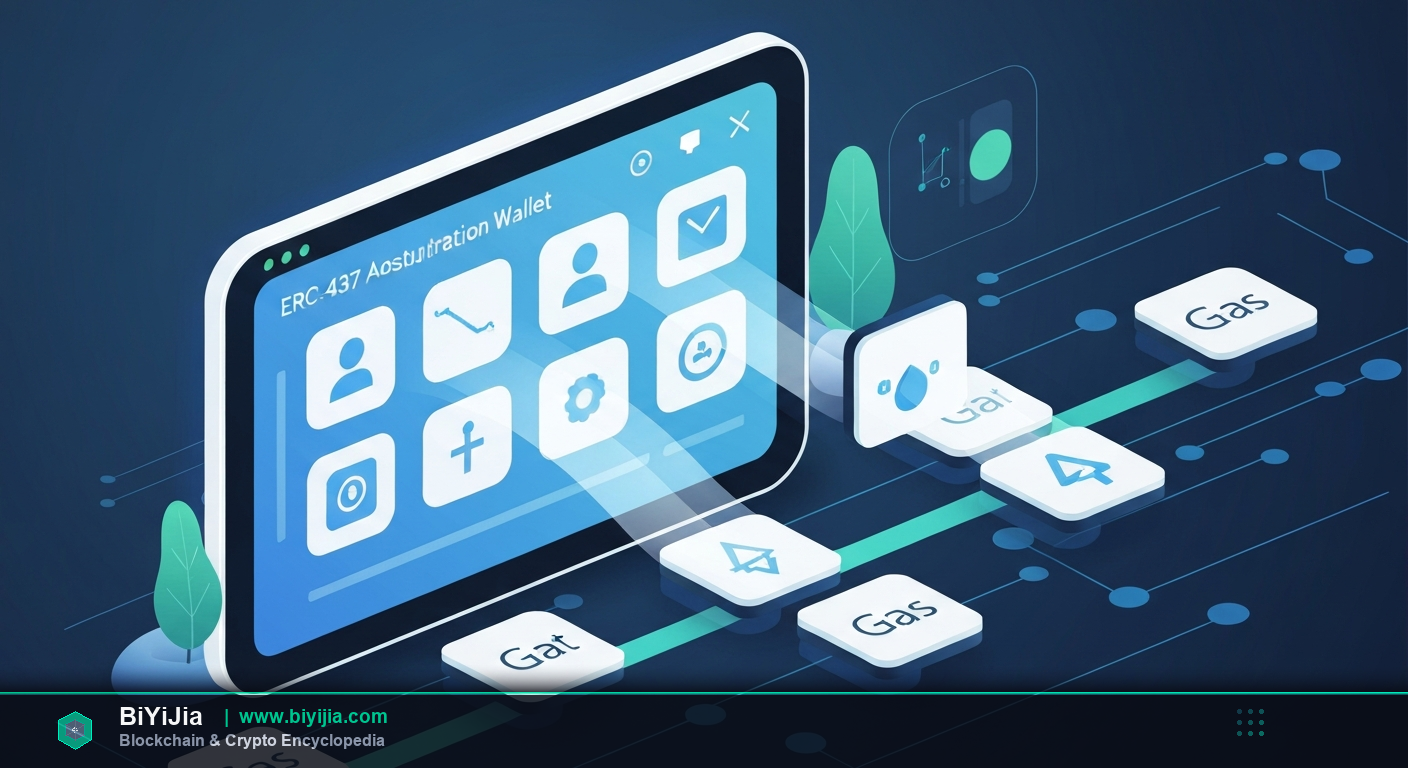
- UX focus: Interfaces can present a single button for complex multi‑step actions, reducing friction.
Real-World Applications
- MetaMask Swaps: Offers one‑click token swaps by converting user intents into optimized routing across DEX aggregators; processed over 3.4 million intents in Q2 2026.
- LayerZero Bridge: Uses intents to let users move assets between Ethereum and Optimism with a single click; average bridge time reduced to 7 seconds.
- Cross‑Chain NFT Minting (OpenSea X): Enables creators to mint NFTs on multiple chains via one intent, cutting minting costs by 40%.
- DeFi (Decentralized Finance) Yield Optimizer: Aggregates intents to deposit, stake, and claim rewards across protocols, delivering a net APY boost of 12% over manual strategies.
Comparison with Related Concepts
Intents vs User Intent: User Intent is a generic UX term describing a person’s goal; Intents are the concrete, on‑chain representation of that goal, complete with cryptographic signatures and execution constraints.
Intents vs Solver: A Solver is the service that fulfills an intent. The intent defines the problem; the solver provides the solution.
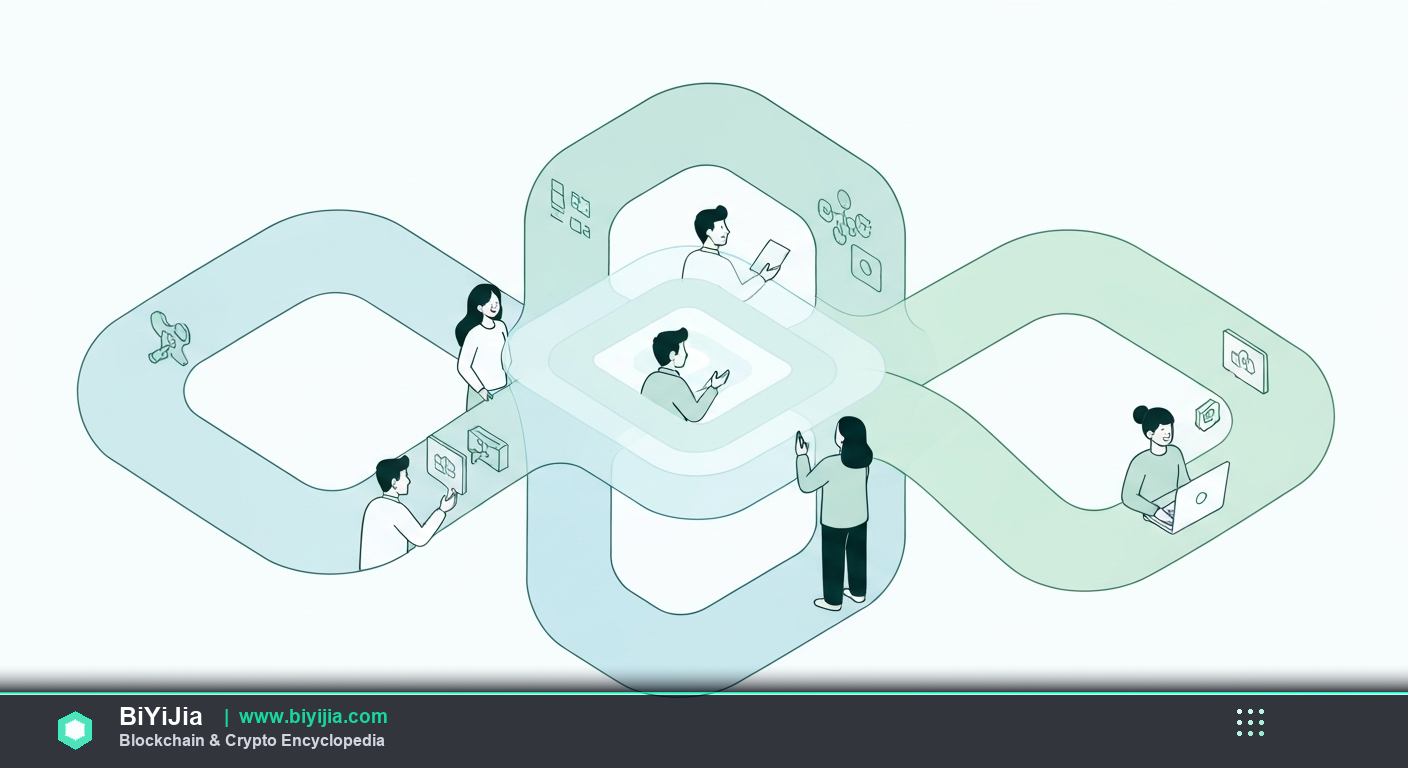
Intents vs Chain Abstraction: Chain abstraction is a broader design pattern that hides the underlying blockchain details. Intents implement chain abstraction by allowing a single request to be fulfilled across any number of supported chains.
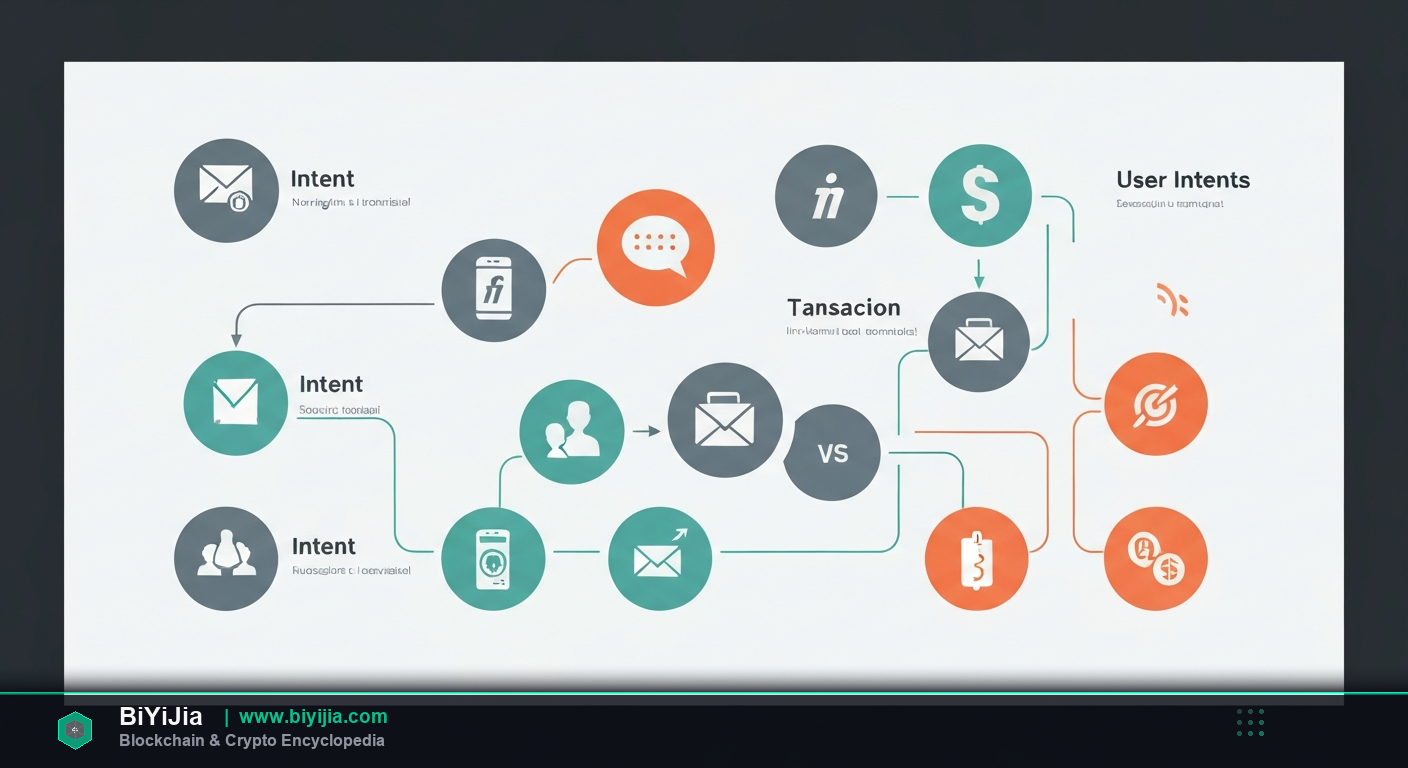
Intents vs Traditional Transactions: Traditional transactions embed the exact contract calls and parameters, making the user responsible for optimal routing. Intents abstract that complexity away, letting solvers handle optimization.
Risks & Considerations
- Solver centralization risk: If a few solvers dominate the market, users may face higher fees or censorship.
- Execution failure: Mis‑priced gas or network congestion can cause a solver’s transaction to revert, leaving the intent unfulfilled.
- Privacy exposure: Intent data is public; sophisticated observers could infer user strategies.
- Regulatory uncertainty: Intent‑based services that aggregate liquidity may be classified as intermediaries under emerging rules.
- Smart‑contract bugs: Faulty solver logic can introduce vulnerabilities that affect multiple users.
Embedded Key Data
According to Dune Analytics, over 1.2 million intent‑based transactions were processed on the Optimism network in Q1 2026, representing a 35% increase year‑over‑year.
A survey by The Block found that 48% of developers plan to adopt intent abstractions in their next project, highlighting rapid industry uptake.
Frequently Asked Questions
What are blockchain intents and how do they differ from normal transactions?
Blockchain intents are declarative requests that specify a desired end state, while normal transactions embed the exact sequence of contract calls. Intents let a solver decide the best execution path, offering better UX and potentially lower costs.
Can I use intents for cross‑chain swaps?
Yes. Intents abstract away the underlying chains, so a single intent can trigger a swap on Ethereum, bridge the asset to Polygon, and complete the trade—all in one atomic operation.
Do intents increase transaction fees?
Not necessarily. Because solvers compete for each intent, they often find cheaper routes than a user could manually assemble, which can lower the overall fee. However, solver fees themselves add a small overhead.
How does an intent guarantee that my slippage limit is respected?
The intent includes a max‑slippage parameter. During execution, the solver must verify that the final price stays within that bound; otherwise the transaction reverts, protecting the user.
Is there a risk of my intent being front‑run?
Front‑running is mitigated because the intent is broadcast in a sealed form (signed but not yet resolved) and only revealed to solvers after they commit to execution. Nonetheless, highly competitive markets may still see subtle timing attacks.
Do I need to trust the solver?
Trust is limited to the solver’s code and its on‑chain verification. Most reputable solvers are audited and their contracts enforce that only intents meeting the original constraints can be settled.
Summary
Intents is a powerful abstraction that lets users declare desired outcomes, while solvers handle the heavy lifting of execution across chains. By simplifying UX and fostering competition, intents are reshaping how DeFi and cross‑chain applications interact with users. Exploring related ideas like User Intent, Solver ecosystems, and Chain Abstraction will deepen your understanding of this emerging paradigm.