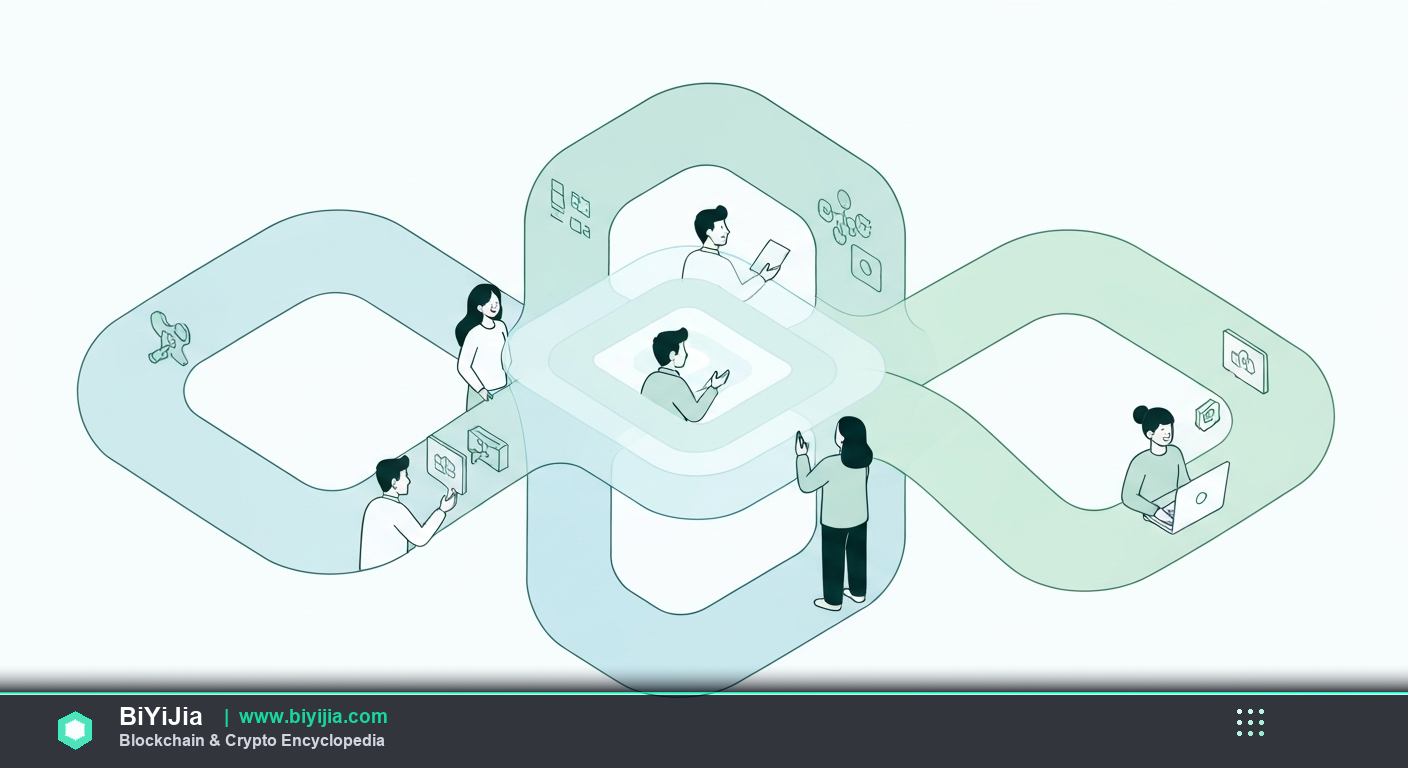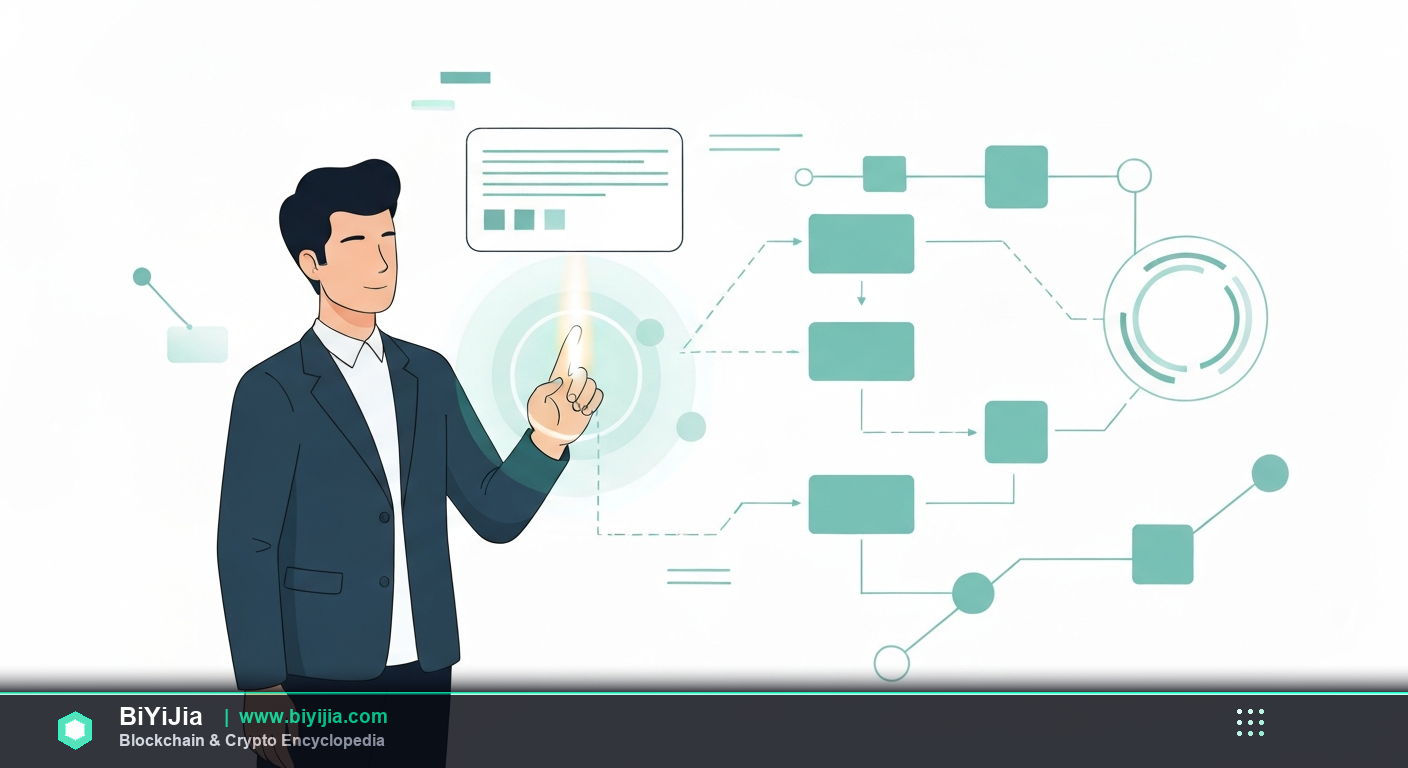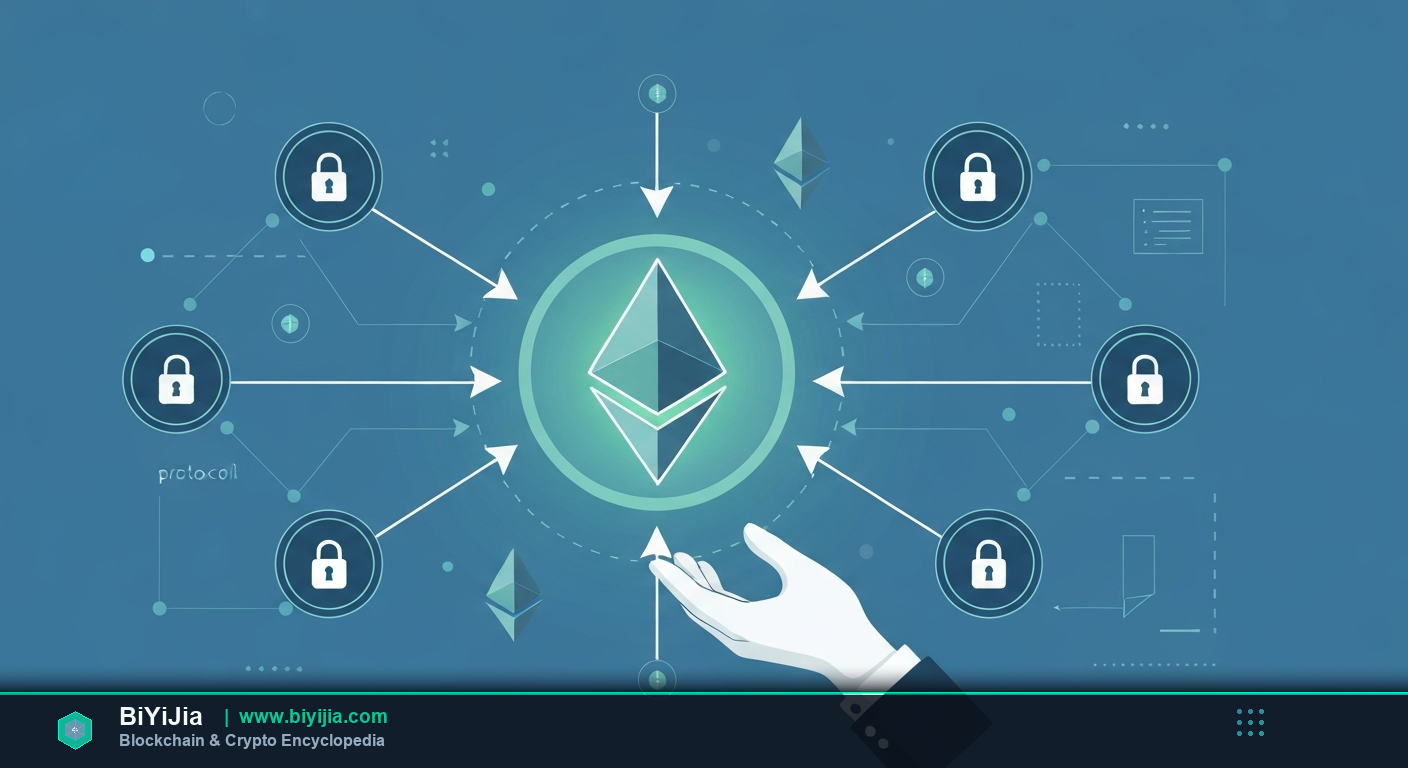

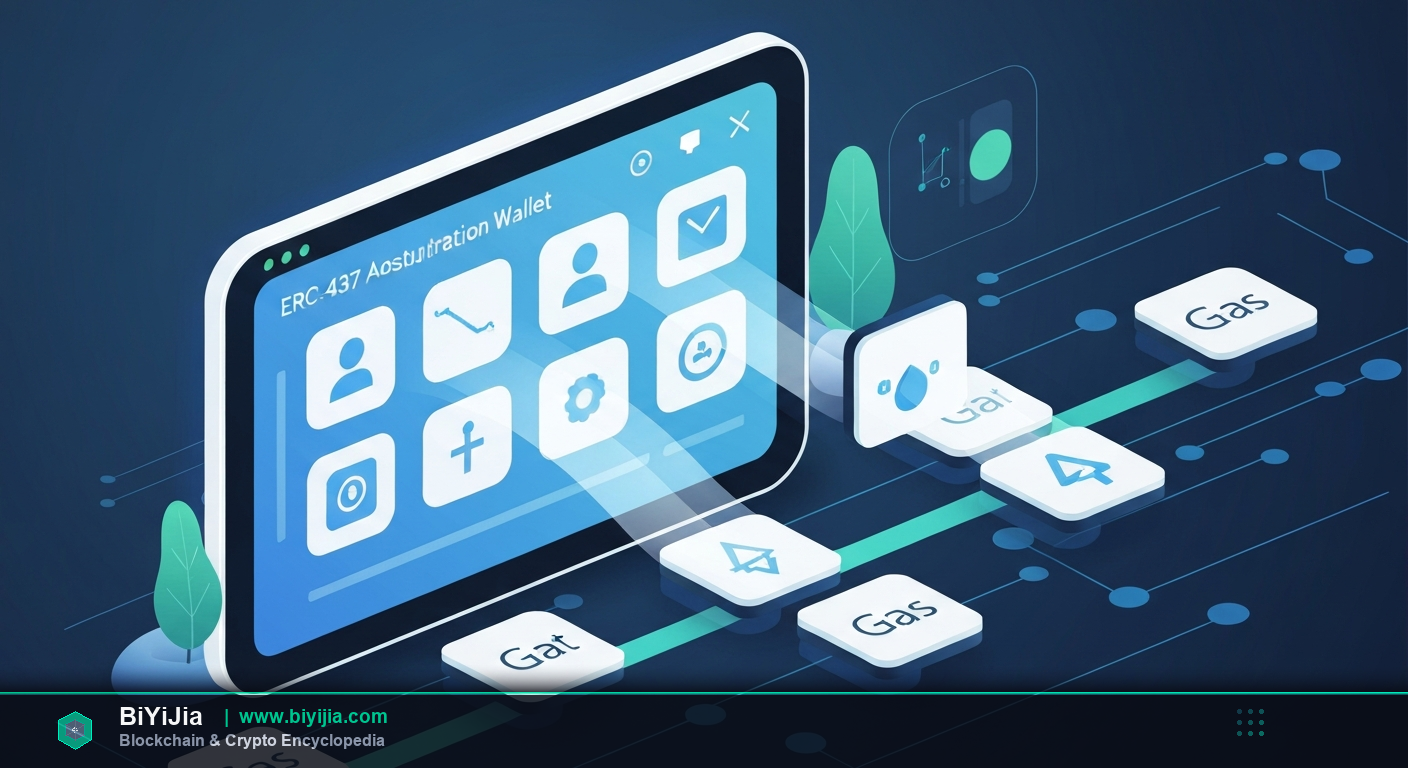
Account Abstraction refers to the redesign of blockchain accounts that lets smart contract wallets handle transaction validation, gas payment, and user authentication, making crypto interactions more flexible and user‑friendly.
Key Takeaways
- Redefines the distinction between externally owned accounts and contract accounts.
- ERC-4337 introduces a bundler‑based infrastructure for gasless and multi‑signature wallets.
- Projects like Argent, Safe, and zkSync use it to lower onboarding friction.
- Compared with traditional EOAs, it shifts security responsibilities to programmable logic.
- Improper configuration can expose users to replay attacks or unexpected gas costs.
What Is Account Abstraction?
In plain English, account abstraction means letting a smart contract act as a user’s wallet instead of a simple key‑pair address.
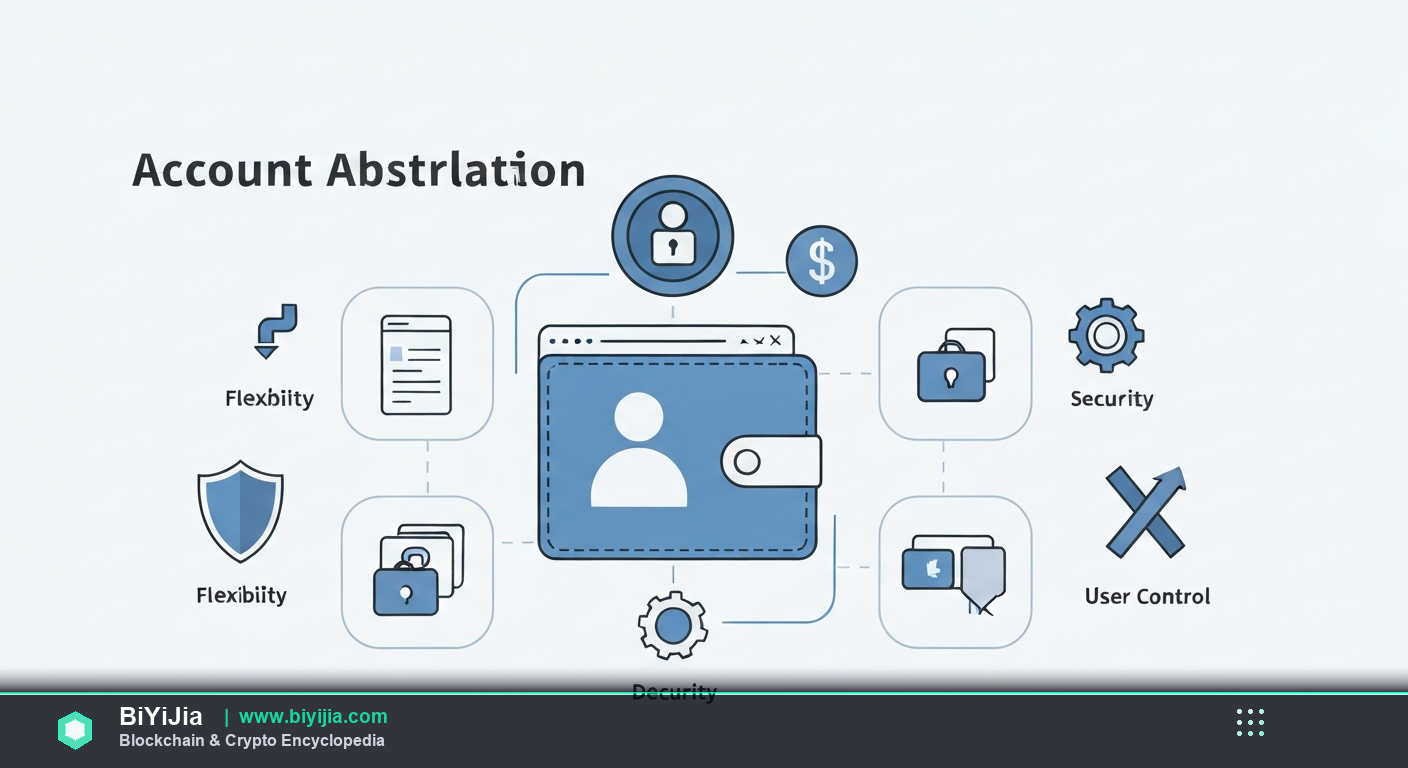
The technical shift hinges on moving signature verification, nonce handling, and gas payment out of the protocol core and into user‑controlled code. ERC-4337, introduced in 2022 and widely adopted by 2024, defines a new transaction type called a "UserOperation" that a special contract called an EntryPoint processes. This lets developers write custom validation logic, support social recovery, batch multiple actions, or even pay gas with ERC‑20 tokens.
Think of it like swapping a traditional bank debit card for a programmable debit card that can auto‑top‑up, require multiple approvals, or lock itself after a suspicious transaction.
How It Works
- A user creates a smart contract wallet that implements the ERC‑4337 interface.
- When the user wants to act, the wallet signs a UserOperation and sends it to a bundler.
- The bundler aggregates many UserOperations into a single on‑chain transaction that calls the EntryPoint contract.
- EntryPoint verifies each operation using the wallet’s custom logic, charges gas (which can be paid in native ETH or an ERC‑20 token), and executes the requested call.
- If validation fails, the whole bundle is reverted, keeping the blockchain state clean.
Core Features
- Programmable Validation: Wallets decide which signatures, multi‑factor checks, or rate limits are required.
- Gas Abstraction: Users can pay fees with stablecoins, tokens, or have a relayer sponsor the transaction.
- Batch Execution: Multiple actions (e.g., token swap + NFT mint) can be packed into one on‑chain call.
- Social Recovery: A predefined set of guardians can restore access without exposing private keys.
- Improved UX: No need for users to manage nonce values or worry about out‑of‑gas errors.
- Modular Upgradability: Wallet logic can be upgraded via proxy patterns without moving funds.
Real-World Applications
- Argent: Offers a smart contract wallet with social recovery and gasless onboarding; by Q2 2026 it hosts over 1.8 million active accounts.
- Safe (formerly Gnosis Safe): Provides multi‑signature contract wallets for DAOs; Safe has processed more than 3 billion transactions using ERC‑4337.
- zkSync 2.0: Leverages account abstraction to enable fee‑payment in any ERC‑20 token, reducing average transaction cost to $0.001.
- Worldcoin ID: Uses a contract‑based identity layer that relies on ERC‑4337 for password‑less logins across multiple dApps.
- OpenSea: Integrated account abstraction to let creators list NFTs without holding ETH, boosting first‑time seller conversion by 27%.
Comparison with Related Concepts
Account Abstraction vs Externally Owned Account (EOA): An EOA is a simple key‑pair address that signs transactions directly; account abstraction replaces that key with a programmable contract that can enforce custom rules.
Smart Contract Wallet vs Regular Contract: All smart contract wallets are contracts, but not every contract is a wallet. A wallet includes user‑focused features like signature verification, gas payment, and recovery mechanisms.
Gasless Transactions vs Traditional Gas Model: Gasless relies on relayers or token‑based fee payment enabled by abstraction, whereas the traditional model forces every user to hold native ETH for gas.
Risks & Considerations
- Complexity Risk: More code means a larger attack surface; bugs in the wallet’s validation logic can lead to fund loss.
- Bundler Centralization: If a few bundlers dominate, they could censor certain UserOperations or impose high fees.
- Replay Attacks: Improper nonce handling inside the contract can allow attackers to replay old operations.
- Gas Estimation Errors: Because gas can be paid in tokens, users may underestimate the required conversion rate, causing transaction failures.
- Regulatory Scrutiny: Programmable wallets that embed KYC or escrow logic may attract additional compliance obligations.
Embedded Key Data
According to Dune Analytics, over 1.2 million ERC‑4337 UserOperations were processed in Q4 2025, representing a 45 % increase from the previous quarter.
In a 2026 survey by The Block, 68 % of crypto‑native users said they would switch to a platform that supports gasless transactions via account abstraction.
Frequently Asked Questions
What is account abstraction and why does it matter?
Account abstraction lets developers replace the simple key‑pair model with a programmable contract wallet, enabling features like social recovery, batch actions, and paying gas with tokens. It matters because it removes many friction points that keep newcomers from using DeFi and NFTs.
How does ERC‑4337 enable smart contract wallets?
ERC‑4337 introduces the UserOperation object and the EntryPoint contract, which together allow a wallet contract to validate signatures, manage nonces, and pay gas in a flexible way. The protocol still runs on existing Ethereum consensus, so no hard fork is required.
Can I send a transaction without holding ETH using account abstraction?
Yes. By configuring a wallet to pay fees with an ERC‑20 token or by using a relayer that sponsors the gas, users can interact with dApps even if they have zero native ETH balance.
Is account abstraction safe for large sums?
Security depends on the wallet’s code. Audited contracts like Argent and Safe have withstood multiple attacks, but custom‑written wallets should undergo professional audits before holding significant value.
Do I need a special wallet to use ERC‑4337?
Most mainstream wallets now support the standard, but you need a smart contract wallet that implements the ERC‑4337 interface. Many providers offer one‑click deployment for beginners.
Will account abstraction replace EOAs completely?
EOAs will likely coexist for years because they are simpler and cheaper for low‑value interactions. However, as UX expectations rise, smart contract wallets are expected to become the dominant user interface.
Summary
Account abstraction reshapes how users interact with blockchain by moving validation, gas payment, and recovery logic into programmable contracts. Understanding ERC‑4337 and smart contract wallets is essential for anyone looking to build or use next‑generation DeFi, NFT, and Web3 experiences.