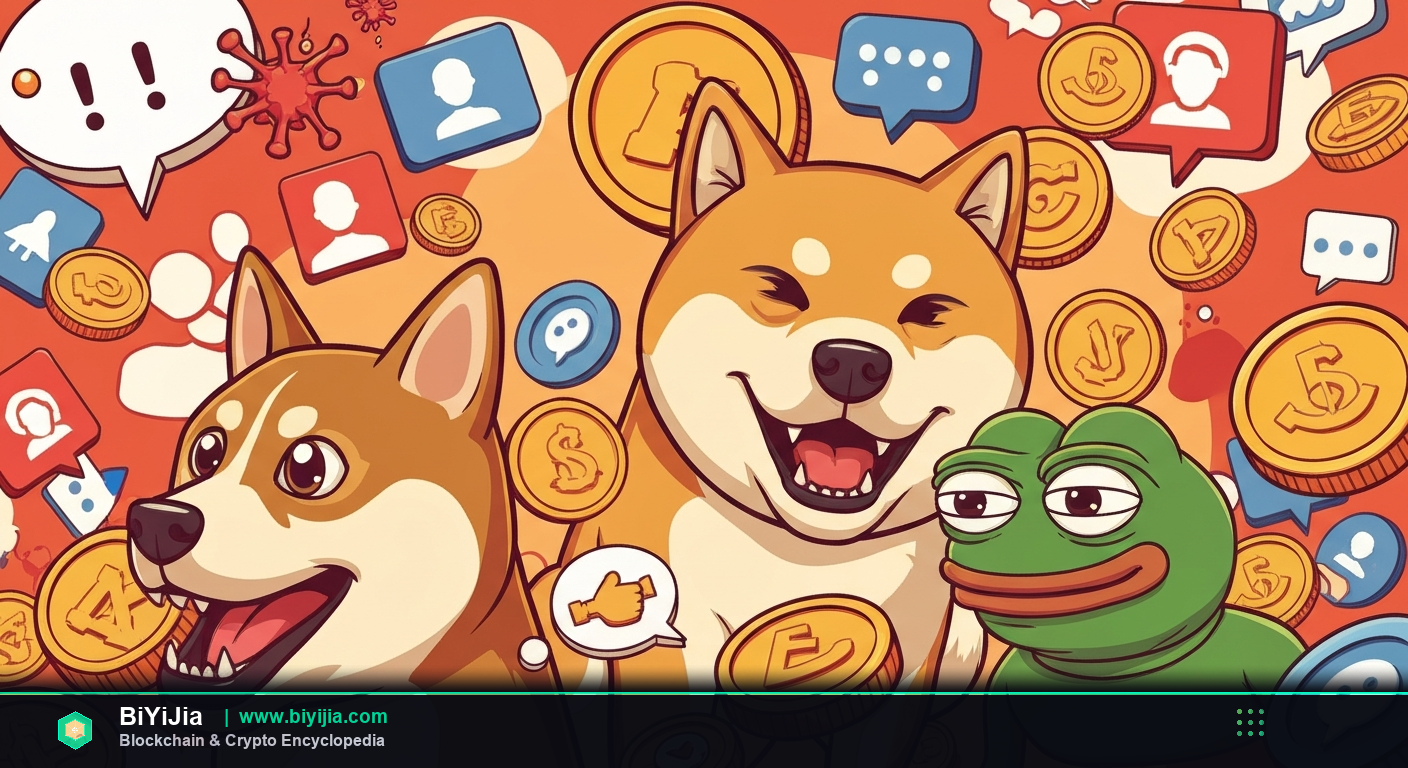
Meme Coin refers to a community‑driven cryptocurrency created primarily for humor or social buzz, often gaining value through viral popularity.
Key Takeaways
- One‑line definition: a joke‑styled crypto that can turn into serious market cap thanks to internet culture.
- Core features: community governance, low entry barrier, meme‑centric branding.
- Real‑world application: used for tipping, charity drives, and as a gateway into broader crypto markets.
- Compared to Bitcoin: meme coins rely on hype, not scarcity, making price swings far wilder.
- Risk warning: extreme volatility and high susceptibility to pump‑and‑dump schemes.
What Is Meme Coin?
A meme coin is a cryptocurrency that started as an internet joke but can acquire real monetary value through viral community support.
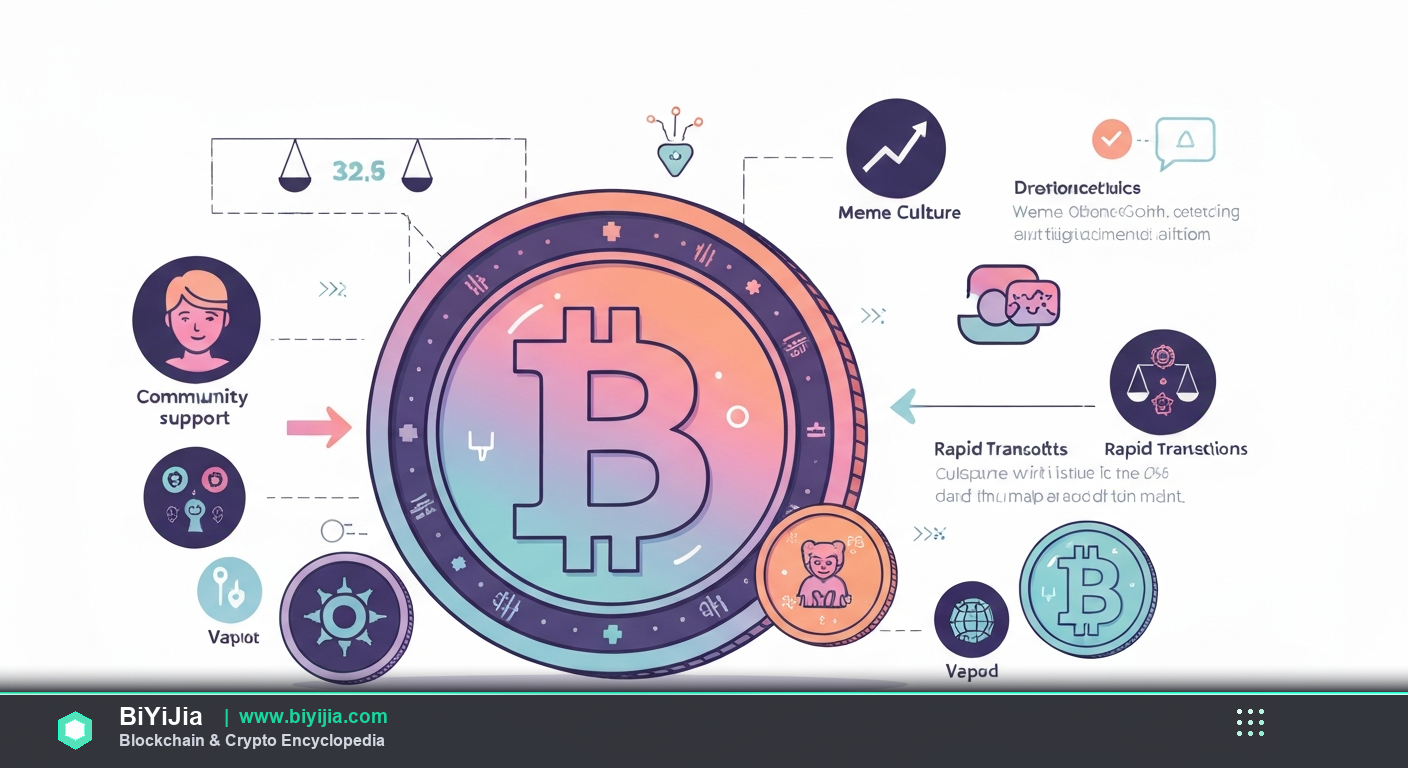
Technically, meme coins are built on the same blockchain standards as any other token—most live on Ethereum's ERC‑20 or Binance Smart Chain's BEP‑20 standards—so they inherit the same security model, smart‑contract functionality, and transaction mechanics. The main difference lies in the narrative: instead of solving a technical problem, they ride on meme culture, social media memes, and the collective enthusiasm of a loosely organized fan base.
Think of a meme coin like a viral TikTok dance: it starts as a goofy move, but if enough people join in, it becomes a cultural moment that even brands try to monetize. The same principle applies to DOGE, SHIB, and the newer PEPE token.
How It Works
- Developers fork an existing blockchain token standard (ERC‑20, BEP‑20) and mint a fixed or inflationary supply.
- They release the token on a decentralized exchange (DEX) with a low initial price to attract speculative buyers.
- Community members spread memes, create viral content, and encourage others to buy, creating organic demand.
- Liquidity pools on platforms like Uniswap or PancakeSwap lock a portion of the supply, allowing users to trade without a centralized order book.
- As hype peaks, early adopters may sell at a premium, while new holders hope the meme continues to trend.
Core Features
Community‑Driven: The token’s value is almost entirely dictated by the enthusiasm of its supporters, not by a formal utility.
Low Entry Barrier: Most meme coins trade for fractions of a cent, allowing anyone to buy thousands of tokens with a small amount of fiat.
High Volatility: Prices can swing double‑digit percentages within minutes due to social media spikes.
Tokenomics Simplicity: Many meme coins adopt straightforward supply models—either a capped supply like DOGE’s 130 billion or an inflationary schedule that rewards holders.
Cross‑Chain Availability: By 2026, meme tokens are frequently bridged to multiple blockchains, expanding their reach across ecosystems.
Gamified Incentives: Some projects embed staking or reward mechanisms that turn holding into a game‑like experience.
Real‑World Applications
- DOGE: Originally a joke, DOGE now supports charitable donations, tipping on social platforms, and even sponsorship of a NASCAR driver; its market cap topped $40 B in early 2025.
- SHIB: Marketed as the “Dogecoin killer,” SHIB powers the ShibaSwap DEX and funds the Shiba Inu Rescue Association, boasting over 600 M holders as of Q1 2026.
- PEPE: Launched in 2023, PEPE leverages the iconic frog meme and has been integrated into several gaming dApps, with daily transaction volume exceeding $150 M in 2025.
- WEN: A newer meme token focused on community‑governed charity pools, raising over $12 M for disaster relief in 2024.
Comparison with Related Concepts
Meme Coin vs Utility Token: Utility tokens grant access to a platform’s services (e.g., Uniswap’s UNI), while meme coins primarily offer social status and speculative upside.
Meme Coin vs Stablecoin: Stablecoins aim for price stability by pegging to fiat assets; meme coins embrace price chaos, making them unsuitable for payments that require predictability.
Meme Coin vs Bitcoin: Bitcoin’s scarcity (21 M coins) underpins its store‑of‑value narrative; meme coins rely on ever‑growing fanbases, often inflating supply to keep excitement high.
Risks & Considerations
Pump‑and‑Dump Schemes: Coordinated buying pushes price up, only for large holders to sell off, crashing the market.
Regulatory Scrutiny: Authorities in several jurisdictions have flagged meme tokens as potential securities, increasing legal risk.
Liquidity Risks: If the community loses interest, liquidity pools can dry up, making it hard to exit positions.
Rug Pulls: Some developers abandon projects after raising funds, leaving token holders with worthless assets.
Market Saturation: By 2026, over 10 000 meme tokens exist, diluting attention and capital across the space.
Embedded Key Data
According to CoinMarketCap, meme coins collectively held a market cap of $12.5 B in 2024, representing 8 % of the total crypto market value. In Q4 2025, Glassnode reported that DOGE’s daily transaction volume peaked at $300 M, highlighting its continued relevance beyond meme status.
Frequently Asked Questions
What makes a meme coin different from a regular cryptocurrency?
A meme coin’s identity is rooted in internet culture and community hype rather than a technical problem it solves. While it uses the same blockchain infrastructure as other tokens, its price drivers are memes, social media trends, and viral marketing.
Can I use meme coins for payments?
Technically yes—any token on a blockchain can be transferred. However, due to extreme volatility, most merchants avoid meme coins for pricing goods, preferring stablecoins or more established assets like Bitcoin.
Are meme coins safe to invest in?
Safety is relative. Meme coins are high‑risk, high‑reward assets. New investors should only allocate money they can afford to lose and consider diversifying with utility tokens or stablecoins.
How do meme coins generate revenue for their creators?
Creators often embed a small transaction fee (e.g., 2‑5 %) into the token’s smart contract. That fee can be redirected to a development fund, charity wallet, or simply burned to create scarcity.
Do meme coins have any real utility?
Beyond tipping and community engagement, some have built ecosystems—like ShibaSwap for SHIB—that offer staking, liquidity mining, and NFT marketplaces, giving them modest functional value.
Is there a way to protect myself from a rug pull?
Look for audited contracts, transparent team identities, and locked liquidity pools. Projects that lock liquidity for at least a year on reputable platforms reduce the likelihood of a sudden exit by developers.
Summary
Meme Coin refers to a community‑driven cryptocurrency that thrives on viral humor and social buzz, turning jokes into market cap. While they can serve as entry points into Decentralized Finance (DeFi) and foster charitable initiatives, investors must respect their volatility and regulatory exposure. For deeper context, explore related terms like DOGE, SHIB, PEPE, and Community‑Driven token models.