

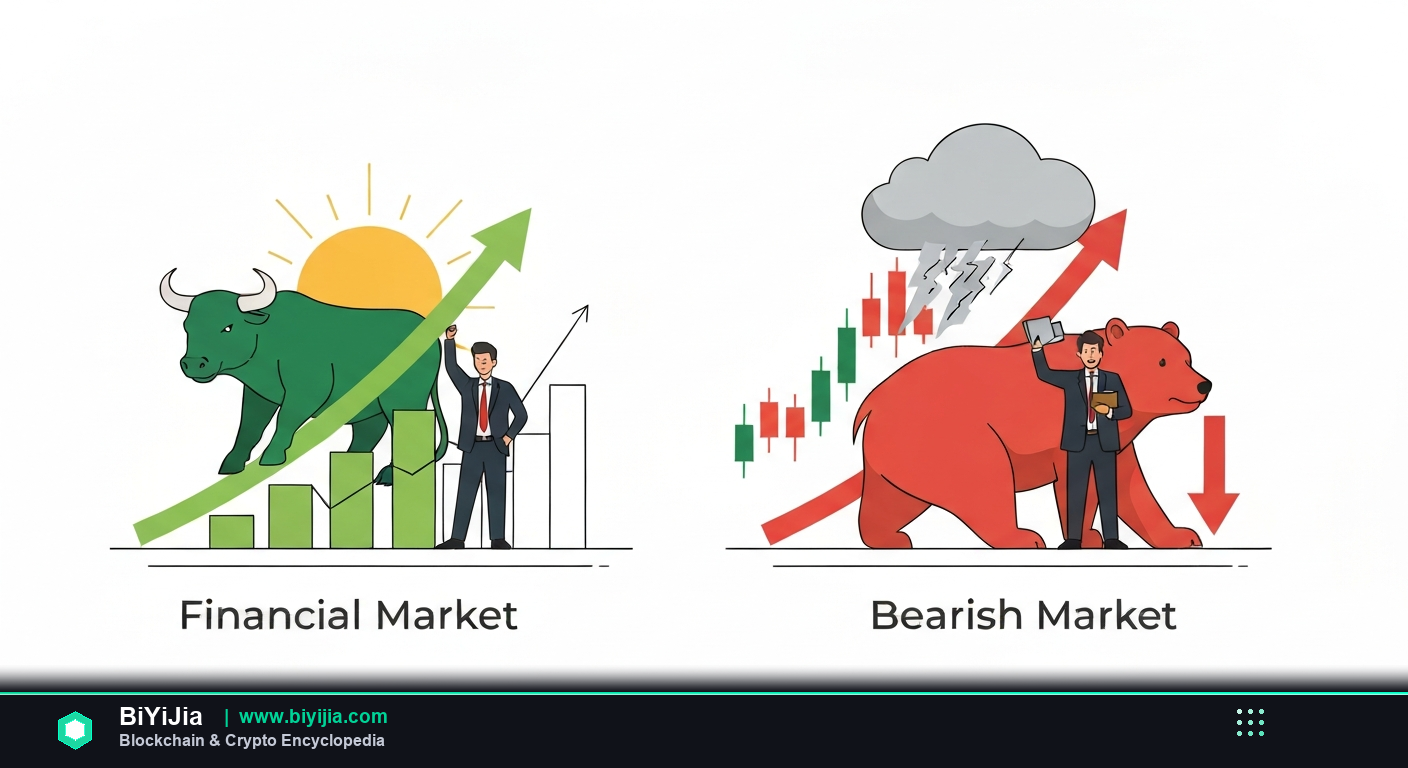
Key Takeaways
- Definition: Bull market means rising prices; bear market means falling prices.
- Core features: Trend direction, sentiment shift, volume patterns, and macro influences.
- Real‑world use: Traders time entries, investors adjust allocation, protocols tweak incentives.
- Comparison: Bull vs bear dynamics differ from a simple up‑or‑down day; they span months to years.
- Risk warning: Misreading a phase can lead to large losses, especially in leveraged crypto positions.
What Is Bull Market & Bear Market?
In plain terms, a bull market is a period when prices keep going up, while a bear market is when they keep going down.
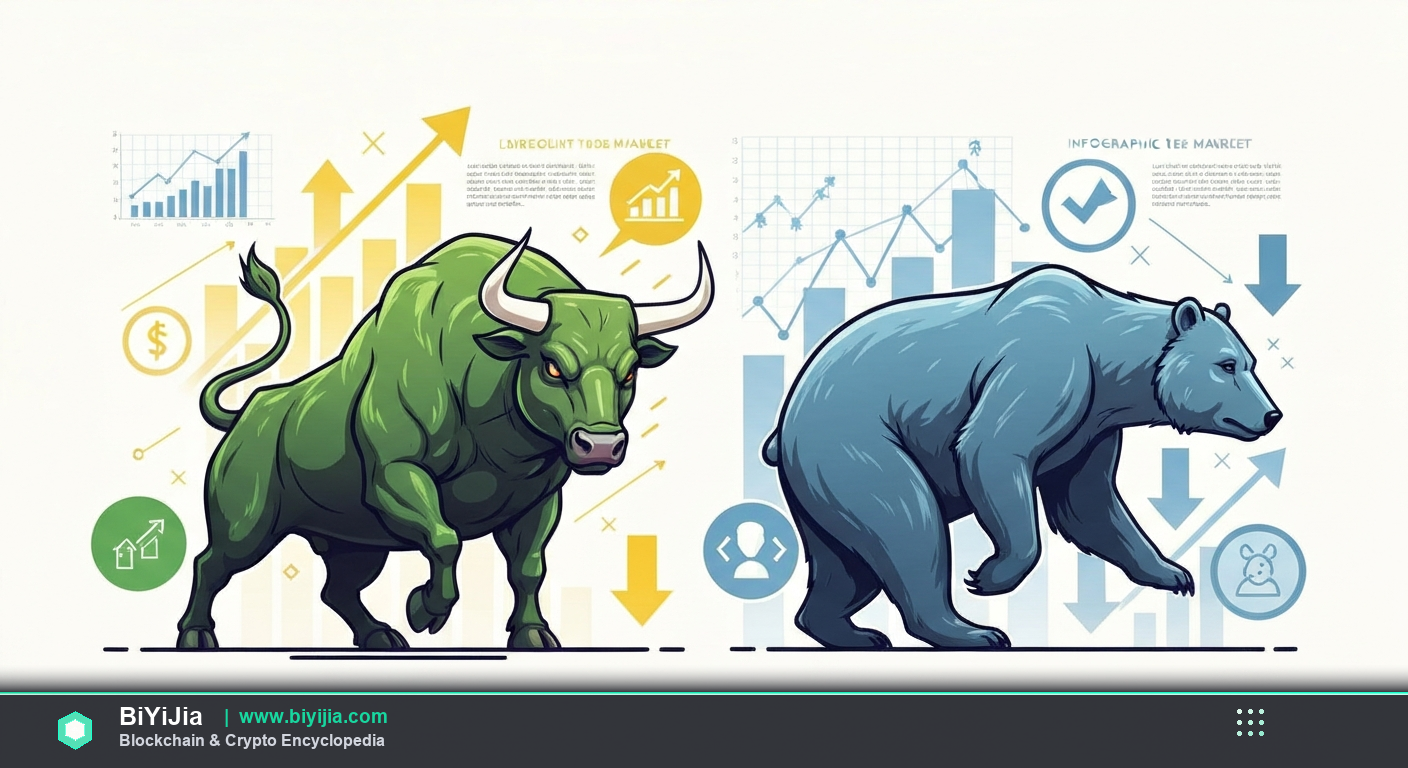
Technically, both phases are driven by collective sentiment, liquidity flow, and macro‑economic triggers. During a bull, optimism fuels buying pressure, volume expands, and risk assets like crypto see inflows. In a bear, fear dominates, sellers outnumber buyers, and capital retreats to safe havens. In Decentralized Finance (DeFi) markets, bull and bear cycles are just as relevant as in traditional finance, often amplified by on‑chain data signals.
Think of a bull market as a river swelling after heavy rain—everything rides the current forward. A bear market is more like a river receding during drought, exposing the riverbed and forcing everyone to wade carefully.
How It Works
- Market participants form expectations about future price moves based on news, earnings, or protocol upgrades.
- Those expectations translate into buying or selling pressure, which moves the price direction.
- As price moves, it reinforces the original sentiment—up‑moves attract more buyers (bull), down‑moves trigger more sellers (bear).
- Liquidity providers and institutional players adjust positions, deepening the trend.
- Eventually, a catalyst—regulatory change, macro shock, or tech breakthrough—shifts sentiment, flipping the market.
Core Features
Trend Direction: Bull markets show higher highs and higher lows; bear markets display lower lows and lower highs.
Sentiment Momentum: Optimism fuels a bull, while fear drives a bear. Social metrics, on‑chain activity, and media tone are good proxies.
Volume Dynamics: In a bull, trading volume typically rises, confirming strength. In a bear, volume may spike on panic sells or dry out as participants sit on the sidelines.
Duration: Bull phases can last months to several years; bears often unfold faster but can also linger, especially after major corrections.
Macro Correlation: Interest rates, inflation, and global risk appetite heavily influence whether crypto aligns with a broader bull or bear cycle.
Leverage Impact: High leverage amplifies both upside in bull markets and downside in bear markets, making risk management crucial.
Real-World Applications
- Bitcoin (BTC) – During the 2020‑2022 bull, BTC surged from $7,200 to $79,000, a 1,100% gain (CoinDesk, 2022).
- Uniswap (UNI) – In the 2023 bear phase, UNI’s trading volume fell 45% as TVL on the platform dropped 30% (Dune Analytics, 2023).
- Aave (AAVE) – Aave’s liquidity mining rewards were increased by 25% in early 2024 to stimulate borrowing during a bear market (Aave Governance, 2024).
- Ethereum (ETH) – ETH’s transition to proof‑of‑stake sparked a bull rally in 2024, raising its price 70% within six months (Ethereum Foundation, 2024).
- Chainlink (LINK) – LINK’s price surged 80% in Q1 2025 as oracle demand spiked during a broader crypto bull (Messari, 2025).
Comparison with Related Concepts
Bull vs Bear: A bull market is characterized by rising prices, growing optimism, and expanding capital inflows, whereas a bear market features falling prices, heightened caution, and capital flight to safe assets.
Market Cycle vs Bull/Bear: The market cycle encompasses the full sequence—accumulation, uptrend (bull), distribution, downtrend (bear). Bull and bear are the two directional phases within that larger loop.
Trend vs Bull/Bear: A trend can be short‑term (daily or weekly) and may reverse quickly; bull and bear describe longer‑term directional bias lasting months or years.
Investment Strategy vs Bull/Bear: Strategies like “buy and hold” thrive in bull markets, while “short selling” or “defensive allocation” are more suited to bear markets.
Sentiment vs Bull/Bear: Sentiment is the psychological driver; bull and bear are the observable outcomes of collective sentiment.
Risks & Considerations
Timing Risk: Entering a bull too late or a bear too early can erode returns; markets often stay irrational longer than expected.
Leverage Amplification: Using borrowed funds magnifies gains in bull markets but can liquidate positions swiftly in bears.
Liquidity Crunch: During deep bear phases, order books thin out, leading to slippage and higher transaction costs.
Regulatory Shock: Sudden policy changes can flip sentiment overnight, turning a mild bear into a crash.
Psychological Bias: Confirmation bias keeps traders stuck in a phase they dislike, ignoring contrary data.
Embedded Key Data
According to CoinDesk, the 2020‑2022 crypto bull market saw Bitcoin rally 1,100% from $7,200 to $79,000, illustrating how decisive bullish sentiment can drive massive price appreciation.
In 2024, the total value locked (TVL) across DeFi protocols fell 38% during a bear phase, as reported by DeFi Pulse, highlighting the capital flight that often accompanies prolonged downtrends.
Frequently Asked Questions
What is a bull market in crypto?
A bull market in crypto is a sustained period where most digital assets experience price gains, trading volumes rise, and investor sentiment leans toward optimism. It often aligns with broader economic confidence and can be sparked by technological upgrades or mainstream adoption.
What is a bear market and how long does it last?
A bear market is a prolonged decline of 20% or more from recent highs, accompanied by negative sentiment and reduced trading activity. In crypto, bears can last from a few months to over a year, depending on macro forces and on‑chain fundamentals.
How can I tell if we are in a bull or bear phase?
Look for price trends, volume patterns, and sentiment indicators such as social media mentions, on‑chain metrics (e.g., active addresses), and macro data like interest rates. Consistently higher highs and higher lows suggest a bull, while lower lows and lower highs point to a bear.
Can a market be both bull and bear at the same time?
Yes, on a sector level. For example, Bitcoin might be in a bull while specific altcoins are in a bear, creating a mixed environment. This is why diversification and sector analysis matter.
What strategies work best in a bear market?
Defensive tactics include reducing exposure to high‑volatility assets, increasing stablecoin holdings, using options to hedge, or focusing on yield‑generating protocols that offer stable returns despite falling prices.
Is bull vs bear only about price?
Price is the headline, but underlying fundamentals—network activity, developer commits, on‑chain usage—also shift. A bull can mask weak fundamentals, while a bear might hide strong tech progress.
Summary
Bull Market & Bear Market describe the two dominant phases of market sentiment that dictate price direction, risk exposure, and investment tactics. Understanding these cycles helps you align strategies, manage leverage, and navigate crypto’s volatile landscape. For deeper insight, explore related concepts like Market Cycle, Trend, and Sentiment.