
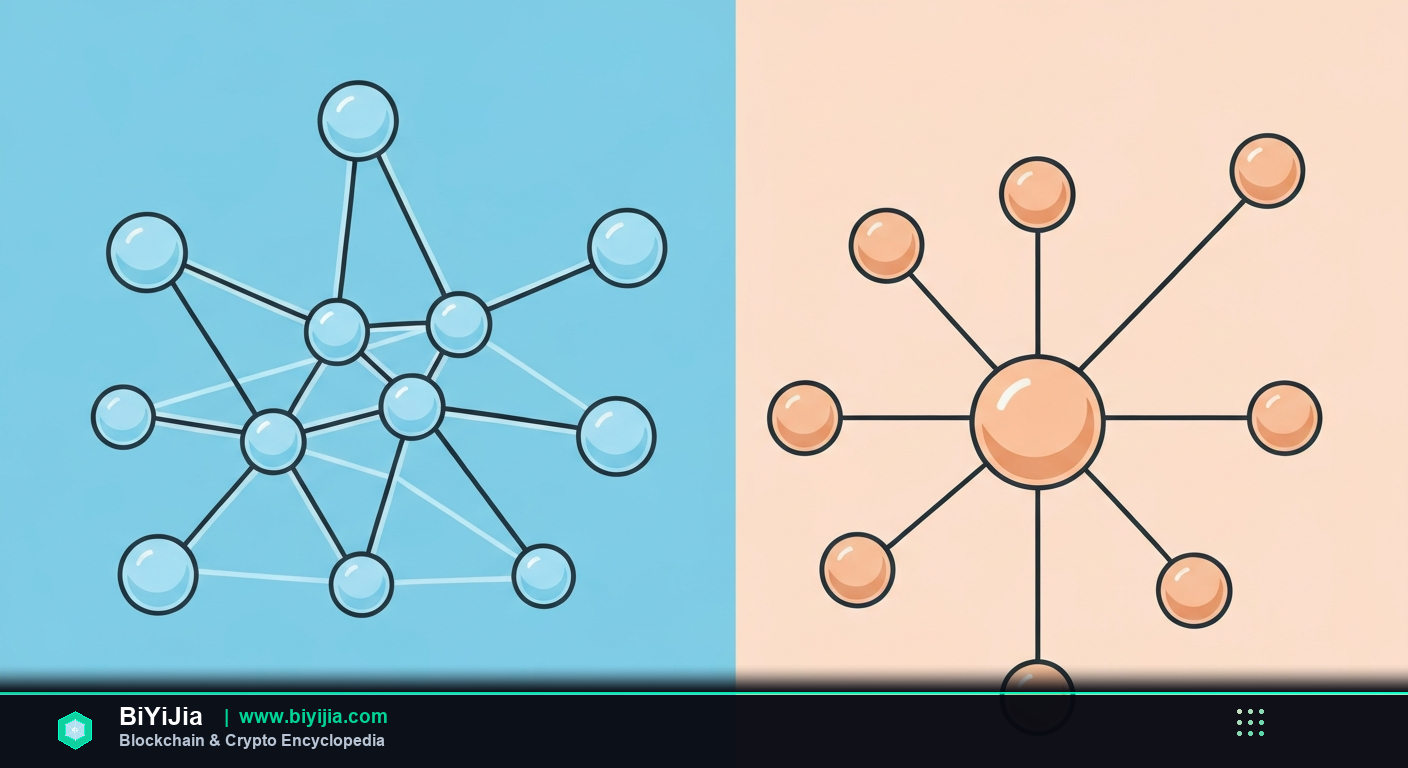
Decentralization refers to the distribution of authority and control across many independent nodes, eliminating a single point of failure and enabling trustless collaboration.
Key Takeaways
- Decentralization spreads decision‑making across a network rather than a central authority.
- Core features include redundancy, censorship resistance, and peer‑to‑peer interaction.
- Real‑world use cases range from blockchain payments to distributed file storage.
- Compared with centralized systems, decentralization trades speed for resilience and trustlessness.
- Risks involve coordination complexity, regulatory uncertainty, and potential for fragmented governance.
What Is Decentralization?
Decentralization is the architectural choice of giving many participants equal authority over a network.
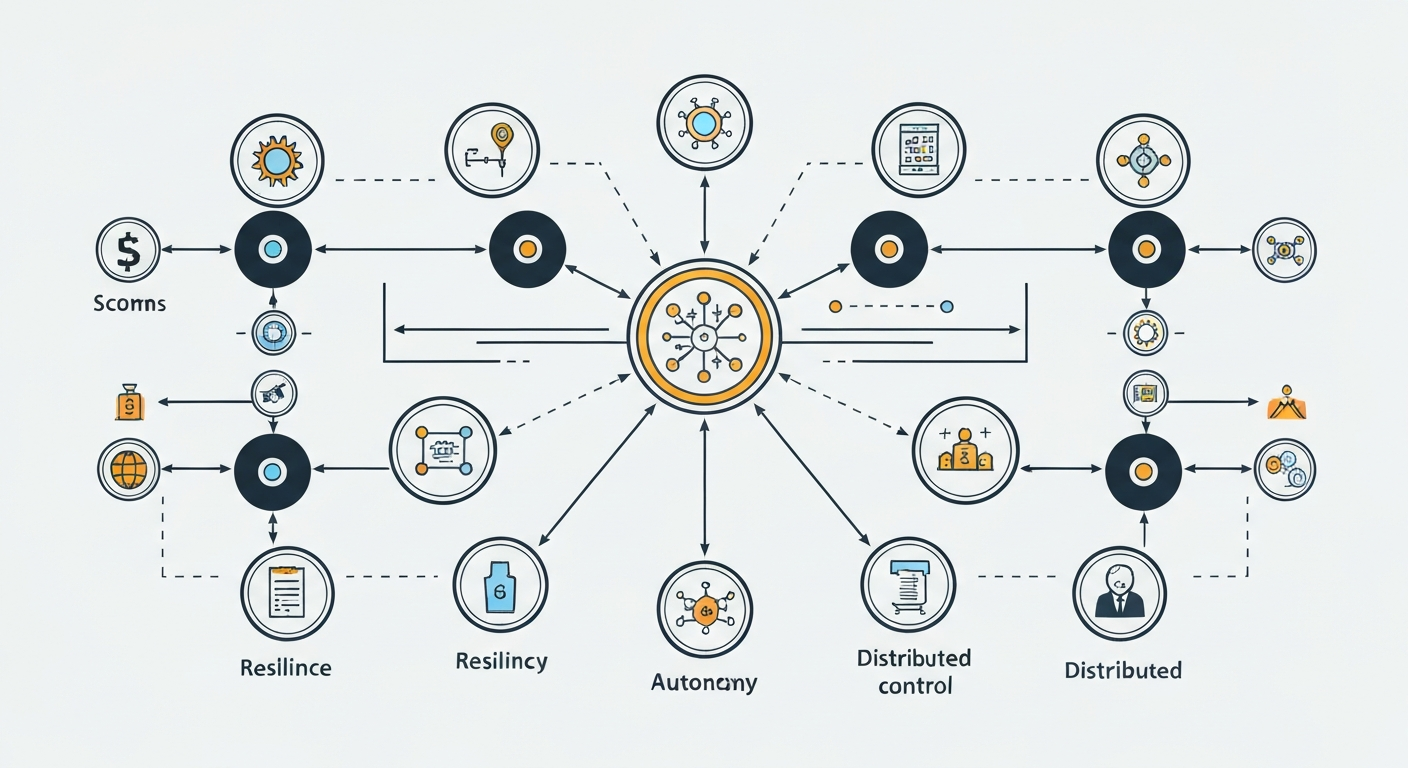
In technical terms, it means that no single server or entity holds the master copy of data; instead, each [internal link: Node] stores a piece of the ledger and validates transactions according to a shared protocol. The network reaches consensus through mechanisms like proof‑of‑work, proof‑of‑stake, or practical Byzantine fault tolerance, ensuring that the system stays operational even if some nodes go offline.
Think of a neighborhood potluck: instead of one person cooking everything, every household brings a dish. The meal is complete because everyone contributes, and if one kitchen burns out, the party still goes on.
How It Works
- Each participant runs a [internal link: Node] that holds a copy of the shared data.
- When a new transaction is proposed, nodes broadcast it to peers using a [internal link: P2P] protocol.
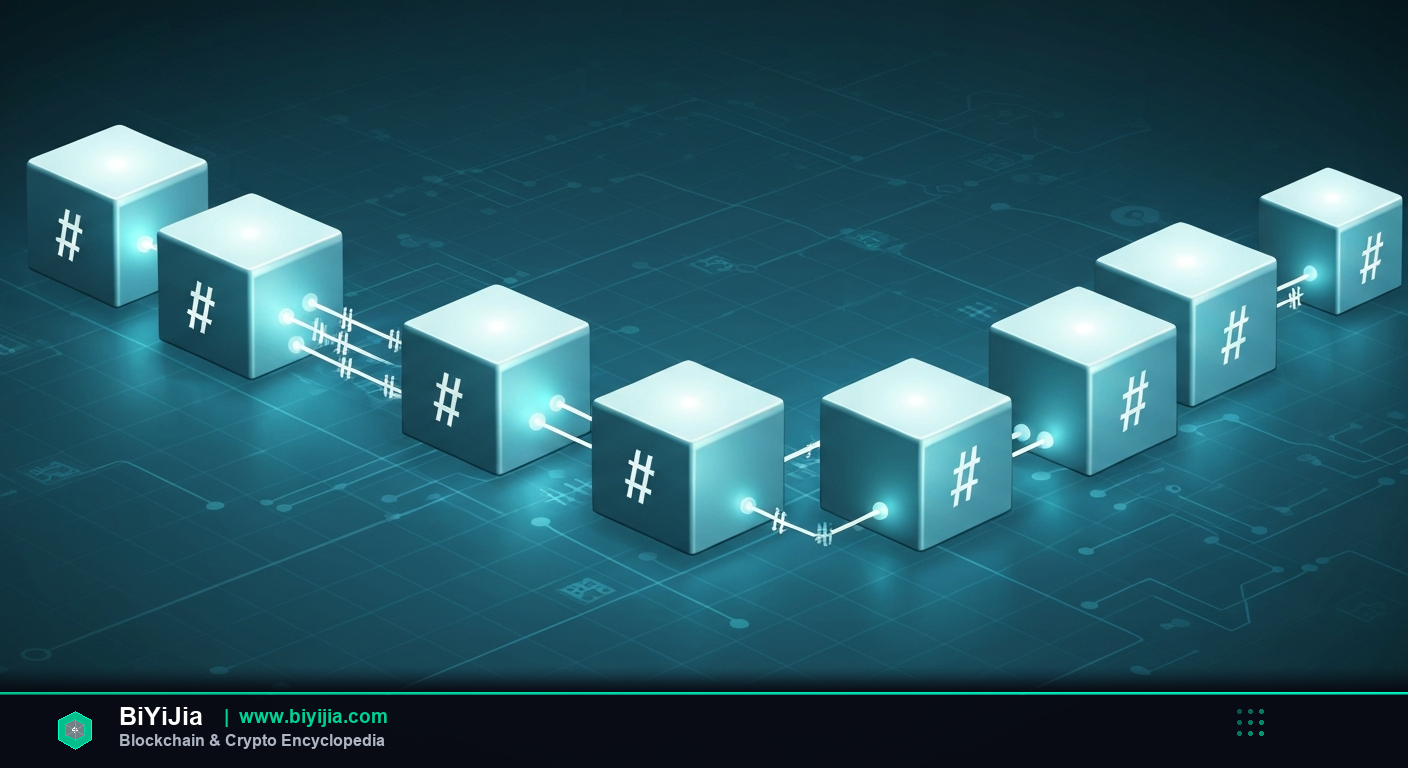
- Nodes verify the transaction against consensus rules; valid ones are grouped into a block.
- The block is added to the chain only after a majority of nodes reach agreement, preventing double‑spending or fraud.
- The updated chain propagates across the network, giving every node the same latest state.
Core Features
- Redundancy: Multiple copies of data exist, so loss of a single node doesn’t erase information.
- Censorship Resistance: No central gatekeeper can block transactions or content.
- Transparency: All participants can audit the ledger, fostering trust without a trusted third party.
- Scalability via Sharding: Some modern networks split data across shards, allowing parallel processing while keeping decentralization.
- Incentive Alignment: Validators earn rewards (e.g., native tokens) for honest behavior, aligning economic interests with network health.
Real-World Applications
- Ethereum: A programmable blockchain that powers DeFi, NFTs, and countless dApps; hosts over 18 million active addresses (Etherscan, 2026).
- Filecoin: Decentralized storage network where miners earn FIL for storing files; stores more than 30 EB of data as of Q1 2026 (Filecoin Foundation).
- IPFS: Peer‑to‑peer hypermedia protocol that enables content‑addressed file sharing without a central server.
- Polkadot: Heterogeneous multi‑chain framework that lets disparate blockchains interoperate while staying decentralized.
- Uniswap: Decentralized exchange (DEX) that runs on an automated market maker model, processing over $10 billion in daily volume (DefiLlama, 2026).
Comparison with Related Concepts
Decentralization vs Centralization: Centralized systems rely on a single authority for validation and data storage, offering speed but creating a single point of failure. Decentralized networks sacrifice some latency to gain resilience, transparency, and trustlessness.
Decentralization vs Distributed: A distributed system merely spreads components across multiple machines; it can still be controlled by a central coordinator. Decentralization adds governance diffusion—no single entity can dictate rules.
Decentralization vs P2P: Peer‑to‑peer describes the communication layer (direct node‑to‑node messaging). Decentralization is the broader design philosophy that often employs P2P as its transport.
Risks & Considerations
- Coordination Overhead: Reaching consensus across many nodes can be slower and more resource‑intensive than a single server.
- Regulatory Grey Areas: Decentralized services may fall outside existing legal frameworks, exposing users to compliance risk.
- Fragmented Governance: Divergent stakeholder interests can lead to hard forks or stalemates in protocol upgrades.
- Security Trade‑offs: While decentralization mitigates single‑point attacks, it introduces attack vectors like 51 % attacks if mining power concentrates.
- Usability Barriers: Managing private keys and understanding network fees can be daunting for newcomers.
Embedded Key Data
According to a 2026 report by the Blockchain Research Institute, over 65 % of global enterprises plan to adopt decentralized solutions within the next three years, up from 38 % in 2023.
The total market cap of decentralized finance (DeFi) protocols peaked at $120 billion in early 2025, representing a 45 % increase from the previous year (DeFi Pulse, 2026).
Frequently Asked Questions
What is decentralization in simple terms?
It’s the idea that no single entity controls the entire system; instead, many participants share authority, making the network more resilient and trustless.
Why does decentralization matter for finance?
Decentralized Finance (DeFi) removes banks from the middle, letting anyone with an internet connection lend, borrow, or trade assets directly on a blockchain, which reduces fees and opens access.
Can a decentralized network be completely trustless?
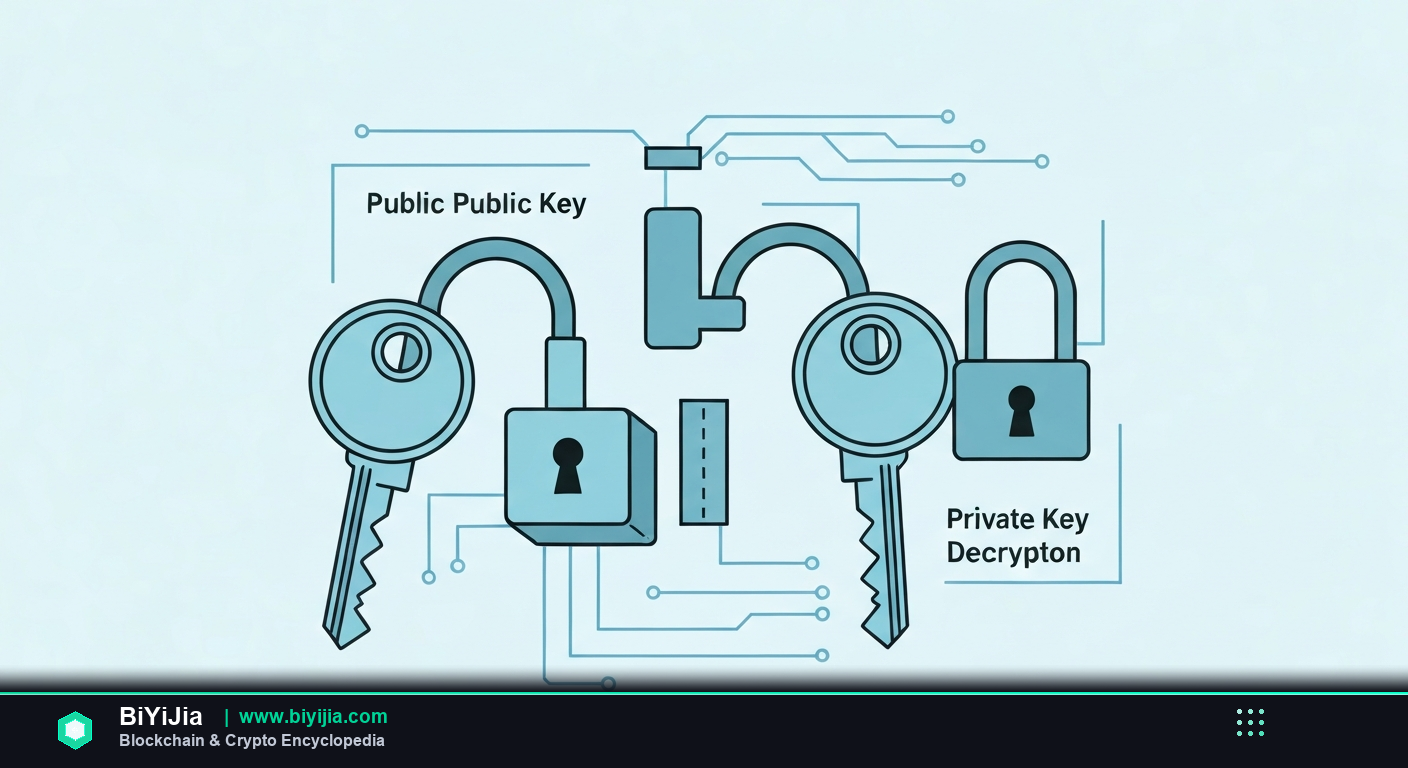
In practice, trust is shifted to code and cryptography. Users trust the protocol’s rules and the mathematics behind consensus rather than a central administrator.
How does decentralization affect transaction speed?
Because many nodes must agree on each transaction, latency is typically higher than in centralized services. Layer‑2 solutions and sharding are active research areas to mitigate this.
Is decentralization always better than centralization?
Not necessarily. For use cases that need ultra‑low latency or strict data control, a centralized approach may be more appropriate. The choice depends on the trade‑offs you’re willing to accept.
How can I start using decentralized applications?
Begin with a non‑custodial wallet like MetaMask, fund it with a small amount of native token, and explore reputable dApps such as Uniswap or Aave. Always verify contract addresses before interacting.
Summary
Decentralization spreads control across a network of independent nodes, fostering resilience, transparency, and censorship resistance. Understanding its mechanics and risks helps you navigate the evolving landscape of blockchain and related technologies. Explore related concepts like [internal link: P2P], [internal link: Node], and [internal link: Distributed] for a fuller picture.