
DPoS (Delegated Proof of Stake) is a blockchain consensus model that lets token holders vote for a small set of block producers who validate transactions and secure the chain.
Key Takeaways
- Definition: A voting‑based proof‑of‑stake system where a handful of delegates create blocks.
- Core features: High throughput, low latency, and on‑chain governance.
- Real‑world use: Powers EOS, TRON, and several high‑performance DeFi platforms.
- Comparison: Faster but more centralized than pure Proof of Work.
- Risk warning: Delegate collusion can undermine decentralization.
What Is DPoS (Delegated Proof of Stake)?
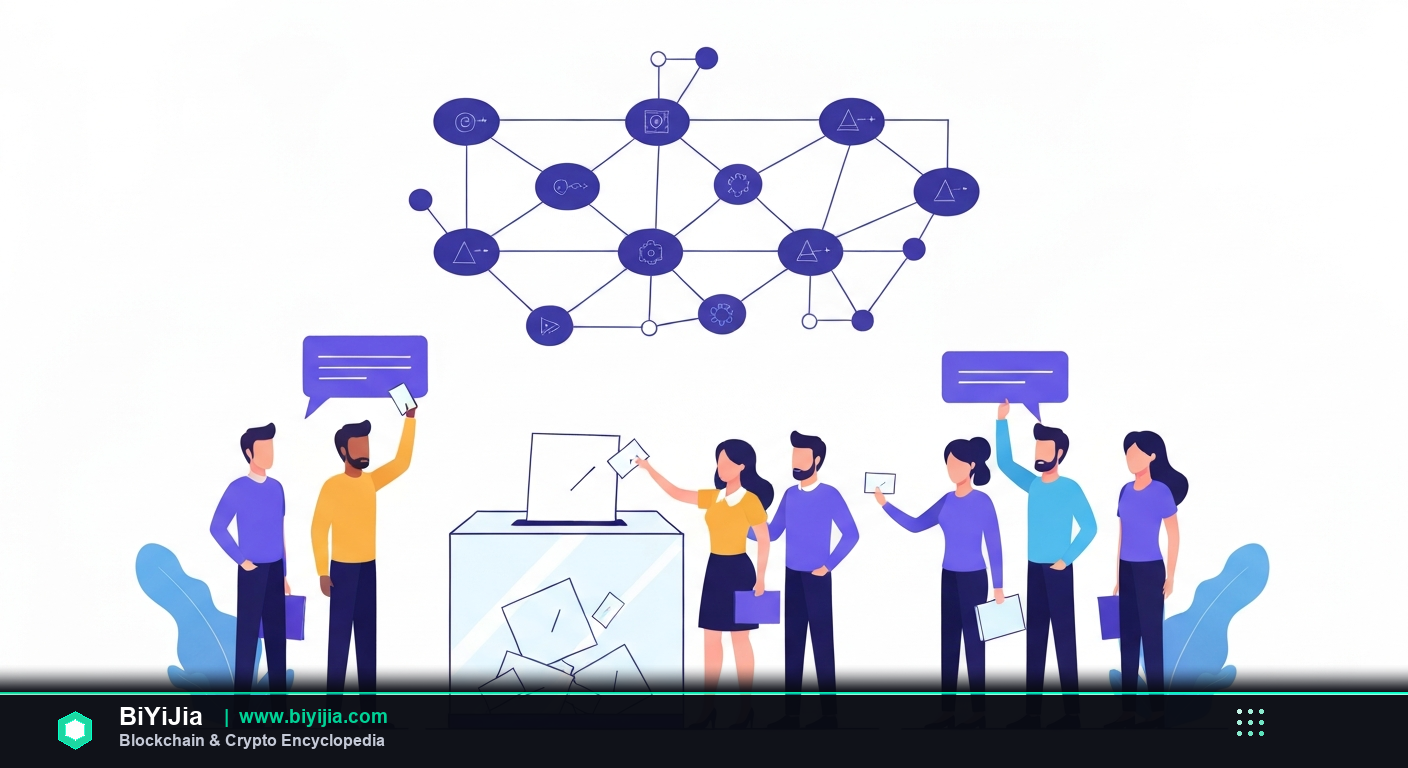
DPoS is a consensus algorithm where token holders elect a limited number of delegates to produce blocks on their behalf.
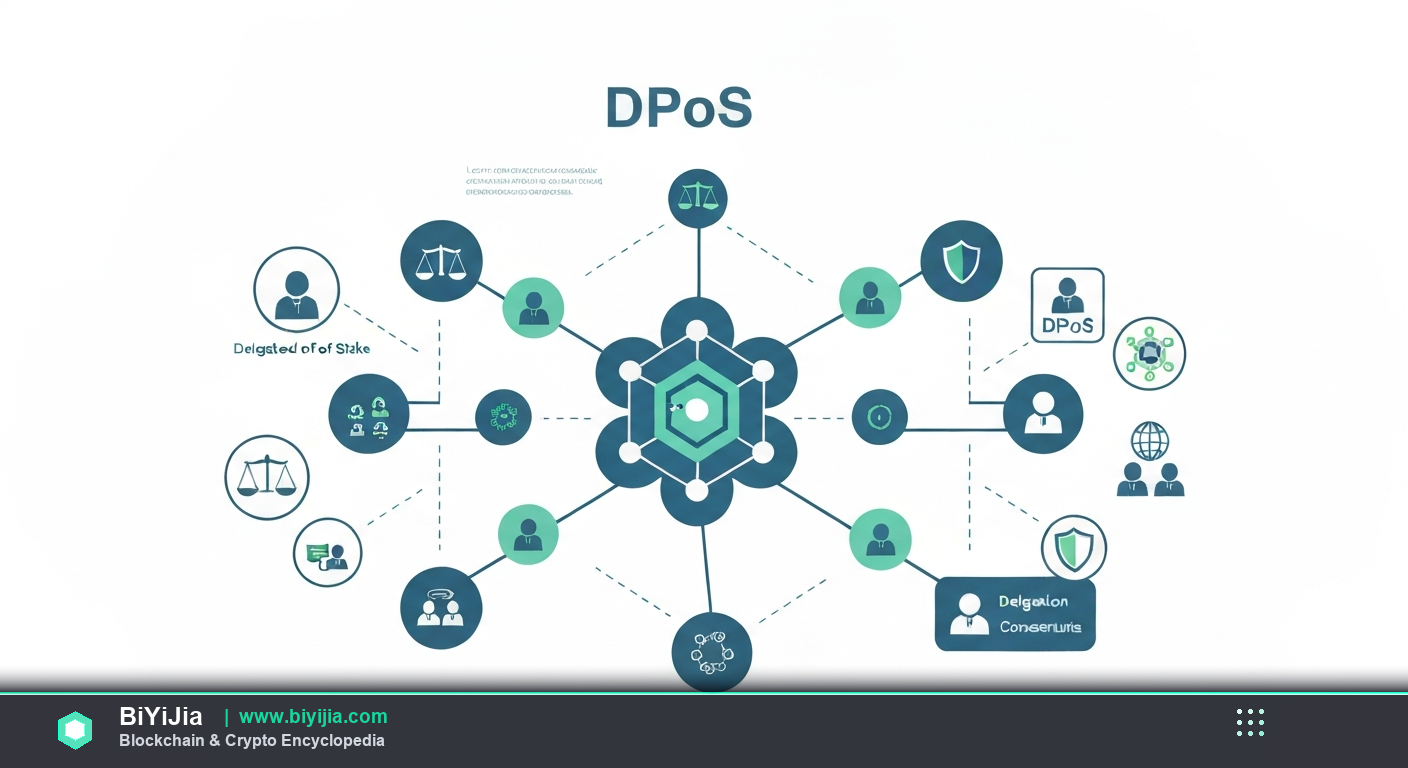
In practice, the network locks up stake as voting power. Holders use that power to choose a roster—usually 21 or fewer—of block producers. Those producers take turns creating blocks, earning rewards, and are penalized for misbehavior. The system relies on economic incentives and the ability to replace underperforming delegates through subsequent votes.
Think of DPoS like a homeowners association: each homeowner (token holder) votes for a board of directors (delegates) who manage shared resources (the blockchain). If the board slacks, the community can vote them out at the next election.
How It Works
- Stake holders lock tokens to gain voting weight.
- Every voting round, the community selects a set of delegates based on vote totals.
- Chosen delegates take turns producing blocks in a round‑robin fashion.
- Rewards are distributed to delegates and, optionally, shared with voters.
- If a delegate misbehaves, voters can reallocate their stake to a more trustworthy candidate.
Core Features
High Throughput: Because only a handful of nodes validate each block, DPoS chains can handle thousands of transactions per second.
Fast Finality: Block times are typically under one second, and finality is achieved after a few confirmations.
On‑Chain Governance: Voting power is built into the protocol, allowing seamless upgrades and parameter changes.
Reward Sharing: Many implementations let voters earn a slice of delegate rewards, aligning incentives.
Delegate Accountability: Delegates can be voted out, creating a market for reliable block producers.
Real‑World Applications
- EOS: Launched with a 21‑delegate model, processing up to 4,000 TPS in 2024 (EOSIO Whitepaper).
- TRON: Uses a 27‑super‑representative system, supporting popular dApps like JustSwap; daily active users exceeded 1.2 million in Q1 2026 (Tron Analytics).
- Steem: Powers social media content rewards; over 20 million posts were voted on in 2025 (SteemStats).
- Lattice (formerly LatticeX): A permissioned DPoS solution for enterprise supply‑chain tracking, handling 10,000 TPS with sub‑second latency (Lattice Whitepaper 2025).
- BitShares: Early DPoS adopter; still processes ~1,000 TPS for decentralized exchange operations (BitShares Report 2024).
Comparison with Related Concepts
DPoS vs PoW: PoW relies on computational work and typically secures thousands of nodes, leading to high energy use and slower block times. DPoS trades some decentralization for speed and efficiency.
DPoS vs Classic PoS: Classic PoS selects validators randomly based on stake, often resulting in many active validators and moderate throughput. DPoS concentrates validation into a few elected delegates, boosting performance but raising centralization concerns.
DPoS vs BFT (Byzantine Fault Tolerance): BFT protocols achieve finality in a few rounds among a fixed validator set, similar to DPoS block producers. However, BFT does not involve token‑holder voting; DPoS adds a governance layer on top of the validator set.
Risks & Considerations
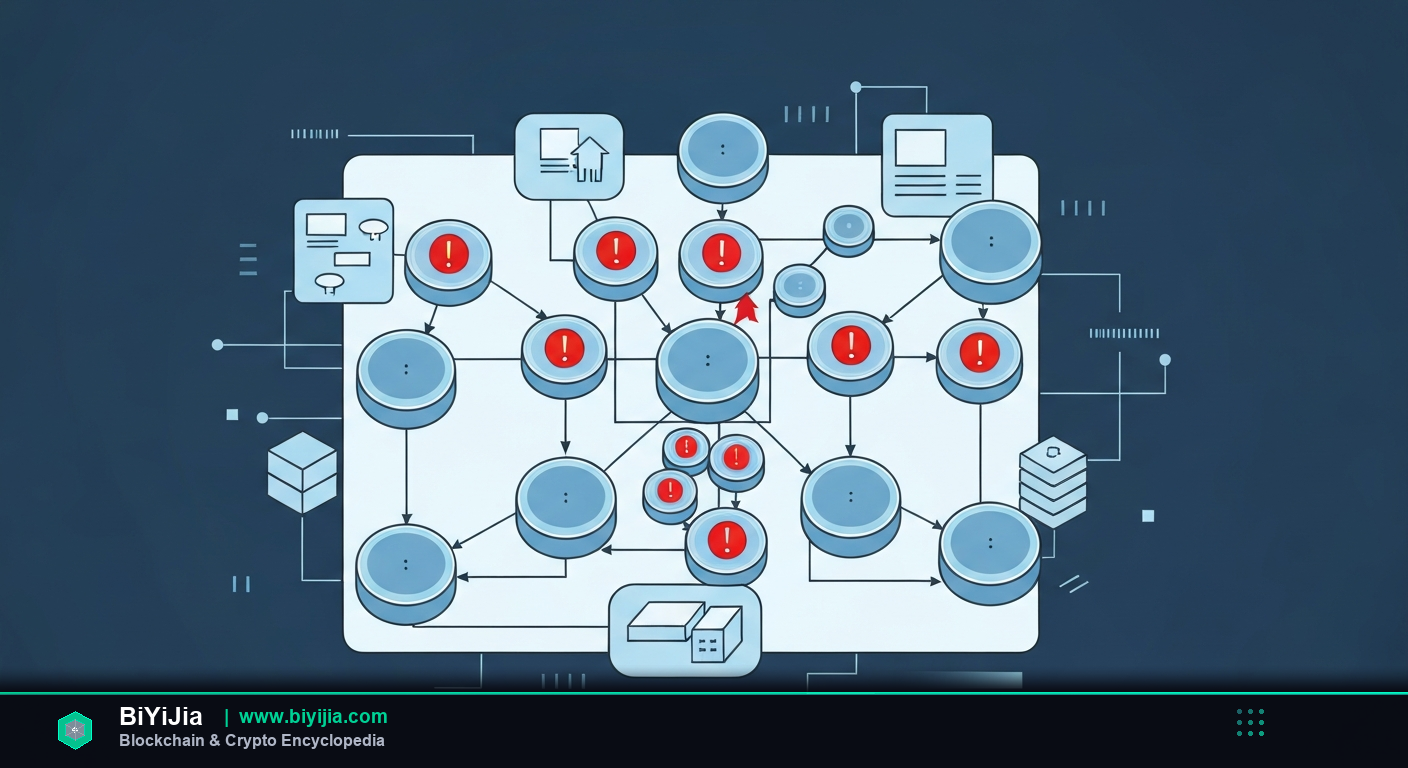
Centralization Risk: Concentrating block production into a small group can make the network vulnerable to collusion or takeover.
Voter Apathy: If token holders don’t actively vote, delegates may become entrenched, eroding accountability.
Delegate Misbehavior: Malicious or incompetent delegates can censor transactions or produce invalid blocks, though they can be replaced.
Stake Concentration: Large holders wield disproportionate voting power, potentially steering the network toward their interests.
Economic Attack Vectors: Buying enough stake to control a majority of votes (a "vote buying" attack) is costly but theoretically possible.
Embedded Key Data
According to the DPoS Performance Survey 2025, the average block production latency across top DPoS chains was 0.78 seconds, compared with 10‑12 seconds for leading PoW networks (source: CryptoMetrics 2025).
In 2024, EOS reported a cumulative transaction volume of 1.9 billion, surpassing many early PoW rivals (source: EOSIO Annual Report 2024).
Frequently Asked Questions
What is DPoS and how does it differ from regular Proof of Stake?
DPoS, or Delegated Proof of Stake, adds an on‑chain voting layer where token holders elect a fixed set of delegates to produce blocks. Regular PoS selects validators algorithmically based on stake without direct voting, resulting in a larger validator set and typically lower throughput.
How many delegates are typical for a DPoS network?
Most public DPoS chains cap the delegate count between 21 and 27, though some permissioned deployments use larger or dynamic sets. The exact number balances performance and decentralization.
Can I earn rewards as a regular token holder in a DPoS system?
Yes, many DPoS implementations share a portion of delegate rewards with voters. The exact split varies; EOS, for example, lets voters receive up to 5 % of a delegate’s block rewards.
Is DPoS secure enough for high‑value DeFi applications?
Security depends on active governance and a well‑distributed voting power. When the community engages, DPoS can provide fast finality suitable for DeFi, but poorly governed networks may face centralization‑related attacks.
How often can I change my delegate votes?
Vote changes are typically allowed at any time, but some chains impose a short cooldown (e.g., 24 hours) to prevent rapid churn that could destabilize block production.
What happens if a delegate goes offline?
The protocol automatically skips the offline delegate’s slot and moves to the next in line. Persistent downtime reduces the delegate’s reputation, leading voters to replace them in the next election.
Summary
DPoS (Delegated Proof of Stake) combines token‑holder voting with a small set of block producers to deliver high throughput and fast finality. While it sacrifices some decentralization, active governance can mitigate risks, making DPoS a strong choice for scalable applications like EOS, TRON, and emerging enterprise solutions. Understanding DPoS also sheds light on related concepts such as Voting, Delegates, and High Performance blockchain design.