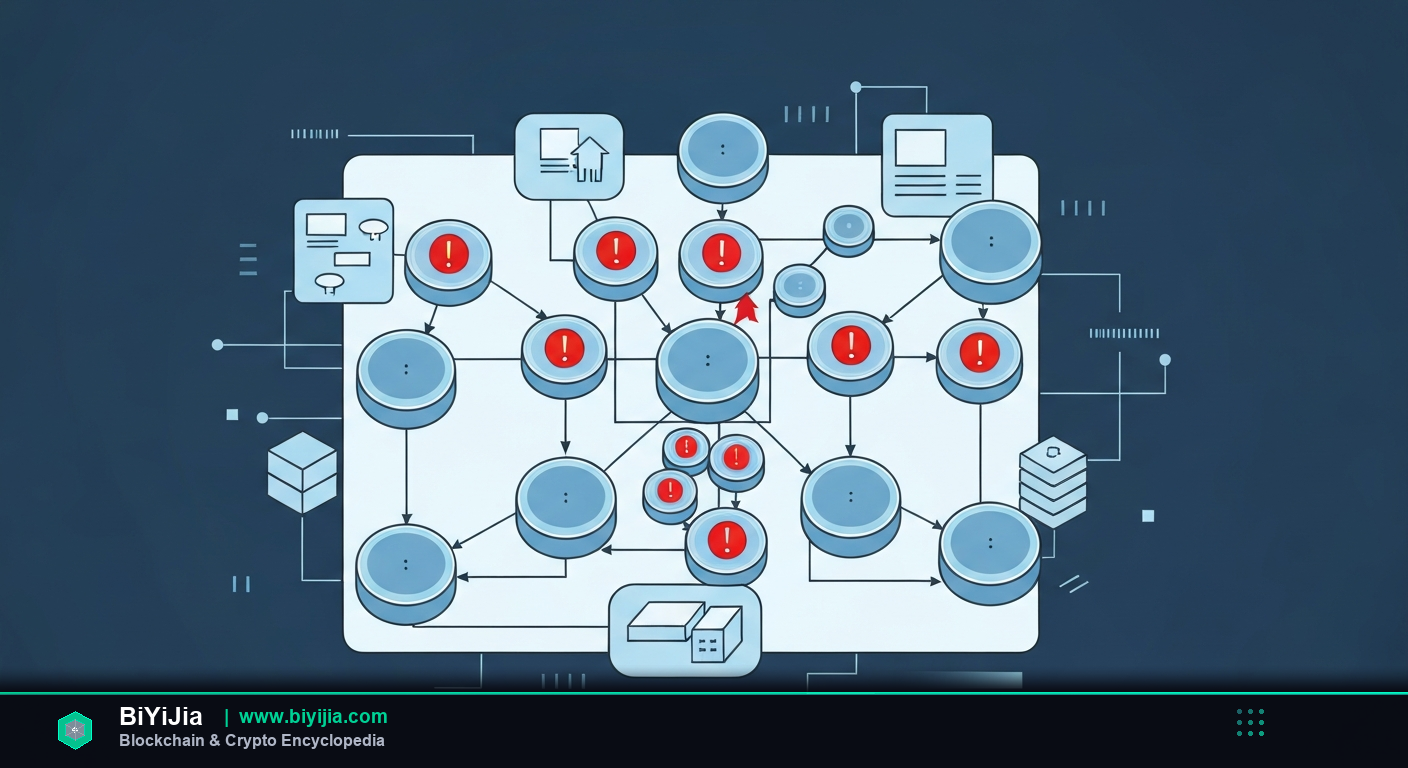

Key Takeaways
- Proof of Stake (PoS) lets token holders become validators by locking up assets.
- Core features include energy efficiency, slashing, and proportional rewards.
- Ethereum 2.0 and dozens of Layer‑1s already run on PoS, powering real‑world DeFi and NFTs.
- Compared with Proof of Work, PoS cuts energy use by >99% but introduces new validator‑related risks.
- Stakers must stay vigilant about slashing, liquidity lock‑up, and protocol upgrades.
What Is Proof of Stake (PoS)?
Proof of Stake (PoS) is a blockchain consensus method where participants lock up tokens to earn the right to validate transactions.
In simpler terms, the network selects validators based on the amount of cryptocurrency they stake, their "age" (how long it’s been staked), and randomization. The more you stake, the higher your odds of being chosen to propose a new block, and you earn a reward proportional to your contribution. Unlike mining, there’s no race to solve cryptographic puzzles; instead, security comes from economic penalties (slashing) that deter malicious behavior.
Imagine a community garden where each plot owner plants seeds (their stake) and gets to decide which vegetables go into the shared basket. The bigger the plot, the more influence you have, but if you try to cheat—say, by stealing from the basket—you lose your seeds.
How It Works
- Stake your tokens: Participants lock a predefined amount of the native cryptocurrency into a smart contract, signaling commitment to the network.
- Validator selection: The protocol runs a pseudo‑random algorithm that weighs stake size, time, and sometimes reputation to pick a validator for the next block.
- Block proposal and attestation: The chosen validator creates a new block and broadcasts it. Other validators "attest" (vote) that the block is valid.
- Reward distribution: Once a block reaches finality, the proposer and the attesters receive newly minted tokens plus transaction fees, split according to their stake.
- Slashing and exit: If a validator behaves badly—double‑signs, stays offline, or tries to attack—they lose a portion of their stake. Honest validators can withdraw their stake after a cooldown period.
Core Features
Energy Efficient: PoS replaces power‑intensive mining with staking, cutting electricity use by over 99% (Ethereum Foundation, 2023).
Economic Security: Misbehaving validators risk losing their locked tokens, aligning incentives with network health.
Scalability: Without the need for massive hash power, PoS chains can process more transactions per second and support sharding.
Liquidity Options: Many platforms now offer liquid staking, letting users earn rewards while keeping their assets tradable.
Decentralization Potential: Lower entry barriers enable a broader set of participants to become validators, spreading control.
Dynamic Rewards: Reward rates adjust based on total stake and network performance, keeping incentives balanced.
Real-World Applications
- Ethereum 2.0: The biggest PoS migration, securing over 200 million ETH (≈45% of supply) as of Q4 2025 (StakingStats.io).
- Cardano: Uses a treasury‑driven PoS model; over 70% of ADA is staked, supporting DeFi, NFTs, and identity projects.
- Solana: Combines PoS with Proof of History, processing 65,000 TPS while offering staking rewards around 6% APR.
- Polkadot: Relies on nominated PoS; DOT holders nominate validators, enabling cross‑chain interoperability.
- Algorand: Pure PoS with instant finality; more than 10 billion ALGO are actively staked for decentralized finance applications.
Comparison with Related Concepts
PoS vs Proof of Work: PoS swaps computational puzzles for economic stake, dramatically lowering energy consumption while introducing slashing risk.
Staking vs Mining: Staking rewards come from protocol inflation and fees; mining rewards come from block rewards and transaction fees but require specialized hardware.
Validator vs Node Operator: All validators are nodes, but not every node operator validates; some run full nodes solely for network health.
Ethereum 2.0 vs Legacy Ethereum: Ethereum 2.0 transitioned from PoW to PoS, improving scalability and sustainability.
Risks & Considerations
Slashing Penalties: Misbehavior or prolonged downtime can lead to loss of a portion of your staked assets.
Liquidity Lock‑up: Some PoS designs require a cooldown period (e.g., 7‑21 days) before you can withdraw, limiting rapid market moves.
Centralization Threat: Large token holders can dominate validator sets, potentially undermining decentralization.
Protocol Bugs: Software vulnerabilities in the staking contract could expose funds to exploits.
Market Volatility: While you earn rewards, the underlying token price can swing, affecting net returns.
Embedded Key Data
According to the Ethereum Foundation, Proof of Stake reduced the network’s energy consumption by 99.95% compared with its Proof of Work predecessor in 2023.
By the end of 2025, more than 200 million ETH were locked in staking contracts, representing roughly 45% of the total ETH supply (source: StakingStats.io).
Frequently Asked Questions
What is proof of stake and how does it differ from proof of work?
Proof of Stake secures a blockchain by requiring participants to lock up tokens as collateral, whereas Proof of Work relies on solving energy‑intensive puzzles. PoS rewards are earned through staking, and validators are chosen based on stake size and randomness, not hash power.
How do I start proof of stake staking?
First, acquire the native token of a PoS network, then transfer it to the protocol’s staking contract or use a staking service. Follow the network’s minimum stake requirement, set up a validator node or delegate to an existing validator, and keep your node online to avoid slashing.
Is proof of stake safer than proof of work?
Safety is a different kind of guarantee. PoS eliminates the risk of 51% attacks via massive hardware costs, but it introduces economic risks like slashing and concentration of stake. In practice, many PoS chains have demonstrated strong security, especially after years of live operation.
Can I earn passive income with proof of stake?
Yes. By staking your tokens you receive regular rewards, often expressed as an annual percentage yield (APY). Yield rates vary by network, total stake, and inflation schedule, but many platforms offer double‑digit returns when market conditions are favorable.
What happens if my validator goes offline?
Offline validators miss out on rewards and may incur a small penalty. Repeated downtime can trigger slashing, where a portion of the staked amount is burned. Most networks impose a grace period before penalties kick in.
Summary
Proof of Stake (PoS) replaces energy‑hungry mining with token‑based voting, allowing anyone to secure a blockchain by locking up assets. Its rise across Ethereum 2.0, Cardano, Solana, and others marks a shift toward greener, more scalable decentralized finance, while staking, validator duties, and risk management remain essential considerations.