
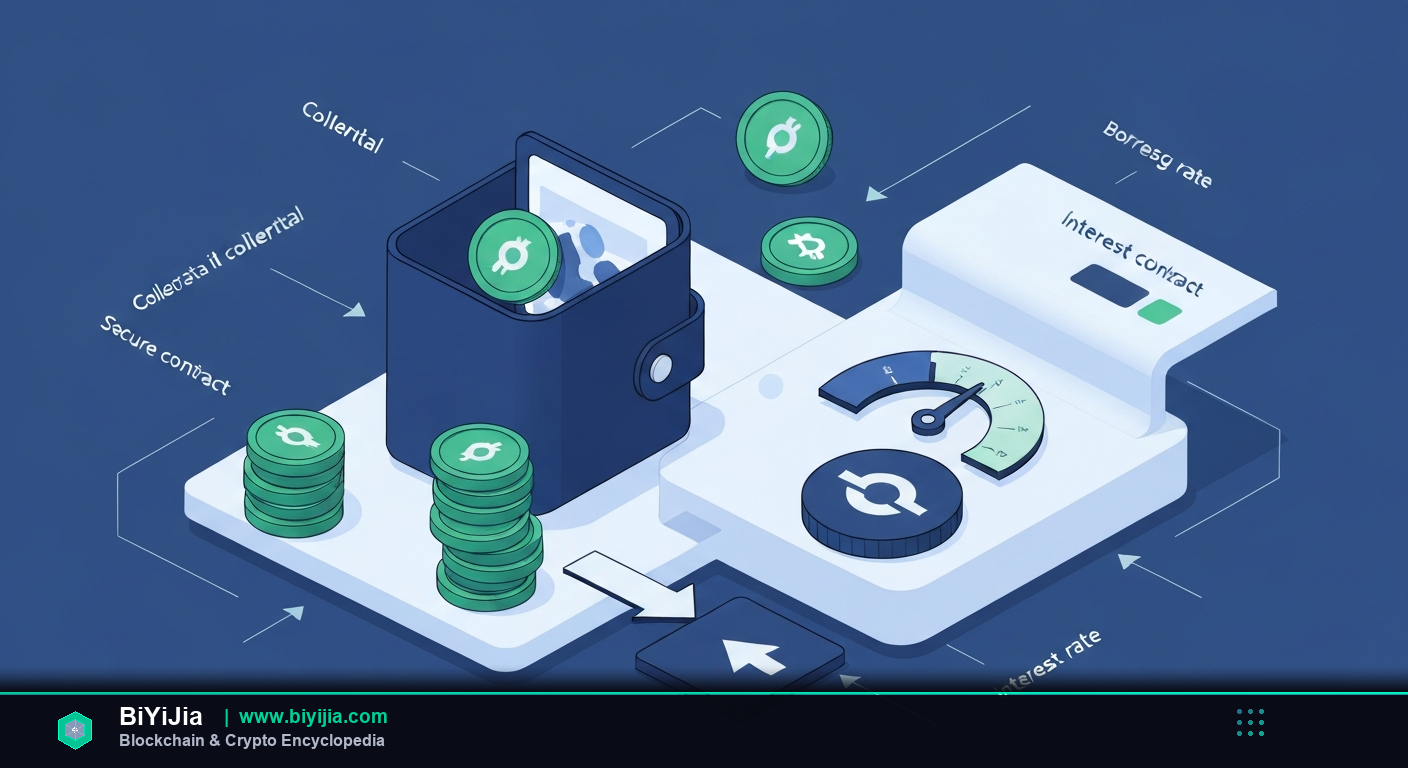
Lending Protocol is a set of smart contracts that let users lend and borrow crypto assets in a trustless, over‑collateralized manner, powering the crypto lending ecosystem.
Key Takeaways
- Decentralized code defines who can lend, borrow, and earn interest without a bank.
- Core features include over‑collateralization, algorithmic interest rates, and automated liquidation.
- Platforms like Aave and Compound handle billions of dollars in daily crypto lending.
- Compared to traditional loans, these protocols cut out intermediaries but expose users to smart‑contract risk.
- Liquidity risk, price volatility, and governance attacks are the main warnings.
What Is Lending Protocol?
A Lending Protocol is a collection of smart contracts that enable users to lend and borrow crypto assets without a centralized intermediary.
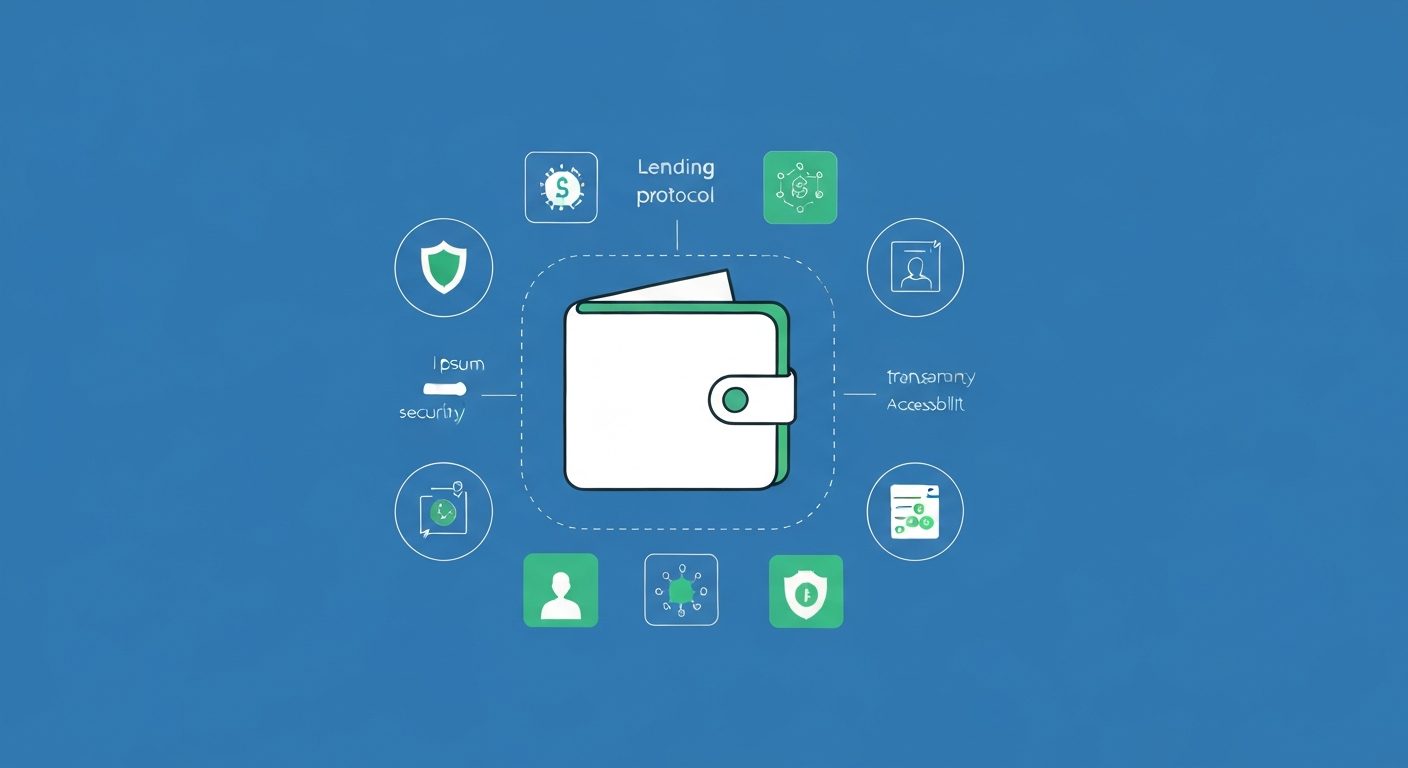
Under the hood, the protocol locks up collateral, calculates interest rates algorithmically, and monitors price feeds to trigger liquidations when necessary. It operates entirely on-chain, meaning every transaction is transparent, immutable, and enforceable by code.
Think of it like a digital pawn shop: you hand over a valuable token, the system issues you a loan in another token, and if the value of your pawned item drops too far, the shop automatically sells it to cover the debt.
How It Works
- Deposit collateral: A user supplies crypto (e.g., ETH) to a smart contract, which records the amount and marks it as collateral.
- Borrow against collateral: The protocol determines a borrowing power based on the collateral's market price and a safety factor, then lets the user draw a loan in another asset (e.g., USDC).
- Interest accrues: An algorithm updates the debt balance each block, reflecting supply and demand dynamics across the platform.
- Monitoring & liquidation: Real‑time price oracles feed data; if collateral value falls below the liquidation threshold, the contract sells enough collateral to repay the loan.
- Repayment & withdrawal: The borrower returns the principal plus accrued interest, unlocking the original collateral for withdrawal.
Core Features
- Over‑Collateralized: Users must lock assets worth more than the loan, typically 150%–200% of the borrowed amount, to guard against volatility.
- Algorithmic Interest Rates: Rates adjust automatically based on utilization ratios, encouraging liquidity provision when demand spikes.
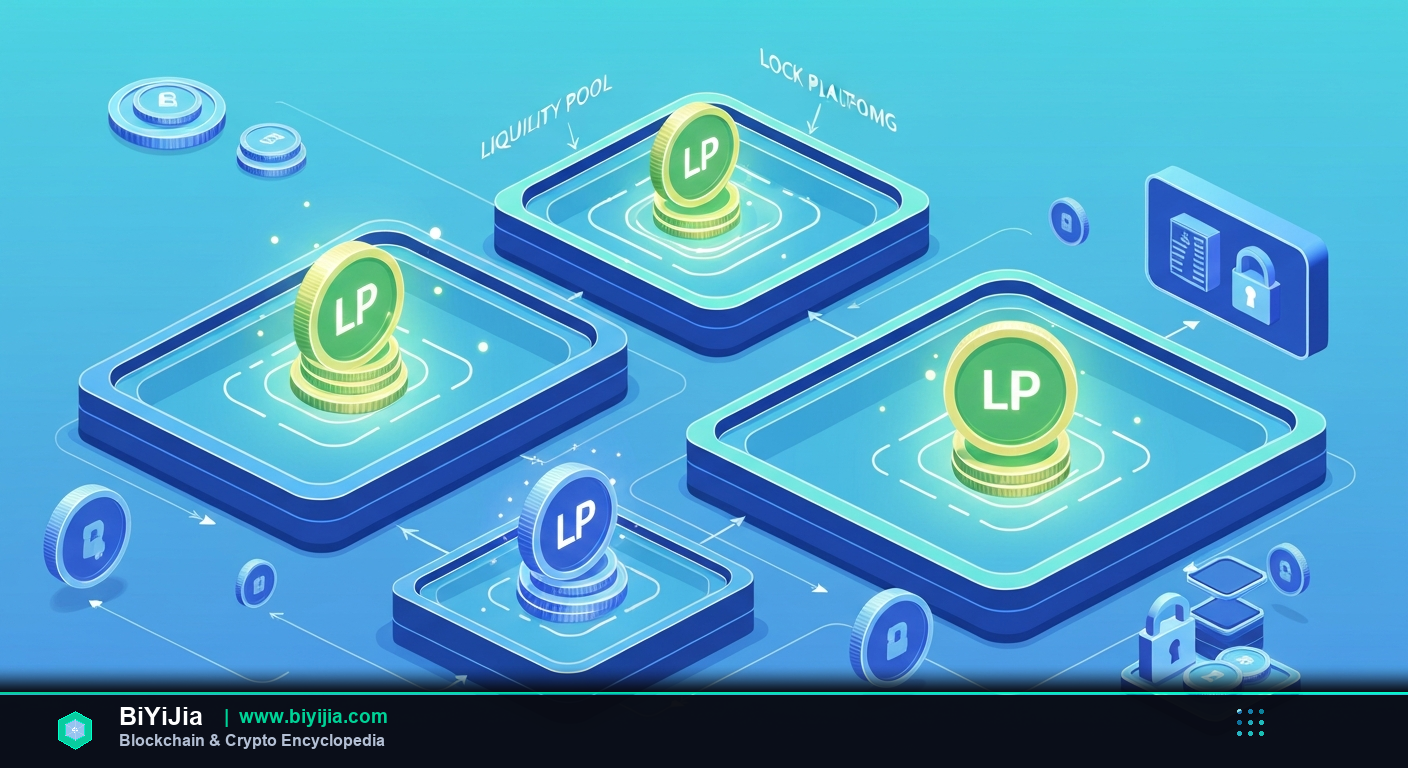
- Liquidity Pools: Lenders supply assets to a pool that borrowers draw from, earning proportional interest.
- Automated Liquidation: Smart contracts enforce liquidation without human intervention, preserving solvency.
- Governance Tokens: Many protocols issue tokens (e.g., AAVE, COMP) that let holders vote on risk parameters and fee structures.
- Composable Architecture: Protocols can be integrated into other DeFi apps, enabling yield farming, collateral swaps, and more.
Real-World Applications
- Aave: A leading lending market with over $22 billion locked in assets as of Q2 2026, offering flash loans and rate‑switching.
- Compound: One of the first DeFi lenders, powering $18 billion in total value locked and pioneering governance via COMP tokens.
- Venus: The flagship Binance Smart Chain lender, supporting $5 billion in locked collateral and enabling low‑fee borrowing for BSC users.
- Solend: Solana‑based protocol handling $3 billion in TVL, known for its high‑throughput, low‑cost lending services.
Comparison with Related Concepts
Lending Protocol vs Centralized Lending: Traditional banks require credit checks and hold custody of funds, whereas lending protocols rely on code‑enforced collateral and keep assets in users' wallets.
Over‑Collateralized vs Under‑Collateralized: Over‑collateralized models protect lenders from price swings, while under‑collateralized solutions (like some credit‑score‑based DeFi loans) introduce higher default risk.
Risks & Considerations
- Smart‑Contract Vulnerability: Bugs or exploits can drain pools; audits reduce but don’t eliminate this risk.
- Oracle Manipulation: If price feeds are compromised, liquidations may trigger unfairly, harming borrowers.
- Liquidity Shortfall: During market crashes, borrowers may be unable to repay, and lenders could face delayed withdrawals.
- Governance Attack: Malicious token holders could alter risk parameters, exposing the system to higher losses.
- Regulatory Uncertainty: Some jurisdictions may classify crypto loans as securities, affecting user access.
In Q1 2026, total value locked across DeFi lending protocols surpassed $45 billion, according to DeFi Pulse, marking a 30% increase year‑over‑year.
Meanwhile, a recent audit by PeckShield found that 12% of top‑10 lending contracts contained at least one high‑severity vulnerability, underscoring the importance of diligent code review.
Frequently Asked Questions
What is a DeFi lending protocol?
A DeFi lending protocol is a blockchain‑based system that lets users supply assets to earn interest or borrow against collateral, all governed by smart contracts without a central authority.
How does crypto lending differ from traditional bank loans?
Crypto lending removes credit checks and intermediaries, relying instead on over‑collateralization and algorithmic rates, which can be faster and more accessible but also expose users to smart‑contract risk.
Can I lose my collateral in a lending protocol?
Yes. If the value of your collateral falls below the liquidation threshold, the protocol automatically sells enough to cover the debt, potentially leaving you with less or no collateral.
Do I need to hold the protocol’s governance token to lend?
No. Lending is open to anyone with a compatible wallet. Governance tokens merely give holders voting rights on protocol upgrades and fee structures.
What are flash loans?
Flash loans are uncollateralized loans that must be repaid within the same transaction block. They enable arbitrage, collateral swaps, and other advanced strategies, but require sophisticated coding.
Summary
Lending Protocols are the backbone of crypto lending, providing over‑collateralized, algorithmic, and permissionless borrowing and lending services. As the sector grows, understanding their mechanics, benefits, and risks is essential for anyone navigating decentralized finance.
Explore related concepts like Aave, Compound, Over‑Collateralized, and Liquidation to deepen your DeFi knowledge.