
Key Takeaways
- Liquidation is the forced conversion of collateral into cash or stablecoins when a loan becomes under‑collateralized.
- It relies on a Collateral Ratio, a Liquidation Threshold and automated smart contracts.
- Platforms like Aave, Compound and Maker use liquidation to keep their Lending pools solvent.
- Unlike traditional margin calls, crypto liquidation happens instantly on‑chain, often at a discount.
- Borrowers risk losing assets and may incur additional penalties if price slippage is severe.
What Is Liquidation?
Liquidation is the process where a DeFi protocol automatically sells a borrower’s crypto collateral because its value dropped below the required safety level.
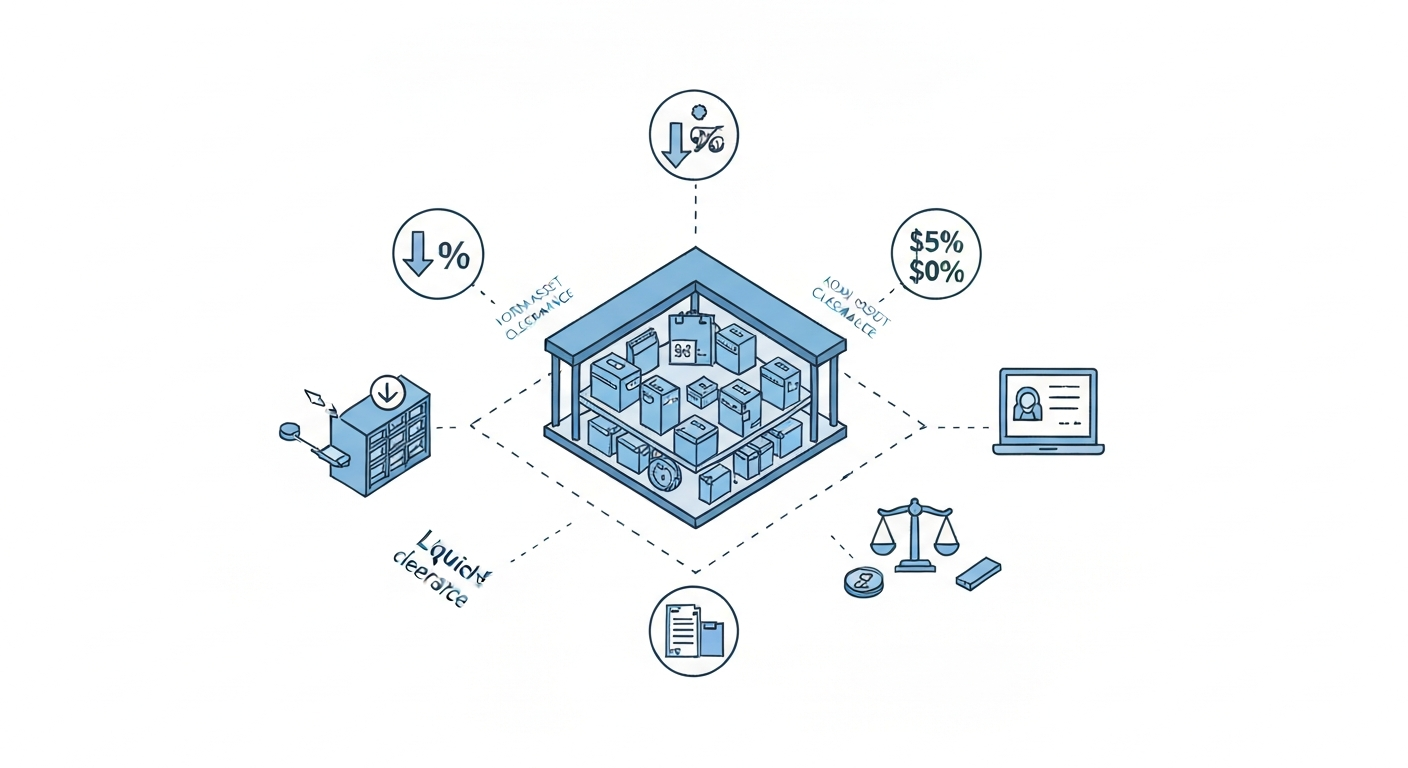
In practice, each loan has a Collateral Ratio – the amount of collateral you must keep relative to the borrowed amount. When market prices tumble, smart contracts compare the current ratio against the Liquidation Threshold. If the ratio falls short, the contract triggers a liquidation event, swapping the collateral for a stable asset to repay the debt.
Think of it like a pawn shop: you hand over an item, the shop holds it as security, and if you fail to pay back, they sell the item to recoup the loan. In DeFi, the pawn shop is a set of immutable code, and the sale happens in seconds.
How It Works
- Borrower deposits crypto as collateral and takes out a loan in another token.
- Smart contract continuously monitors the market price of the collateral.
- When the price drops and the Collateral Ratio slips below the Liquidation Threshold, the contract flags the position.
- Authorized liquidators (or bots) submit a transaction offering to buy the collateral at a discount, usually 5‑10% below market.
- The sold collateral is used to repay the loan plus any fees, and any leftover goes back to the borrower.
Core Features
- Automated Execution: No human intervention; smart contracts enforce rules instantly.
- Discounted Sale Price: Liquidators receive collateral at a pre‑defined discount to incentivize quick action.
- Partial vs. Full Liquidation: Some protocols liquidate only enough to restore the required ratio, preserving borrower assets.
- Grace Periods: A short window (often a few minutes) may allow borrowers to add more collateral before liquidation proceeds.
- Fee Structure: Liquidators earn a bounty, while borrowers may pay a penalty fee that goes to the protocol’s insurance fund.
- Oracle Dependence: Price feeds from decentralized oracles determine when thresholds are breached.
Real-World Applications
- Aave – Offers over $30 billion in total value locked (TVL) and automatically liquidates under‑collateralized loans using a 80% Collateral Ratio.
- Compound – Uses a 75% Liquidation Threshold; in Q4 2024 it processed $1.8 billion worth of collateral liquidation events.
- MakerDAO – Its DAI stablecoin system triggers collateral liquidation when the value of deposited ETH falls below a 150% Collateral Ratio.
- Instadapp – Provides a dashboard where users can monitor liquidation risk across multiple DeFi platforms in real time.
- DyDx – A margin‑trading platform where crypto liquidation occurs when a trader’s Position Ratio drops below 20%.
Comparison with Related Concepts
Liquidation vs. Margin Call: A margin call is a warning that gives the trader a chance to add funds before assets are sold, whereas liquidation in DeFi is an immediate, code‑driven sale once the threshold is crossed.
Liquidation vs. Collateral Ratio: The Collateral Ratio is a static safety metric, while liquidation is the dynamic enforcement mechanism that reacts when that metric is breached.
Liquidation vs. Liquidation Threshold: The Threshold defines the exact point at which liquidation triggers; the act of liquidation is the subsequent forced sale.
Risks & Considerations
- Price Volatility: Sudden crashes can cause liquidation before borrowers have time to react.
- Oracle Manipulation: If a price feed is compromised, false liquidation events may occur.
- Liquidation Bounty Drain: High bounty rates can erode borrower returns over time.
- Partial Liquidation Losses: Even partial liquidations may force borrowers to sell assets at a discount, reducing overall portfolio value.
- Systemic Risk: Cascading liquidations across platforms can amplify market downturns.
In Q2 2025, DeFi platforms liquidated $3.2 billion worth of crypto, according to DeFi Pulse, highlighting how widespread the process has become. Aave’s liquidation events rose 27% year‑over‑year in 2024, as reported by Dune Analytics, underscoring the growing importance of risk monitoring.
Frequently Asked Questions
What triggers a crypto liquidation?
A liquidation is triggered when the value of your collateral falls enough to breach the Liquidation Threshold set by the protocol. This is calculated using the current market price from decentralized oracles and your loan’s Collateral Ratio.
Can I avoid liquidation by adding more collateral?
Yes. Most platforms offer a short grace period where you can deposit additional assets to raise the Collateral Ratio back above the threshold, thereby stopping the liquidation process.
Do liquidators profit from each liquidation?
Liquidators receive the discounted collateral plus a bounty fee paid by the borrower. This incentive makes it profitable for bots and traders to monitor under‑collateralized positions.
How does liquidation differ between Aave and Compound?
Aave typically uses a higher Collateral Ratio (around 80%) and offers partial liquidations, while Compound often liquidates the entire position once the threshold of 75% is crossed. The fee structures also vary, with Aave paying larger liquidator bonuses.
Is there any insurance against liquidation losses?
Some protocols maintain a safety fund that covers a portion of liquidation penalties, but coverage is limited and often only applies to extreme events. Users should still manage risk through diversification and monitoring.
Summary
Liquidation is the automated, on‑chain sale of crypto collateral when a loan’s safety metrics fall below required levels, protecting lenders and keeping DeFi ecosystems solvent. Understanding related concepts like Collateral Ratio and Liquidation Threshold helps you navigate risk and avoid costly forced sales.