

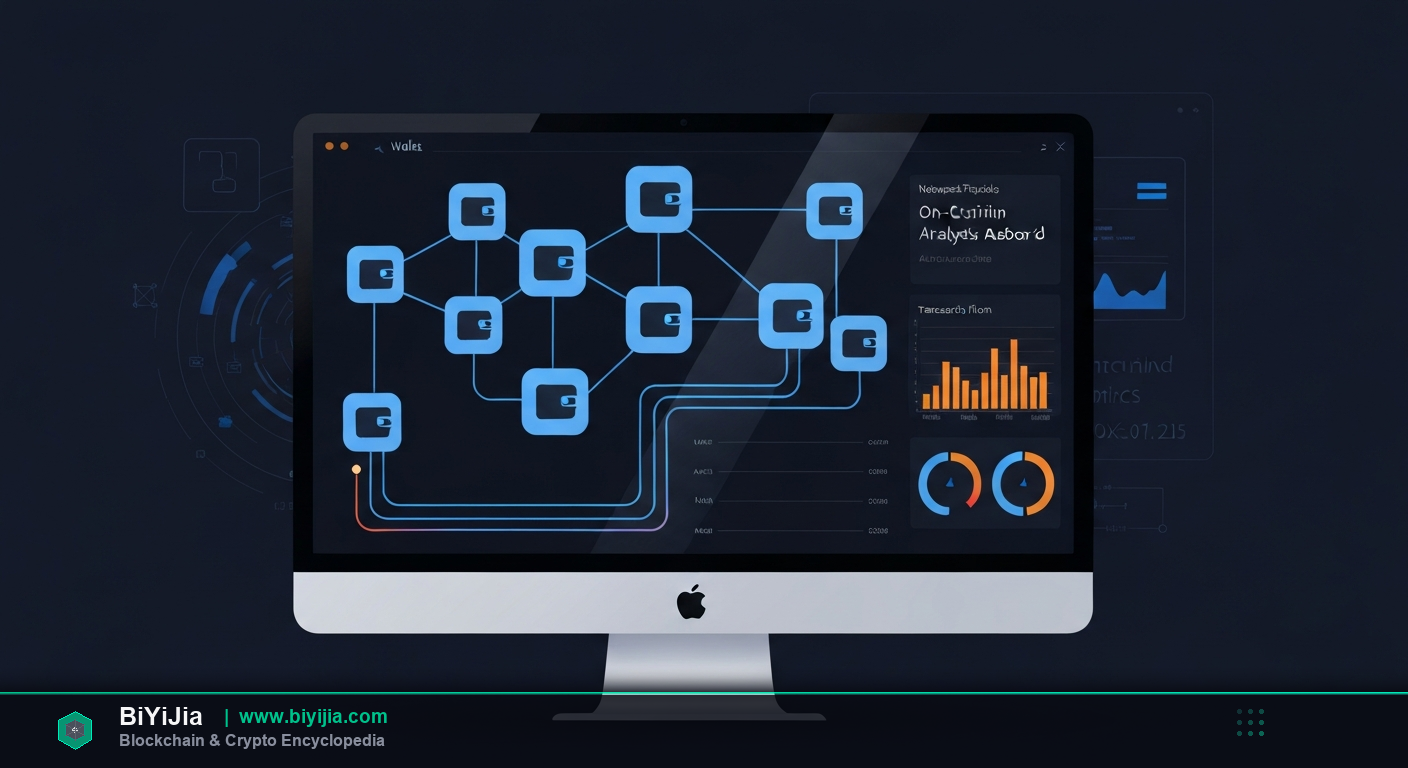
On-Chain Analysis is the systematic examination of blockchain transaction data to uncover market trends, user behavior, and network health.
Key Takeaways
- One-line definition: On-chain analysis extracts actionable insights from raw on-chain data.
- Core features include address tracking, metric aggregation, and real-time dashboards.
- Real-world application: Traders use it to time entry and exit points in Decentralized Finance (DeFi) markets.
- Compared to traditional financial analysis, on-chain data is transparent, immutable, and publicly accessible.
- Risk warning: Misinterpreting noisy data can lead to costly trading mistakes.
What Is On-Chain Analysis?
On-chain analysis answers the question "what is on-chain analysis" by describing the practice of reading and interpreting blockchain transaction records.
At its core, the method pulls data directly from the ledger—every address, token transfer, and smart‑contract call—and then cleans, normalizes, and visualizes it. Think of the blockchain as a public spreadsheet; analysts apply filters, calculate ratios, and compare historical snapshots to spot patterns.
Imagine watching traffic from a helicopter: you don't need to know every driver's intention, just the flow of cars, congestion points, and peak rush hours. On-chain analysis works the same way, giving a bird’s‑eye view of crypto activity without diving into individual private wallets.
How It Works
- Data collection: Nodes or third‑party services scrape raw transaction logs from the blockchain.
- Normalization: The raw bytes are translated into readable fields like sender, receiver, amount, and timestamp.
- Metric calculation: Analysts compute ratios such as active addresses, token velocity, or net inflows.
- Visualization: Dashboards plot the metrics over time, flagging anomalies or trends.
- Interpretation: Traders, researchers, or regulators draw conclusions and act on the insights.
Core Features
Address Tracking: Monitors the behavior of specific wallets, flagging large movers or consistent actors.
Data Metrics: Generates quantitative indicators like NVT (Network Value‑to‑Transactions) or HODL Waves.
Real‑Time Alerts: Sends notifications when thresholds—e.g., a sudden surge in token transfers—are breached.
Historical Benchmarks: Stores long‑term data series for back‑testing strategies.
Cross‑Chain Compatibility: Aggregates metrics from multiple blockchains, enabling comparative analysis.
Real-World Applications
- Glassnode – Provides on-chain data dashboards that show daily active addresses and exchange inflows for Bitcoin and Ethereum.
- Nansen – Offers address labeling and wallet clustering that help investors identify “smart money” moves.
- Chainalysis – Uses blockchain analytics to trace illicit transactions and assist law enforcement.
- DeFi Pulse – Leverages on-chain data to calculate total value locked (TVL) across DeFi protocols.
- Messari – Publishes research reports that blend on-chain metrics with macro‑economic analysis.
Comparison with Related Concepts
On-Chain Analysis vs Off-Chain Data: On-chain data is immutable and publicly verifiable, while off-chain data (like exchange order books) can be manipulated or hidden.
On-Chain Analysis vs Traditional Financial Analysis: Traditional analysis relies on company filings and regulated disclosures; on-chain analysis pulls directly from protocol code, offering a transparent alternative.
On-Chain Analysis vs Sentiment Analysis: Sentiment tools scrape social media, whereas on-chain tools look at actual asset movements, often providing a lag‑free confirmation of market sentiment.
Risks & Considerations
Noisy Data: High‑frequency transactions can create spurious spikes that mislead naive analysts.
Lagging Indicators: Some metrics, like average transaction fee, may reflect past network congestion rather than current intent.
Privacy Missteps: Over‑tracking addresses can raise ethical concerns and potentially run afoul of emerging privacy regulations.
Tool Dependence: Relying on a single provider (e.g., Glassnode) can expose users to data outages or biased methodology.
Interpretation Bias: Analysts may project narrative onto raw numbers, leading to confirmation bias.
Embedded Key Data
According to Glassnode, daily active Ethereum addresses peaked at 2.1 million in Q4 2025, marking a 15 % increase from the previous quarter.
A 2024 Chainalysis report found that blockchain analytics helped recover $1.2 billion in illicit funds, underscoring the power of on-chain investigation tools.
Frequently Asked Questions
What kind of data does on-chain analysis use?
On-chain analysis pulls from transaction logs, smart‑contract events, token balances, and block headers. Every piece of activity recorded on a public ledger becomes a data point that can be aggregated into metrics.
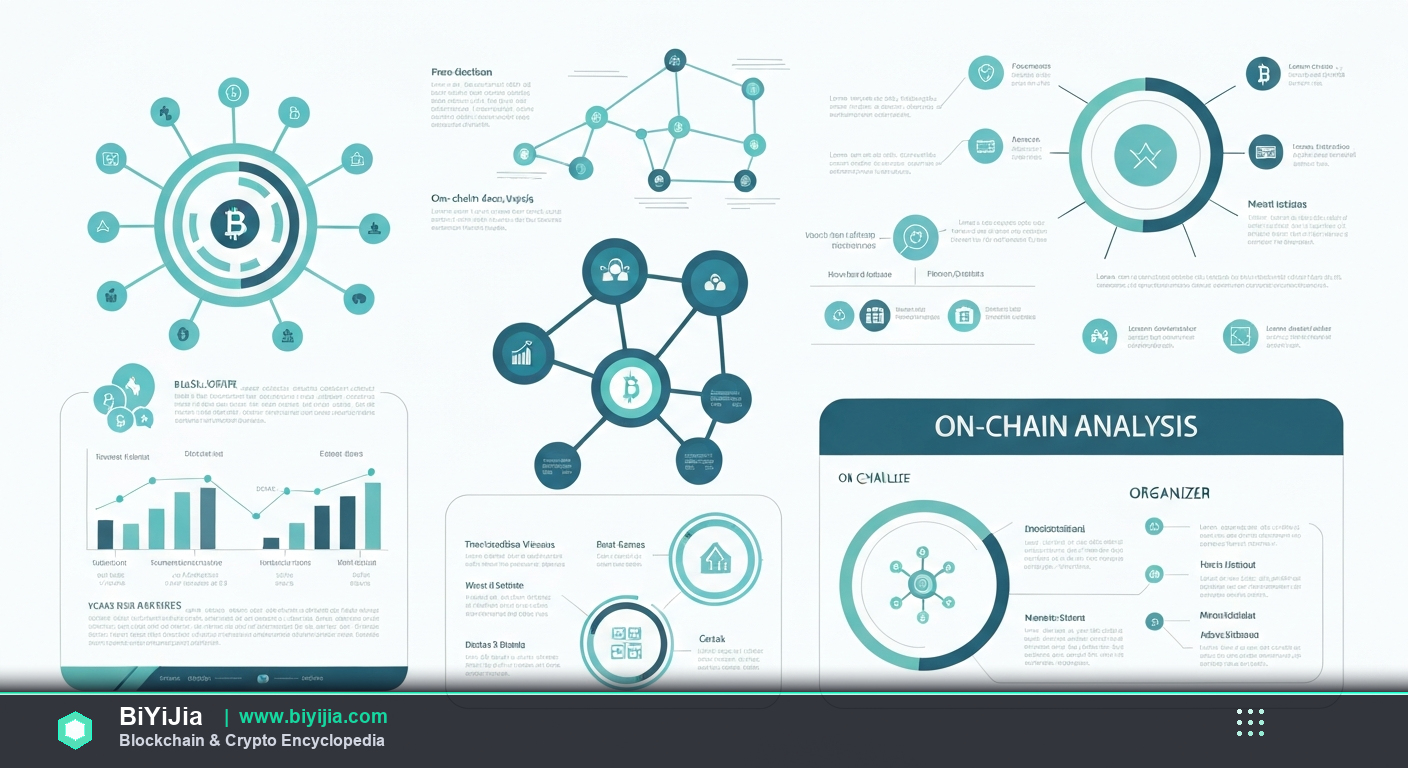
Can on-chain analysis predict price movements?
It isn’t a crystal ball, but certain on-chain signals—like a sudden rise in exchange inflows or a spike in NVT—often precede price rallies or corrections. Combining these signals with other analysis methods improves predictive power.
Do I need technical skills to use on-chain analytics platforms?
Most commercial tools hide the heavy lifting behind visual dashboards, so a basic understanding of crypto fundamentals is enough. However, advanced users may write custom queries using SQL‑like languages or Python libraries to extract niche insights.
How do regulators use blockchain analytics?
Regulators employ on-chain analysis to trace the flow of funds, identify suspicious patterns, and enforce anti‑money‑laundering rules. Agencies worldwide are building in‑house capabilities or partnering with firms like Chainalysis.
Is on-chain analysis safe for privacy?
Since the data is public, the analysis itself isn’t invasive. The risk arises when analysts link addresses to real‑world identities, which can erode user privacy if done without consent.
What’s the future of on-chain analysis?
Expect deeper cross‑chain integrations, AI‑driven anomaly detection, and richer labeling of wallet behavior. As more layers (e.g., rollups) emerge, analysts will need to adapt their tooling to maintain visibility.
Summary
On-chain analysis extracts actionable insights from blockchain transaction records, giving investors, developers, and regulators a transparent lens on network activity. Mastering on-chain data is becoming as essential as reading financial statements in traditional markets, and it dovetails with related concepts like Glassnode, Nansen, Address Tracking, and Data Metrics.