
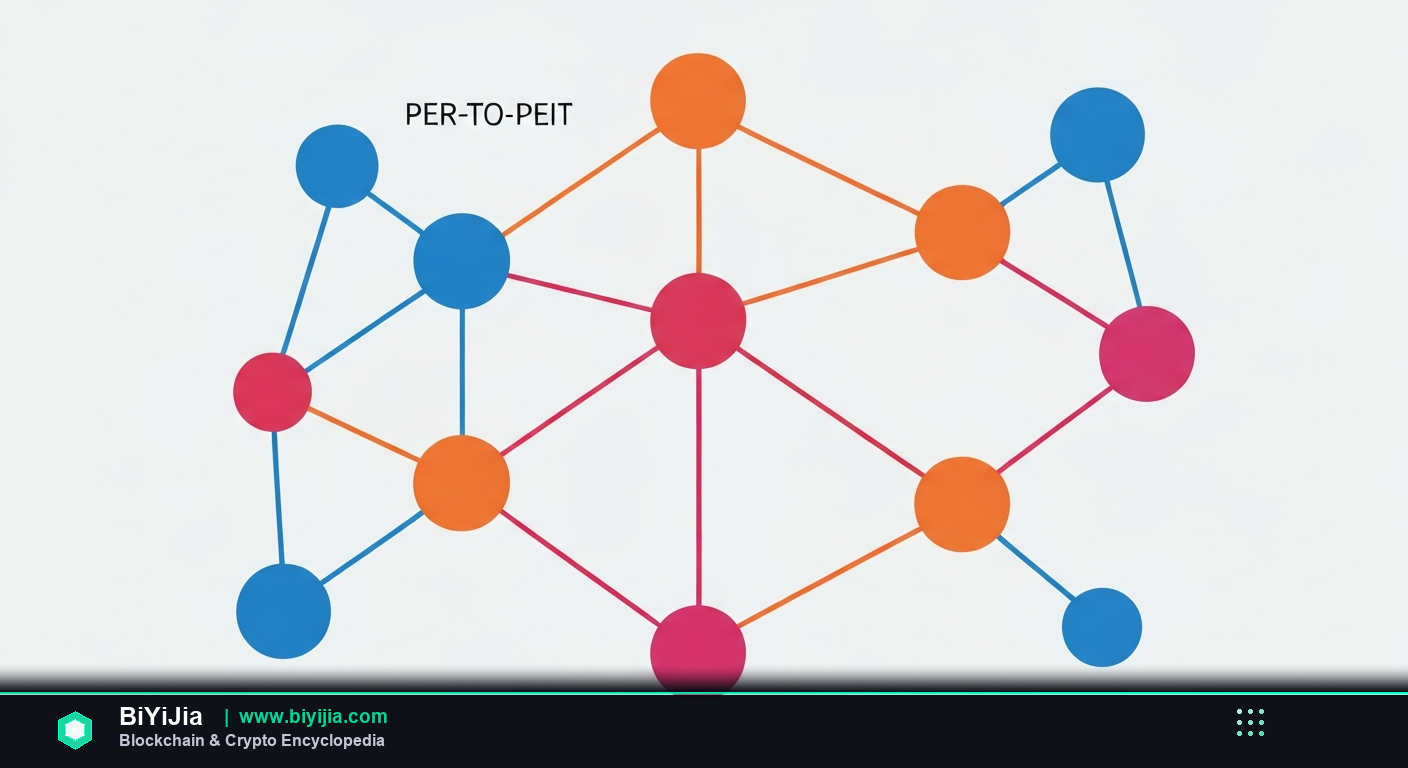
Peer-to-Peer (P2P) is the backbone of many modern crypto and file‑sharing services, letting users talk straight to each other instead of routing everything through a middleman.
Key Takeaways
- Definition: A network where each participant acts as both client and server.
- Core feature: Decentralization eliminates single points of failure.
- Real‑world use: Bitcoin, IPFS, and popular torrent clients all rely on P2P.
- Vs. traditional: Unlike client‑server models, P2P doesn’t need a central authority to validate transactions.
- Risk note: Open connections can expose nodes to privacy and security threats.
What Is Peer-to-Peer (P2P)?
In plain language, P2P is a way for computers to exchange data directly with each other without a central hub.
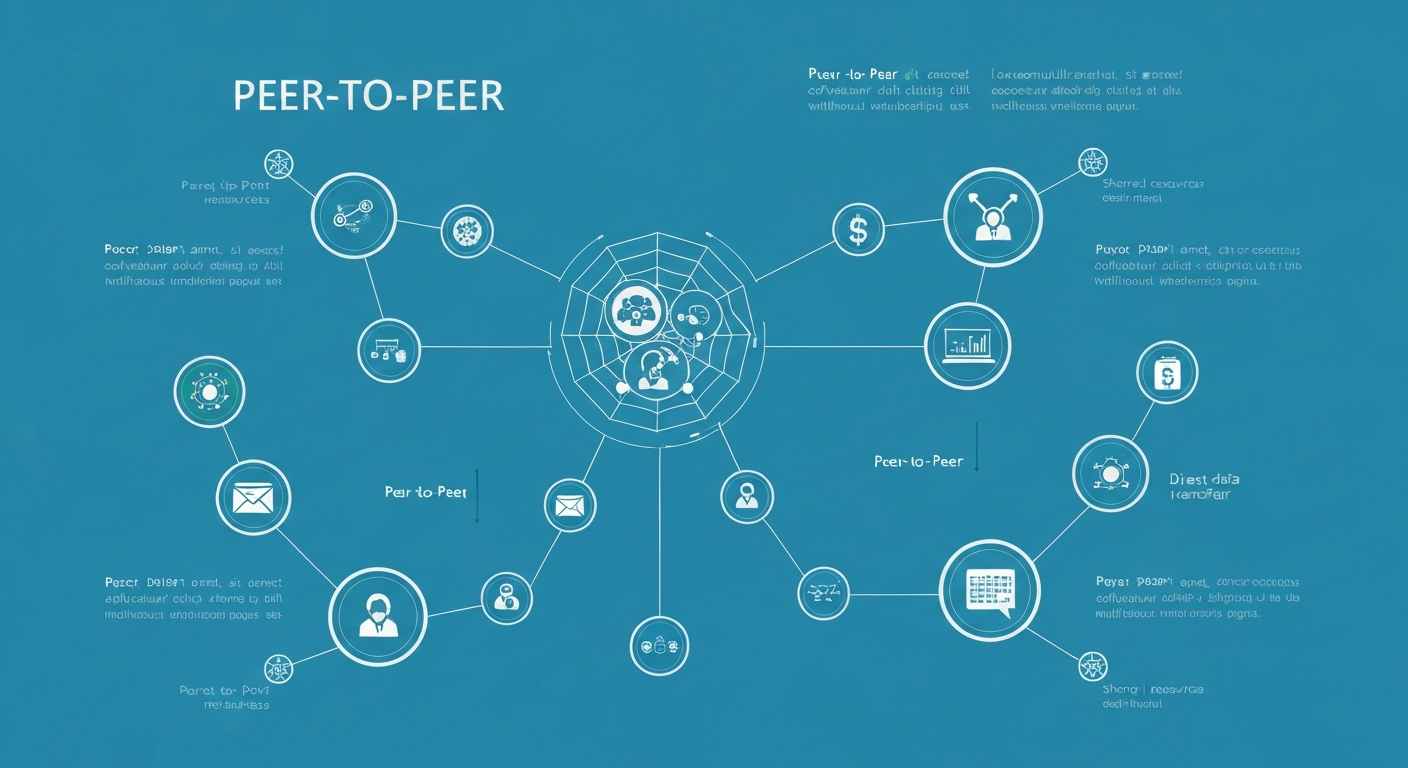
Technically, a peer to peer network distributes the workload across every node, meaning each participant stores a piece of the overall dataset and can also verify transactions or files. This design stems from the desire to avoid the bottlenecks and censorship points that plague traditional client‑server setups.
Think of a neighborhood potluck: instead of one family cooking everything, each household brings a dish, and everyone enjoys the spread together. The meal is complete because everyone contributed, and no single kitchen controls the menu.
How It Works
- When you join a peer to peer network, your device registers as a node and announces the resources it can share.
- Other nodes query the network for the data they need; the request propagates until a node with the matching piece responds.
- The requesting node establishes a direct connection, downloads the piece, and often verifies its integrity using cryptographic hashes.
- After the download, your node may become a source for that piece, reinforcing the network’s redundancy.
- Periodically, nodes exchange “heartbeat” messages to keep the network topology fresh and discard stale connections.
Core Features
- Decentralization: No single authority controls the flow of data, mirroring the ethos of [internal link: Decentralization].
- Scalability: Adding more nodes typically improves capacity and resilience.
- Redundancy: Data is replicated across many peers, which protects against loss.
- Privacy‑by‑Design: Direct connections can be encrypted, limiting exposure to intermediaries.
- Incentivization: Many P2P systems embed token rewards to motivate nodes to contribute bandwidth or storage.
Real-World Applications
- Bitcoin: The first cryptocurrency uses a P2P ledger where each node validates transactions; as of Q4 2025, Bitcoin’s P2P transaction volume topped $1.2 trillion (Chainalysis).
- IPFS (InterPlanetary File System): A distributed file system that lets users host and retrieve content without centralized servers; over 12 million active nodes were recorded in early 2026 (Protocol Labs).
- BitTorrent: Classic file‑sharing protocol where swarms of peers exchange pieces of a file; in 2025, P2P traffic made up 23% of global internet bandwidth (NetFlow Labs).
- Uniswap v4: A decentralized exchange where liquidity providers and traders interact directly on a P2P market‑making network.
- Filecoin: A storage marketplace that rewards nodes for renting out hard‑drive space, turning spare capacity into a monetizable asset.
Comparison with Related Concepts
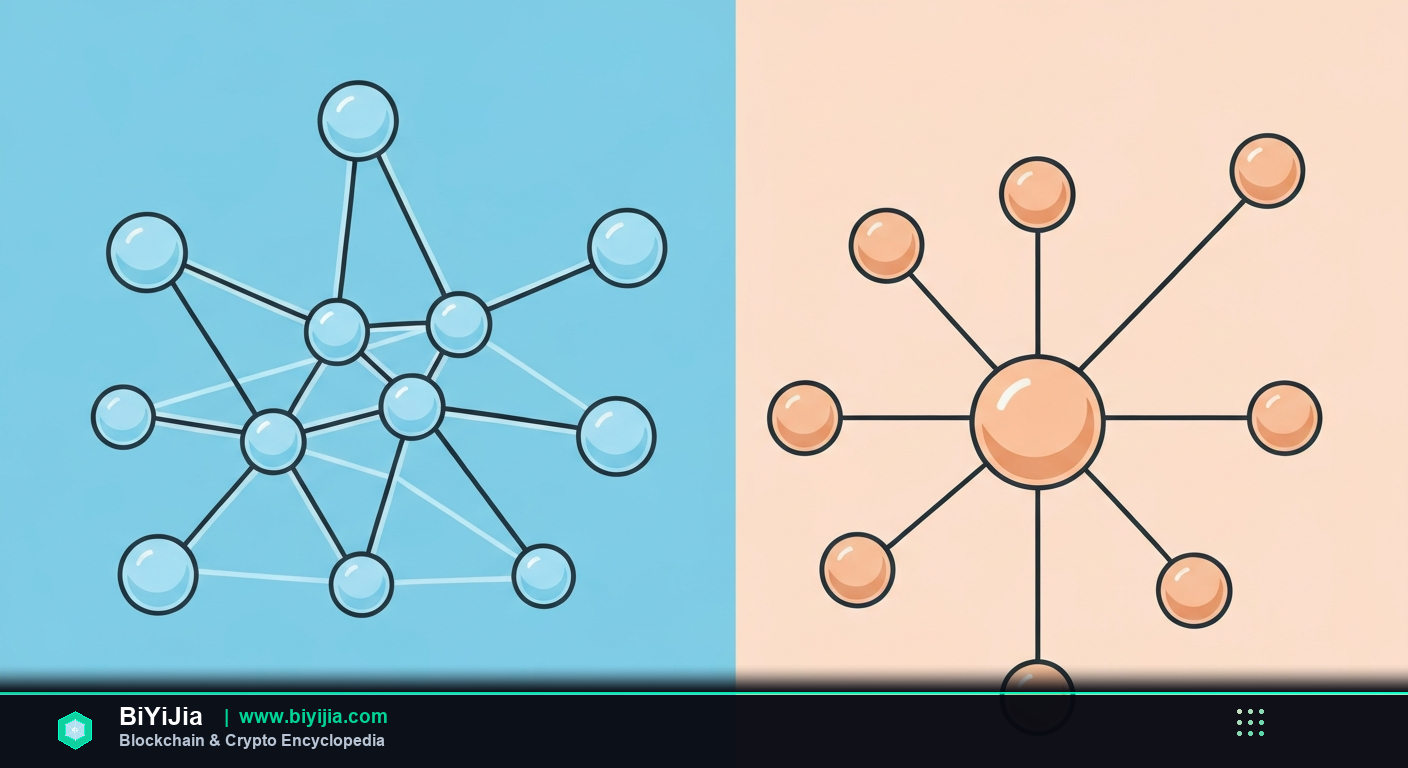
Peer-to-Peer vs. Client‑Server: In a client‑server model, a central server stores data and processes requests, creating a single point of control. P2P spreads those responsibilities across all participants, which improves fault tolerance but can complicate coordination.
Peer-to-Peer vs. Decentralized Finance (DeFi): DeFi is a broader umbrella that includes smart contracts, lending platforms, and tokenized assets—all often built on P2P networks. While all DeFi projects are decentralized, not every P2P system deals with finance.
Risks & Considerations
- Sybil Attacks: Malicious actors create many fake nodes to sway consensus or overwhelm the network.
- Data Leakage: Direct connections can expose IP addresses or metadata if not properly encrypted.
- Regulatory Scrutiny: Authorities may target P2P platforms for facilitating illicit content or unregistered financial activity.
- Network Fragmentation: Poorly designed routing can lead to isolated clusters, reducing overall efficiency.
- Resource Drain: Running a full node can consume significant bandwidth and storage, which may be prohibitive for casual users.
Embedded Key Data
According to a 2026 report by the Internet Society, P2P architectures now power roughly 30% of all decentralized applications, up from 12% in 2020.
Research from Cambridge Centre for Alternative Finance shows that users who run a full Bitcoin node earn on average 0.5% more in transaction fees than those who rely on third‑party services.
Frequently Asked Questions
What is P2P in simple terms?
It’s a network design where each computer can act as both sender and receiver, allowing data to flow directly between users without a central hub.
How does a peer to peer network differ from a traditional server?
Traditional servers store data in a single location and handle all requests, while P2P spreads storage and processing across many nodes, reducing single points of failure.
Is running a Bitcoin node considered P2P?
Yes. Every Bitcoin node validates transactions and shares them with peers, forming a global P2P ledger that underpins the cryptocurrency.
Can I use P2P for private file sharing?
Absolutely. Tools like Syncthing or Resilio Connect let you sync files directly between devices, encrypting traffic end‑to‑end for privacy.
What are the biggest security concerns with P2P?
Exposing your IP address, susceptibility to Sybil attacks, and the potential for malicious payloads are the primary worries. Using VPNs, strong encryption, and reputable clients can mitigate many of these risks.
Will P2P replace cloud services?
Not entirely. While P2P offers resilience and cost savings, cloud providers still excel at convenience, scalability, and integrated services. Many businesses adopt a hybrid approach, leveraging both.
Summary
Peer-to-Peer (P2P) is a decentralized networking model where every participant can both supply and consume resources, making it the engine behind Bitcoin, IPFS, and modern file‑sharing. Understanding its mechanics, benefits, and risks helps you navigate the broader ecosystem of [internal link: Decentralization] and related technologies.