
Phishing Attack is a social‑engineering trick that lures victims into handing over sensitive crypto information.
Key Takeaways
- One‑line definition: A fraudulent scheme that tricks users into revealing private keys or sending funds.
- Core features: fake websites, urgent messaging, and credential harvesting.
- Real‑world application: attackers impersonate exchanges to steal wallets.
- Compared to traditional phishing, crypto phishing targets blockchain assets rather than bank accounts.
- Risk warning: a single successful wallet phishing can wipe out millions of dollars instantly.
What Is Phishing Attack?
In plain language, a phishing attack is a trick where a bad actor pretends to be someone you trust to steal your crypto credentials.
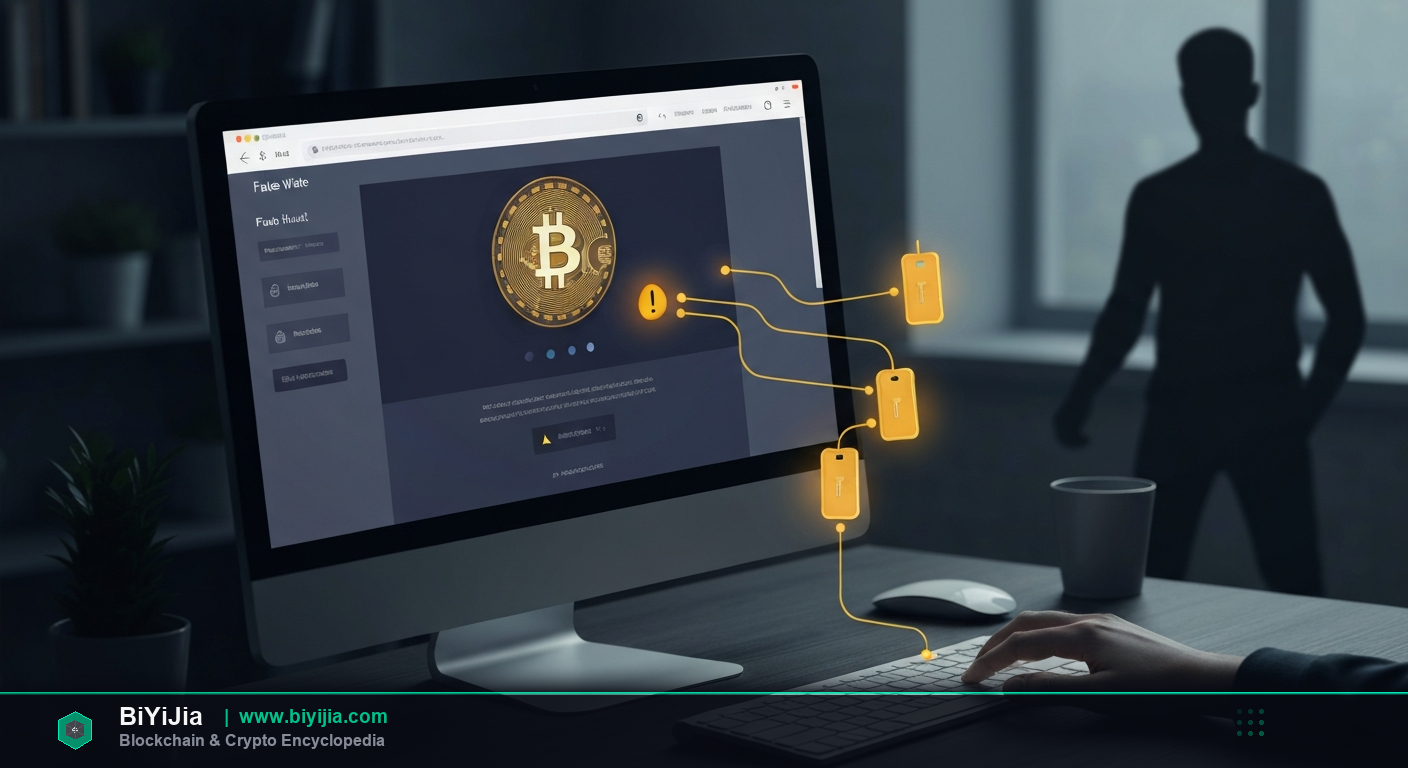
Technically, the attacker creates a replica of a legitimate service—often an exchange, wallet app, or DeFi platform—then sends a lure (email, DM, or SMS) that urges the victim to click a link and enter their private key, seed phrase, or login details. The fake front‑end captures the data and forwards it to the attacker, who can then move the funds to a wallet they control.
Think of it like a con artist setting up a fake storefront on a busy street and handing out flyers that say, “Enter here for a free gift.” Once you step inside, they ask for your ID, and before you know it, they’ve walked off with your valuables.
How It Works
- Preparation: The attacker registers a domain that looks similar to a real exchange (e.g., "crypt0-exchange.com").
- Luring: They broadcast a message—often a phishing email, Telegram DM, or Twitter DM—claiming urgent action is needed, such as “Your account is compromised, click to secure it.”
- Capture: The victim lands on the fake site, sees a familiar login form, and inputs their seed phrase or private key.
- Extraction: The data is instantly sent to the attacker’s server, who then imports the wallet into a hot wallet and sweeps the assets.
- Cover‑up: The fake site is taken down or redirected, leaving the victim with a compromised wallet and little trace of the fraud.
Core Features
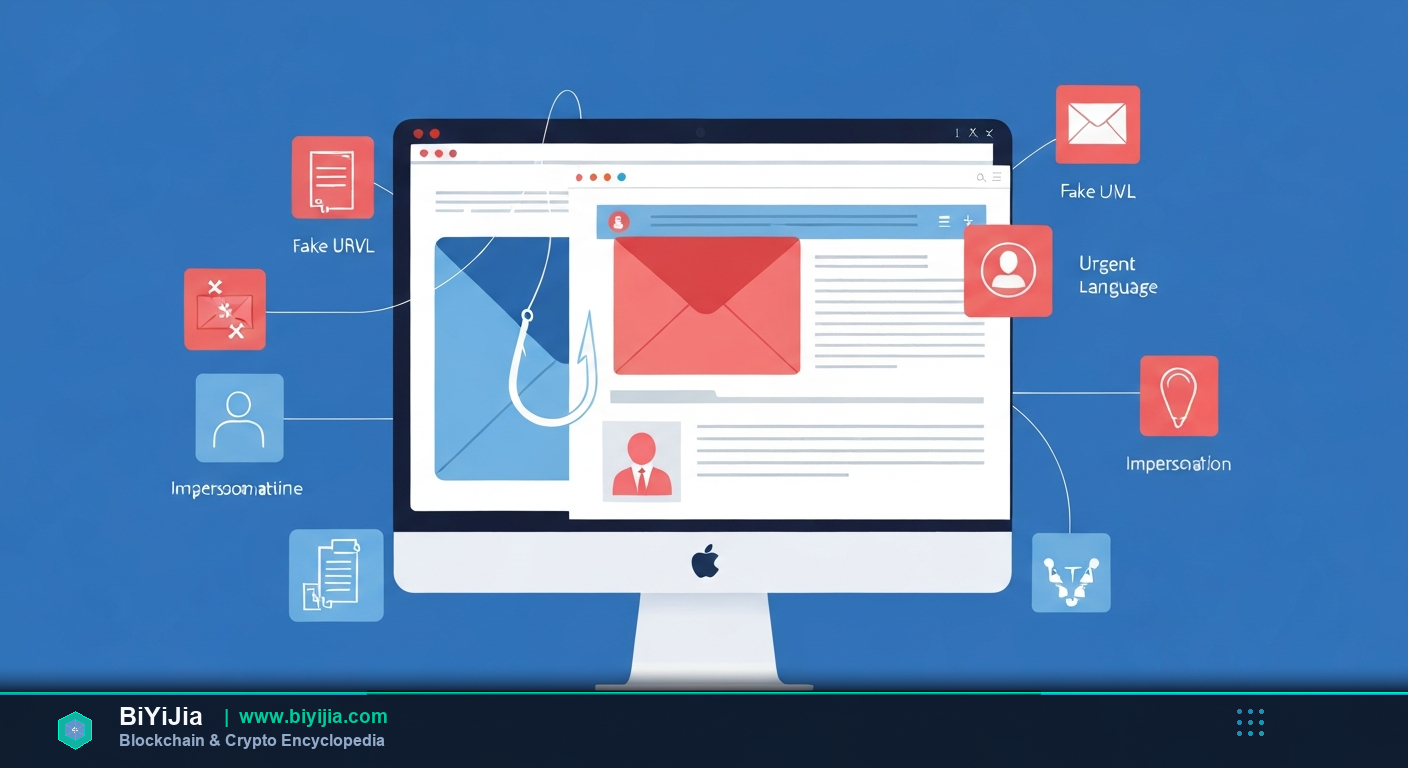
Impersonation: The attack mimics a legitimate brand’s look, tone, and URL structure.
Urgency Cue: Messages stress immediate action—"your funds will be frozen"—to bypass rational thinking.
Credential Harvesting: Instead of stealing passwords alone, crypto phishing often targets seed phrases and private keys, which grant full control over assets.
Redirect Chains: Attackers may use multiple short‑lived domains to evade detection by security tools.
Automation: Botnets can mass‑send phishing emails, scaling wallet phishing campaigns across thousands of users.
Real-World Applications
- Binance Phishing Scam (2024): A fake Binance login page stole over $12 million worth of BNB from unsuspecting users.
- MetaMask Impersonation (2025): A malicious Chrome extension mimicking MetaMask captured private keys from an estimated 3,800 wallets, resulting in $9 million in losses.
- DeFi Yield Farm Lure (2023): Fake yield‑farm landing pages promised 200% APY, prompting users to deposit funds into a wallet that was later drained of $5 million.
- Twitter Direct Message Attack (2022): Attackers sent DM links purporting to be from a popular influencer, leading to a wallet phishing site that stole $2.3 million in ETH.
Comparison with Related Concepts
Phishing Attack vs Fake Website: A fake website is the tool; the phishing attack is the broader campaign that includes the luring message, credential capture, and fund extraction.
Phishing Attack vs Private Key Theft: Private key theft can occur via malware, hardware compromise, or phishing. Phishing specifically uses social engineering to trick the user into voluntarily handing over the key.
Phishing Attack vs Social Engineering: Social engineering is the umbrella technique (psychology, manipulation). Phishing attack is a concrete implementation targeting crypto assets.
Phishing Attack vs Prevention: Prevention encompasses user education, anti‑phishing tools, and hardware wallets; the attack is what you guard against.
Risks & Considerations
Complete Asset Loss: Unlike traditional banking, crypto transactions are irreversible; a single successful wallet phishing can empty an entire portfolio.
Reputation Damage: Exchanges that fall victim to phishing attacks may lose user trust, leading to withdrawal spikes.
Regulatory Scrutiny: Repeated phishing incidents can attract regulators, prompting stricter KYC/AML requirements that affect user privacy.
Chain Reaction: Compromised private keys can be used to sign malicious transactions, spreading malware or facilitating further scams.
Psychological Fatigue: Constant phishing attempts can lead to user desensitization, making them more likely to click future malicious links.
Embedded Key Data
According to Chainalysis, crypto phishing attacks accounted for $1.8 billion in losses in 2024, representing a 32% increase from the previous year.
Research by CipherTrace shows that wallet phishing alone contributed to 45% of all crypto‑related fraud cases in Q1 2025, highlighting the growing sophistication of phishing attack crypto vectors.
Frequently Asked Questions
What makes crypto phishing different from regular phishing?
Crypto phishing targets the unique credentials that grant ownership of blockchain assets—seed phrases, private keys, and wallet passwords—rather than just login credentials. Because blockchain transactions are irreversible, a single compromised key can lead to total loss of funds, which raises the stakes dramatically compared to traditional bank account theft.
How can I spot a fake website trying to steal my wallet?
Look for subtle URL misspellings (e.g., "coinbas3.com"), mismatched SSL certificates, and poor grammar in the site copy. Verify the domain through official channels, and always type the address manually instead of clicking links in unsolicited messages.
Is using a hardware wallet enough to prevent wallet phishing?
Hardware wallets protect private keys by keeping them offline, so even if you enter your seed phrase on a phishing site, the attacker cannot move assets without the physical device. However, you still need to guard against social engineering that convinces you to connect the hardware wallet to a malicious interface.
Can anti‑phishing browser extensions stop wallet phishing?
Extensions like MetaMask Phish Shield and Etherscan’s warning system can flag known malicious domains, but they are not foolproof. Zero‑day phishing sites can slip through, so layering defenses—browser warnings, hardware wallets, and user vigilance—is the best approach.
What should I do if I think I’ve fallen for a wallet phishing attack?
Immediately move any remaining funds to a new, secure wallet with a fresh seed phrase. Report the incident to the compromised platform, and if possible, share the phishing URL with security communities to help block it for others.
Will future regulations reduce crypto phishing incidents?
Regulations may force platforms to implement stricter KYC and two‑factor authentication, which can raise the barrier for attackers. However, social engineering will always remain a human weakness, so education and technical safeguards remain essential.
Summary
Phishing Attack in the crypto space is a deceptive scheme that tricks users into revealing private keys or sending funds to malicious wallets, often via fake websites and urgent messages. Understanding its mechanics, recognizing the risks, and employing layered defenses—like hardware wallets and vigilant browsing—are crucial for protecting digital assets. See related terms such as Fake Website, Private Key Theft, Social Engineering, and Prevention for deeper context.