Polygon (MATIC) is a Layer 2 scaling platform built to make Ethereum faster and cheaper.
Key Takeaways
- Polygon (MATIC) is a multi‑chain framework that enhances Ethereum's throughput.
- Core features include PoS sidechains, zkEVM rollups, and a native utility token.
- Used by gaming, DeFi, and NFT platforms to cut transaction fees dramatically.
- Compared with traditional sidechains, Polygon offers tighter security through checkpointing to Ethereum.
- Risks involve token volatility, centralization concerns, and evolving regulatory scrutiny.
What Is Polygon (MATIC)?
Polygon (MATIC) is a suite of scaling solutions that sit on top of Ethereum to lower fees and increase transaction speed.
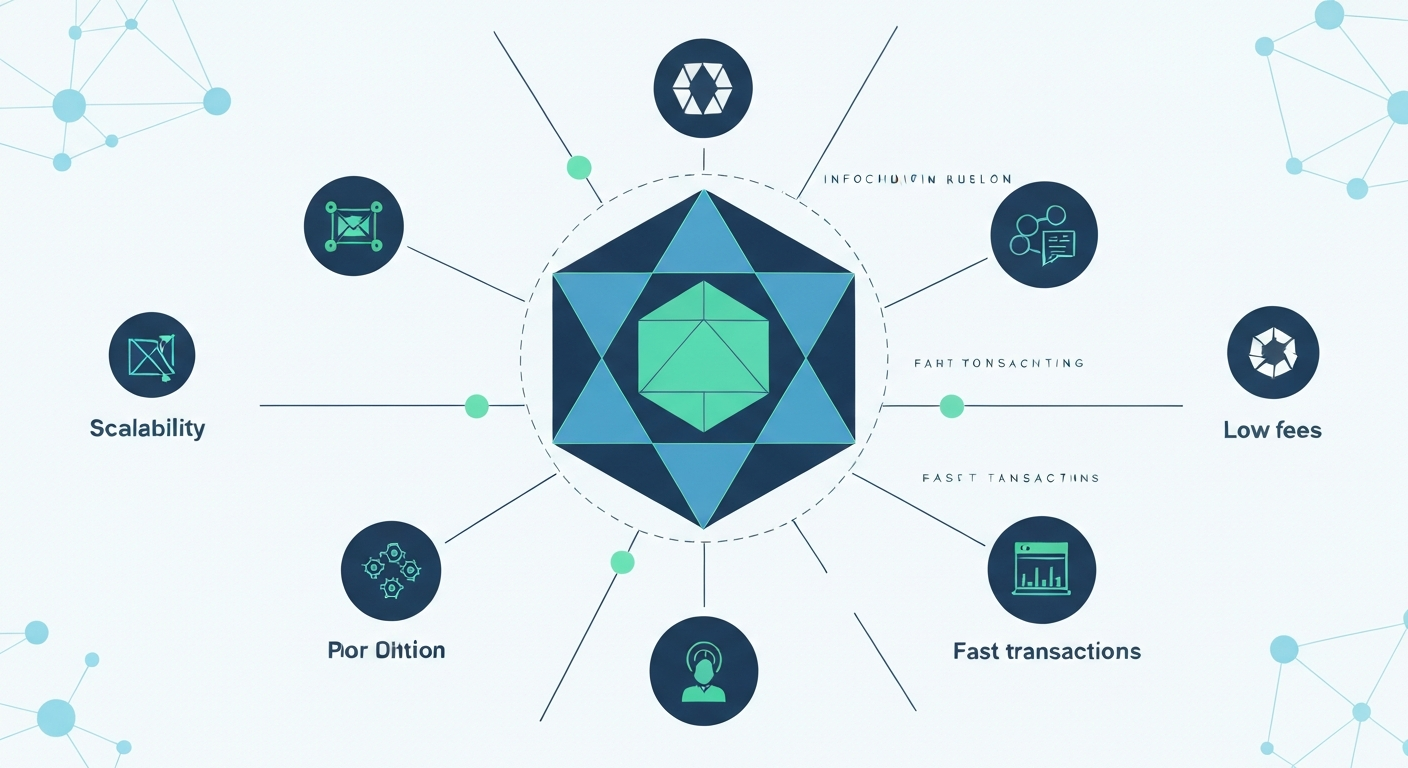
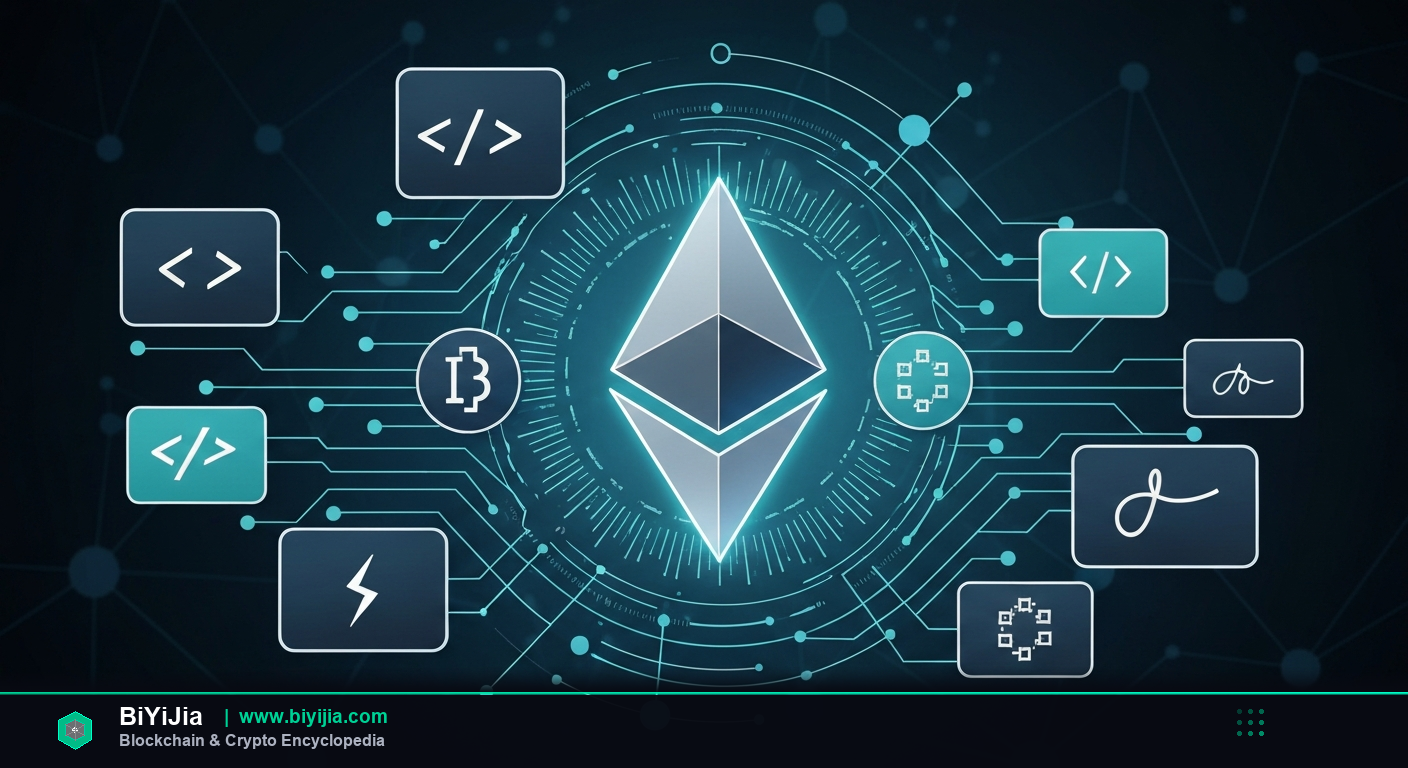
In technical terms, Polygon operates a network of Proof‑of‑Stake (PoS) sidechains that periodically commit their state to the Ethereum mainnet, while also offering rollup options like zkEVM that bundle many transactions into a single proof. This hybrid approach lets developers pick the trade‑off that fits their use case.
Think of Ethereum as a busy highway and Polygon as an express lane that lets cars (transactions) zip past the traffic jam, then merges back onto the main road at regular checkpoints.
How It Works
- Developers deploy smart contracts on a Polygon PoS sidechain instead of directly on Ethereum.
- Users submit transactions, which are bundled into blocks secured by MATIC validators.
- Every few minutes, the sidechain posts a checkpoint to Ethereum, anchoring its state to the base layer.
- If needed, rollup solutions such as zkEVM generate cryptographic proofs that verify thousands of transactions in a single batch.
- The Ethereum mainnet finalizes these checkpoints, ensuring that Polygon inherits Ethereum's security guarantees.
Core Features
- PoS Sidechains: Low‑cost, high‑throughput chains secured by a network of MATIC stakers.
- zkEVM Rollups: Zero‑knowledge proof rollups that execute Ethereum‑compatible contracts with near‑instant finality.
- Interoperability Hub: Bridges that let assets move freely between Ethereum, Polygon and other chains.
- Native Token (MATIC): Used for transaction fees, staking, and governance of protocol upgrades.
- Developer Tooling: SDKs, APIs and templates that lower the barrier to launch dApps on Polygon.
- Security Checkpointing: Regular state roots posted to Ethereum to inherit its robust security model.
Real‑World Applications
- Aavegotchi: A DeFi‑gaming hybrid where NFTs represent staked assets; average transaction cost is 0.0003 ETH on Polygon versus 0.015 ETH on Ethereum.
- OpenSea (Polygon Collection): Enables creators to mint and sell NFTs with gas‑free listings; over 1.2 million NFTs minted on Polygon as of Q1 2026.
- SushiSwap (Polygon): Provides a full‑featured AMM on Polygon, handling $3.4 billion in monthly volume with sub‑$0.01 fees per swap.
- Decentraland Marketplace: Virtual land trades run on Polygon, cutting transaction fees by 95% compared to the Ethereum mainnet.
- Circle’s USDC Bridge: Moves stablecoins between Ethereum and Polygon, supporting daily transfers exceeding $5 billion.
Comparison with Related Concepts
Polygon vs Sidechain: A generic sidechain is a separate blockchain with its own consensus, often less secure. Polygon sidechains are anchored to Ethereum via checkpoints, giving them a security boost that pure sidechains lack.
Polygon vs zkEVM: zkEVM is a specific rollup technology within Polygon’s toolbox. While both aim to scale, zkEVM provides cryptographic proof of execution, whereas PoS sidechains rely on validator staking.
Polygon vs Ethereum Scaling: Traditional Ethereum scaling includes sharding and rollups directly on the base layer. Polygon takes a modular approach, offering multiple scaling options without waiting for core protocol upgrades.
Risks & Considerations
- Token Volatility: MATIC’s price can swing sharply, affecting transaction cost predictability for users.
- Centralization Concerns: Validator set is smaller than Ethereum’s, raising questions about network decentralization.
- Bridge Exploits: Cross‑chain bridges have historically been targets; a breach could lock or steal assets moving between Ethereum and Polygon.
- Regulatory Uncertainty: As a utility token used for staking and governance, MATIC may attract regulatory scrutiny in certain jurisdictions.
- Technology Evolution: Competing rollup solutions (e.g., Optimism, Arbitrum) could outpace Polygon’s roadmap, potentially reducing its market share.
Embedded Key Data
According to Dune Analytics, Polygon processed over 1.9 billion transactions in 2025, representing a 42% increase year‑over‑year (source: Dune, 2025 report). The same source shows that average gas fees on Polygon were $0.0007 in Q4 2025, compared with $2.15 on Ethereum mainnet (source: Dune, 2025 Q4).
Frequently Asked Questions
What is the difference between Polygon and a regular sidechain?
Polygon sidechains are periodically checkpointed to Ethereum, inheriting its security guarantees, whereas a regular sidechain operates independently with its own consensus, which may be less secure.
How does MATIC earn me rewards?
By staking MATIC you help secure the PoS validators and receive a share of transaction fees plus newly minted tokens, typically yielding 5‑12% annual returns depending on network conditions.
Can I use Polygon for DeFi without paying gas?
Yes, most DeFi protocols on Polygon charge a nominal fee paid in MATIC, which is usually a fraction of a cent, effectively making transactions feel gas‑free for end users.
Is Polygon compatible with existing Ethereum wallets?
Absolutely. Wallets like MetaMask, Trust Wallet and Ledger support the Polygon network with just a network switch, letting you manage ETH and MATIC side by side.
Will Polygon survive if Ethereum fully implements sharding?
Polygon’s modular design means it can pivot to focus on zk‑rollups or other Layer 2 solutions, so even a fully sharded Ethereum would leave room for Polygon’s specialized services.
Summary
Polygon (MATIC) is a multi‑chain scaling suite that boosts Ethereum’s speed and lowers fees through PoS sidechains, zkEVM rollups and a robust bridge ecosystem. Its growing adoption across gaming, DeFi and NFT platforms makes it a cornerstone of the Ethereum scaling landscape; explore related terms like [internal link: Layer 2] and [internal link: zkEVM] for deeper insight.