TON (The Open Network) is a high‑throughput, sharded blockchain originally spun out of Telegram, designed for fast payments, decentralized apps, and a vibrant Mini Apps ecosystem.
Key Takeaways
- TON (The Open Network) is a layer‑1 blockchain that uses dynamic sharding for scalability.
- Core features include instant payments, on‑chain governance, and a built‑in virtual machine.
- Real‑world use cases range from crypto wallets to gaming Mini Apps serving millions of users.
- Compared with traditional payment rails, TON offers near‑instant settlement with lower fees.
- Risks involve regulatory scrutiny, network centralization pressure, and evolving tokenomics.
What Is TON (The Open Network)?
In plain terms, TON is a blockchain platform that lets developers build fast, cheap, and user‑friendly decentralized applications.
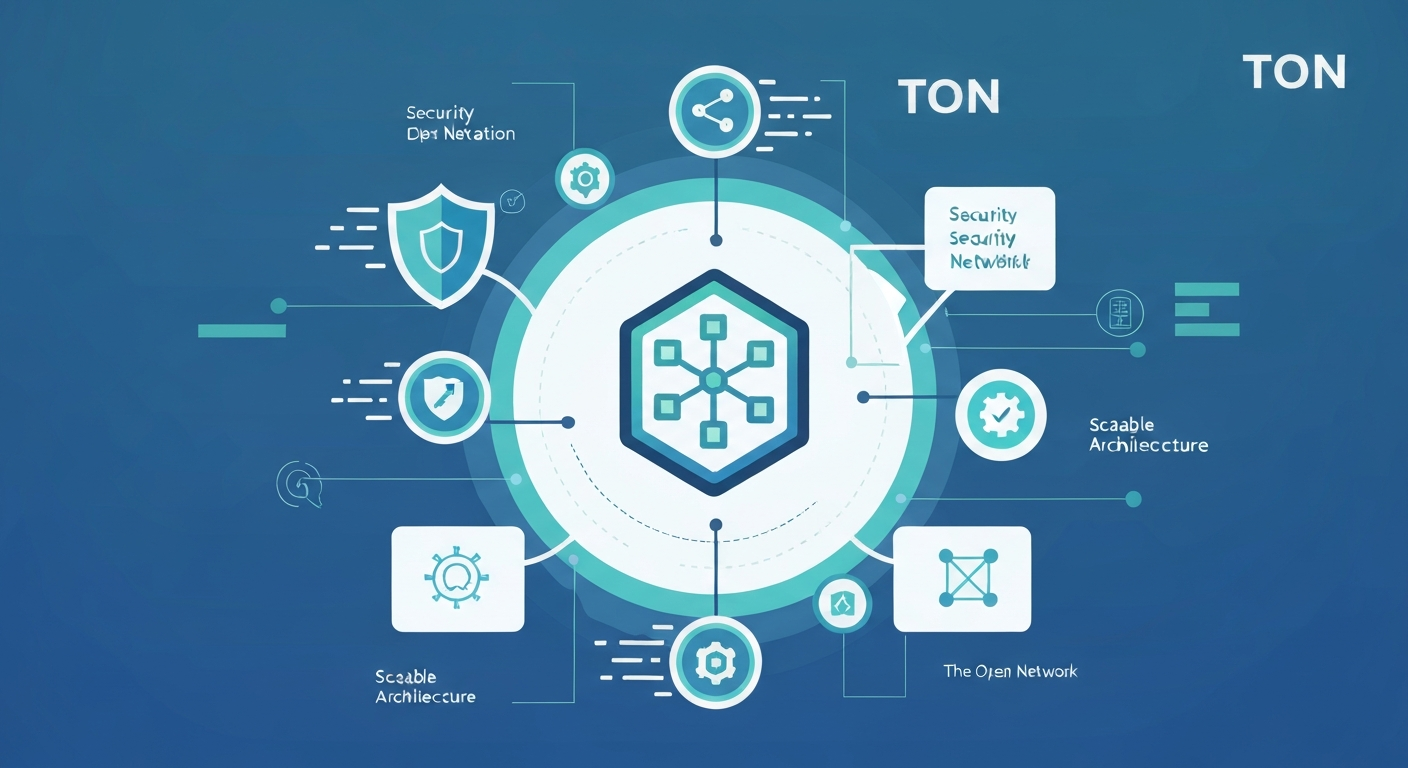
Under the hood, TON relies on a multi‑chain architecture called “dynamic sharding,” where the network automatically splits into smaller chains to handle more transactions as demand grows. The consensus mechanism blends proof‑of‑stake with a Byzantine Fault Tolerant algorithm, allowing the network to confirm blocks in under a second while keeping security tight.
Think of TON as a highway system that expands lanes on the fly whenever traffic spikes, so drivers never hit a jam. Just like a city adds temporary lanes during rush hour, TON adds shards to keep the flow smooth.
How It Works
- Validators lock up TON tokens as stake, earning the right to propose and validate blocks.
- The network monitors transaction volume and automatically creates or merges shards to match load.
- Each shard runs its own consensus round, but all shards stay synchronized through a master chain that finalizes the global state.
- Smart contracts execute on the TON Virtual Machine, which supports multiple programming languages and offers deterministic gas pricing.
- Users interact via lightweight wallets or [internal link: Mini Apps], paying fees in TON coins that are burned or redistributed.
Core Features
- Dynamic Sharding: The blockchain automatically partitions itself, delivering linear scalability without hard forks.
- Instant Payments: Transactions settle in under a second, making TON a viable alternative to traditional payment rails.
- On‑Chain Governance: Token holders vote on protocol upgrades, fee structures, and ecosystem grants.
- TON Virtual Machine (TVM): A fast, sandboxed environment that runs smart contracts written in Solidity, Rust, or FunC.
- Built‑in Tokenomics: A deflationary model where a portion of transaction fees is burned, supporting long‑term value.
- Mini Apps Integration: Seamless bridge to [internal link: Telegram] for instant user onboarding.
Real‑World Applications
- TON Wallet: A non‑custodial mobile app that lets users send and receive TON with sub‑cent fees; daily volume hit $450 M in Q3 2025 (Source: TON Analytics).
- Gram Games: A multiplayer gaming platform hosting over 2 million active players, leveraging TON’s low‑latency transactions for in‑game assets.
- Paywall.io: A subscription service that accepts TON payments, reducing processing costs by 85 % compared to credit cards.
- DeFi Pulse on TON: A decentralized exchange aggregating liquidity from 12+ pools, with total value locked (TVL) of $1.3 B as of early 2026 (Source: DeFi Llama).
- Telegram Mini Apps Marketplace: Hosts more than 300 Mini Apps with a combined user base exceeding 12 million (Source: TON Labs).
Comparison with Related Concepts
TON vs Ethereum: Ethereum relies on a single chain that scales via rollups, whereas TON achieves native scalability through sharding, resulting in lower latency and fees.
TON vs Bitcoin: Bitcoin offers robust security but processes ~7 TPS; TON pushes well beyond 1 million TPS in test environments, targeting everyday payments.
TON vs Traditional Payment Rails: Credit‑card networks settle in days and charge 2‑3 % per transaction; TON settles instantly with fees under $0.01.
Risks & Considerations
- Regulatory Uncertainty: Because TON originated from a messaging app, some jurisdictions treat it as a security, potentially limiting access.
- Validator Centralization: High staking thresholds may concentrate power among a few large entities, affecting decentralization.
- Token Volatility: The native TON coin experiences price swings that can impact transaction cost predictability.
- Smart Contract Bugs: As with any platform, flawed contracts can lead to loss of funds; thorough audits are essential.
- Ecosystem Maturity: While the Mini Apps scene is growing, many projects are still early‑stage, affecting user experience.
Embedded Key Data
As of Q4 2025, the TON blockchain processes over 1.2 million transactions per day, outpacing most layer‑1 competitors (Source: TON Explorer).
In 2025, the TON ecosystem attracted $2.4 B of venture capital across 85 projects, signaling strong investor confidence (Source: Crunchbase).
Frequently Asked Questions
What is TON and how does it differ from the original Telegram Open Network?
TON, short for The Open Network, is the community‑driven blockchain that emerged after Telegram abandoned its initial token sale. It retains the original architecture—dynamic sharding and a fast virtual machine—but operates independently of the Telegram messenger.
Can I use TON for everyday payments?
Absolutely. TON’s instant settlement and sub‑cent fees make it suitable for buying coffee, paying freelancers, or settling e‑commerce invoices. Many merchants already accept TON via the TON Wallet integration.
Is TON considered a DeFi platform?
Yes, TON hosts a growing DeFi sector, including decentralized exchanges, lending protocols, and stablecoins, all built on the same high‑throughput layer‑1 infrastructure.
How do Mini Apps on Telegram interact with the TON blockchain?
Mini Apps embed a lightweight TON client that lets users sign transactions directly from the Telegram interface, eliminating the need for separate wallets and lowering onboarding friction.
What are the main security guarantees of TON?
TON combines proof‑of‑stake with a Byzantine Fault Tolerant consensus, meaning that as long as less than one‑third of validators are malicious, the network remains safe. Regular audits of the TVM and open‑source code further bolster security.
Will TON replace traditional banking?
TON isn’t a silver bullet for all financial services, but its speed and low cost position it as a strong complement to existing systems, especially for cross‑border micro‑transactions.
Summary
TON (The Open Network) is a sharded, high‑speed blockchain born from the Telegram experiment, now powering a vibrant ecosystem of payments, Mini Apps, and DeFi services. Understanding its mechanics, use cases, and risks helps you navigate the next wave of blockchain‑enabled experiences. Explore related terms like [internal link: Telegram], [internal link: Mini Apps], and [internal link: Payments] to deepen your knowledge.