

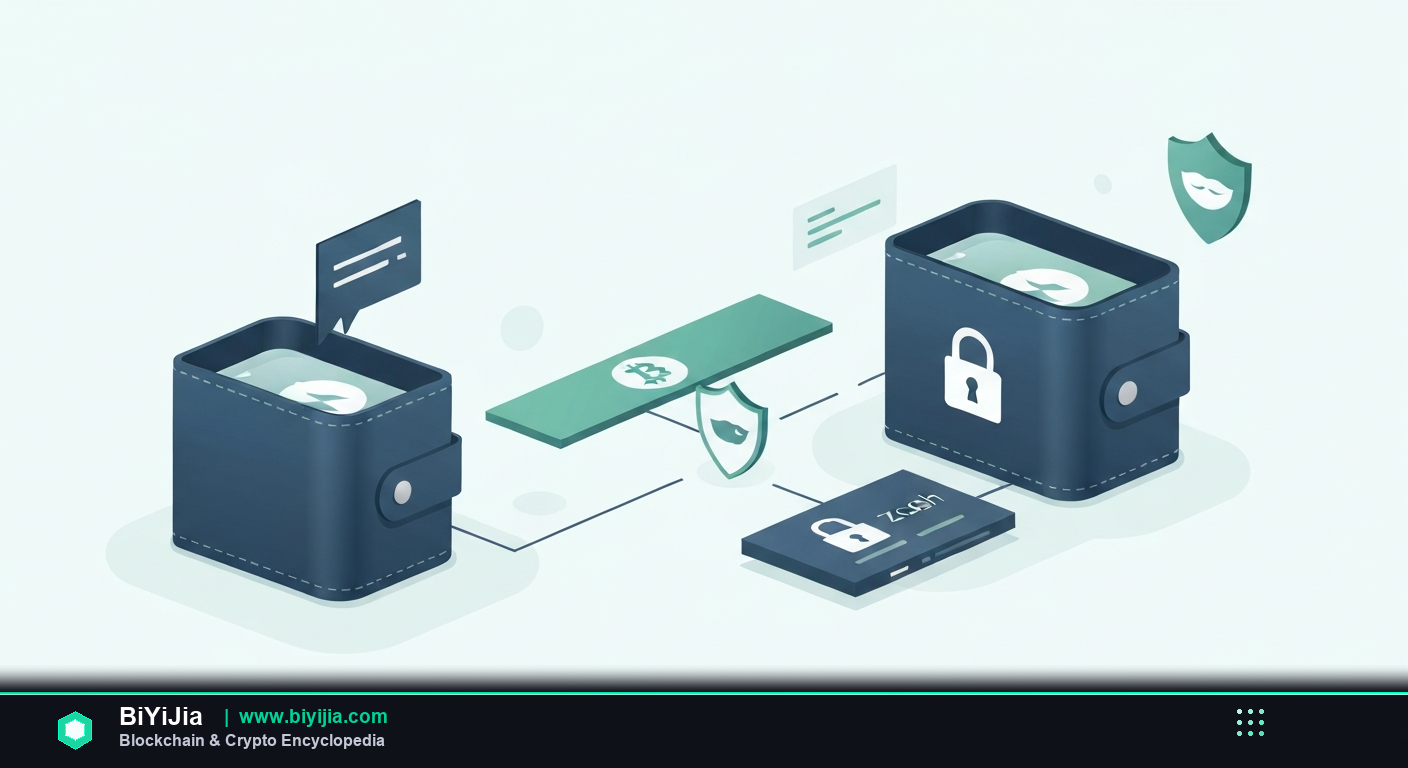
Privacy Coin refers to a type of cryptocurrency designed to hide transaction details, offering users anonymity and untraceable financial privacy.
Key Takeaways
- Privacy Coin: a digital asset that obscures sender, receiver, and amount.
- Core features include stealth addresses, ring signatures, and zero‑knowledge proofs.
- Used in privacy‑focused wallets, decentralized exchanges, and illicit‑resistant payments.
- Unlike cash, privacy coins operate on transparent blockchains but add cryptographic layers.
- Regulators flag them for potential money‑laundering, so legal risk is higher.
What Is Privacy Coin?
Privacy Coin is a cryptocurrency that conceals the details of who sent, who received, and how much was transferred.
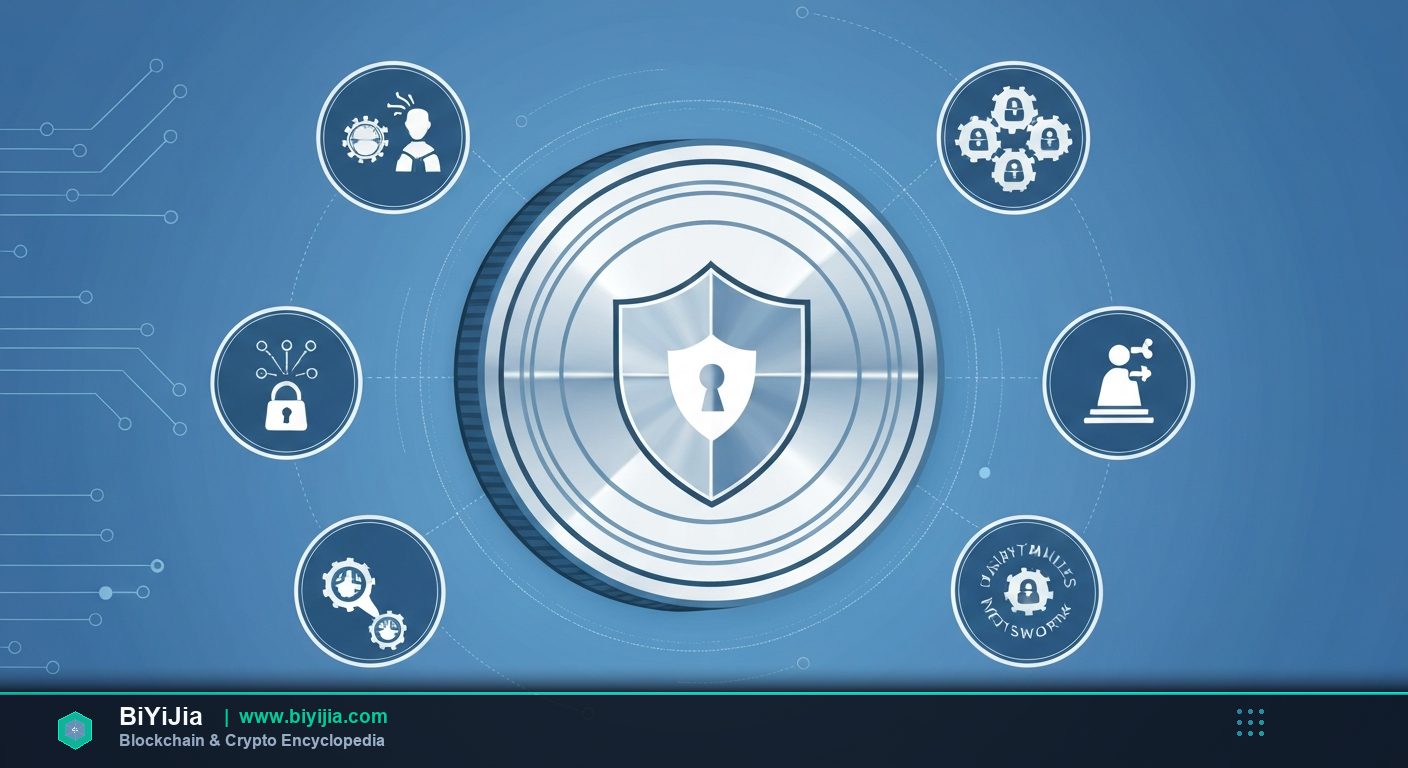
In practice, privacy coins employ cryptographic tricks—like ring signatures in Monero or zk‑SNARKs in Zcash—to mix a user’s transaction with many others, making it computationally infeasible to trace the original source.
Think of it like sending a sealed envelope through a crowded post office where every envelope looks identical; an observer can see a package left the office, but can’t tell which envelope belongs to which person.
How It Works
- When you initiate a transaction, the wallet creates a set of decoy inputs drawn from the blockchain’s history.
- The real input is blended with these decoys using a ring signature, so verifiers can confirm the transaction is valid without knowing which input is genuine.
- For amounts, confidential transactions hide the value while still allowing the network to verify that inputs equal outputs.
- Optional stealth addresses generate a one‑time destination key for the receiver, preventing address reuse.
- Some coins add zero‑knowledge proofs that let the network validate a transaction without seeing any underlying data at all.
Core Features
Ring Signature: A cryptographic method that mixes a user’s spend key with many others, obscuring the true signer.
Stealth Addresses: One‑time addresses that keep the recipient’s public address hidden from onlookers.
Confidential Transactions: Hide the transferred amount while still proving balance integrity.
Zero‑Knowledge Proofs: Allow validation of a transaction without revealing any of its details, as used by Zcash.
Adaptive Privacy Levels: Some wallets let users choose how much anonymity to apply per transaction.
Real-World Applications
- Monero – The most widely adopted privacy coin, with a market cap above $1.1 billion in February 2026.
- Zcash – Offers optional shielded transactions; over $500 million in shielded value moved in Q1 2026.
- Secret Network – A privacy‑first smart‑contract platform enabling confidential dApps.
- Beam – Implements the MimbleWimble protocol, delivering scalable anonymous payments.
- Incognito – Provides privacy layers for mainstream blockchains, allowing users to hide assets on Ethereum and Binance Smart Chain.
Comparison with Related Concepts
Monero vs Zcash: Monero uses mandatory ring signatures and stealth addresses for every transaction, while Zcash offers an opt‑in model where users can choose between transparent and shielded transfers.
Privacy Coin vs Mixer: A privacy coin builds anonymity into its protocol, whereas a mixer is a third‑party service that aggregates and re‑splits funds from multiple users to obscure origins.
Ring Signature vs Zero‑Knowledge Proof: Ring signatures hide the sender among a set of possible signers; zero‑knowledge proofs hide both sender and amount by proving statements without revealing underlying data.
Risks & Considerations
Regulatory Scrutiny: Governments may classify privacy coins as high‑risk, leading to exchange delistings and stricter KYC/AML requirements.
Network Size: Smaller user bases can reduce anonymity sets, making de‑anonymization attacks easier.
Complexity: Advanced cryptography can lead to bugs; past updates in Monero have occasionally introduced vulnerabilities.
Liquidity: Not all exchanges list privacy coins, limiting the ability to convert them quickly.
Legal Use Cases: While many legitimate users value financial privacy, illicit actors also gravitate toward anonymous crypto, raising ethical concerns.
Embedded Key Data
According to Chainalysis, privacy coin transaction volume reached $2.3 billion in Q4 2025, up 45 % from the previous quarter.
Monero’s market cap crossed $1.1 billion in February 2026, making it the third‑largest privacy cryptocurrency by market cap behind Bitcoin and Ethereum.
Frequently Asked Questions
What is a privacy coin and how does it differ from regular crypto?
A privacy coin embeds cryptographic techniques that hide who sent, who received, and how much was transferred. Regular cryptocurrencies like Bitcoin record every detail on a public ledger, making transactions traceable.
Are privacy coins illegal?
Legality varies by jurisdiction. Some countries treat them as legal but subject to strict reporting, while others have banned or restricted their use. Always check local regulations before transacting.
Can I use a privacy coin on Decentralized Finance (DeFi) platforms?
Yes, but options are limited. Certain DeFi protocols on Ethereum support wrapped versions of privacy coins, and dedicated privacy‑first chains like Secret Network enable fully private lending and trading.
Do privacy coins protect me from all surveillance?
They dramatically improve on-chain anonymity, but off‑chain data—like IP addresses, exchange KYC records, or wallet metadata—can still expose users if not managed carefully.
How do I choose between Monero, Zcash, and other privacy coins?
Consider factors such as mandatory versus optional privacy, community size, ecosystem support, and your comfort with the underlying technology. Monero offers default privacy, Zcash gives you a choice, and newer projects may provide smart‑contract capabilities.
Summary
Privacy Coin refers to a cryptocurrency that uses advanced cryptography to make transactions untraceable, offering a high degree of financial anonymity. As regulators tighten around anonymous crypto, understanding these tools—and their risks—is essential for anyone valuing privacy in the digital age. For deeper insight, explore related terms like Monero, Zcash, Mixer, and Ring Signature.