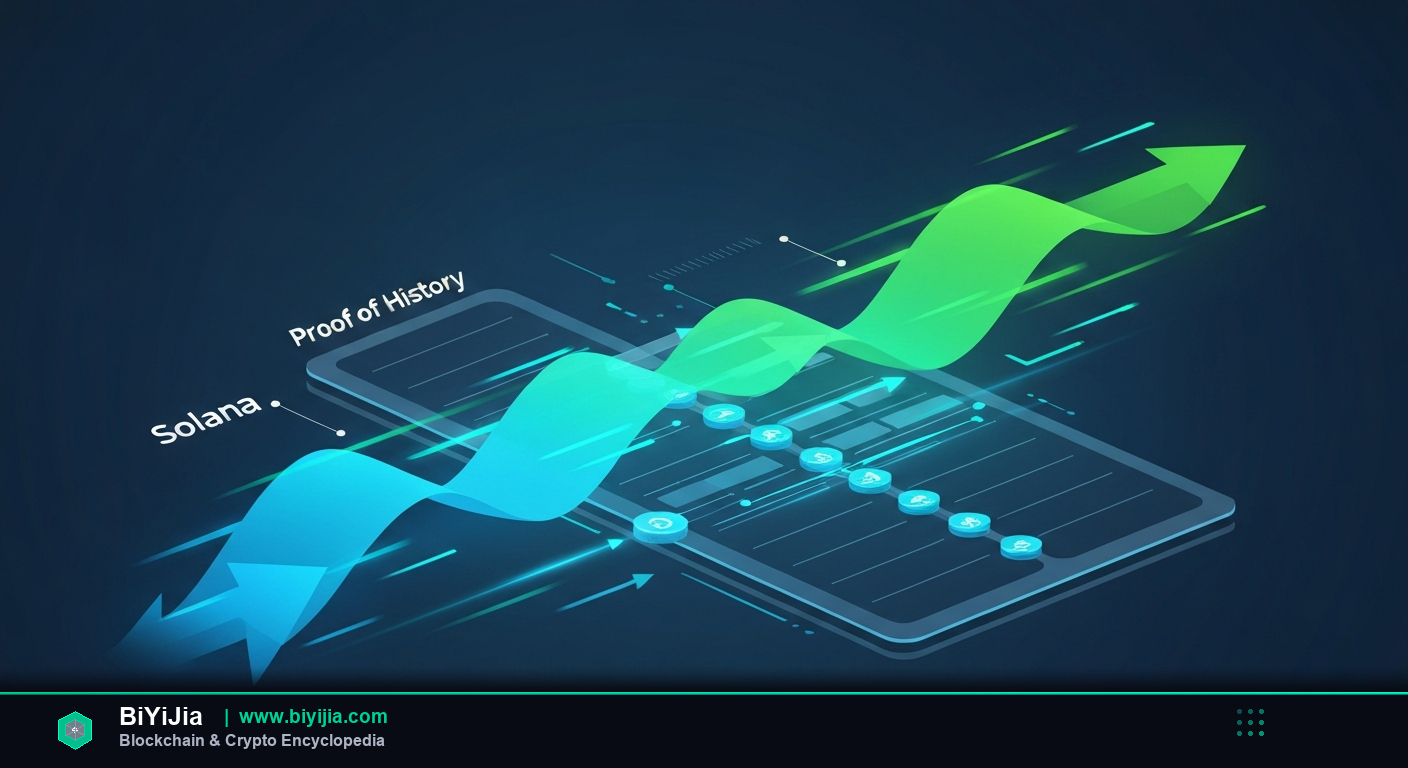
Solana (SOL) is a blockchain platform designed for speed and low transaction fees.
At its core, Solana combines a novel timestamping technique called Proof of History with a traditional Proof of Stake consensus, enabling thousands of transactions per second while keeping costs near zero.
Think of Solana as a high‑speed highway where every car (transaction) gets a precise time‑stamp, so traffic flows smoothly without the stop‑and‑go of older roads.
Key Takeaways
- Solana (SOL) is a fast, low‑fee blockchain built for mass adoption.
- Core features include Proof of History, parallel processing, and sub‑second finality.
- Used by DeFi protocols, NFT marketplaces, and Web3 games.
- Compared to Ethereum, Solana offers higher throughput at a fraction of the gas cost.
- Network congestion and occasional outages are notable risks.
What Is Solana (SOL)?
Solana (SOL) is a public, permissionless blockchain that aims to provide high throughput and low transaction fees.
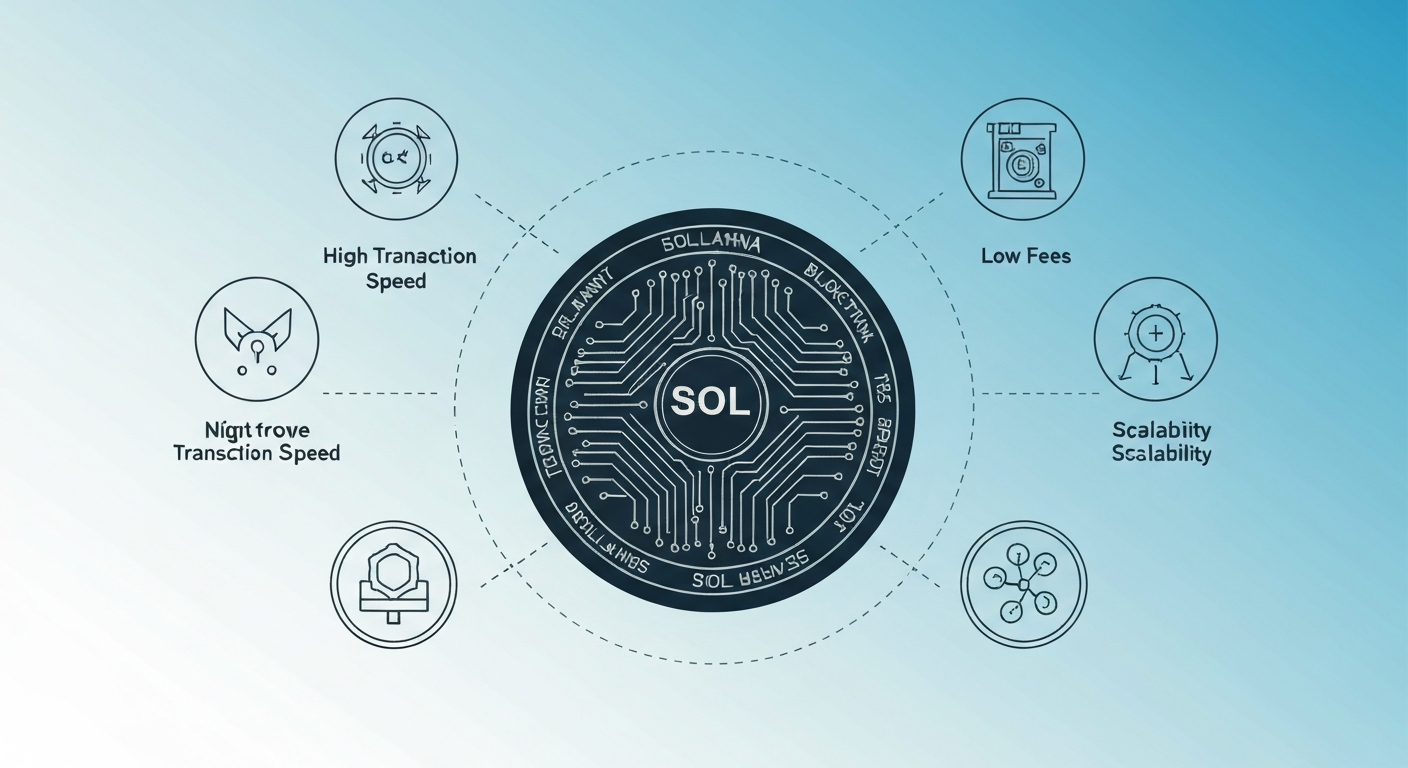
It achieves this by layering Proof of History—a cryptographic clock that orders events—with a Proof of Stake validator set, allowing the network to process many transactions in parallel without sacrificing security.
Imagine a bustling airport where each plane receives a unique slot on a master schedule; that schedule keeps everything moving efficiently, just like Solana's timestamping keeps the chain running fast.
How It Works
- Validators generate a cryptographic ledger of timestamps (Proof of History) that proves an event happened at a specific moment.
- These timestamps are fed into the Proof of Stake engine, where validators stake SOL to earn the right to write new blocks.
- The network processes transactions in parallel using a technique called Sealevel, allowing smart contracts to run simultaneously.
- When a block is finalized, the state is broadcast to the entire network, achieving consensus in under a second.
- Users pay a tiny fee, often a fraction of a cent, because the high throughput spreads the cost across many transactions.
Core Features
- Proof of History: A verifiable delay function that timestamps each transaction, enabling fast ordering without extensive communication.
- High‑Performance Chain: Capable of processing 80,000+ transactions per second (TPS) in lab settings, making it one of the fastest public blockchains.
- Low Fees: Typical transaction costs hover around $0.00025, dramatically lower than most competing networks.
- Parallel Smart Contract Execution: Sealevel lets multiple contracts run side‑by‑side, boosting scalability.
- Native Token – SOL: Used for staking, transaction fees, and participating in governance.
- Interoperability: Bridges connect Solana to Ethereum, Bitcoin, and other ecosystems, expanding its reach.
Real‑World Applications
- Serum: A decentralized exchange built on Solana that offers sub‑second trade execution and zero‑price impact.
- Magic Eden: The leading NFT marketplace on Solana, hosting over 2 million listings and processing $3.5 billion in sales in 2025.
- Raydium: An automated market maker that provides liquidity to Serum order books, supporting over $1 billion in TVL.
- Star Atlas: A blockchain‑based metaverse game where players buy, sell, and trade in‑game assets with near‑instant settlement.
- Solend: A DeFi lending protocol that allows users to earn interest on SOL and other assets with low collateral requirements.
Comparison with Related Concepts
Proof of History vs Proof of Work: PoH provides a chronological record without the massive energy consumption of PoW, while PoW secures the network by requiring miners to solve computational puzzles.
Solana vs Ethereum: Solana processes far more transactions per second and charges pennies per transaction, whereas Ethereum, even after the Shanghai upgrade, still averages 15‑30 TPS with higher gas fees.
Solana vs Binance Smart Chain: Both aim for low fees, but Solana’s decentralized validator set and unique PoH give it a scalability edge over BSC’s more centralized model.
Risks & Considerations
- Network Outages: Past incidents have shown that sudden spikes in demand can temporarily halt block production.
- Centralization Concerns: A relatively small number of validators control a large share of staked SOL, raising questions about governance.
- Smart Contract Bugs: Rapid development has led to several high‑profile exploits; code audits remain essential.
- Regulatory Uncertainty: As DeFi grows, regulators may target high‑throughput chains for compliance checks.
- Token Volatility: SOL’s price can swing dramatically, affecting transaction cost predictability for users.
According to the Solana Foundation’s Q1 2026 report, the network processed an average of 80,000 TPS, surpassing the 65,000 TPS benchmark set in 2024. A separate analytics firm, Messari, recorded that total value locked (TVL) on Solana‑based DeFi jumped to $12 billion by the end of 2025, reflecting growing institutional interest.
Frequently Asked Questions
What is Solana and how does it differ from other blockchains?
Solana is a high‑performance blockchain that leverages Proof of History and Proof of Stake to achieve fast, cheap transactions. Unlike Ethereum’s gas‑heavy model, Solana’s architecture enables thousands of TPS with fees under a cent.
Is SOL a good investment for 2026?
Investing in SOL carries both upside and risk. The network’s growth in DeFi and NFTs suggests strong utility, but price volatility, potential outages, and regulatory shifts should be weighed before committing capital.
Can I use Solana for NFTs?
Absolutely. Solana’s low fees make it ideal for minting and trading NFTs, and marketplaces like Magic Eden and Solanart host millions of digital collectibles on the Solana blockchain.
How does Proof of History work?
Proof of History creates a cryptographic timestamp for each transaction, forming a verifiable sequence that validators can reference without needing to communicate extensively, thus speeding up consensus.
What wallets support SOL?
Popular wallets include Phantom, Solflare, and Ledger hardware wallets. All of them support staking, token swaps, and interaction with Solana dApps.
Summary
Solana (SOL) stands out as a fast, low‑fee blockchain that powers a vibrant ecosystem of DeFi, NFTs, and Web3 games. Its unique Proof of History mechanism and parallel execution make it a compelling alternative to legacy chains, though users should stay mindful of network stability and regulatory developments. Explore related concepts like [internal link: High-Performance Chain] and [internal link: Proof of History] to deepen your understanding.