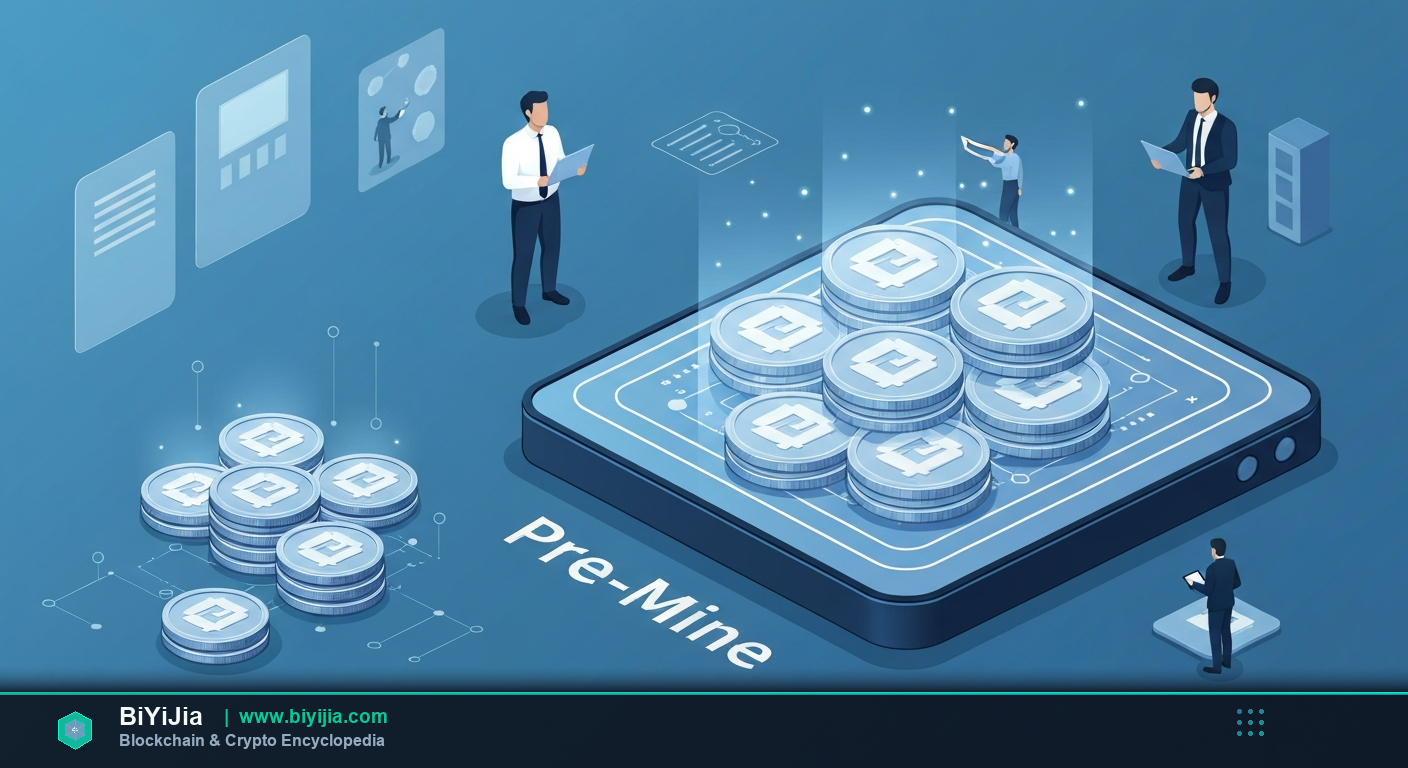

Vesting is a time‑based mechanism that releases crypto tokens gradually rather than all at once.
In practice, a smart contract locks a token allocation and unlocks a portion on each interval—daily, monthly, or yearly—according to the rules set by the project. This prevents sudden market floods, aligns incentives, and gives everyone a clear roadmap for when they can actually use or sell their tokens.
Think of it like a traditional employee stock option plan: you don’t get all your shares on day one; you earn them over years, so you stay motivated to stick around.
Key Takeaways
- Vesting is the structured, time‑based release of tokens to avoid market shocks.
- Typical features include a cliff period, linear release, and customizable intervals.
- Projects use vesting to keep founders, team tokens, and investors aligned with long‑term success.
- Unlike a lump‑sum airdrop, vesting mirrors traditional equity vesting in startups.
- Improperly designed schedules can lead to price dumps or regulatory red flags.
What Is Vesting?
Vesting is the gradual unlocking of crypto tokens according to a preset timetable.
The core idea is simple: a smart contract holds the tokens, then releases a defined slice on each checkpoint—often monthly or quarterly—until the full allocation is free. Developers can choose a cliff (the first lock‑up period) and a linear release or a step‑wise schedule, all encoded on‑chain.
Imagine you win a video game prize that’s delivered level by level; you can’t spend everything immediately, but you get more as you progress, keeping you engaged.
How It Works
- Project creators define the total token allocation for a stakeholder group (e.g., founders, investors).
- They set parameters: cliff length, overall vesting period, and release cadence (monthly, quarterly, etc.).
- A smart contract stores the tokens and tracks timestamps.
- When a release event hits, the contract automatically transfers the unlocked portion to the beneficiary’s wallet.
- The process repeats until the full amount is released, after which the contract can self‑destruct or become dormant.
Core Features
- Cliff Period: An initial lock‑up where no tokens are released, often 6‑12 months.
- Linear Release: Tokens unlock proportionally over time, creating a smooth supply curve.
- Step Release: Larger chunks unlock at specific milestones, useful for milestone‑based funding.
- Revocability: Some contracts allow the project to claw back tokens if conditions aren’t met.
- Transparency: All vesting parameters are on‑chain, enabling anyone to audit the schedule.
- Customizable Schedule: Teams can blend cliffs, linear, and step releases to fit their tokenomics.
Real‑World Applications
- Uniswap (UNI): Founder and team allocations are subject to a 4‑year linear vesting schedule with a 1‑year cliff, ensuring the core team stays incentivized.
- Polygon (MATIC): Early investors receive tokens through a 2‑year vesting schedule that releases monthly, smoothing market impact.
- Solana (SOL): Team tokens follow a 5‑year vesting plan with quarterly releases, aligning long‑term development goals.
- Avalanche (AVAX): The project employs a hybrid model—initial 25% unlock after a 6‑month cliff, then linear release over the next three years.
- Chainlink (LINK): Node operators’ rewards are subject to a 2‑year linear vesting schedule, promoting network stability.
Comparison with Related Concepts
Vesting vs Release Schedule: A vesting schedule is a subset of a release schedule focused on token allocations for insiders, while a release schedule can also refer to public token sales or airdrops.
Team Tokens vs Investor Tokens: Team tokens typically have longer cliffs and more gradual releases to prevent early sell‑offs, whereas investor tokens often have shorter cliffs but may still follow a linear release to protect market health.
Linear Release vs Step Release: Linear release spreads tokens evenly over time, smoothing supply; step release delivers larger packets at milestones, which can create short‑term price pressure spikes.
Risks & Considerations
- Dump Risk: If many stakeholders’ cliffs end simultaneously, the market can see a sudden surge of sell orders.
- Contract Bugs: Faulty smart‑contract code could lock tokens forever or release them prematurely.
- Regulatory Scrutiny: Poorly structured vesting may be viewed as securities distribution, attracting legal challenges.
- Misaligned Incentives: Overly generous vesting for founders can dilute community trust.
- Liquidity Constraints: Early-stage projects may not have enough market depth to absorb released tokens without price impact.
According to a 2024 DeFi analytics report, projects that implemented a 12‑month cliff followed by a linear vesting schedule saw a 30% lower post‑launch price volatility compared to those with immediate token releases (Source: DeFi Pulse 2024).
Data from the Tokenomics Institute shows that 68% of top‑100 crypto projects in 2025 used some form of crypto vesting to manage supply, highlighting its mainstream adoption (Source: Tokenomics Institute, 2025).
Frequently Asked Questions
What is token vesting and why does it matter?
Token vesting is the systematic unlocking of tokens over time. It matters because it aligns incentives, reduces the risk of massive sell‑offs, and adds credibility for investors looking for disciplined tokenomics.
How long should a typical vesting schedule be?
Most projects opt for 2‑4 years with a 6‑12 month cliff. The exact length depends on the project's roadmap, the role of the beneficiaries, and market conditions.
Can vesting schedules be changed after deployment?
Only if the smart contract includes an admin function for updates. Many teams deliberately lock the schedule immutable to assure the community that the rules won’t be altered.
What is a linear release versus a step release?
Linear release spreads token unlocks evenly across the vesting period, creating a smooth supply curve. Step release unlocks larger chunks at predefined milestones, which can be useful for milestone‑based funding but may cause short‑term price pressure.
Do investors pay taxes on tokens as they vest?
Tax treatment varies by jurisdiction, but generally, each unlocked portion is considered taxable income at its fair market value at the time of release.
How does vesting affect DeFi (Decentralized Finance) protocols?
In DeFi, vesting helps bootstrap liquidity providers and governance token holders, ensuring that early participants stay committed while the protocol matures.
Summary
Vesting is the structured, time‑based release of crypto tokens that protects projects from sudden supply shocks and aligns stakeholder incentives. Understanding vesting schedules, cliffs, and linear versus step releases is essential for anyone navigating tokenomics or investing in new protocols.
Explore related concepts like Release Schedule, Team Tokens, and Investor allocations to deepen your grasp of token distribution mechanics.