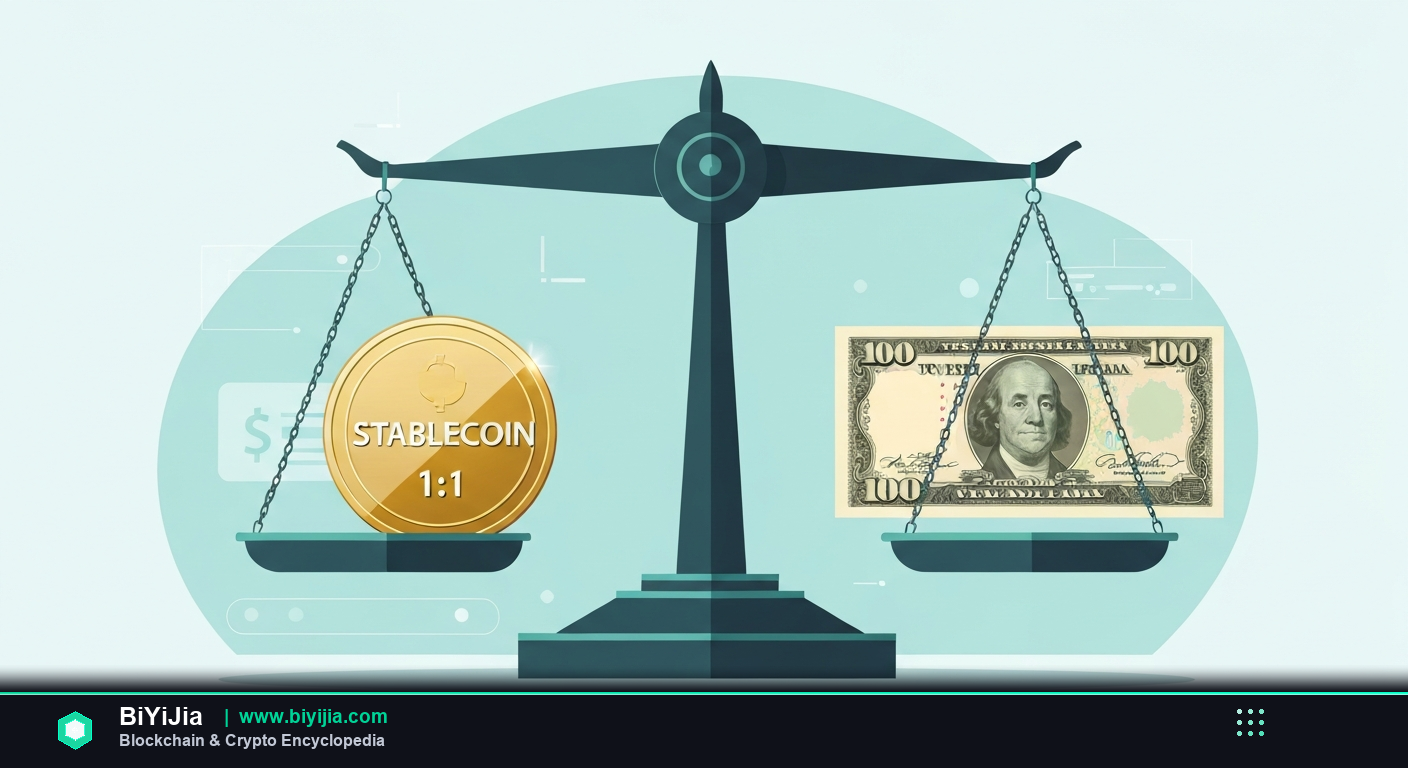
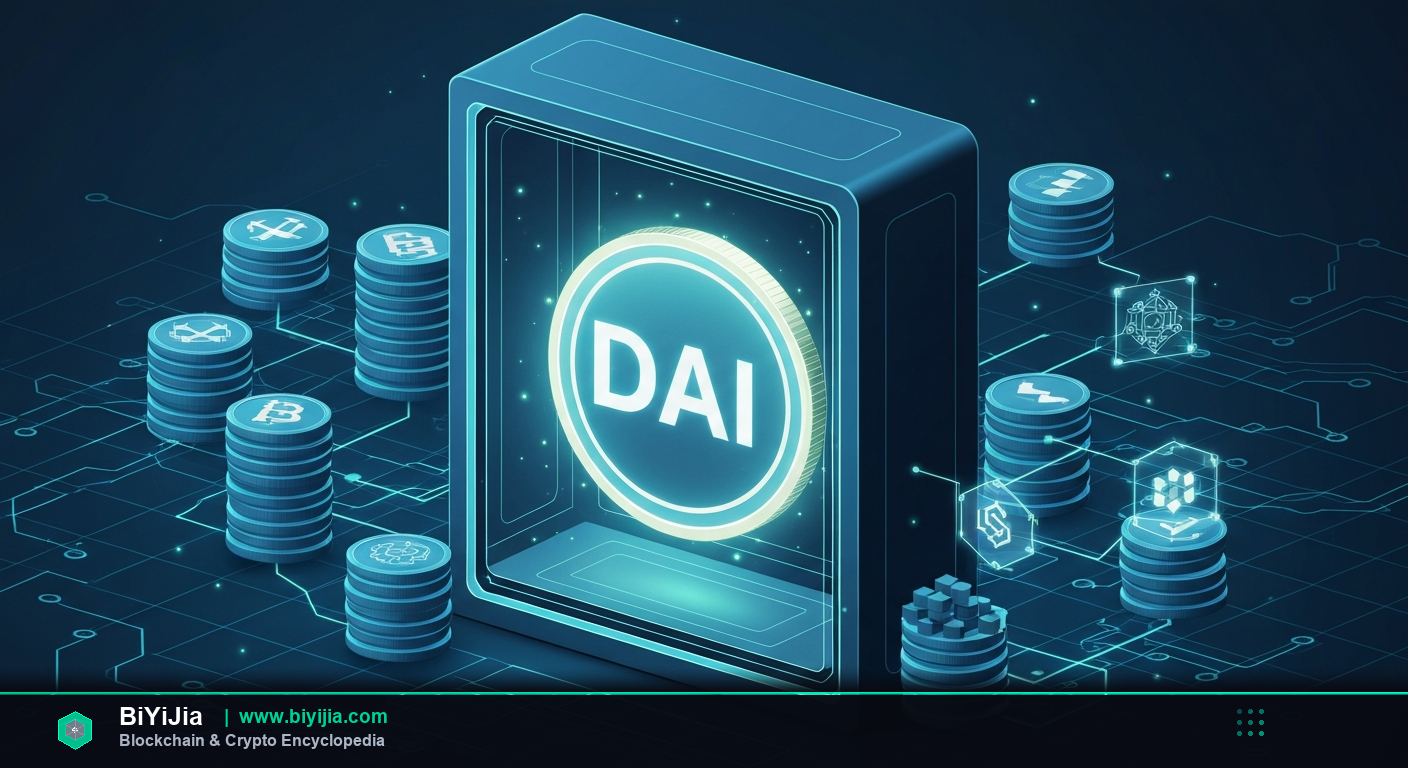
DAI is a decentralized stablecoin created by MakerDAO that maintains a US‑dollar peg through over‑collateralized crypto assets.
Key Takeaways
- Definition: DAI is a crypto‑backed stablecoin that aims to stay at $1.
- Core mechanic: It uses over‑collateralized vaults on the MakerDAO protocol.
- Real‑world use: DAI powers payments, lending, and DeFi yields across multiple platforms.
- Traditional comparison: Unlike fiat‑backed stablecoins, DAI is not held by a central bank or corporation.
- Risk note: Collateral volatility and governance changes can affect stability.
What Is DAI?
In plain English, DAI is a stablecoin that tries to stay equal to one US dollar without relying on a traditional bank.
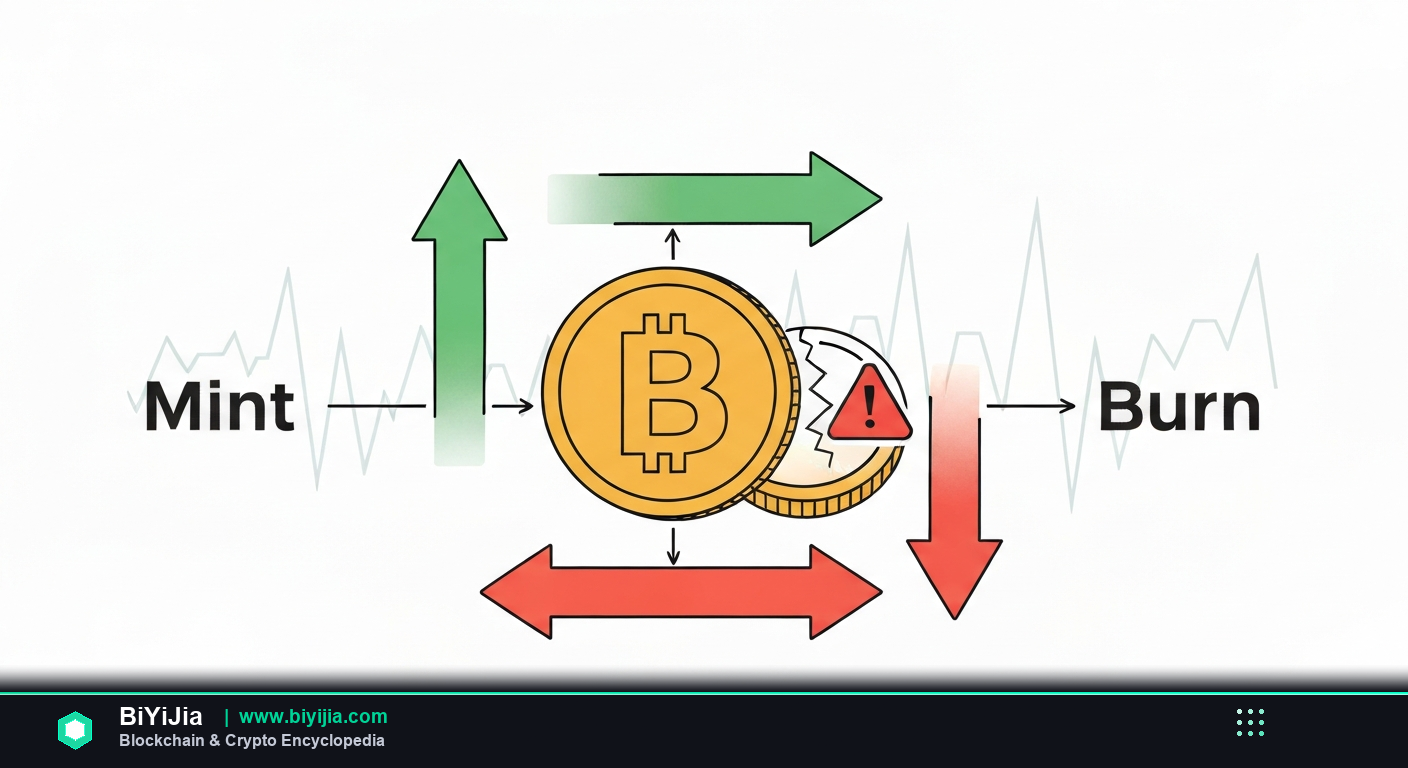
The technical side hinges on the MakerDAO protocol, where users lock up crypto assets—primarily ETH and other approved tokens—into a Collateralized Debt Position (CDP), now called a vault. The system mints DAI against that collateral, and a suite of smart contracts, price oracles, and governance votes keep the peg by adjusting stability fees and collateral ratios.
Think of DAI like a pawn shop receipt: you hand over valuable items, get a loan in cash, and the shop ensures the loan never exceeds a safe fraction of the items’ value. If the items lose value, you either add more collateral or the shop sells them to cover the loan.
How It Works
- Deposit collateral: A user sends Ethereum or other supported tokens to a MakerDAO vault.
- Generate DAI: The vault issues DAI based on a collateralization ratio (e.g., 150%). The user receives freshly minted DAI.
- Maintain the peg: Decentralized price oracles feed market data; if DAI drifts above $1, the system raises the stability fee, making borrowing costlier. If it falls below, the fee drops.
- Liquidation safeguard: Should the collateral value drop too low, the vault is automatically liquidated, selling assets to cover the DAI issued.
- Repay and retrieve: The user pays back the DAI plus fees, unlocking the original collateral.
Core Features
- Over‑Collateralized: Every DAI is backed by crypto assets worth more than the stablecoin’s face value, reducing default risk.
- Decentralized Governance: Maker token (MKR) holders vote on risk parameters, new collateral types, and system upgrades.
- Stablecoin Peg: Algorithmic incentives keep DAI within a tight band around $1, typically ±0.5%.
- Multi‑Collateral Support: Beyond ETH, assets like WBTC, USDC, and even tokenized real‑world assets can back DAI.
- Open‑Source Smart Contracts: All code lives on Ethereum, allowing anyone to audit or build on top of MakerDAO.
- Permissionless Access: Anyone with an Ethereum wallet can create a vault and mint DAI without KYC.
Real‑World Applications
- Uniswap Liquidity Pools: DAI pairs with ETH, USDC, and other tokens, providing low‑slippage trading for over $2 billion in daily volume (2026 data).
- Aave Lending: Users deposit DAI to earn interest rates that have averaged 3.8% APY in Q1 2026.
- MetaMask Swaps: The built‑in swap feature lets users convert fiat‑linked assets to DAI instantly for cross‑border payments.
- Gitcoin Grants: DAI funds open‑source projects, with over $150 million allocated through quadratic funding rounds since 2023.
- Travel & Remittance Apps: Platforms like BitPay accept DAI for merchant payments, reporting transaction values exceeding $500 million in 2025.
Comparison with Related Concepts
DAI vs USDC: DAI is fully decentralized and collateralized by volatile crypto, while USDC is fiat‑backed and issued by regulated entities, giving USDC higher regulatory clarity but less censorship resistance.
DAI vs Tether (USDT): Both aim for a $1 peg, but Tether relies on claimed fiat reserves, whereas DAI relies on transparent smart contracts and over‑collateralization, making DAI less prone to reserve‑audit disputes.
DAI vs Traditional Stablecoins: Traditional stablecoins often depend on centralized custodians; DAI’s governance is token‑based, allowing the community to adjust risk parameters without a single point of control.
Risks & Considerations
- Collateral Volatility: Sharp drops in crypto prices can trigger mass liquidations, temporarily destabilizing the peg.
- Governance Attack: If a large holder of MKR coordinates a malicious vote, system parameters could be altered unfavorably.
- Smart Contract Bugs: Although audited, any vulnerability in MakerDAO contracts could lead to loss of collateral or DAI.
- Regulatory Scrutiny: As a prominent stablecoin, DAI may attract future regulations that could affect its permissionless nature.
- Liquidity Constraints: In extreme market stress, DAI might experience higher slippage on large trades.
As of Q4 2025, MakerDAO DAI’s market cap exceeded $7.2 billion according to DeFi Pulse, reflecting growing institutional adoption. In March 2026, total value locked (TVL) in DAI‑backed vaults surpassed $30 billion, a 12% year‑over‑year increase.
Frequently Asked Questions
What is the difference between DAI and other stablecoins?
DAI is unique because it is fully decentralized and backed by crypto collateral, whereas many stablecoins like USDC or USDT are fiat‑backed and issued by centralized entities. This means DAI’s stability comes from algorithmic incentives and community governance rather than a bank holding dollars.
How can I create DAI?
To mint DAI, you open a vault on the MakerDAO platform, deposit approved collateral (e.g., ETH, WBTC), and generate DAI up to the allowed collateralization ratio. You then pay a stability fee when you repay the loan to retrieve your collateral.
Is DAI safe to hold for long‑term savings?
DAI’s peg has historically stayed within a narrow band around $1, making it a relatively stable store of value compared to volatile cryptocurrencies. However, you should monitor collateral health, governance proposals, and market conditions, as extreme events can affect the peg.
Can DAI be used for payments?
Absolutely. Many wallets, payment processors, and DeFi platforms accept DAI for purchases, remittances, and payroll. Its on‑chain nature enables near‑instant settlement without traditional banking intermediaries.
What role does MKR play in the system?
MKR is the governance token of MakerDAO. Holders vote on risk parameters, new collateral types, and system upgrades. MKR also serves as a recapitalization asset; if the system incurs a shortfall, MKR can be minted and sold to cover deficits.
Will DAI remain decentralized as it grows?
The protocol is designed to stay decentralized through token‑based governance and open‑source code. Nonetheless, concentration of MKR ownership and regulatory pressures could influence future decentralization levels, so community vigilance remains essential.
In summary, DAI is a decentralized stablecoin that maintains a $1 peg through over‑collateralized vaults and community governance. Its resilience, open architecture, and growing ecosystem make it a cornerstone of Decentralized Finance (DeFi) as of 2026. Understanding DAI alongside concepts like Over‑Collateralized, MakerDAO, and CDP helps newcomers navigate the broader stablecoin landscape.