
Stablecoin refers to a digital asset designed to maintain a stable value by pegging to a reserve asset, making it useful for everyday transactions and crypto trading.
Key Takeaways
- Stablecoins are crypto tokens that aim to keep a predictable price, usually 1:1 with a fiat currency.
- Core features include collateralization, algorithmic supply controls, and transparent audits.
- They power cross‑border payments, DeFi lending, and act as a safe haven during market volatility.
- Compared to cash, stablecoins settle instantly on blockchain, but they still carry custodial and regulatory risks.
- Investors should watch for peg failures, regulatory crackdowns, and smart‑contract bugs.
What Is Stablecoin?
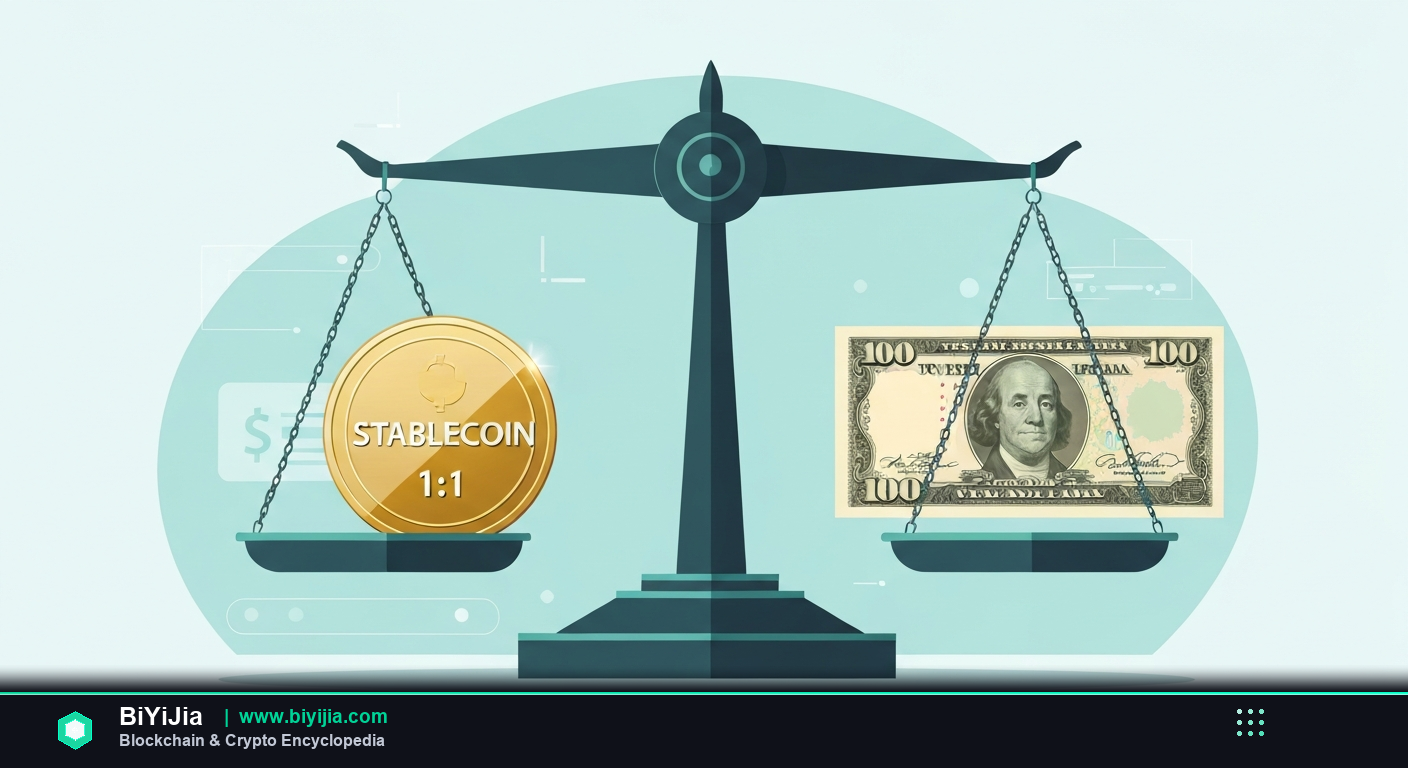
What is a stablecoin? It is a cryptocurrency that tries to keep its price steady, typically by tying its value to a real‑world asset like the US dollar.
Technically, stablecoins achieve price stability through one of three mechanisms: fiat‑backed reserves, crypto collateral, or algorithmic supply adjustments. The reserves are held in bank accounts or smart contracts, and regular audits aim to prove that each token is fully backed.
Think of a stablecoin like a digital dollar bill you can send across the globe in seconds, just as you would hand a physical cash note to a friend, but without the need for a bank to clear the transaction.
How It Works
- Issuer locks up collateral—either fiat, other crypto, or a mix—into a trusted vault or smart contract.
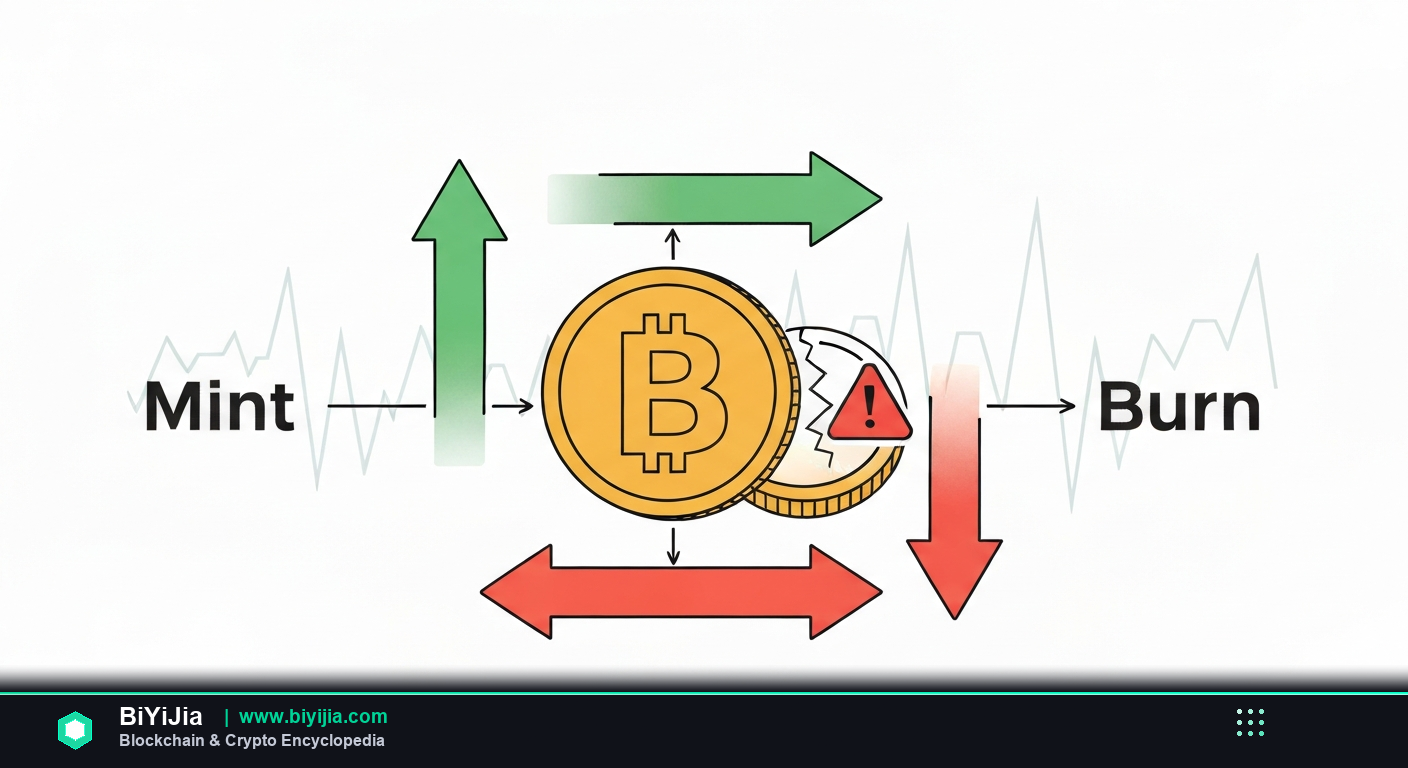
- For each unit of collateral, a corresponding stablecoin token is minted and released to users.
- When users redeem the token, the issuer burns the token and releases the underlying collateral back to the holder.
- Algorithmic models may automatically expand or contract supply based on market price signals to keep the peg intact.
- Regular third‑party audits or on‑chain transparency tools publish proof of reserves, reinforcing trust.
Core Features
Price Peg: The token is designed to stay close to a target value, most commonly $1 USD.
Collateral Backing: Assets—fiat, crypto, or commodities—are reserved to underwrite each issued token.
Transparency: Audits, attestations, or on‑chain proof‑of‑reserves let users verify backing.
Liquidity: Stablecoins trade on almost every major exchange, providing instant conversion to other assets.
Regulatory Compliance: Many issuers register with financial authorities and implement KYC/AML procedures.
Algorithmic Control: Some designs adjust token supply automatically without holding traditional collateral.
Real-World Applications
- USDT (Tether): The oldest fiat‑pegged stablecoin, with over $83 billion in circulation as of Q1 2026 (source: Tether Transparency Report).
- USDC (Circle): Fully audited USD‑backed token, widely used on DeFi platforms; daily transaction volume topped $12 billion in 2025 (source: Circle Quarterly Review).
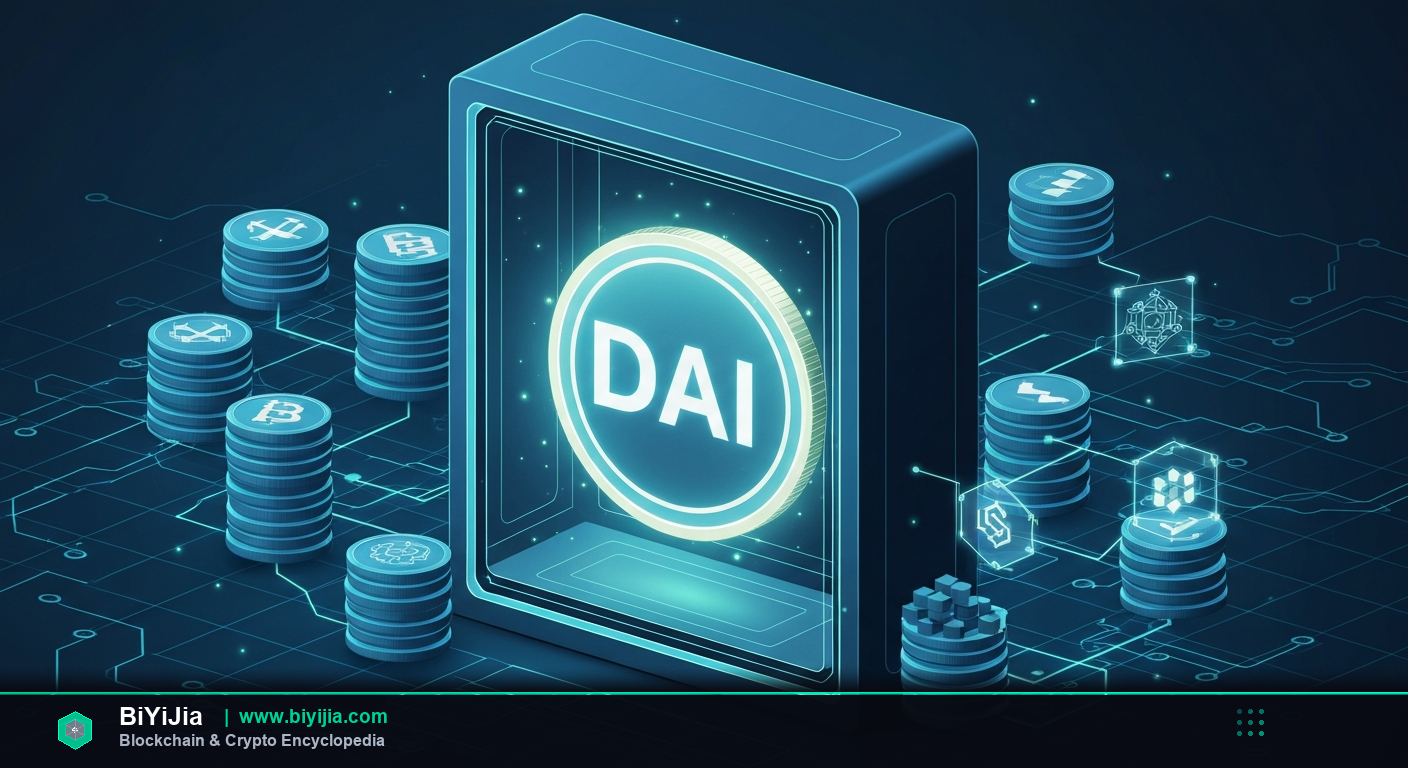
- DAI (MakerDAO): Crypto‑collateralized stablecoin that stays near $1 by over‑collateralizing with Ether and other assets; total value locked reached $24 billion in 2026 (source: MakerDAO Governance Dashboard).
- Payments on eCommerce: Platforms like Shopify allow merchants to accept USDC, reducing charge‑back risk and settlement time.
- Cross‑border Remittances: Companies such as Ripple use USDT to move money between countries in seconds, cutting fees to under 0.5%.
Comparison with Related Concepts
Stablecoin vs Fiat Currency: Fiat is issued by governments and settles through traditional banking rails, while stablecoins settle on blockchain instantly and can be programmed for automated payouts.
Stablecoin vs Cryptocurrency: Regular cryptocurrencies like Bitcoin have volatile prices; stablecoins aim for predictability, making them better for everyday purchases and as a hedge during market swings.
USDT vs USDC: Both are fiat‑pegged, but USDT has faced scrutiny over reserve transparency, whereas USDC follows stricter audit standards and is regulated in the United States.
DAI vs Fiat‑Pegged Stablecoins: DAI is crypto‑collateralized and algorithmically managed, offering decentralization, while fiat‑pegged tokens rely on traditional bank accounts and are subject to central authority control.
Risks & Considerations
Peg Failure: If reserves dwindle or market panic hits, the token can deviate from its target, as seen when USDT briefly slipped to $0.97 in 2023.
Regulatory Uncertainty: Governments worldwide are drafting stablecoin regulations; non‑compliance could lead to freezes or bans.
Custodial Risk: Centralized issuers hold the backing assets; a hack or mismanagement could jeopardize the peg.
Smart‑Contract Bugs: Algorithmic stablecoins depend on code; bugs can cause runaway supply changes, exemplified by the TerraUSD collapse in 2022.
Liquidity Crunch: During extreme market stress, demand for redemption can outpace available reserves, causing delayed withdrawals.
Embedded Key Data
According to the Crypto Market Index, stablecoins accounted for 12.4% of total crypto market cap in Q2 2026, up from 8.1% in 2022. The same report shows that daily transaction volume for stablecoins surpassed $150 billion in early 2026, reflecting their growing role in global payments.
Frequently Asked Questions
What is a stablecoin and how is it different from Bitcoin?
A stablecoin is a digital token whose price is anchored to a stable asset, usually a fiat currency like the US dollar. Bitcoin, by contrast, is a decentralized store of value with a market‑determined price that can swing wildly. Stablecoins are meant for day‑to‑day transactions, while Bitcoin is often treated as digital gold.
How do fiat‑pegged stablecoins maintain their 1:1 ratio?
Issuers keep an equivalent amount of fiat in reserve for every token they mint. Regular audits and real‑time proof‑of‑reserves dashboards let users verify that each token is fully backed. When a user redeems a token, the issuer burns it and returns the underlying fiat.
Are algorithmic stablecoins truly decentralized?
Algorithmic models, like the one used by TerraUSD before its collapse, rely on smart‑contract code to adjust supply automatically. While they remove the need for a central custodian, they still depend on the correctness of the code and the incentives built into the system, which can be a point of centralization if a single entity controls key parameters.
Can I use stablecoins for everyday purchases?
Yes. Many merchants, especially in the e‑commerce space, accept USDC or USDT as payment, converting the receipt to fiat instantly. Payment processors are adding stablecoin gateways, allowing consumers to pay with a digital dollar that settles in seconds.
What should I watch out for when choosing a stablecoin?
Look at reserve transparency, regulatory compliance, and the issuer’s track record. USDC, for example, publishes monthly attestations, while some newer tokens may rely only on on‑chain metrics. Also consider the blockchain’s transaction fees and speed; a stablecoin on a high‑fee network can become costly for small purchases.
How will future regulations affect stablecoins?
Regulators are moving toward clearer frameworks that may require issuers to hold reserves in highly liquid assets, implement stronger KYC/AML, and obtain licenses. While this could increase trust, it may also raise compliance costs and limit the availability of certain decentralized stablecoins.
Summary
Stablecoins are crypto‑based tokens engineered to keep a steady price, bridging the gap between digital assets and traditional money. Their ability to move value instantly and cheaply makes them essential for DeFi, cross‑border payments, and everyday commerce. Understanding the different types—fiat‑pegged, crypto‑collateralized, and algorithmic—and the associated risks helps you navigate this fast‑growing segment of the blockchain ecosystem.