
Key Takeaways
- Definition: ENS is a blockchain‑based naming protocol that links .eth names to crypto addresses and more.
- Core features: Human‑readable names, NFT‑backed ownership, reverse resolution, and multi‑coin support.
- Real‑world application: Enables seamless payments, login‑free Web3 experiences, and decentralized website hosting.
- Traditional comparison: Acts like the internet’s DNS, but without a central authority.
- Risk warning: Name squatting, phishing, and irreversible contract interactions require caution.
What Is ENS (Ethereum Name Service)?
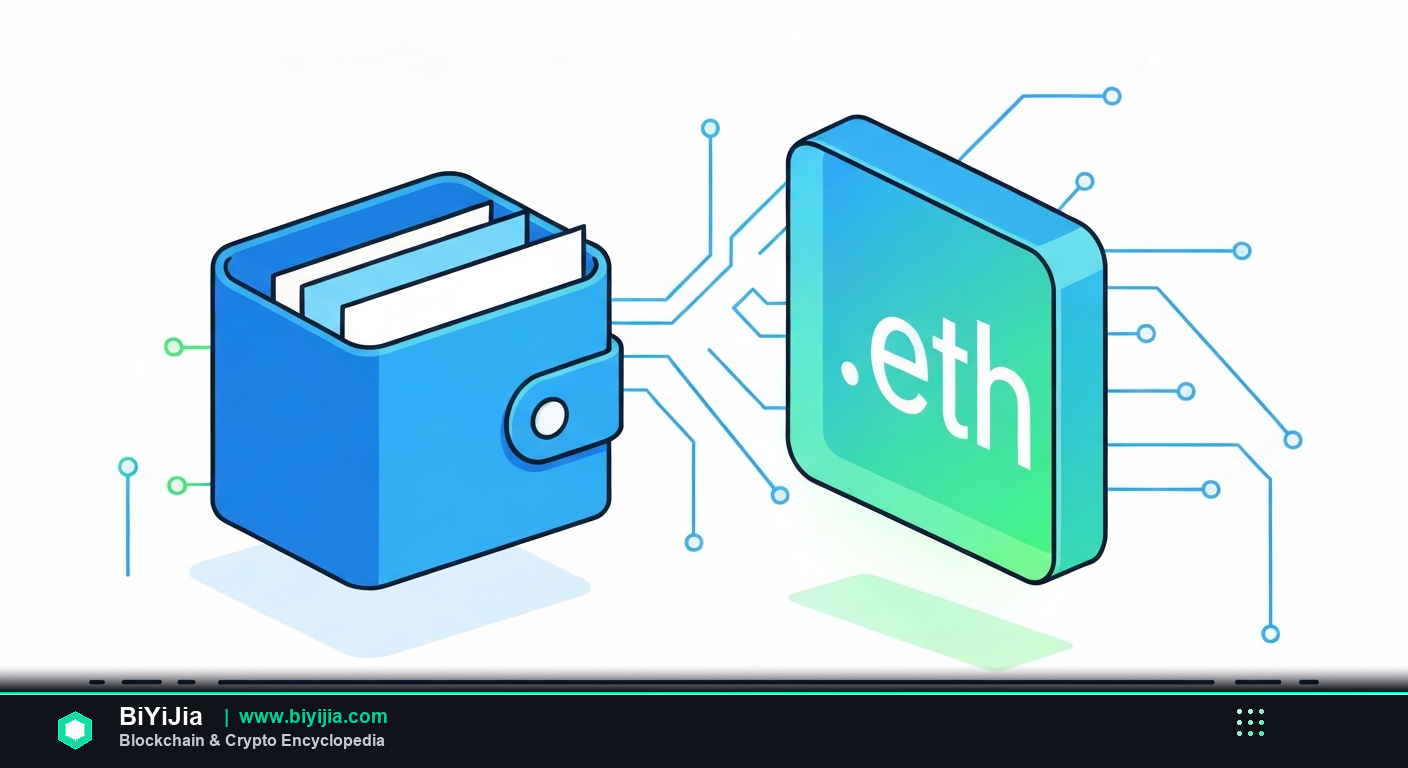
ENS (Ethereum Name Service) is a decentralized naming system that lets you replace long hexadecimal addresses with easy‑to‑read .eth domain names.
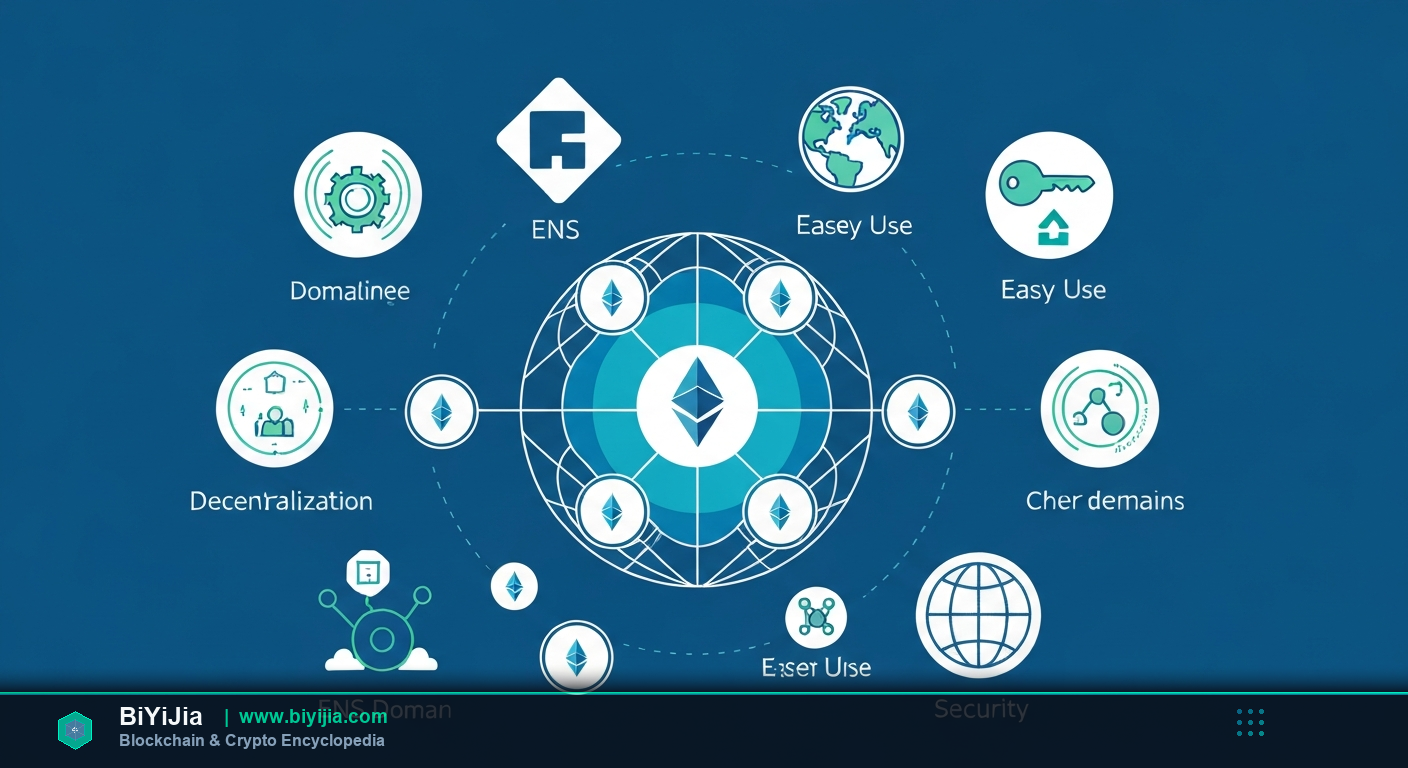
Under the hood, ENS operates as a set of smart contracts on Ethereum that store mappings between a name hash and a resolver contract. The resolver then points the name to an address, a content hash for IPFS, or other data types. Because the mapping lives on-chain, ownership is provable, transferable, and censorship‑resistant.
Think of ENS like the phone book of the crypto world: instead of scrolling through a list of numbers, you look up a name like "alice.eth" and instantly get her wallet address, social profile, or website.
How It Works
- Register a .eth name through the ENS app or a supporting wallet, paying a yearly rent plus a one‑time registration fee.
- The name is minted as an ERC‑721 NFT, granting the holder full control over the domain.
- Assign a resolver contract to the name; the resolver stores the actual address or content hash.
- When a dApp or wallet encounters the .eth name, it queries the ENS registry, fetches the resolver, and retrieves the linked data.
- Renew the registration before expiry to keep the name active; otherwise, it returns to the public pool.
Core Features
Human‑Readable Names: Replace 0x… strings with memorable .eth identifiers.
NFT Ownership: Each domain is an ERC‑721 token, enabling seamless transfers and marketplace sales.
Reverse Resolution: Allows a wallet address to point back to its .eth name, useful for profile displays.
Multi‑Coin Support: One name can resolve to Bitcoin, Polygon, or any EVM‑compatible address via the same resolver.
Content Hash Mapping: Directs .eth names to decentralized storage like IPFS, powering Web3 websites.
Subdomain Delegation: Owners can create sub‑domains (e.g., blog.alice.eth) and assign separate resolvers without extra registration fees.
Real-World Applications
- OpenSea: Uses ENS names for creator profiles, allowing buyers to send funds to "artist.eth" instead of a raw address.
- Uniswap Interface: Supports ENS for swapping tokens; users can type "dai.eth" to auto‑fill contract addresses.
- IPFS Gateway (Fleek): Hosts decentralized sites at "myblog.eth", eliminating traditional domain costs.
- Lens Protocol: Links .eth names to social handles, enabling cross‑platform identity.
- MetaMask: Displays ENS names in the account dropdown, simplifying wallet management.
Comparison with Related Concepts
ENS vs DNS: DNS is controlled by registrars and can be seized; ENS lives on a public blockchain, making it uncensorable and owner‑controlled.
ENS vs Traditional Wallet Addresses: Addresses are immutable and unreadable; ENS adds a layer of memorability and can point to multiple resources.
ENS vs Unstoppable Domains: Both provide blockchain domains, but ENS is native to Ethereum, supports NFT ownership, and has broader ecosystem integration.
Risks & Considerations
Name Squatting: Popular names are often bought early and resold at a premium, making it expensive for newcomers.
Phishing Attacks: Malicious actors can register look‑alike names (e.g., "paypa1.eth") to trick users.
Irreversible Transactions: Sending funds to a wrong ENS name results in loss, as smart contracts cannot be undone.
Renewal Failure: If you miss the renewal window, the domain expires and may be grabbed by someone else.
Smart Contract Bugs: Vulnerabilities in resolver contracts could expose linked addresses.
Embedded Key Data
As of Q2 2026, over 1.2 million .eth domains have been registered, according to ENS Labs. In 2025, ENS‑related transactions moved roughly $3.4 billion in value, based on Dune Analytics.
Frequently Asked Questions
What is the difference between a .eth domain and a regular DNS domain?
A .eth domain is stored on the Ethereum blockchain, giving the owner full control and making it resistant to censorship, while a DNS domain lives on centralized servers managed by registrars that can be seized or altered.
Can I use an ENS name to receive cryptocurrencies other than ETH?
Yes. Modern resolvers support multi‑coin addresses, so you can map the same .eth name to Bitcoin, Polygon, or any EVM‑compatible token address.
How much does it cost to register a .eth name?
Registration fees vary by name length and market demand, but the baseline includes a yearly rent (typically 0.01 ETH for a three‑character name) plus a one‑time gas fee for the NFT mint.
Is my ENS name an NFT?
Indeed. Each registered .eth domain is minted as an ERC‑721 token, which means you can trade it on NFT marketplaces just like any other digital collectible.
Do I need to renew my ENS name forever?
ENS names require annual renewal to stay active. If you let a name lapse, it returns to the public pool and can be registered by anyone.
What is Reverse Resolution and why does it matter?
Reverse Resolution lets a wallet address point back to its ENS name, enabling dApps to display a readable name instead of a raw address, which improves user experience and trust.
Summary
ENS (Ethereum Name Service) transforms cryptographic addresses into human‑readable .eth domains, acting as the decentralized counterpart to DNS. Its NFT‑based ownership, multi‑coin support, and integration across Web3 make it a cornerstone of blockchain identity, while users must stay vigilant against squatting and phishing. For deeper insight, explore related concepts like Domain Name, Address Mapping, Web3 Identity, and NFT.