
Key Takeaways
- Definition: A DID is a blockchain‑based identifier that lets individuals own and manage their digital identity.
- Core features: Cryptographic control, portability, and verifiable credentials.
- Real‑world use: Projects like ENS, KILT Protocol, and Microsoft’s ION use DIDs for login, reputation, and compliance.
- Traditional contrast: Unlike usernames stored in a corporate database, DIDs are not tied to any single provider.
- Risk warning: Private key loss or poor implementation can expose users to identity theft.
What Is DID (Decentralized Identity)?
In plain language, a DID is a tamper‑proof digital name that you control yourself.
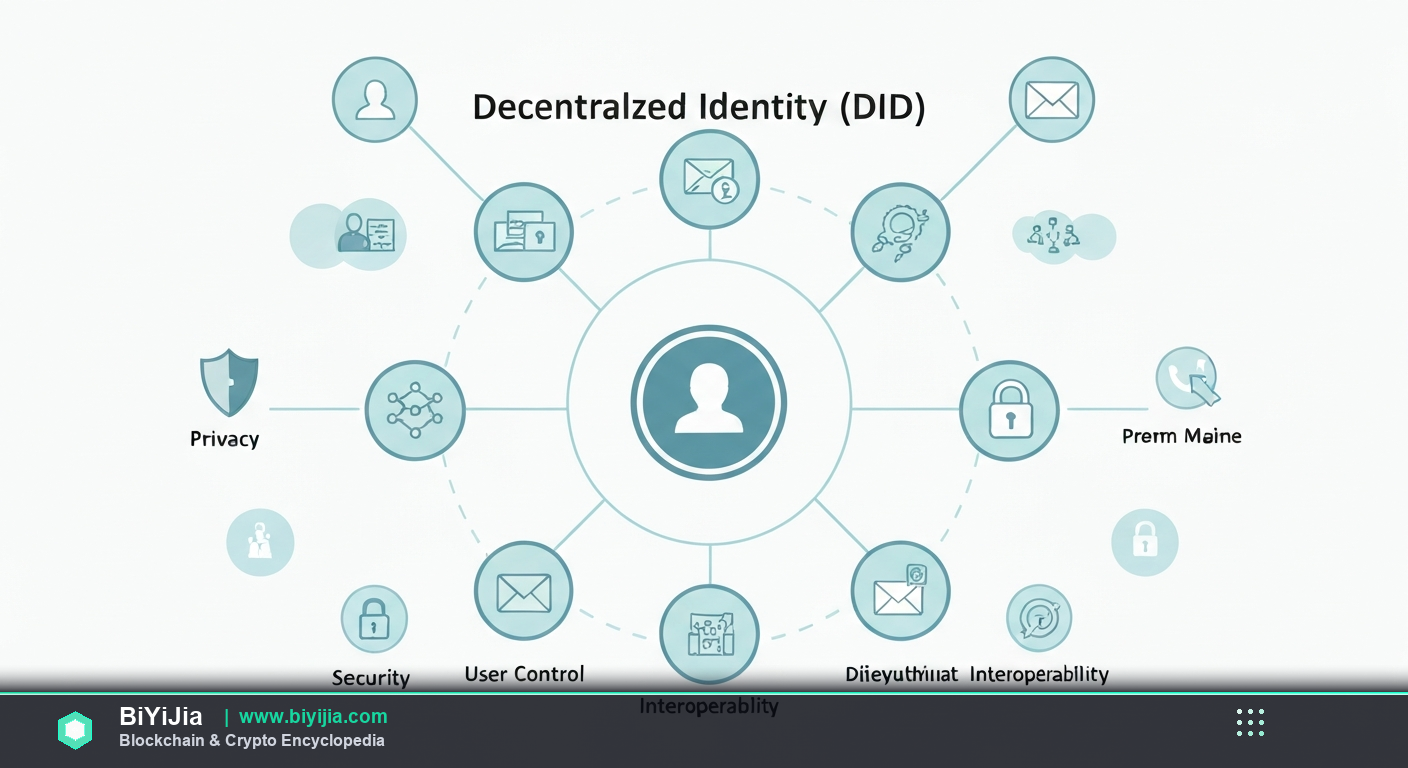
Technically, a DID consists of three parts: the method identifier (which blockchain or ledger is used), the unique string, and a set of associated public keys and service endpoints stored in a DID Document. The document lives on a decentralized network, so no single entity can edit or delete it without your cryptographic consent. This design turns the traditional identity model upside down: the user, not a corporation, becomes the source of truth.
Think of a DID like a physical passport that you keep in a safe deposit box you own. The passport itself proves who you are, but the box’s key is only yours. If you hand the box to a border officer, they can verify the passport without ever seeing the key.
How It Works
- Generate a key pair on your device; the private key stays hidden, the public key is published.
- Register the public key on a blockchain using a DID method (e.g., did:ethr, did:ion).
- Publish a DID Document that lists the public key, authentication methods, and any service endpoints you want to expose.
- When you present a credential, the verifier checks the signature against the public key recorded in the DID Document.
- If you need to rotate keys or add services, you update the DID Document via a signed transaction on the same ledger.
Core Features
- Self‑sovereignty: Ownership lives in the private key, not in a corporate database.
- Portability: Move your DID from one app to another without re‑issuing credentials.
- Interoperability: Standardized DID Documents work across multiple blockchains and platforms.
- Verifiable credentials: Credentials can be cryptographically proven without exposing underlying data.
- Privacy‑by‑design: Selective disclosure lets you share only the attributes needed for a transaction.
- Revocability: Issuers can revoke credentials by updating the DID Document or publishing a revocation list.
Real‑World Applications
- Ethereum Name Service (ENS): ENS usernames are backed by DIDs, enabling wallet‑based login for DeFi platforms; over 1.2 million .eth names were registered in 2025 (ENS Registry).
- KILT Protocol: Issues decentralized credentials for professional licensing; by Q4 2025, more than 300,000 credentials had been minted (KILT Annual Report).
- Microsoft ION: A public, permission‑less DID network built on Bitcoin; supports identity for enterprise SaaS solutions with over 12 million DIDs created as of early 2026 (Microsoft Identity Blog).
- Worldcoin: Combines biometric verification with a DID to grant a universal digital ID; reported 80 million users by mid‑2025 (Worldcoin Transparency Report).
- Borderless Access: A consortium of European cities pilots DID‑based travel passes that replace paper tickets, cutting check‑in times by 40 % (EU Mobility Study 2025).
Comparison with Related Concepts
DID vs Traditional Username: A username lives on a provider’s server and can be reclaimed or deleted at will. A DID lives on an immutable ledger; only the holder of the private key can prove ownership.
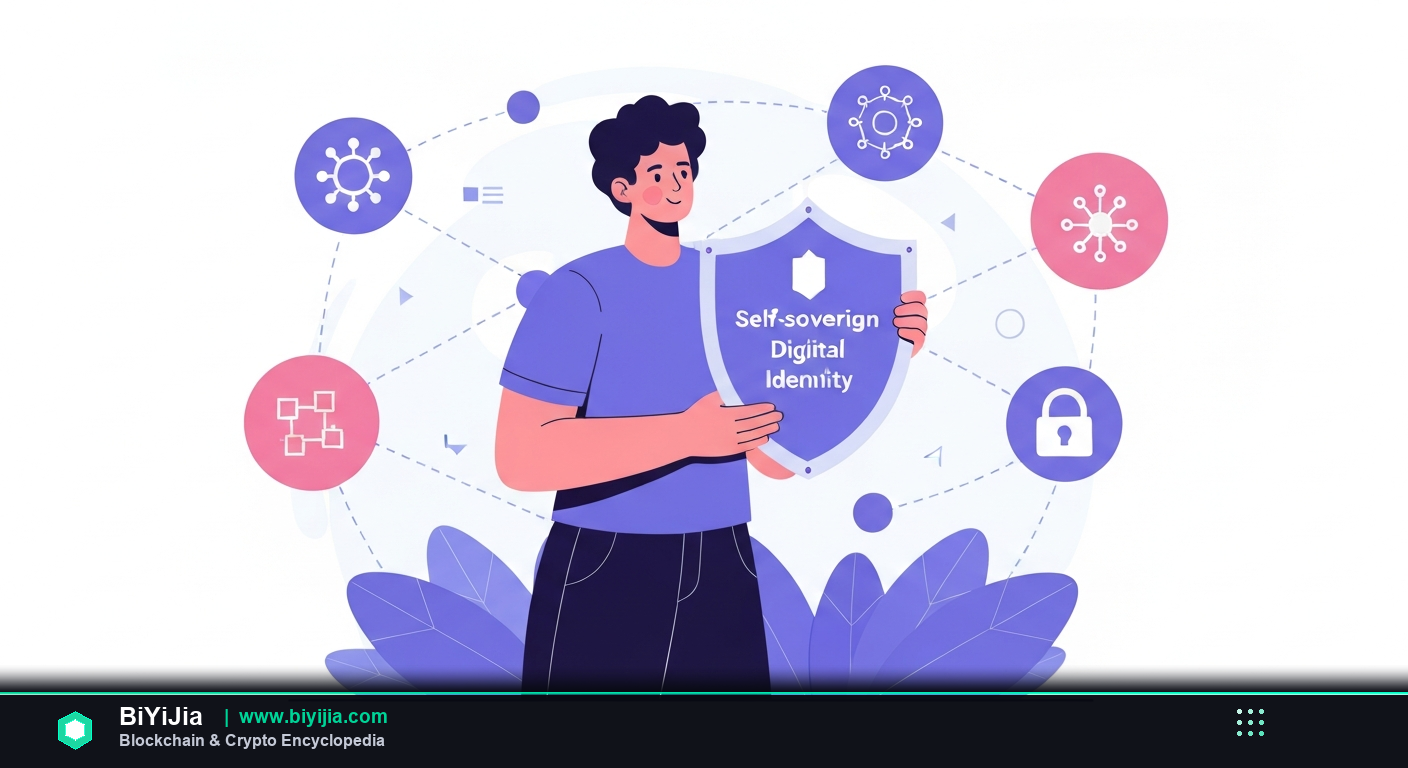
DID vs Self‑Sovereign Identity (SSI): SSI is the broader philosophy of giving users control over their data. DIDs are the technical building block that makes SSI possible.
DID vs ENS: ENS is a naming service that can resolve human‑readable names to addresses. When ENS records include a DID Document, they become a bridge between familiar usernames and decentralized identity.
DID vs Identity Verification: Identity verification is a process (e.g., KYC) that confirms a real‑world person matches a digital claim. A DID can store the result of that verification as a verifiable credential, but the verification itself may still rely on off‑chain data sources.
Risks & Considerations
- Key management: Losing the private key means losing the identity; there is no password reset.
- Regulatory uncertainty: Governments are still drafting rules around decentralized identifiers, which could affect cross‑border acceptance.
- Scalability of on‑chain storage: Storing large DID Documents on some blockchains can be costly; many solutions keep the document off‑chain and reference a hash.
- Social engineering: Attackers may trick users into signing malicious transactions that overwrite a DID Document.
- Interoperability gaps: Not all DID methods support the same features, leading to fragmentation.
Embedded Key Data
According to the Decentralized Identity Alliance, global DID deployments grew from 5 million in 2022 to over 45 million in 2025, representing a 800 % increase in three years.
The World Economic Forum estimates that widespread adoption of self‑sovereign identity could reduce identity‑related fraud costs by $1.2 trillion annually by 2030 (WEF, 2024).
Frequently Asked Questions
What is a DID and how does it differ from a blockchain address?
A DID is a standardized identifier that points to a DID Document containing keys and service endpoints. A plain blockchain address is just a public key hash; it lacks the metadata and verification methods that a DID provides.
Can I use a DID for login on existing Web2 services?
Yes, many services now support DID‑based authentication via OAuth‑like flows. When you log in, the service verifies a signed challenge against the public key stored in your DID Document, eliminating the need for passwords.
How do I recover a DID if I lose my private key?
Recovery mechanisms are still experimental. Some projects offer social recovery (trusted contacts can co‑sign a key rotation) or hardware‑based escrow. However, the safest practice is to back up the seed phrase in multiple secure locations.
Is DID compatible with privacy regulations like GDPR?
Because DIDs are pseudonymous and give users control over data sharing, they can be designed to be GDPR‑compliant. The key is to store personal data off‑chain and only keep hashes or pointers on the ledger.
Do DIDs replace traditional KYC processes?
Not entirely. DIDs can carry verifiable credentials that prove a KYC check was performed, but the actual verification still relies on trusted issuers. The benefit is that you can reuse the same credential across multiple services.
What is the relationship between DID and ENS?
ENS can resolve human‑readable names to DID Documents, effectively turning a .eth name into a decentralized identity. This makes it easier for non‑technical users to adopt DIDs.
Summary
DID (Decentralized Identity) is a blockchain‑anchored identifier that puts control of identity data back in the hands of the individual, enabling self‑sovereign identity across ecosystems. Understanding DIDs is essential for navigating the future of privacy‑preserving authentication, and it connects directly to concepts like Self‑Sovereign, ENS, Identity Verification, and Privacy.