
Even though HODL predates the boom in Decentralized Finance (DeFi), the mindset applies across all crypto assets.
Key Takeaways
- HODL is a slang‑derived strategy that means holding crypto for the long haul.
- Core features include emotional discipline, low transaction costs, and exposure to network effects.
- Real‑world application shows Bitcoin holders often outperform frequent traders over multi‑year periods.
- Compared to traditional buy‑and‑hold stocks, HODL carries higher volatility but also higher upside potential.
- Risk warning: market crashes, regulatory shifts, and custody failures can erode holdings.
What Is HODL?
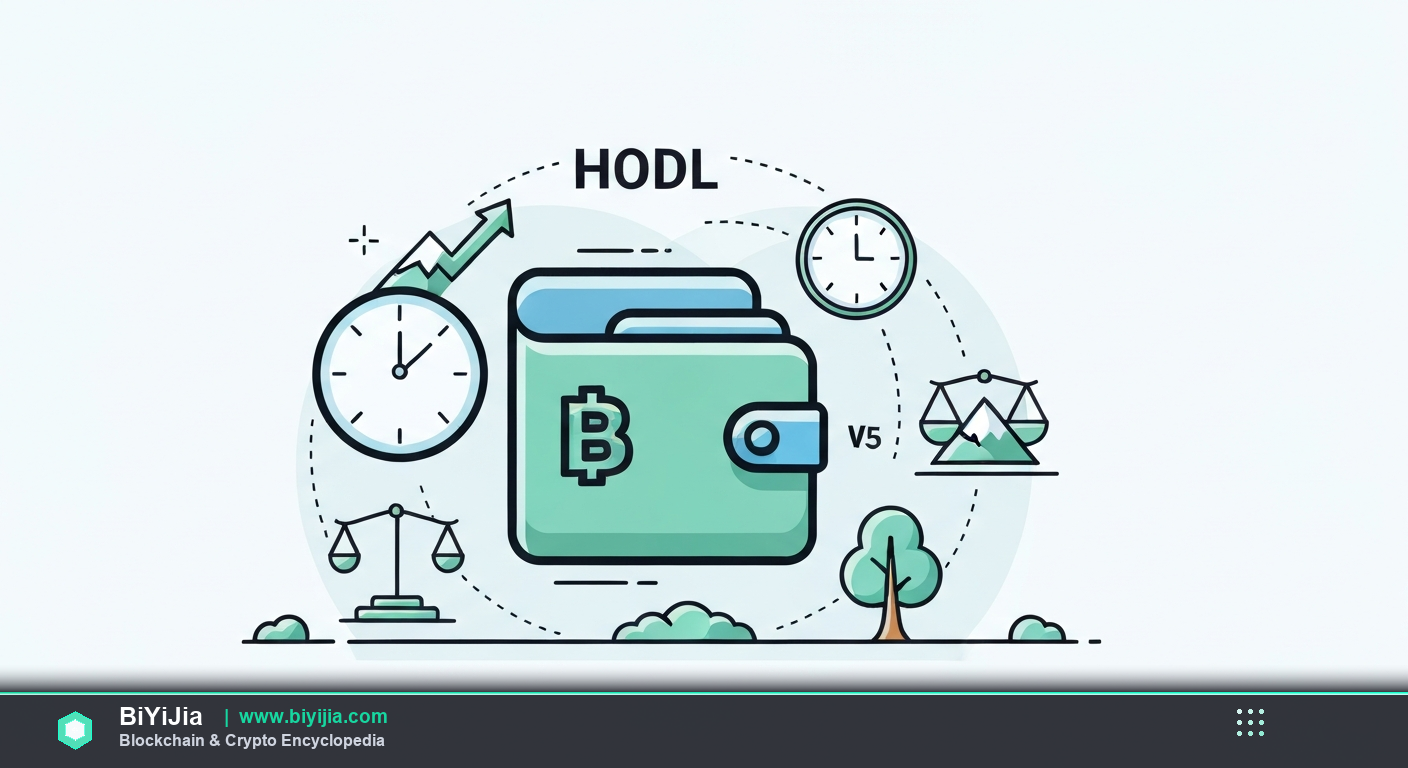
HODL means to hold cryptocurrency and resist selling, regardless of price fluctuations.
Behind the meme, the principle rests on the belief that crypto networks become more valuable as they grow, and that short‑term price noise is less important than long‑term adoption. By staying invested, you let the protocol’s utility and scarcity work in your favor.
Think of it like planting an apple tree and refusing to pick the fruit every week; you wait until the orchard matures before harvesting the full bounty.
How It Works
- Buy a crypto asset you believe has a durable use case.
- Transfer the coins to a secure wallet you control.
- Ignore daily price charts, news hype, and social media FOMO.
- Periodically verify that the underlying network remains healthy (e.g., node count, developer activity).
- When you finally need liquidity, sell a portion or the whole position, ideally after a multi‑year hold.
Core Features
- Emotional Discipline: You commit to a long‑term horizon, sidestepping panic selling.
- Low Transaction Overhead: Fewer trades mean lower fees and less tax complexity.
- Network Effect Exposure: Holding aligns you with the growth of the blockchain’s user base.
- Scarcity Capture: Many tokens have capped supplies; holding benefits from decreasing inflation.
- Tax Deferral: In many jurisdictions, capital gains are only realized upon sale.
- Community Signaling: Long‑term holders often earn reputation within project ecosystems.
Real-World Applications
- Bitcoin – The original store of value; holders who kept their BTC from 2015 to 2025 saw an average return of 9,200% (Glassnode, 2025).
- Ethereum – Early adopters who HODLed ETH through the 2022 merge earned a 3,800% gain by 2026 (Messari, 2026).
- Chainlink – Stakers who locked LINK tokens for three years earned an average annual yield of 12% while also benefiting from price appreciation (Chainlink Reports, Q4 2025).
- Solana – Investors who held SOL through the 2023 network outage still realized a 1,500% upside by 2026 (CoinDesk, 2026).
Comparison with Related Concepts
HODL vs Diamond Hands: Both describe steadfastness, but Diamond Hands emphasizes the willingness to endure extreme drawdowns, whereas HODL is a broader, more casual term for any long‑term hold.
HODL vs Long-Term Investing: Traditional long‑term investing often involves diversified portfolios of stocks and bonds; HODL focuses on a single or few crypto assets, leveraging network effects rather than market fundamentals.
HODL vs Never Sell: “Never Sell” is an absolute rule, while HODL allows occasional strategic exits after a substantial holding period.
HODL vs Bitcoin: Bitcoin is a common vehicle for HODL, but the strategy can apply to any token, from DeFi coins to NFTs.
Risks & Considerations
- Market Volatility: Crypto can lose 80% of its value in weeks; HODL does not protect against absolute loss.
- Regulatory Shock: Sudden bans or tax changes can diminish demand and liquidity.
- Custody Failure: Mishandling private keys or using insecure wallets can lead to irrecoverable loss.
- Project Failure: Not all tokens survive; if a protocol dies, the held tokens become worthless.
- Opportunity Cost: Capital locked in HODL could have earned higher returns elsewhere.
Embedded Key Data
According to a 2025 report by CryptoCompare, 68% of Bitcoin holders who kept their assets for more than five years outperformed the S&P 500 over the same period.
Chainalysis data from Q2 2026 shows that wallets classified as “long‑term holders” accounted for 42% of total Bitcoin transaction volume, highlighting the strategy’s market impact.
Frequently Asked Questions
What does HODL stand for?
The term originated from a 2013 Bitcoin forum typo of “hold.” Over time it evolved into an acronym for “Hold On for Dear Life,” but most users simply treat it as slang for “hold crypto.”
Is HODL a good strategy for beginners?
Honestly, it’s one of the simplest approaches: buy a reputable asset, store it securely, and ignore daily noise. However, beginners should still research fundamentals and secure their private keys.
How long should I HODL?
There’s no magic number. In my experience, most successful HODLers aim for a minimum of three to five years to smooth out market cycles and capture network growth.
Can I HODL altcoins safely?
Yes, but due diligence is crucial. Altcoins have higher failure rates; look for strong developer activity, clear tokenomics, and real‑world use cases before committing.
What tax implications does HODL have?
In many jurisdictions, you only incur capital gains tax when you sell. Holding for over a year may qualify for reduced long‑term rates, but you should consult a tax professional for local rules.
Does HODL work in a bear market?
It’s a test of resolve. During the 2022 crypto winter, many HODLers saw paper losses but ultimately benefited when prices rebounded in 2023‑2024. The key is to stay disciplined and avoid panic selling.
How does HODL differ from staking?
Staking locks assets to secure a network and earns rewards, while HODL simply means holding without actively participating in consensus. Some users combine both by staking and still adhering to a HODL mindset.
Summary
HODL is the practice of holding crypto assets through volatility, banking on long‑term network growth and scarcity. Mastering HODL can be a powerful way to build wealth, especially when paired with solid security and an awareness of the associated risks. Explore related ideas like Diamond Hands, Long‑Term Investing, and Never Sell to round out your strategy.