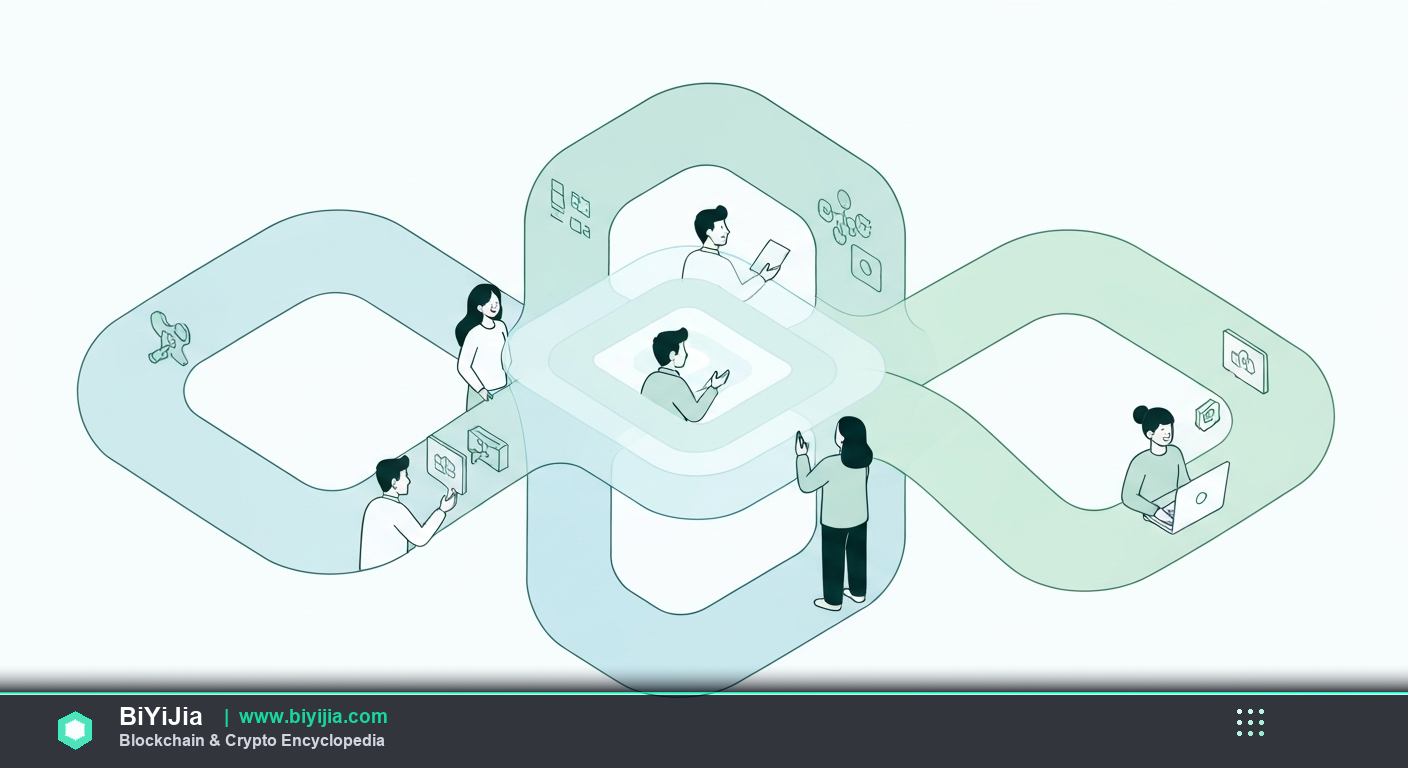
AI + Crypto refers to the convergence of artificial intelligence and blockchain technology, enabling smart, autonomous token ecosystems that blend data-driven insights with decentralized trust.
Key Takeaways
- Definition: AI + Crypto merges AI models with blockchain to create self‑governing tokenized services.
- Core features include on‑chain inference, data marketplaces, and token‑incentivized learning.
- Real‑world use cases span decentralized finance (DeFi), supply‑chain analytics, and AI‑driven NFTs.
- Compared with traditional AI clouds, AI + Crypto offers transparency, censorship resistance, and token‑based economics.
- Risk warning: regulatory uncertainty and model manipulation can affect token value.
What Is AI + Crypto?
AI + Crypto is the combination of artificial intelligence algorithms with blockchain infrastructure to produce autonomous, token‑driven services.
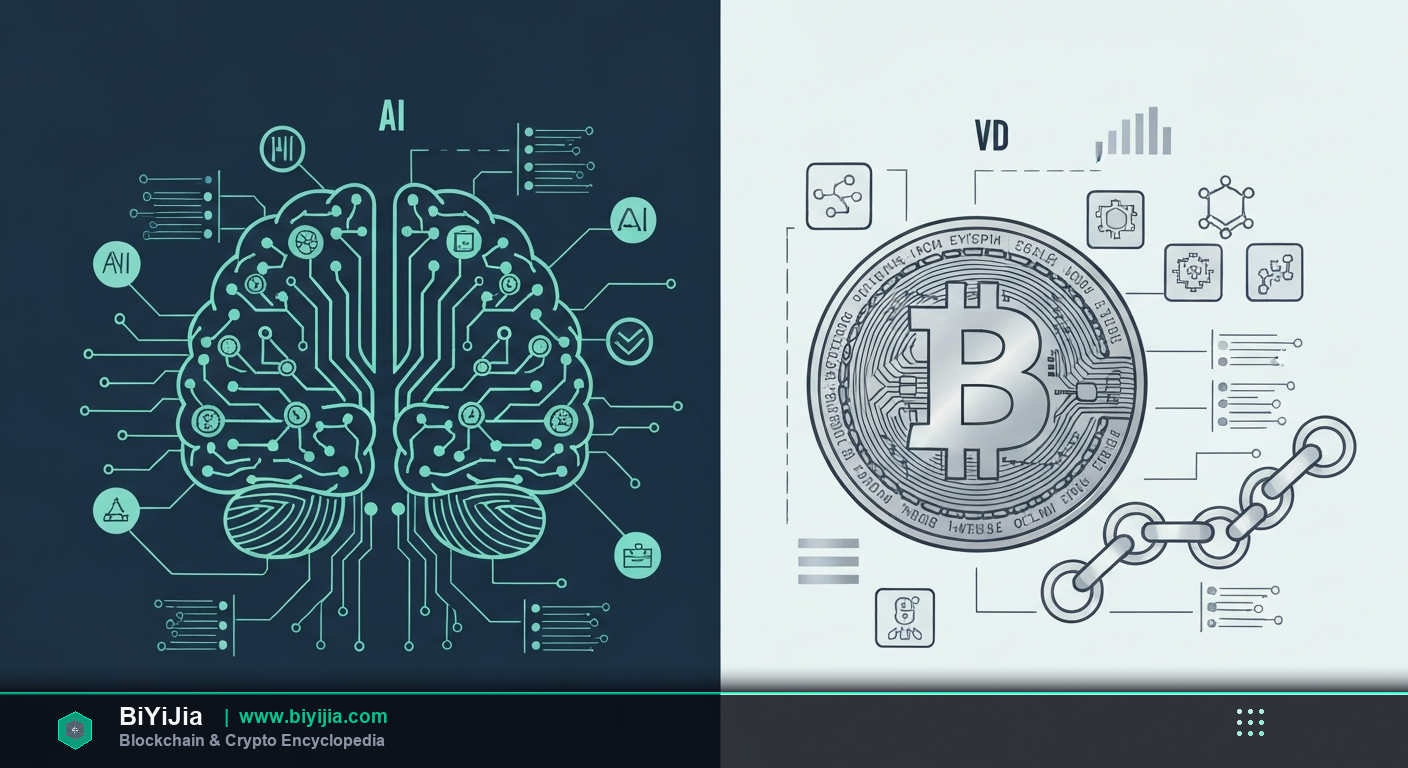
In practice, developers embed AI models into smart contracts or layer‑2 solutions, allowing the network to verify model outputs, reward participants with AI crypto tokens, and store training data on a decentralized ledger. This creates a feedback loop where users supply data, earn tokens, and improve the model without a central authority.
Think of it like a vending machine that not only dispenses snacks but also learns your preferences over time and adjusts prices based on demand, all while you pay with a token you earned by sharing your snack reviews.
How It Works
- Data providers upload raw datasets to a decentralized storage network, often rewarded with AI crypto tokens.
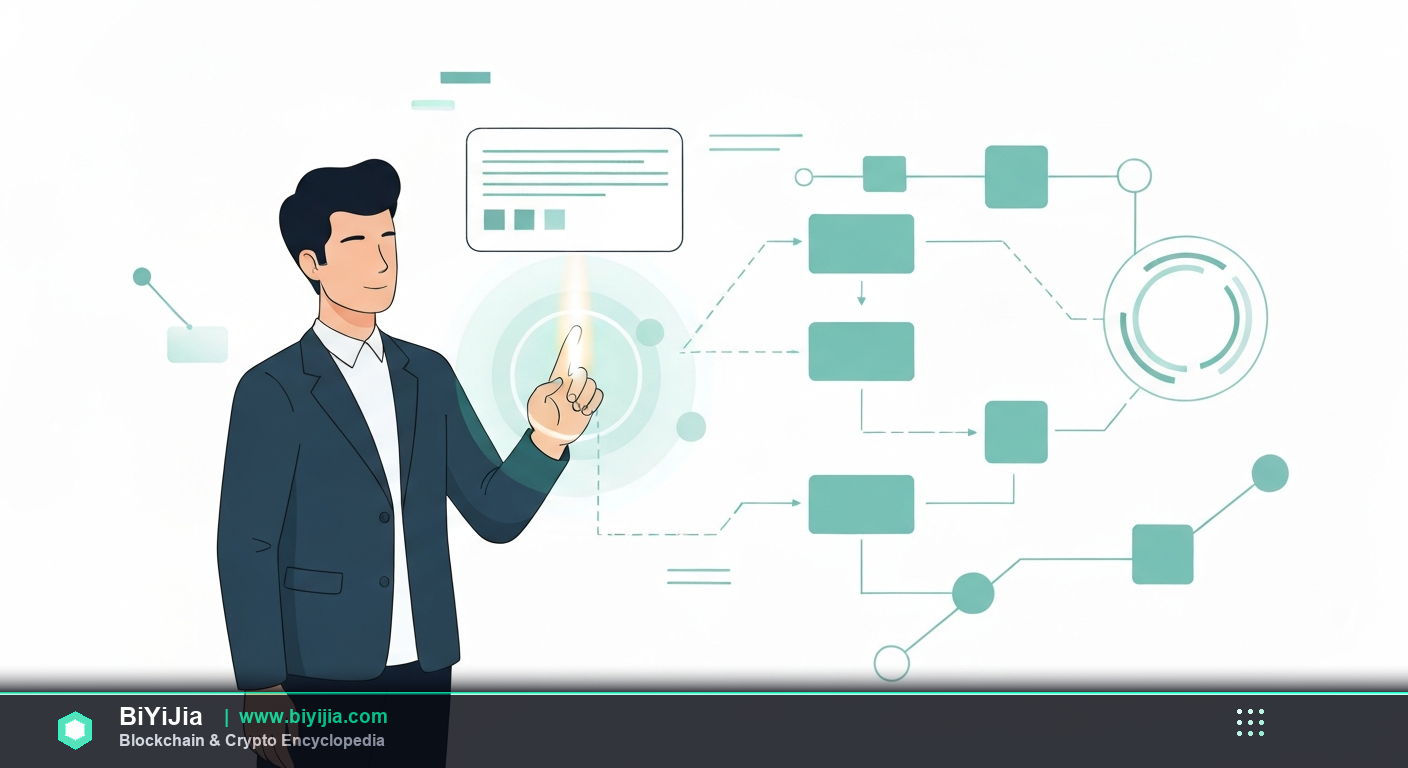
- Developers train AI models using GPU Computing resources that are either on‑chain (via specialized VM) or off‑chain but verified by zero‑knowledge proofs.
- The trained model is published as a smart contract or as an immutable reference, enabling anyone to query it.
- When a user requests a prediction, the on‑chain verifier checks the proof, charges a fee in AI tokens, and returns the result.
- Token economics automatically distribute rewards to data contributors, compute providers, and token holders, sustaining the ecosystem.
Core Features
- On‑Chain Inference: AI predictions are executed or verified directly on the blockchain, guaranteeing tamper‑proof results.
- Token‑Incentivized Data: Data Marketplace mechanisms reward contributors with AI crypto tokens for high‑quality datasets.
- Decentralized AI Governance: Community voting decides model upgrades, fee structures, and reward distribution.
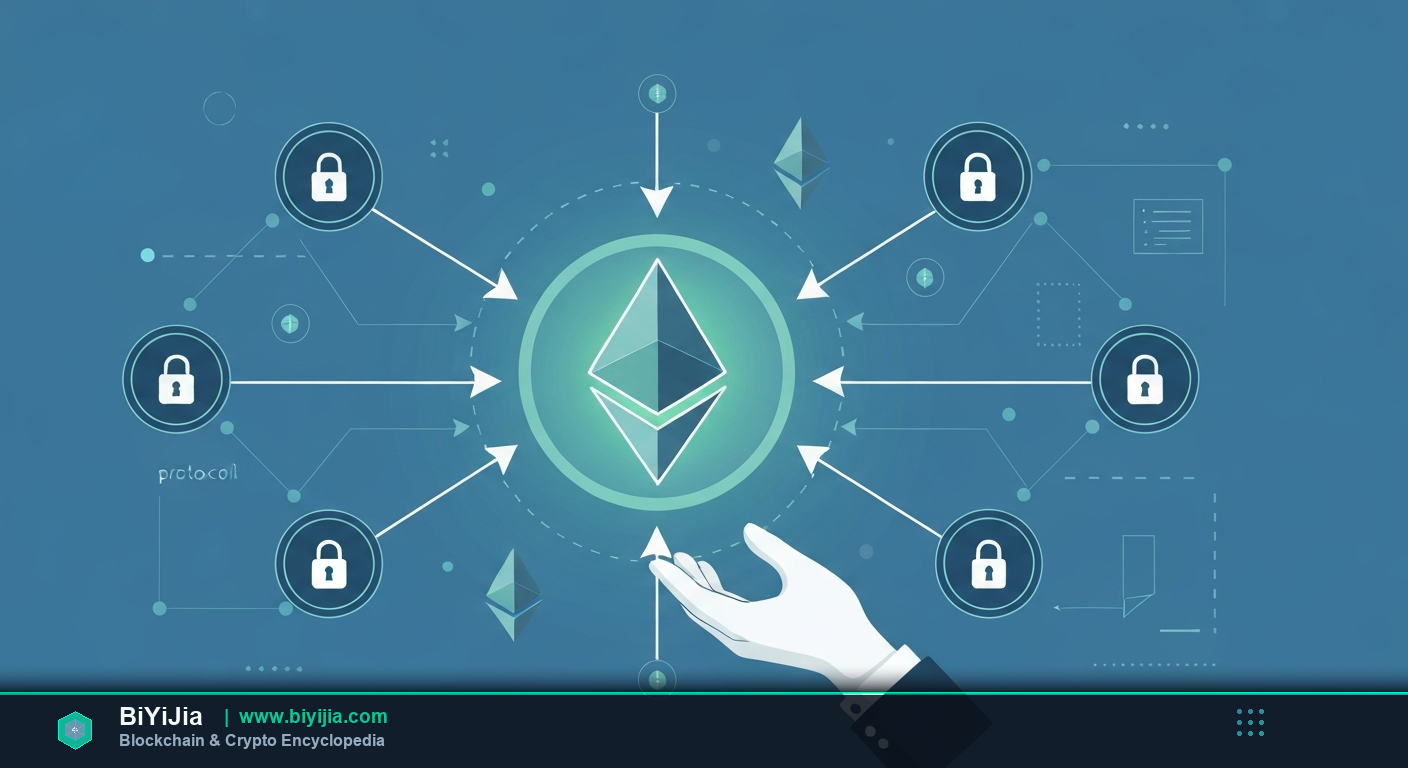
- Zero‑Knowledge Verification: Proofs ensure model accuracy without exposing proprietary weights.
- GPU Computing Integration: Specialized layers allow efficient training on distributed GPU farms while keeping costs token‑based.
- AI Agents: Autonomous bots that act on‑chain, executing trades, arbitrage, or content moderation based on AI decisions.
Real-World Applications
- SingularityNET: A decentralized AI services marketplace where developers sell algorithms for AI crypto tokens; its token, AGIX, had a market cap of $1.2B in Q2 2026.
- Fetch.ai: Uses AI Agents to automate data exchange in supply‑chain logistics; the FET token powers over 800 active agents as of 2026.
- Ocean Protocol: Provides a Data Marketplace that tokenizes data assets, enabling AI model training on curated datasets; OCEAN token volume reached $750M in 2025.
- Numeraire: Combines AI‑driven hedge fund models with blockchain; its NMR token rewards data scientists who improve prediction models.
- Matrix AI Network: Offers AI‑enhanced smart contracts that adapt gas fees based on network load, using the MAN token for incentives.
Comparison with Related Concepts
AI + Crypto vs Traditional Cloud AI: Traditional AI runs on centralized servers, charging fiat fees and offering no data ownership. AI + Crypto tokenizes both data and compute, providing transparent pricing and immutable audit trails.
AI + Crypto vs Decentralized AI: Decentralized AI focuses solely on distributing model training across peers, often without a native token. AI + Crypto layers blockchain economics on top, turning every contribution into a tradable asset.
AI + Crypto vs Data Marketplace: A Data Marketplace sells raw data streams; AI + Crypto adds the ability to run AI models on that data directly on‑chain, turning queries into token‑driven services.
Risks & Considerations
- Regulatory Uncertainty: Governments may classify AI crypto tokens as securities, triggering compliance hurdles.
- Model Manipulation: Bad actors could poison training data, skewing predictions and devaluing tokens.
- Scalability Limits: On‑chain inference can be costly; high gas fees may deter users during network congestion.
- Privacy Exposure: Even with zero‑knowledge proofs, metadata leakage can reveal user behavior.
- Token Volatility: Fluctuating token prices can make service costs unpredictable for end users.
According to a 2025 Messari report, AI crypto tokens collectively managed $12.3 billion in market cap, reflecting rapid capital inflow but also heightened volatility. A separate study by the Blockchain Research Institute in 2026 found that 38% of AI + Crypto projects faced data‑poisoning attacks within their first year, underscoring the importance of robust validation mechanisms.
Frequently Asked Questions
What are AI crypto tokens?
AI crypto tokens are digital assets that reward participants for providing data, compute power, or model improvements within an AI + Crypto ecosystem. They serve both as utility for accessing AI services and as incentives for ecosystem growth.
How does AI + Crypto differ from regular AI services?
Regular AI services are typically hosted on centralized cloud platforms, charging fiat fees and retaining data ownership. AI + Crypto decentralizes both the data and the compute, embedding economic incentives directly on the blockchain, which enhances transparency and reduces single points of failure.
Can I build my own AI agent on blockchain?
Yes. Platforms like Fetch.ai and SingularityNET provide SDKs and templates that let developers deploy autonomous AI agents as smart contracts. These agents can interact with other contracts, trade tokens, and execute decisions based on on‑chain AI inference.
Do I need to know deep learning to participate?
No. While model developers benefit from deep‑learning expertise, most AI + Crypto projects allow non‑technical contributors to earn tokens by providing high‑quality data, staking, or validating model outputs through simple wallet interfaces.
Is AI + Crypto safe from manipulation?
Safety depends on the project's governance and validation layers. Zero‑knowledge proofs, community audits, and data‑reputation systems mitigate risks, but no system is immune. Users should evaluate the robustness of the project's security model before committing capital.
Summary
AI + Crypto blends artificial intelligence with blockchain to create tokenized, autonomous services that reward data and compute contributions. As the space matures, understanding its core mechanics, real‑world projects, and associated risks will be essential for anyone eyeing the next wave of decentralized innovation, alongside concepts like Decentralized AI and Data Marketplace.