
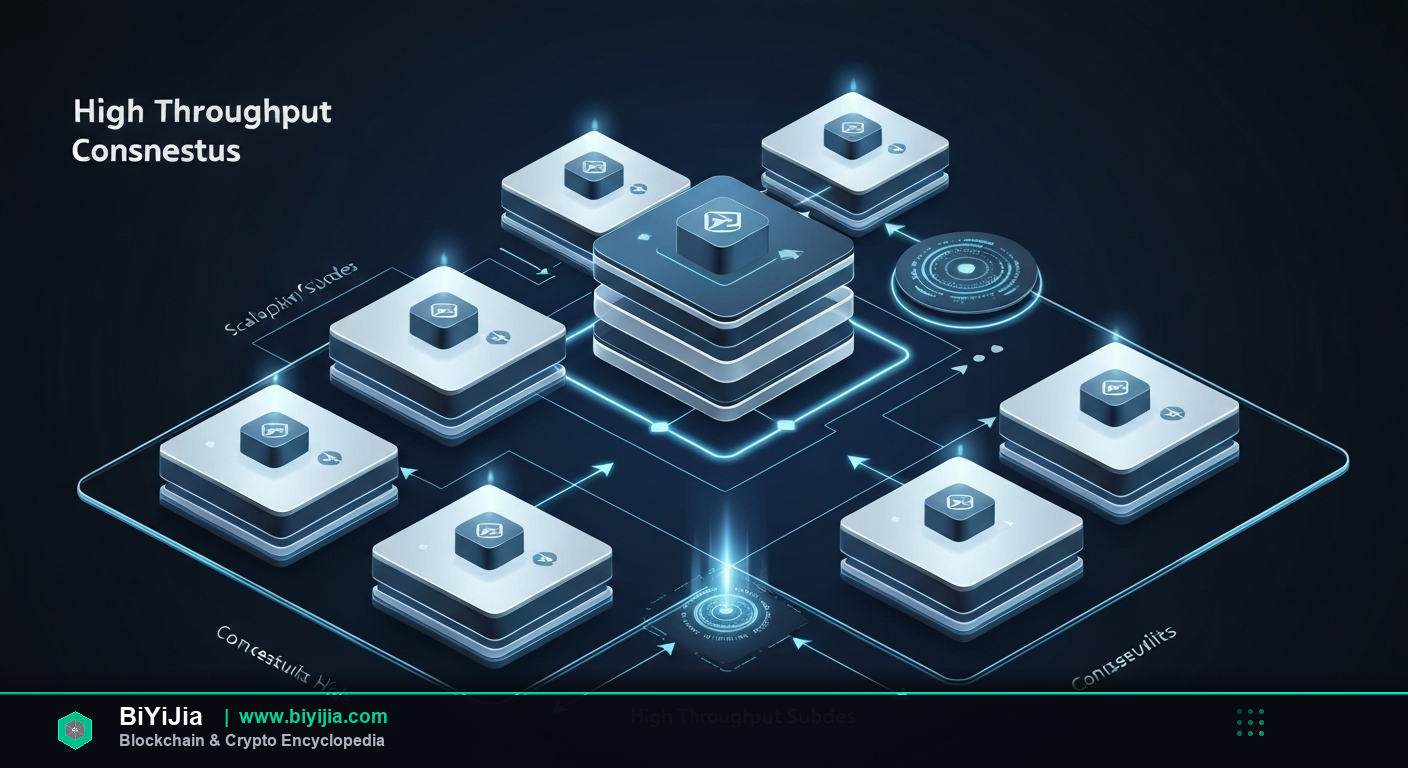
Avalanche (AVAX) is a high‑throughput, EVM‑compatible blockchain platform designed for Decentralized Finance (DeFi), enterprise apps, and custom Subnets.
Key Takeaways
- One‑liner: Avalanche is a fast, low‑cost, interoperable blockchain for developers and users.
- Core features: Snowman consensus, Subnet architecture, and native AVAX token economics.
- Real‑world use: Powers DeFi protocols like Pangolin and enterprise solutions such as the Axelar bridge.
- Compared to legacy: Processes thousands of TPS versus a few hundred on Bitcoin.
- Risk warning: Token price volatility and evolving regulatory landscape.
What Is Avalanche (AVAX)?
In plain English, Avalanche is a blockchain that lets you move value and data quickly, cheaply, and with the same developer tools as Ethereum.
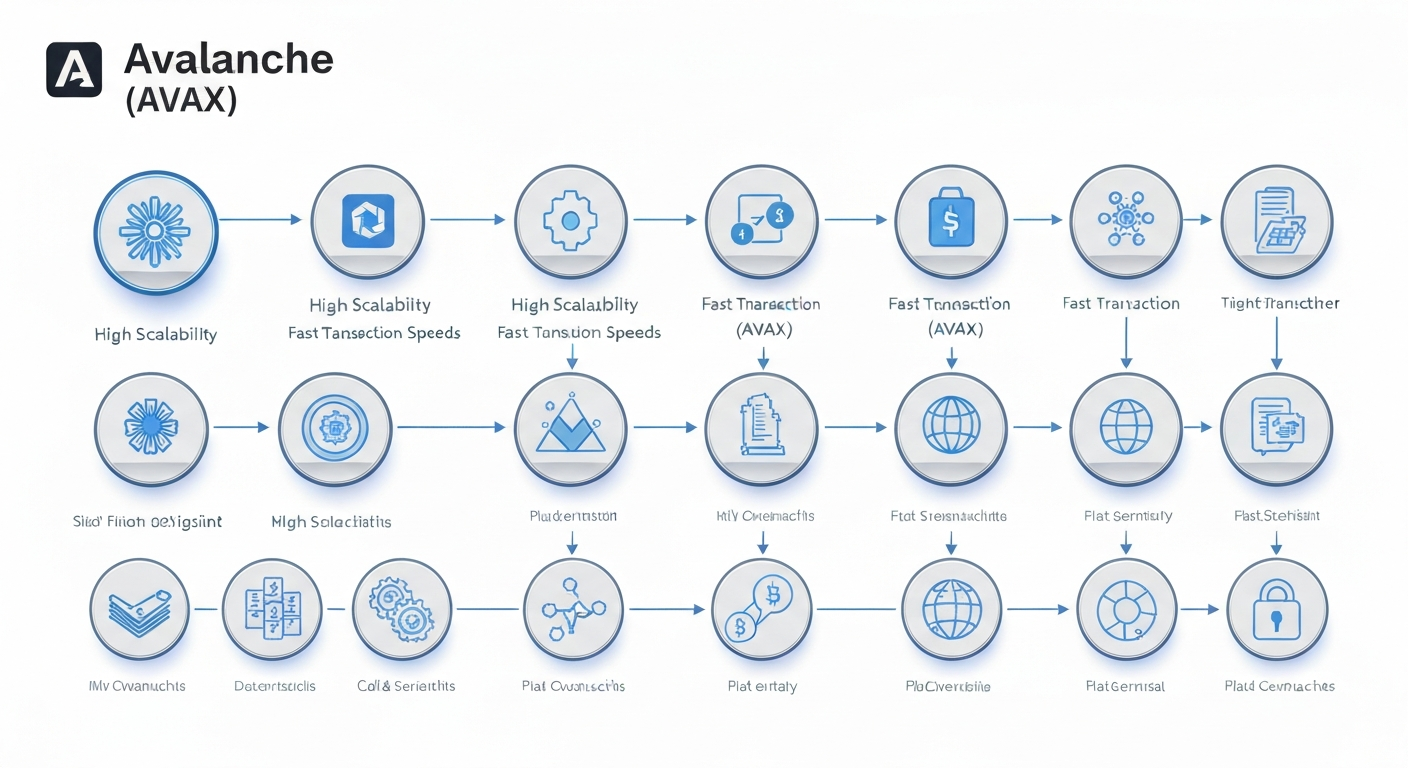
The protocol relies on a novel family of consensus mechanisms called Snow protocols, which achieve finality in under two seconds by having validators repeatedly sample a small, random subset of the network. This approach gives Avalanche its reputation for high throughput and low latency while staying decentralized.
Think of Avalanche as a high‑speed highway with multiple lanes (the Subnets) that can be opened or closed on demand, letting traffic flow smoothly without the bottlenecks you see on older, single‑track roads like Bitcoin.
How It Works
- Validators receive a transaction and broadcast it to a random sample of peers.
- Each peer votes on the transaction’s validity; the process repeats over several rounds, rapidly converging on consensus.
- Once a supermajority (typically >80%) agrees, the transaction is considered final and added to the chain.
- Subnets can be spun up to host custom virtual machines, allowing projects to tailor rules without affecting the primary network.
- The AVAX token is staked by validators to secure the network and earn rewards proportional to their contribution.
Core Features
- Snowman Consensus: A linearized version of the Snow protocol optimized for contract execution, delivering sub‑second finality.
- [internal link: Subnet]: Independent blockchains that share the Avalanche security model, enabling custom governance and tokenomics.
- [internal link: EVM Compatible]: Full support for Ethereum smart contracts, letting developers port dApps with minimal changes.
- [internal link: High Throughput]: Capable of processing over 7,500 transactions per second, according to the official Avalanche metrics (Q1 2026).
- Low Fees: Transaction costs typically stay below $0.001, making micro‑transactions viable.
- Interoperability: Native bridges to other major chains, facilitating cross‑chain liquidity.
Real-World Applications
- Pangolin: A decentralized exchange built on Avalanche, reporting $1.2 billion in 30‑day trading volume (June 2026, Dune Analytics).
- Avalanche Bridge: Connects AVAX assets to Ethereum and Binance Smart Chain, moving over $4 billion in assets since launch.
- Benqi: A lending protocol that has supplied $800 million in liquidity as of March 2026.
- Chainlink on Avalanche: Provides price feeds for over 150 DeFi projects, enhancing oracle reliability.
- Axelar Network: Utilizes Avalanche’s Subnet model to deliver cross‑chain messaging for enterprise clients.
Comparison with Related Concepts
Avalanche vs Ethereum: Avalanche finalizes transactions in under two seconds, while Ethereum’s proof‑of‑stake layer typically takes 12 seconds plus network congestion delays.
Avalanche vs Bitcoin: Avalanche processes thousands of TPS versus Bitcoin’s 7 TPS, and its fee structure is orders of magnitude cheaper.
Avalanche vs Polygon: Both are EVM‑compatible, but Avalanche offers native Subnet customization without relying on a single sidechain.
Risks & Considerations
- Token Volatility: AVAX’s price can swing dramatically, affecting the economics of staking and borrowing.
- Regulatory Uncertainty: As with many DeFi platforms, evolving laws could impact on‑chain services.
- Validator Centralization: A small set of large validators control a significant share of stake, potentially threatening decentralization.
- Smart Contract Bugs: EVM compatibility means existing Ethereum vulnerabilities can be inherited.
- Network Upgrades: Future protocol changes could introduce temporary instability.
In Q2 2026, Avalanche’s primary network handled 7,500 TPS, surpassing Ethereum’s 1,200 TPS, according to Dune Analytics. The AVAX token market cap stood at $7.2 billion in March 2026, placing it among the top 15 crypto assets (CoinMarketCap).
Frequently Asked Questions
What makes Avalanche faster than Ethereum?
Avalanche uses the Snowman consensus, which reaches finality after a few milliseconds of repeated sampling, whereas Ethereum’s proof‑of‑stake chain needs multiple attestations and can be delayed by network congestion.
Can I use my existing Ethereum wallet on Avalanche?
Yes. Because Avalanche is EVM‑compatible, wallets like MetaMask and Ledger work out of the box; you just need to add the Avalanche network RPC settings.
Do I need to stake AVAX to transact?
No. Anyone can send transactions without staking. However, validators must lock up AVAX to secure the network and earn rewards.
How do Subnets differ from sidechains?
Subnets are independent blockchains that inherit Avalanche’s security model, while sidechains typically rely on their own validator set and may not share the same guarantees.
Is Avalanche suitable for enterprise use?
Enterprises appreciate the ability to spin up custom Subnets with private permissions, low latency, and compliance‑ready tooling, making Avalanche a strong candidate for supply‑chain and finance applications.
Summary
Avalanche (AVAX) is a fast, low‑cost, EVM‑compatible blockchain that powers a growing DeFi ecosystem and offers flexible Subnet architecture for bespoke solutions. Understanding its mechanics, strengths, and risks helps you decide whether to build, invest, or simply use the platform, and invites you to explore related concepts like Subnet and High Throughput.