
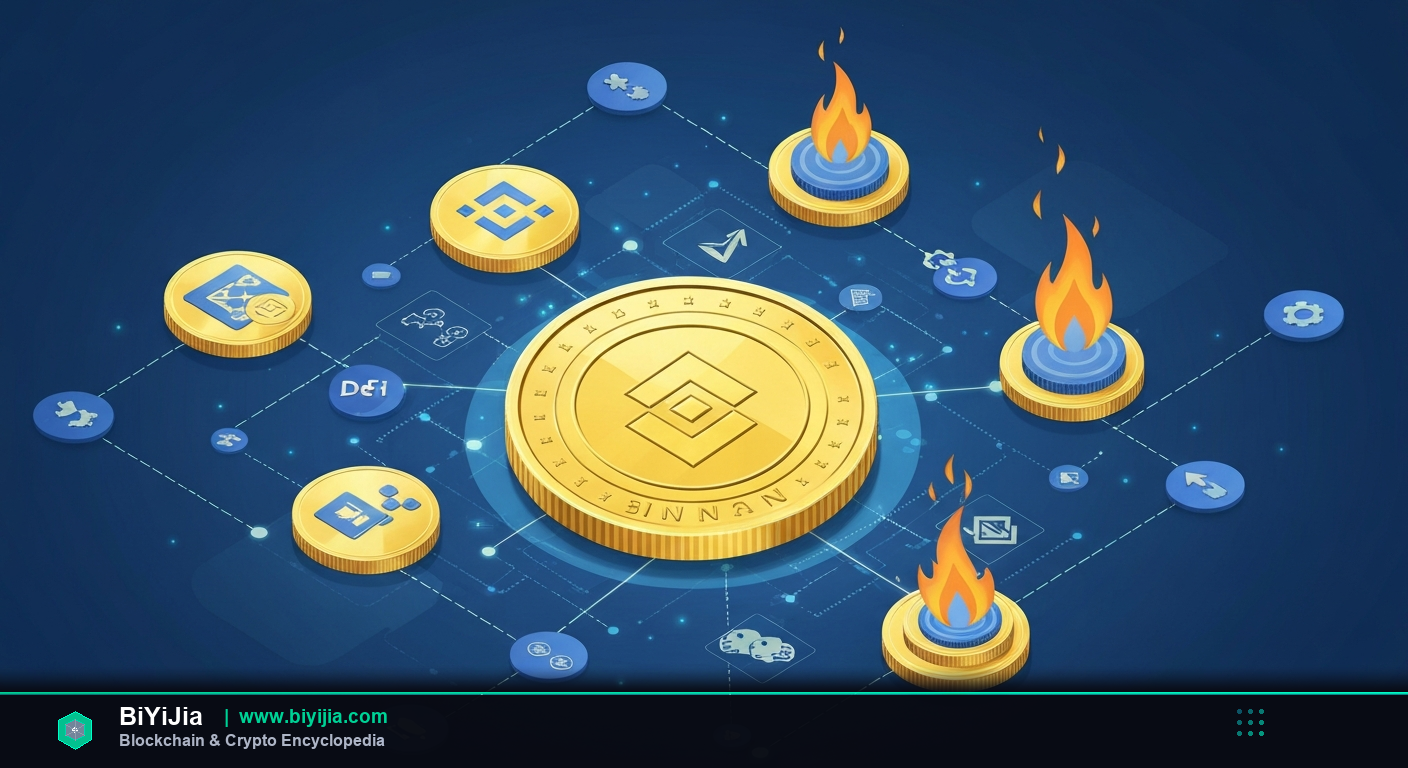
BNB (Binance Coin) is the native utility token of the Binance ecosystem, used for fee discounts, token burns, and powering the BNB Chain.
Key Takeaways
- BNB is Binance’s utility token that fuels the entire platform.
- It offers fee discounts, participation in token sales, and governance on the BNB Chain.
- Real‑world use includes payment processing, DeFi lending, and gaming economies.
- Compared to fiat, BNB provides on‑chain speed and programmable incentives.
- Risks include regulatory scrutiny, market volatility, and protocol upgrades.
What Is BNB (Binance Coin)?
BNB is a blockchain‑based token that powers transactions and services on Binance’s platforms.
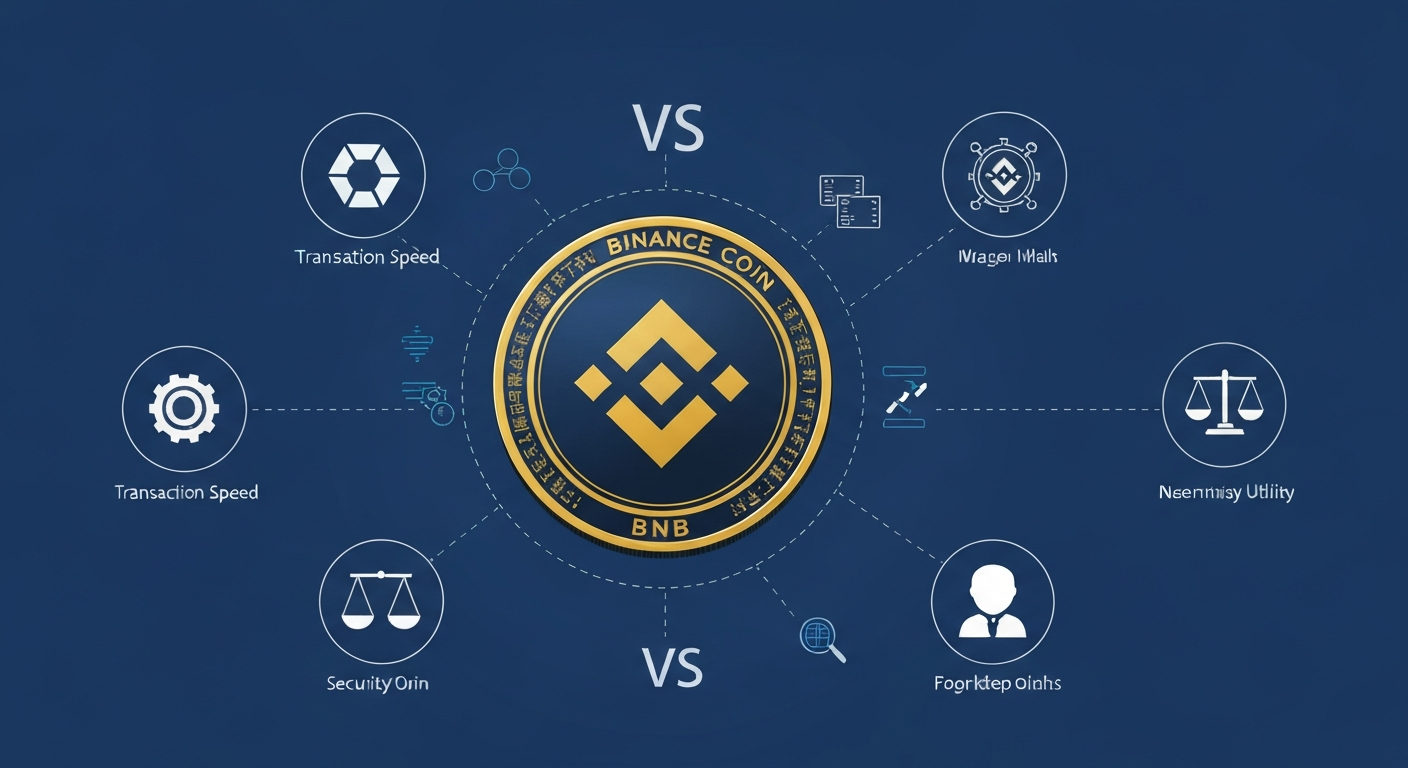
In simple terms, BNB started as an ERC‑20 token on Ethereum, then migrated to Binance’s own [internal link: BNB Chain] where it functions as a gas token, a settlement medium, and a governance instrument. It follows the BEP‑2 and BEP‑20 standards, meaning it can move across multiple chains while keeping a single supply ledger. The token’s economics are designed around periodic token burns that permanently remove BNB from circulation, creating scarcity over time.
Think of BNB like the gasoline in a car: you need it to power the engine (the Binance platform), you get discounts at the pump (trading fee reductions), and the manufacturer occasionally buys back and destroys fuel (token burn) to keep the tank from overflowing.
How It Works
- When you trade on Binance, the system automatically checks if you hold BNB and applies a fee discount, usually 25% off the standard rate.
- BNB can be staked on the [internal link: BNB Chain] to earn block rewards and participate in on‑chain governance votes.
- Each quarter, Binance uses a portion of its profits to buy back BNB on the open market and send the tokens to a burn address, permanently reducing supply.
- Developers can integrate BNB into smart contracts on the BNB Chain, enabling everything from NFTs to DeFi lending protocols.
- Users can also spend BNB directly at merchants that accept crypto, often receiving a [internal link: Fee Discount] compared to fiat payments.
Core Features
- Fee Discount: Holders automatically receive reduced trading fees on Binance’s spot and futures markets.
- Token Burn: Quarterly burns lower total supply, creating a deflationary pressure that can support price.
- Cross‑Chain Compatibility: BNB exists on BEP‑2, BEP‑20, and ERC‑20 standards, allowing seamless movement between ecosystems.
- Staking & Governance: Stakers earn block rewards and can vote on protocol upgrades on the BNB Chain.
- Payment Utility: Accepted by thousands of merchants globally, often with lower transaction costs than credit cards.
- Launchpad Access: BNB holders get priority allocation in Binance Launchpad token sales.
Real-World Applications
- Binance Smart Chain (BNB Chain): Powers over 5,000 DeFi projects, processing more than $30 billion in monthly transaction volume (source: Chainalysis, 2026).
- Traveloka: Uses BNB for flight and hotel bookings, offering a 5% discount compared to fiat payments.
- Axie Infinity (BNB‑based sidechain): Players can purchase in‑game assets with BNB, reducing gas fees by up to 80%.
- Venus Protocol: Allows BNB‑collateralized loans with interest rates as low as 2.3% APR.
- BakerySwap: A DEX where liquidity providers earn BNB rewards alongside native tokens.
Comparison with Related Concepts
BNB vs Binance: Binance is the exchange and broader ecosystem; BNB is the token that grants utility inside that ecosystem.
BNB vs BNB Chain: BNB is the asset; BNB Chain is the underlying blockchain that processes BNB transactions and hosts smart contracts.
BNB vs Token Burn: The burn is a mechanism applied to BNB, not a separate token; it reduces circulating supply to increase scarcity.
BNB vs Fee Discount: Holding BNB unlocks the discount; the discount is the benefit, not a separate product.
Risks & Considerations
- Regulatory Uncertainty: Authorities worldwide are still defining rules for exchange‑issued tokens, which could affect BNB’s listing status.
- Market Volatility: BNB’s price can swing dramatically during major market corrections or Binance‑specific news events.
- Centralization Concerns: Binance retains significant control over token burns and governance decisions, which may deter some DeFi purists.
- Technical Upgrades: Hard forks or chain migrations could introduce bugs or temporary downtime.
- Liquidity Risks: While BNB is highly liquid on Binance, smaller exchanges may experience slippage during large trades.
Embedded Key Data
As of March 2026, BNB’s market capitalization stands at roughly $55 billion, ranking it among the top three crypto assets by market cap (source: CoinMarketCap, 2026).
Binance has burned over 100 million BNB tokens since the first quarterly burn in 2021, permanently removing about 30% of the original supply (source: Binance Quarterly Report Q4‑2025).
Frequently Asked Questions
What is BNB used for on Binance?
BNB serves as a fee‑paying token, granting up to a 25% discount on spot, futures, and margin trades. It also unlocks participation in token sales, staking rewards, and can be used for payments at partner merchants.
How does the BNB token burn affect its price?
Each quarterly burn reduces the circulating supply, creating a deflationary pressure that can support or increase price, especially when demand stays constant or grows. Historical data shows price upticks following major burn events.
Can I use BNB on other blockchains?
Yes. BNB exists as an ERC‑20 token on Ethereum and as a BEP‑20 token on the BNB Chain, allowing cross‑chain transfers via bridges. This flexibility lets users access DeFi protocols on multiple ecosystems.
Is BNB considered a security?
Regulators have not classified BNB as a security in most jurisdictions, but the situation remains fluid. Binance’s legal team continuously monitors global regulatory developments to stay compliant.
How do I earn passive income with BNB?
Staking BNB on the BNB Chain yields block rewards, while providing liquidity on platforms like PancakeSwap or Venus can generate additional yield from transaction fees and interest.
What’s the difference between BNB and BUSD?
BNB is a utility token with price volatility, used for fees and governance. BUSD is a stablecoin pegged 1:1 to the US dollar, primarily used for stable value transfers and as a trading pair.
Summary
BNB (Binance Coin) powers Binance’s entire ecosystem, offering fee discounts, governance rights, and a bridge to the broader DeFi world. Understanding its mechanics, benefits, and risks is essential for anyone navigating crypto in 2026. Explore related concepts like [internal link: Binance], [internal link: BNB Chain], and [internal link: Token Burn] for a fuller picture.