Key Takeaways
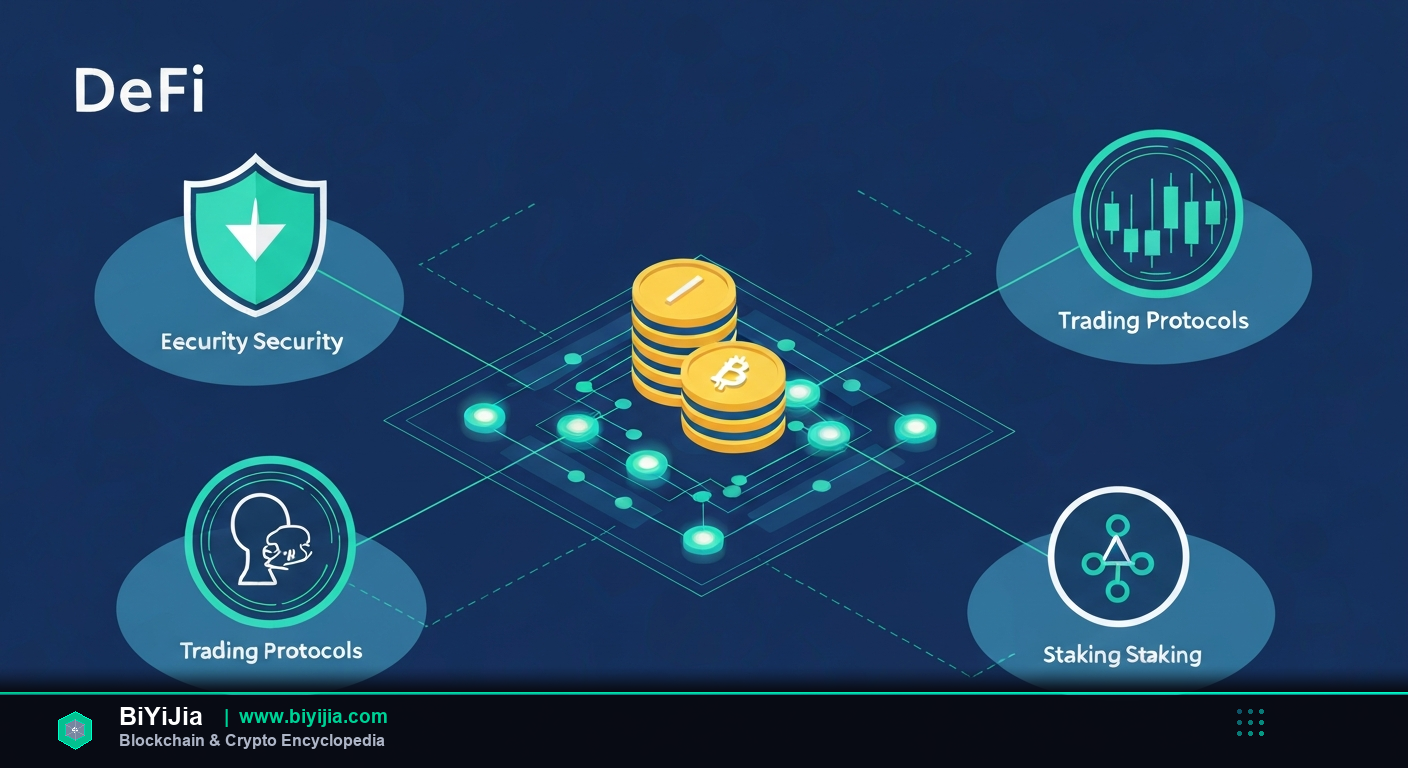
- DeFi (Decentralized Finance) is a permissionless, blockchain‑driven alternative to traditional finance.
- Core features include trustless smart contracts, on‑chain liquidity, and composable protocols.
- Real‑world use cases range from decentralized exchanges to yield‑bearing lending platforms.
- Compared with banks, DeFi removes custodial middlemen but introduces code risk and market volatility.
- Users should expect smart‑contract bugs, regulatory uncertainty, and impermanent loss.
What Is DeFi (Decentralized Finance)?
DeFi (Decentralized Finance) is a set of blockchain‑based services that replicate banking functions without a central authority.
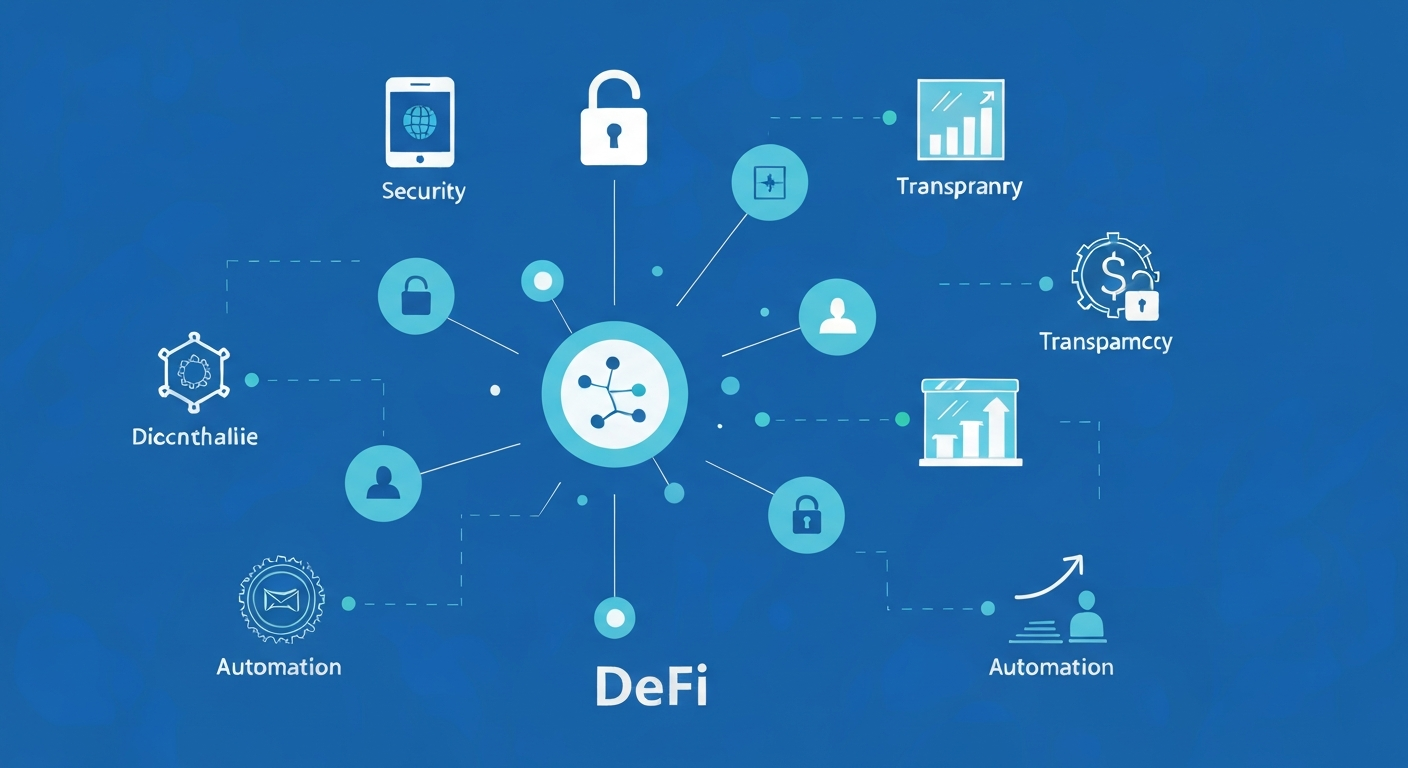
At its heart, DeFi swaps the trusted third‑party model for open‑source smart contracts that execute automatically on public ledgers like Ethereum, Binance Smart Chain, or Solana. These contracts hold assets, enforce rules, and settle transactions in a transparent, immutable way, allowing anyone with a web3 wallet to lend, borrow, trade, or earn yield.
Think of DeFi as a digital version of a community garden: instead of a landlord dictating who farms what, the garden’s rules are etched in stone (the blockchain), and every participant can plant, harvest, or trade produce without needing a gatekeeper.
How It Works
- Connect a wallet. Users link a non‑custodial wallet (MetaMask, Trust Wallet, etc.) to a DeFi interface, giving the app permission to read balances.
- Interact with smart contracts. When you click “deposit” or “swap,” the front‑end sends a transaction to the relevant contract, which validates conditions and updates state on‑chain.
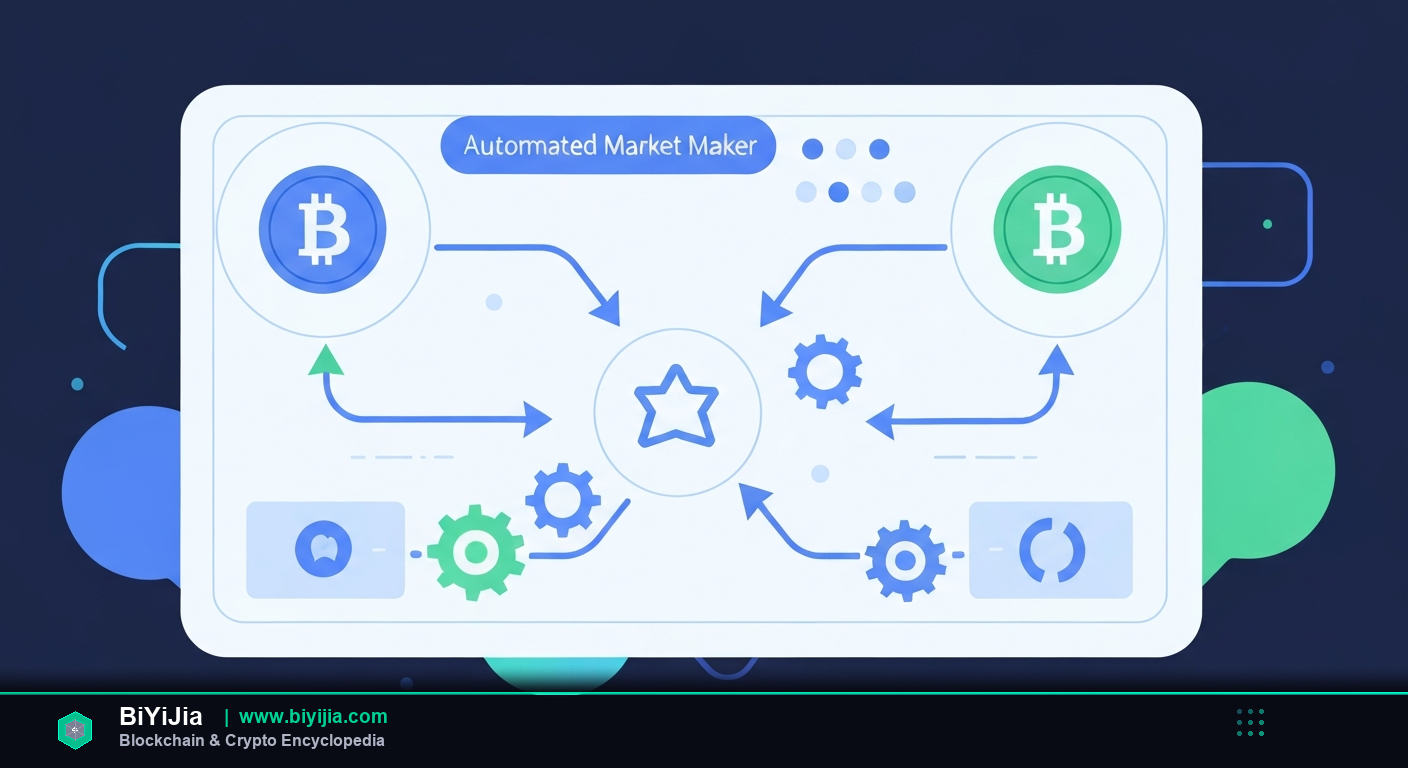
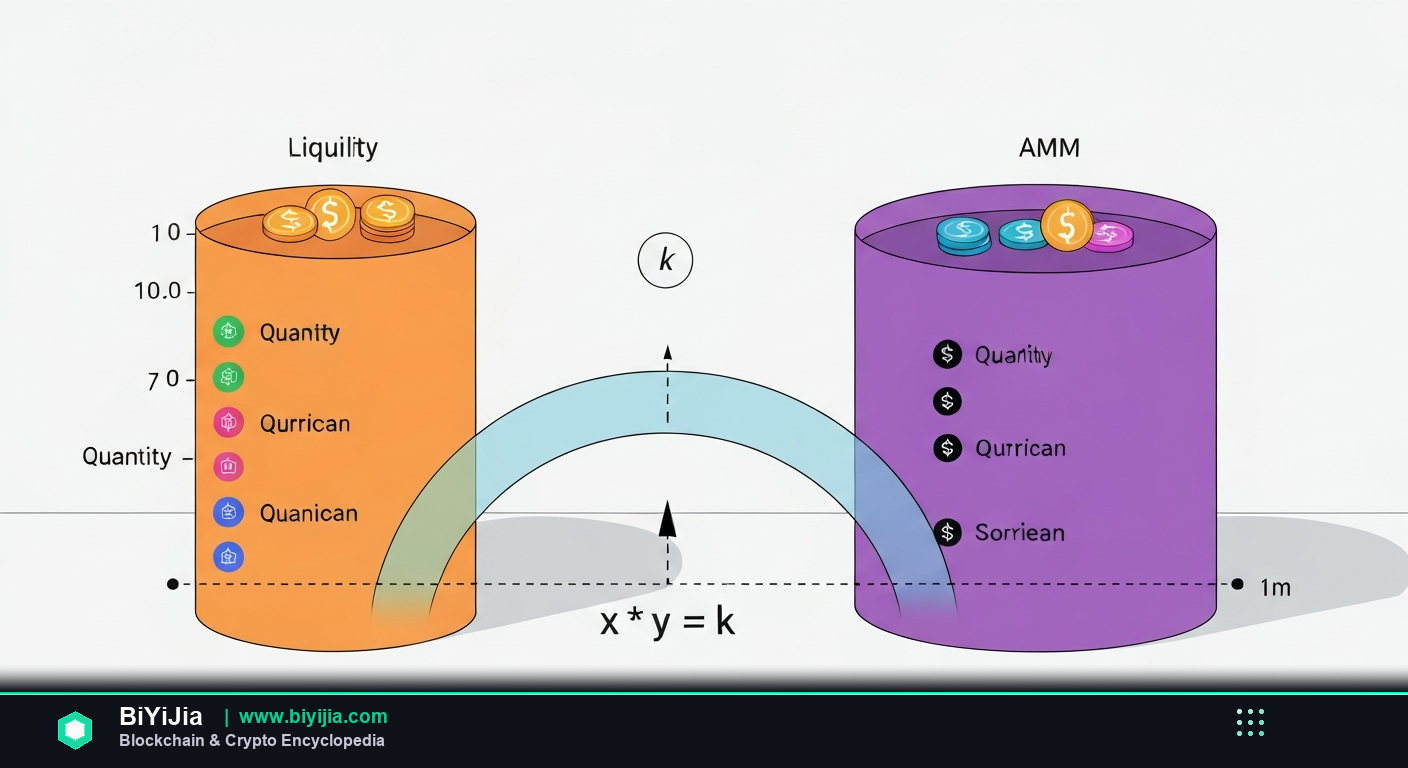
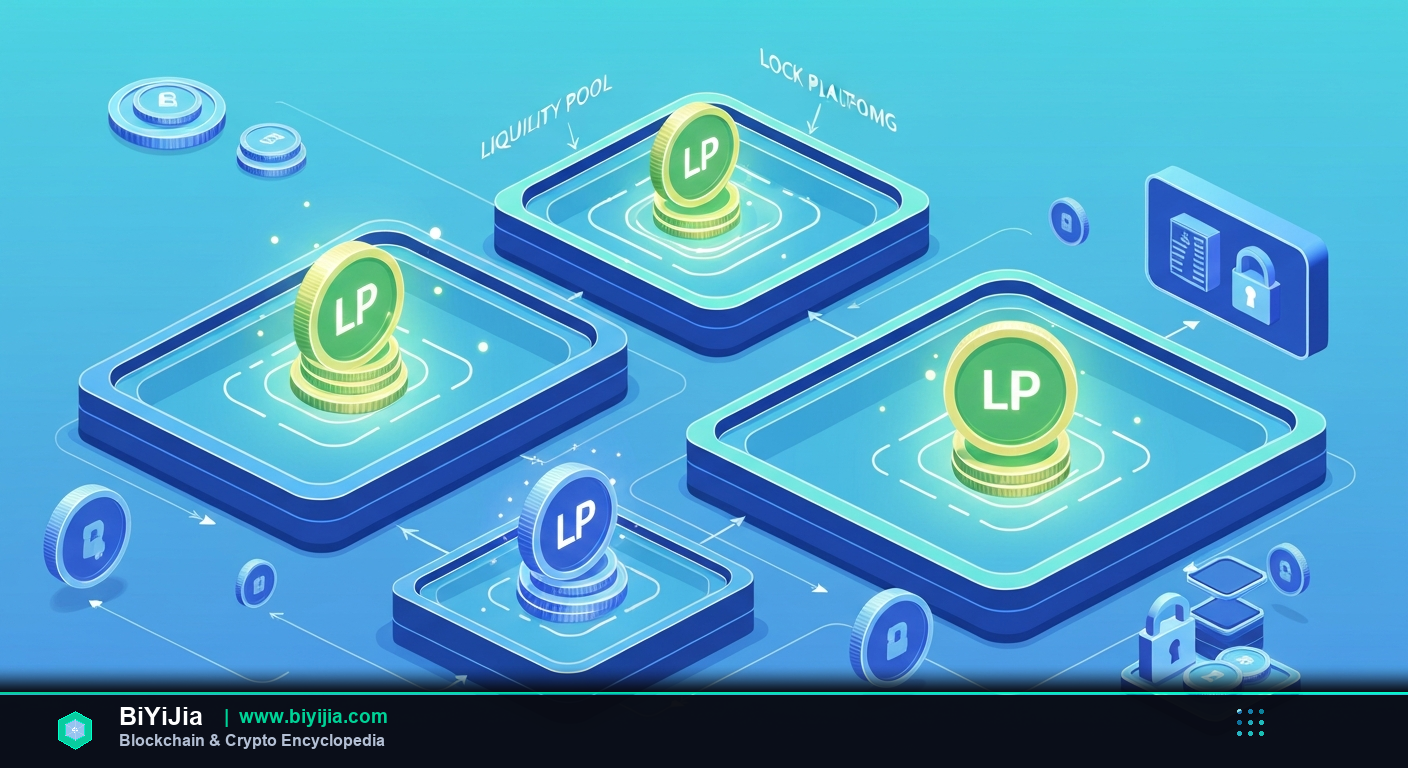
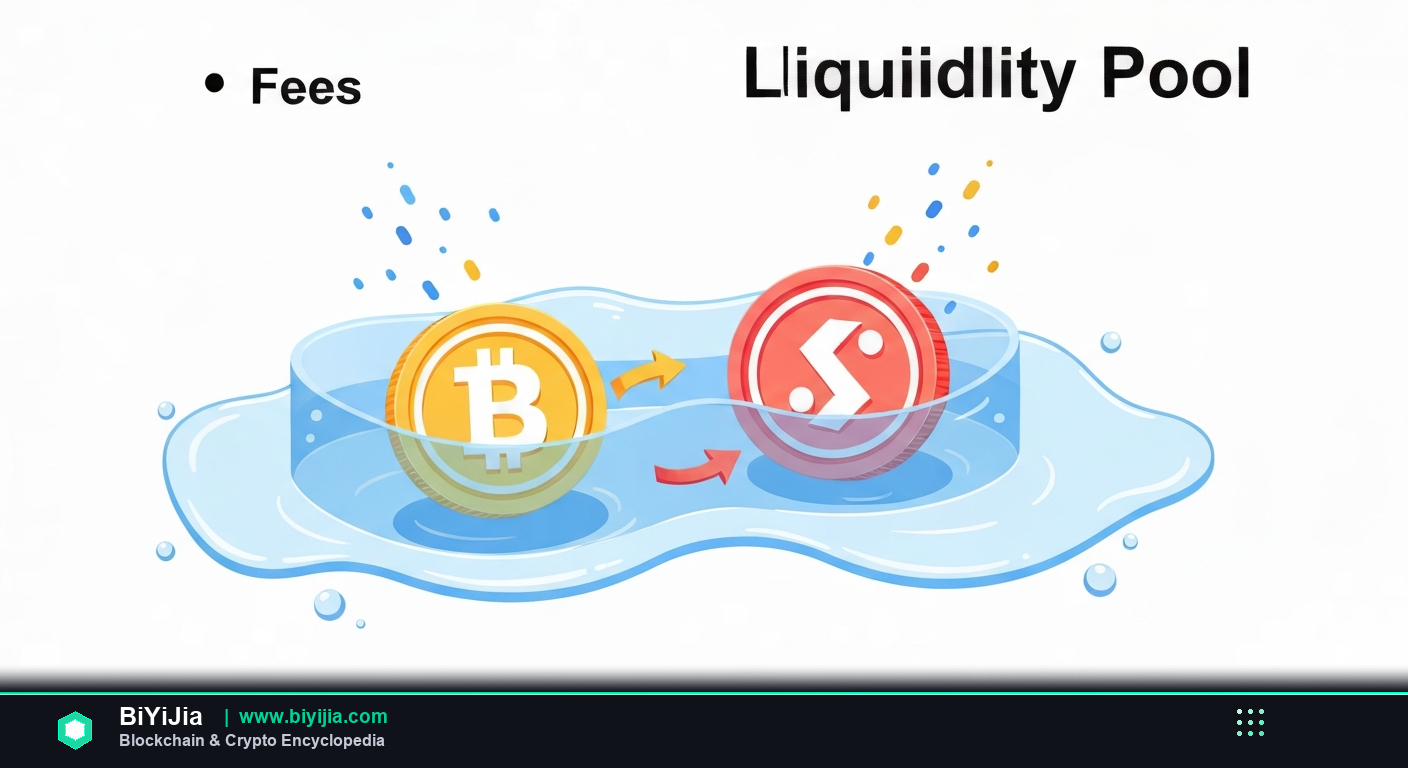
- Liquidity pools power the action. Most protocols rely on pooled assets supplied by users; these pools enable instant trades and lending without order books.
- Earnings are distributed automatically. Yield, interest, or fees accrue in real time and are claimable directly from the contract.
- Everything is transparent. Anyone can audit the contract code or view transaction histories on block explorers, ensuring accountability.
Core Features
Permissionless Access: No KYC or credit checks; anyone with an internet connection can participate.
Composability: Protocols can be stacked like Lego bricks, enabling complex products such as yield farms that combine lending and swapping.
Transparency: All code and transaction data are publicly visible, reducing information asymmetry.
Programmability: Smart contracts encode financial logic—interest rates, collateral ratios, or automated market‑making curves—without human intervention.
Global Liquidity: Assets from around the world converge in shared pools, often measured by [internal link: TVL] (Total Value Locked).
Real-World Applications
- Uniswap: A leading [internal link: DEX] that lets users swap ERC‑20 tokens instantly; it reported over $1.2 billion in fees in 2024 (Dune Analytics).
- Aave: A peer‑to‑peer lending protocol where users earn interest by supplying assets and borrow by posting collateral; its TVL topped $23 billion in Q1 2025 (DeFi Llama).
- Curve Finance: Specialized for stablecoin swaps, offering ultra‑low slippage; it locked $15 billion in stable assets by mid‑2025.
- SushiSwap: Combines swapping, lending, and yield farming under one roof; its liquidity mining program has distributed over $300 million in SUSHI tokens since launch.
- Yearn Finance: An aggregator that automatically moves capital between the highest‑yielding protocols, simplifying “how to earn with DeFi.”
Comparison with Related Concepts
DeFi vs. Traditional Finance: Traditional finance relies on centralized institutions that hold custody of assets and enforce rules via legal contracts. DeFi replaces those custodians with code, offering 24/7 access but sacrificing the consumer protections and insurance that banks provide.
DeFi vs. Centralized Exchanges (CEX): CEXs like Binance manage order books and hold user funds, whereas [internal link: DEX] platforms let users trade directly from their wallets, eliminating counterparty risk but often incurring higher gas costs.
DeFi vs. CeFi Lending: CeFi platforms (e.g., BlockFi) lend based on credit checks and internal risk models. DeFi lending protocols such as Aave use over‑collateralization and algorithmic rates, removing credit checks but exposing borrowers to liquidation risk.
Risks & Considerations
Smart‑Contract Bugs: Flawed code can be exploited, leading to loss of funds. Audits reduce risk but never eliminate it.
Impermanent Loss: Liquidity providers may earn less than simply holding the assets if token prices diverge, especially in volatile markets.
Regulatory Uncertainty: Governments worldwide are still defining rules for DeFi, and future legislation could affect protocol operations or user access.
Market Volatility: Prices can swing dramatically, affecting collateral ratios and potentially triggering liquidations.
Liquidity Risks: In thinly traded pools, large withdrawals can cause slippage or even lock users out of their positions.
Embedded Key Data
According to DeFi Llama, the total value locked across all DeFi protocols hit a record $87 billion in Q4 2025, signaling growing institutional interest. Meanwhile, Dune Analytics shows that Uniswap V3 alone generated $1.2 billion in trading fees during 2024, underscoring the revenue potential of permissionless liquidity.
Frequently Asked Questions
What is DeFi and how does it differ from regular finance?
DeFi (Decentralized Finance) is a suite of blockchain applications that let you lend, borrow, trade, or earn yield without banks or brokers. The main difference is that DeFi uses smart contracts on public ledgers, eliminating the need for a trusted middleman.
How can I start earning with DeFi?
Begin by setting up a non‑custodial wallet, then explore yield‑bearing platforms like Aave (lending), Curve (stablecoin swaps), or Yearn (auto‑optimizing vaults). Most protocols let you deposit assets and start earning interest or rewards within a few clicks.
Is DeFi safe for beginners?
Safety depends on the protocols you choose and how well you understand the risks. Stick to audited, high‑TVL projects, diversify your exposure, and never invest more than you can afford to lose.
What does TVL mean and why does it matter?
TVL stands for Total Value Locked, the dollar amount of assets secured in a DeFi protocol. Higher TVL generally indicates greater trust, liquidity, and security, though it’s not a guarantee against bugs.
Can I use DeFi on mobile devices?
Absolutely. Wallet apps like Trust Wallet or MetaMask Mobile let you interact with DeFi dApps directly from your phone, making on‑the‑go trading and earning a reality.
Summary
DeFi (Decentralized Finance) reshapes how we access financial services by leveraging open‑source smart contracts, global liquidity, and permissionless access. As the ecosystem matures, understanding its core mechanics, key players, and inherent risks is essential for anyone looking to participate or earn in the new financial frontier. Dive deeper into related concepts such as [internal link: DEX], [internal link: Lending], and [internal link: Liquidity Mining] to round out your knowledge.