
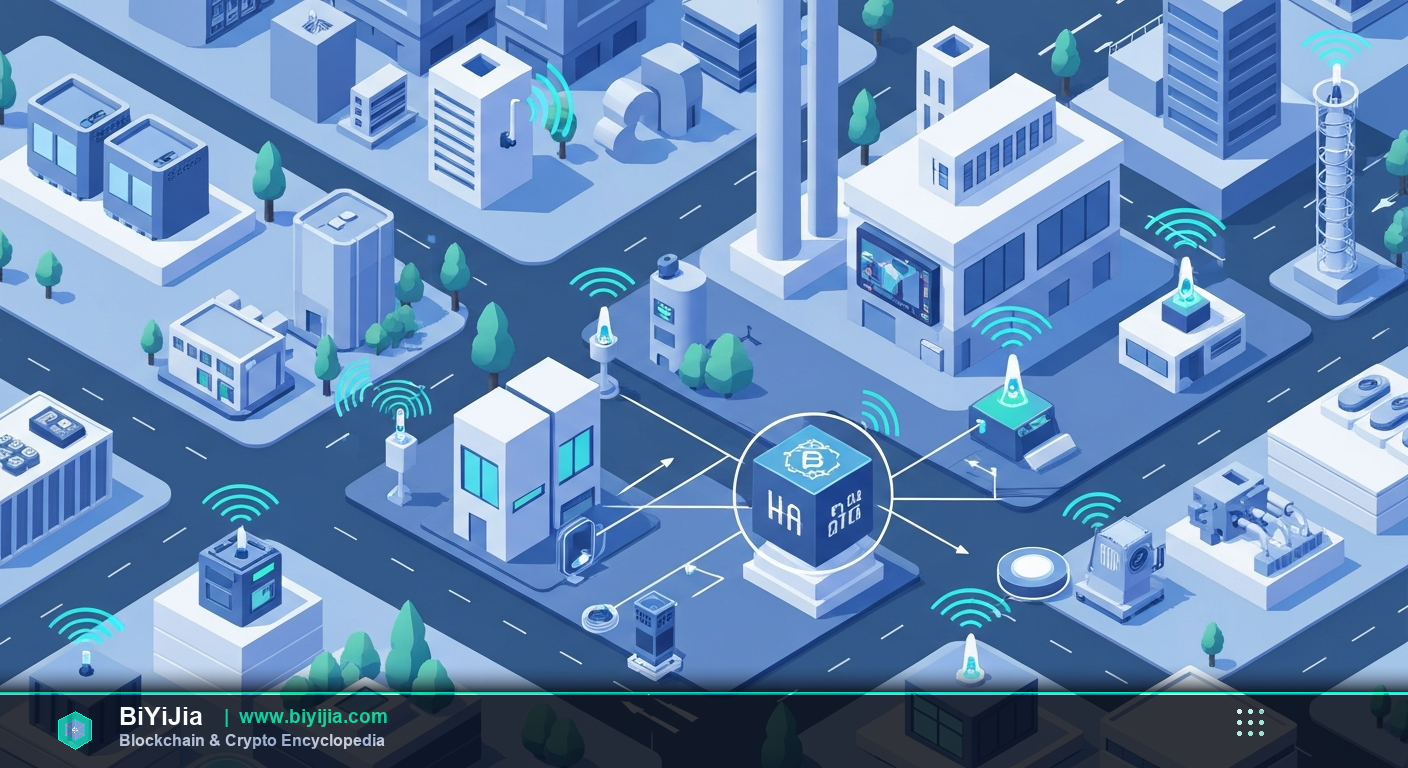
DePIN (Decentralized Physical Infrastructure) is a blockchain‑based model that lets anyone own, operate, and earn from physical assets like wireless towers, storage nodes, or sensor networks.
Key Takeaways
- DePIN crypto creates open, token‑driven marketplaces for real‑world infrastructure.
- Core features include token incentives, community governance, and on‑chain verification of physical resources.
- Projects such as Helium, Filecoin, and various IoT networks illustrate DePIN in action.
- Unlike traditional centralized providers, DePIN distributes risk, cost, and reward across a global participant base.
- Risks include regulatory uncertainty, hardware reliability, and token price volatility.
What Is DePIN (Decentralized Physical Infrastructure)?
In plain English, DePIN crypto is a way to turn physical hardware into a shared, token‑backed service that anyone can help run and get paid for.
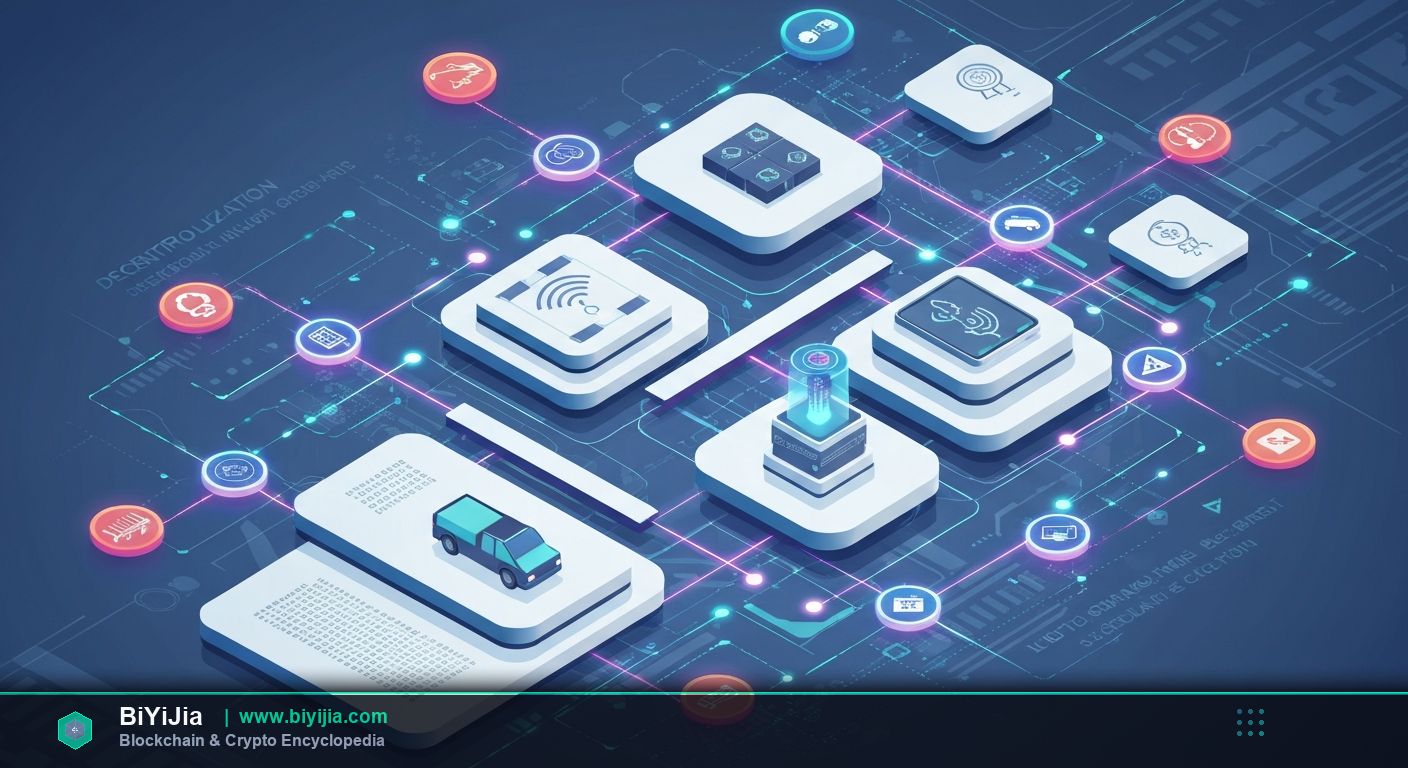
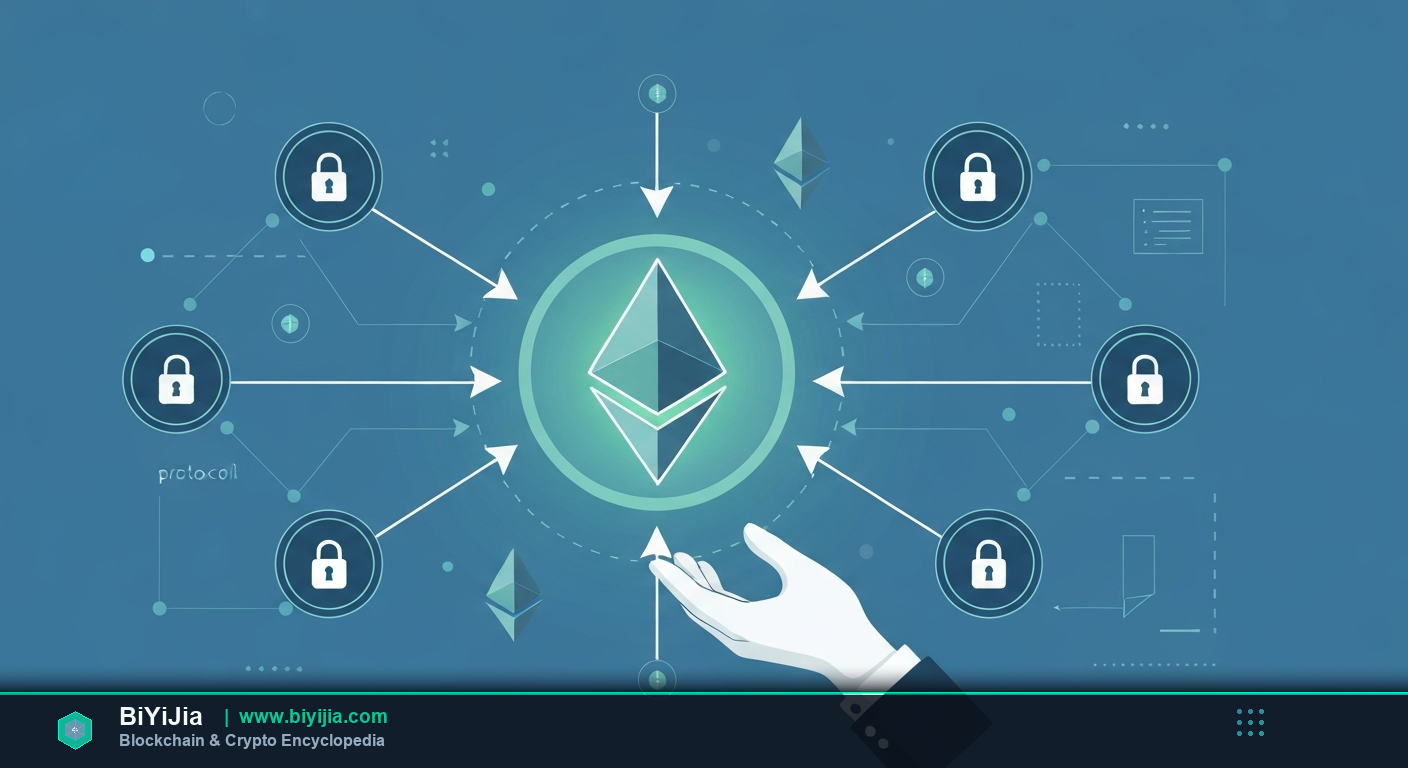
Under the hood, DePIN combines three blockchain concepts: a native utility token that pays for usage, a smart‑contract layer that records who contributed which hardware, and a decentralized governance model that decides protocol upgrades. When a device—say a Helium hotspot—sends data, the network automatically credits the owner’s wallet, creating a transparent, auditable revenue stream.
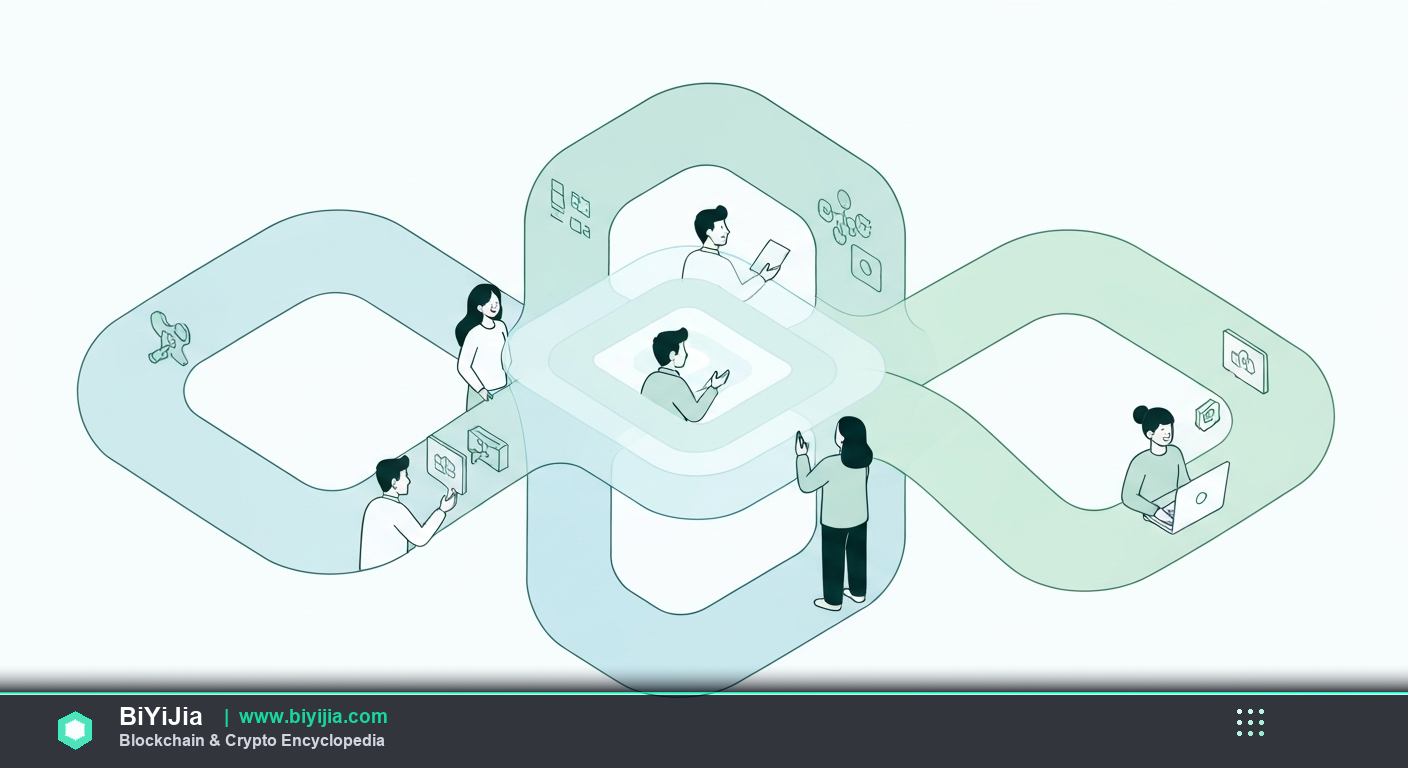
Think of a neighborhood garden where every resident plants a plot, waters it, and harvests the veggies. The produce is divided fairly, and the garden’s rules are decided together. DePIN works the same way, only the “garden” is a global network of physical nodes and the “produce” is bandwidth, storage, or sensor data.
How It Works
- Participants purchase or lease hardware that meets protocol specifications (e.g., a LoRaWAN gateway for Helium).
- Each device registers on the blockchain, receiving a unique identifier linked to the owner’s wallet.
- When the device provides a service—like transmitting IoT data—the protocol validates the contribution via on‑chain proofs.
- The smart contract mints or transfers tokens as a reward, proportionate to the amount of work done.
- Token holders vote on upgrades, fee structures, and incentive adjustments, keeping the ecosystem adaptable.
Core Features
Token Incentives: A native token rewards hardware owners for real‑time service delivery, aligning economic interests.
Decentralized Governance: Token‑based voting lets the community steer protocol changes without a single corporate owner.
On‑Chain Verification: Cryptographic proofs confirm that physical devices are online and performing as expected.
Interoperability: Many DePIN projects adopt open standards, enabling devices to serve multiple networks simultaneously.
Scalable Economics: As more participants join, the network’s coverage and utility grow, often outpacing traditional capex models.
Real-World Applications
- Helium: Operates a global LoRaWAN network where hotspot owners earn HNT tokens for relaying IoT data. Over 2.4 million hotspots were active in 2025, covering 85% of U.S. land area.
- Filecoin: Provides decentralized storage; miners earn FIL tokens by hosting hard drives that store user files.
- Akash Network: Lets providers rent out spare cloud compute; users pay with AKT tokens, creating a marketplace for edge computing.
- Althea: Enables community‑run broadband; participants earn ALTIA tokens for sharing excess bandwidth.
- WeatherXM: Deploys low‑cost weather stations; data contributors receive weather‑related tokens, improving climate modeling.
Comparison with Related Concepts
DePIN vs DeFi: DeFi tokenizes financial services, while DePIN tokenizes physical assets. Both rely on smart contracts, but DePIN adds a layer of hardware verification.
DePIN vs Traditional Telecom: Traditional telecom builds towers and leases capacity centrally; DePIN crowdsources the towers, turning every participant into a mini‑operator.
DePIN vs Cloud Computing: Cloud providers own data centers; DePIN networks let anyone rent out spare storage or compute, distributing risk and cost.
Risks & Considerations
Regulatory Uncertainty: Governments may treat DePIN nodes as telecom infrastructure, imposing licensing fees.
Hardware Reliability: Poorly maintained devices can degrade network quality and reduce token earnings.
Token Volatility: Rewards are paid in native tokens, whose market price can swing dramatically, affecting real‑world ROI.
Network Security: If a majority of nodes act maliciously, the protocol could be compromised, though most designs use slashing mechanisms.
Geographic Concentration: Early DePIN projects often cluster in urban areas, leaving rural coverage gaps that may limit utility.
Embedded Key Data
According to a 2025 industry report, DePIN networks accounted for roughly 12% of global IoT connectivity, up from just 3% in 2022 (Source: IoT Analytics). In the same year, Helium’s token market cap topped $4.2 billion, reflecting strong investor confidence in decentralized infrastructure (Source: CoinMarketCap).
Frequently Asked Questions
What is DePIN and how does it differ from regular blockchain projects?
DePIN (Decentralized Physical Infrastructure) focuses on tokenizing real‑world hardware—like routers, storage drives, or sensors—so anyone can earn crypto by providing physical services. Traditional blockchain projects usually deal with purely digital assets or financial services.
Can I earn passive income with DePIN?
Yes, if you own compatible hardware and keep it online, the protocol automatically credits you with tokens based on the amount of data transmitted, storage used, or compute provided. Earnings depend on network demand, token price, and device performance.
Do I need technical expertise to join a DePIN network?
Most projects aim for plug‑and‑play hardware. For example, Helium hotspots come pre‑configured; you just plug them in and register the device. Advanced participants can customize firmware or run multi‑protocol nodes for higher rewards.
How are DePIN rewards calculated?
Rewards are typically proportional to the verified service a node delivers. Smart contracts track metrics such as bandwidth relayed, storage gigabytes‑days, or compute cycles, then mint or transfer tokens accordingly.
Is DePIN regulated?
Regulation varies by jurisdiction. Some countries treat DePIN nodes as telecom equipment, requiring licenses, while others have no explicit rules yet. Participants should stay informed about local laws before deploying hardware.
Summary
DePIN (Decentralized Physical Infrastructure) transforms tangible assets into token‑driven services, opening new revenue streams for everyday users and expanding global connectivity. As more projects like Helium, Filecoin, and Akash mature, DePIN will likely become a cornerstone of the decentralized economy alongside concepts such as DeFi and IoT.