
Key Takeaways
- Definition: A DEX is a peer‑to‑peer marketplace for crypto assets that runs on smart contracts.
- Core features: Automated market making, liquidity pools, and on‑chain settlement.
- Real‑world use: Traders swap tokens on Uniswap, earn fees on liquidity provision, and access global markets 24/7.
- Comparison: Unlike a CEX, a DEX never holds user funds and removes custodial risk.
- Risk warning: Impermanent loss, smart‑contract bugs, and price slippage can bite even experienced users.
What Is DEX (Decentralized Exchange)?
In plain language, a DEX is a crypto exchange that operates without a central company controlling trades.
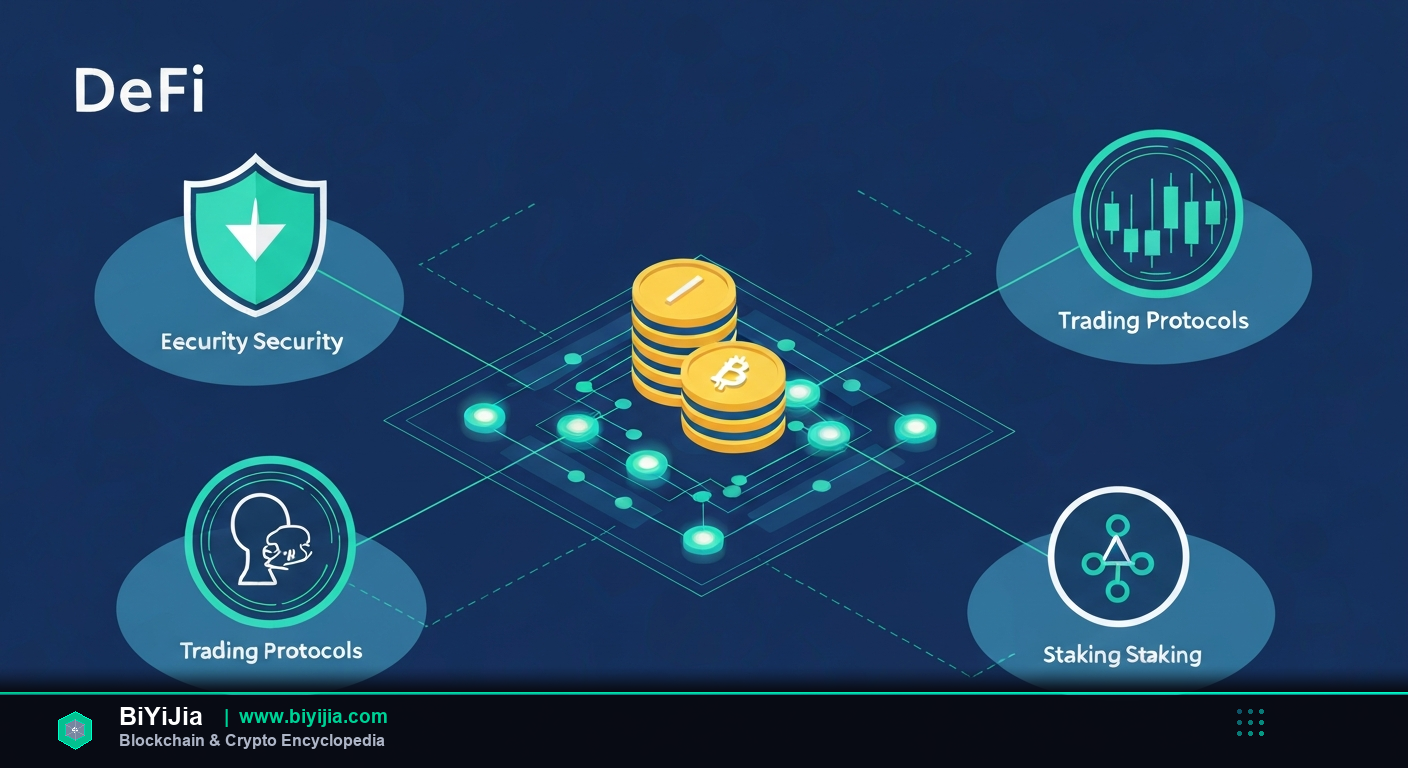
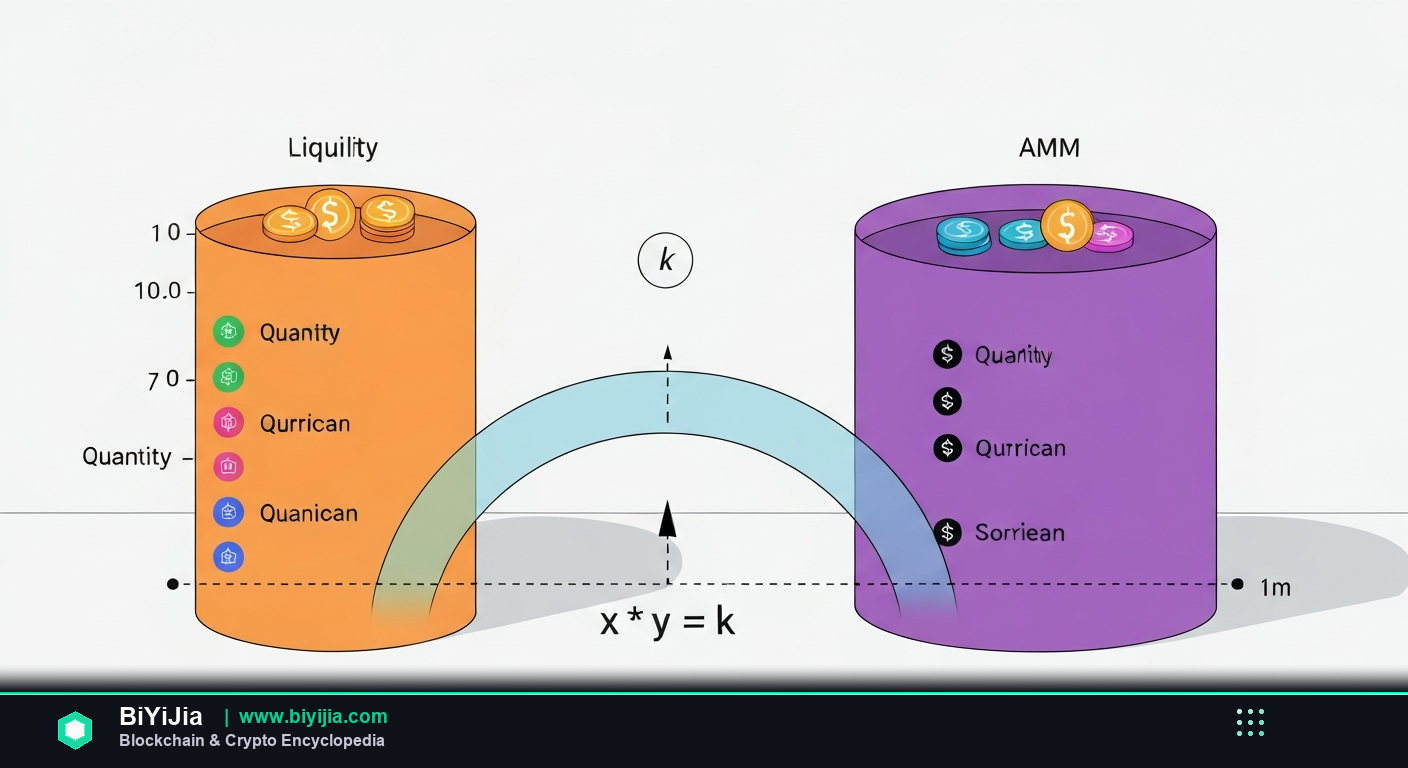
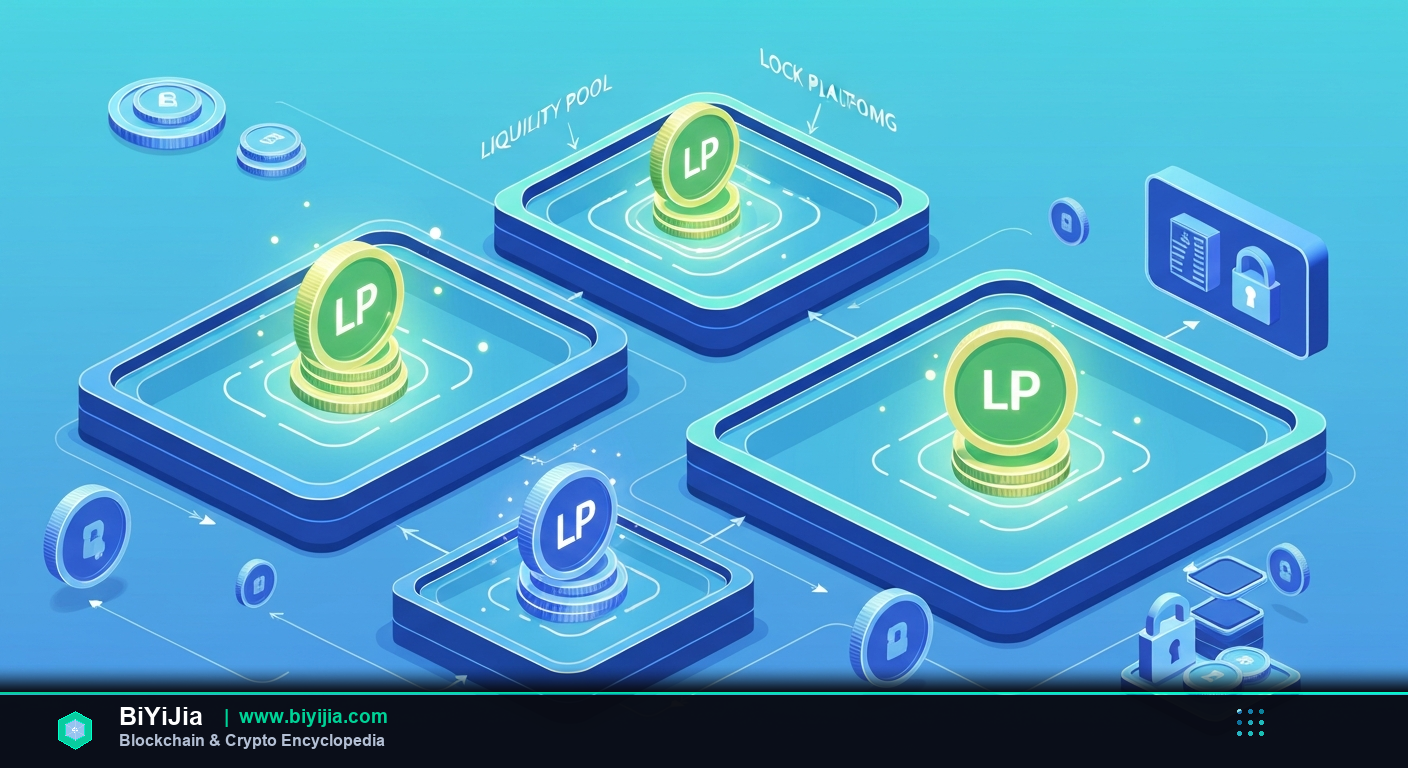
Technically, it lives on top of Decentralized Finance (DeFi) protocols, using smart contracts to match orders, manage liquidity, and settle swaps on‑chain. The most common design today is the automated market maker (AMM), where liquidity providers deposit pairs of tokens into a [internal link: Liquidity Pool] and the contract prices assets algorithmically.
Think of a DEX like a public farmer’s market where every stall owner sets their own price, and buyers walk around picking the best deal without a market manager dictating terms.
How It Works
- Users connect a Web3 wallet (e.g., MetaMask) to the DEX interface.
- The wallet signs a transaction that tells the AMM smart contract how many tokens to swap.
- The contract pulls the required amount from the user’s wallet, adjusts the pool balances, and sends the output token back, all in one atomic step.
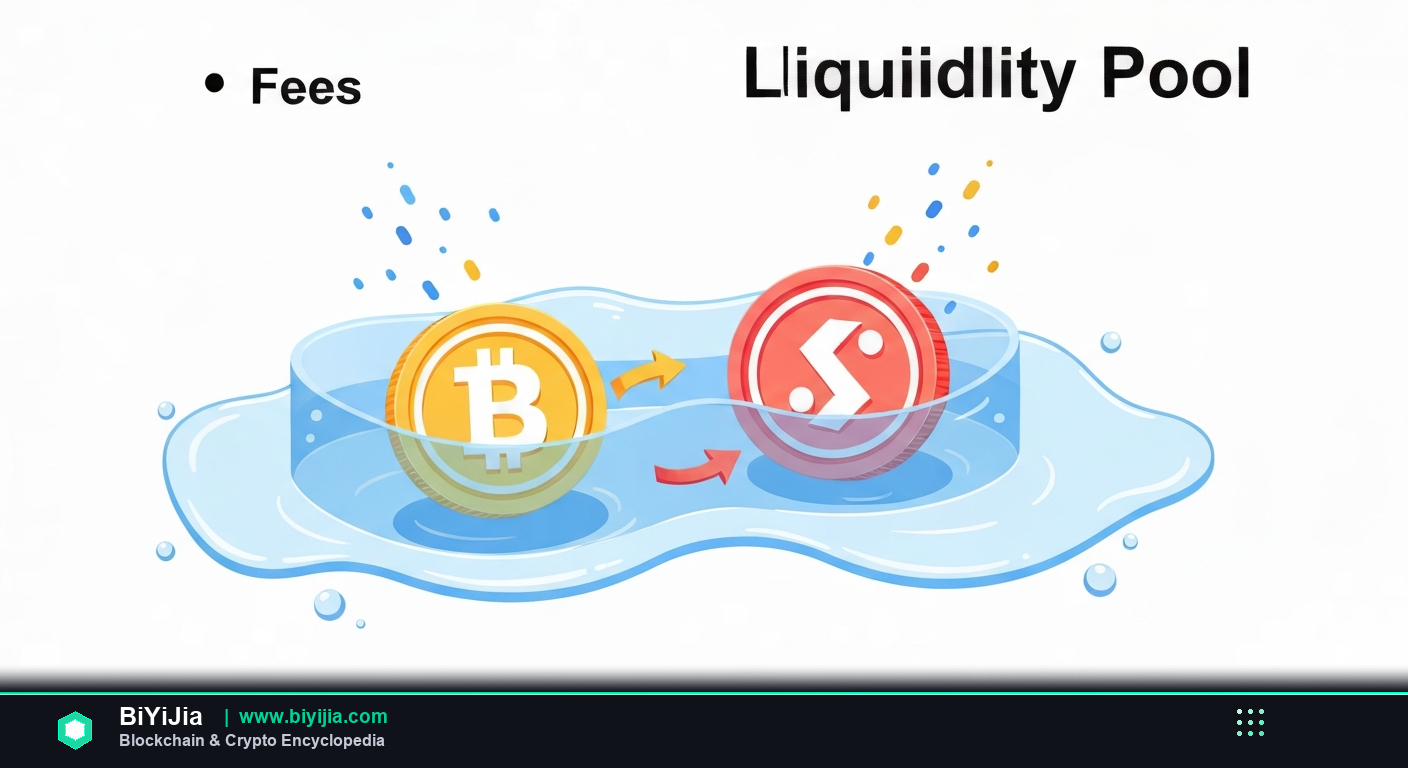
- Liquidity providers earn a proportion of the swap fees, which accrue to the pool automatically.
- The entire process is recorded on the blockchain, ensuring transparency and immutability.
Core Features
- Permissionless Access: Anyone with a compatible wallet can trade, no KYC required.
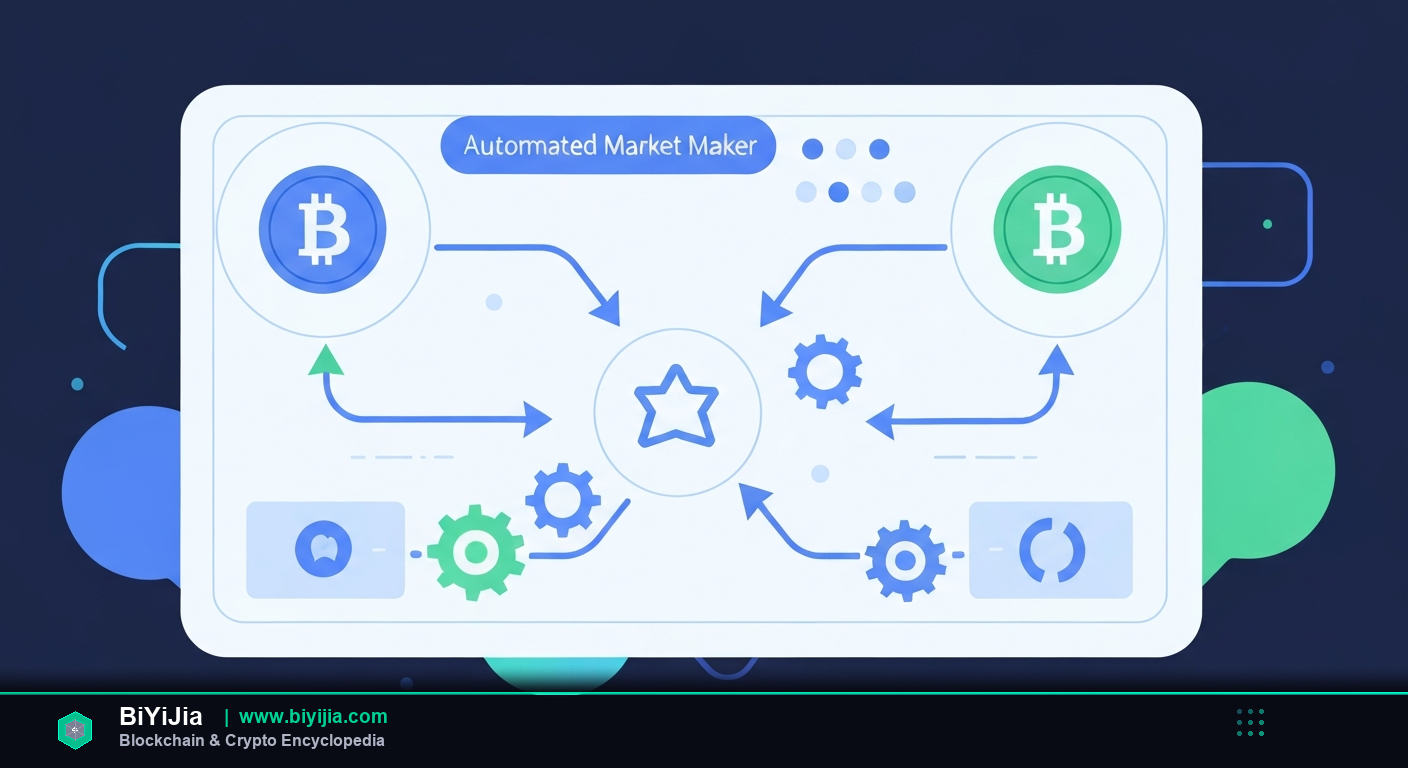
- Automated Market Making (AMM): Pricing is driven by a mathematical formula rather than an order book; see [internal link: AMM] for details.
- Liquidity Pools: Users pool assets to provide depth; the pool’s size directly influences price impact.
- On‑Chain Settlement: Every trade is a blockchain transaction, guaranteeing finality.
- Composable Architecture: DEX contracts can be integrated into other DeFi services like yield farms and lending platforms.
- Transparency: All code and pool balances are publicly viewable.
Real‑World Applications
- Uniswap: The flagship AMM on Ethereum, processing over $5 billion in monthly volume in 2025.
- SushiSwap: Offers additional yield‑farming incentives; its TVL topped $12 billion in Q2 2026.
- PancakeSwap: The leading DEX on BNB Chain, handling $2.3 billion of daily swaps as of March 2026.
- Curve Finance: Specializes in stablecoin swaps with slippage under 0.1 % for $10 million trades.
- Balancer: Provides multi‑token pools and custom weightings, powering over $1.5 billion in assets.
Comparison with Related Concepts
DEX vs CEX: A centralized exchange (CEX) holds user funds in custodial wallets, matches orders off‑chain, and typically offers higher liquidity but introduces counterparty risk. A DEX keeps custody with the user, executes trades on‑chain, and sacrifices some speed and depth for censorship resistance.
Uniswap vs AMM: Uniswap is a concrete implementation of the AMM model; the term AMM describes the underlying pricing algorithm that powers many platforms, including Uniswap.
Liquidity Pool vs Slippage: A deeper liquidity pool reduces slippage—the difference between expected and actual execution price—making large trades cheaper.
Risks & Considerations
- Smart‑Contract Vulnerabilities: Bugs can be exploited, leading to loss of pooled assets.
- Impermanent Loss: Providing liquidity to volatile pairs can result in lower value compared to holding the tokens separately.
- Price Slippage: Large orders relative to pool size can move the market price unfavorably.
- Regulatory Uncertainty: Some jurisdictions may impose restrictions on decentralized trading.
- Front‑Running (MEV): Bots can reorder transactions to capture arbitrage, affecting ordinary users.
Embedded Key Data
According to Dune Analytics, daily DEX trading volume surpassed $12 billion in Q1 2026, representing a 35 % increase year‑over‑year.
DeFi Pulse reports that total value locked (TVL) in DEXes reached $98 billion in March 2026, up from $73 billion a year earlier.
Frequently Asked Questions
What is a DEX and how does it differ from a traditional exchange?
A DEX is a blockchain‑based platform where trades happen directly between users via smart contracts. Unlike traditional (centralized) exchanges, a DEX never holds your funds, and trades settle on‑chain, providing greater privacy and resistance to censorship.
Can I use a DEX without any technical knowledge?
Honestly, the UI of popular DEXs like Uniswap is designed for beginners—just connect your wallet, pick a token pair, and confirm the transaction. That said, understanding gas fees and slippage will save you headaches.
Why does price slippage happen on a DEX?
Slippage occurs when the size of your trade is large relative to the depth of the [internal link: Liquidity Pool]. The AMM formula adjusts the price as the pool balances shift, so a bigger order pushes the price further away from the market rate.
Is it safe to provide liquidity on a DEX?
Providing liquidity can be rewarding, but you need to weigh impermanent loss against fee earnings. I’ve seen people lose value when a volatile token spikes, so always check the pool’s composition and consider stable‑coin pairs if you’re risk‑averse.
Do DEXs support fiat currencies?
Most DEXs operate purely with crypto assets. Some hybrid platforms are experimenting with fiat on‑ramps, but the core promise of a DEX is to stay on‑chain and decentralized, which fiat integrations often compromise.
Summary
DEX (Decentralized Exchange) is a peer‑to‑peer marketplace that lets users swap crypto assets directly on the blockchain, eliminating custodial risk. As DeFi matures, understanding DEX mechanics, benefits, and pitfalls is essential for any crypto participant.
Explore related concepts like [internal link: AMM], [internal link: Liquidity Pool], and [internal link: Slippage] to deepen your DeFi knowledge.