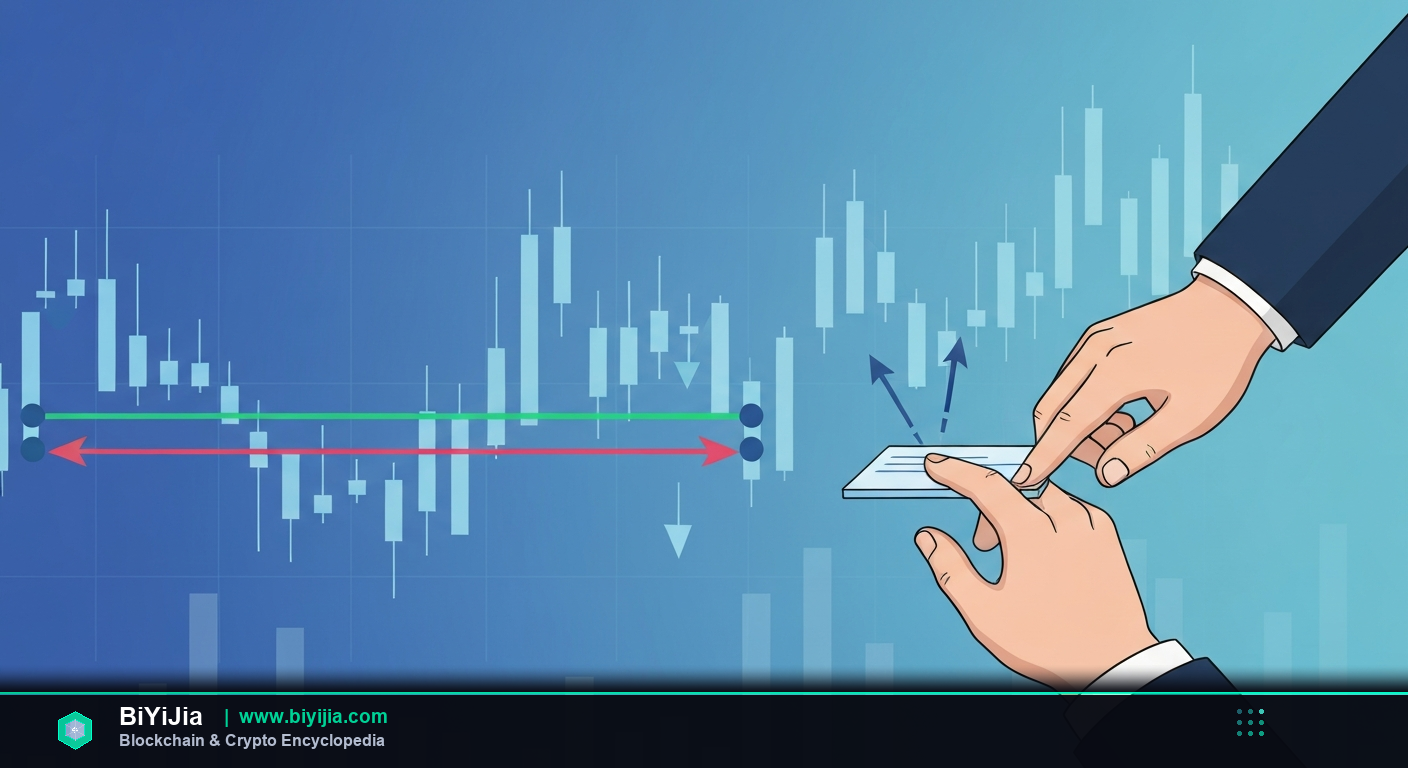

Leverage is a cornerstone of modern crypto trading, but newcomers often ask, "what is leverage trading?" In plain terms, leverage lets you open a position that’s bigger than the cash you actually put down.
Key Takeaways
- Definition: Leverage is borrowed capital that magnifies your market exposure.
- Core Feature: It uses a multiplier to turn a small margin into a large position.
- Real‑world Application: Futures contracts on platforms like Binance allow up to 125x crypto leverage.
- Traditional Comparison: Similar to margin trading in stocks, but crypto markets are 24/7 and often more volatile.
- Risk Warning: High leverage can trigger rapid liquidation if the market moves against you.
What Is Leverage?
Leverage is the practice of using borrowed funds to increase the size of a trade beyond the trader’s own capital.
Technically, an exchange or lending protocol supplies the extra capital, and the trader posts a fraction of the total value as collateral, known as margin. The ratio between the total position size and the margin is called the leverage multiplier. For example, a 10x multiplier means you control $10,000 of crypto with just $1,000 of your own money.
Think of it like buying a house with a mortgage: you only need a down payment, but you get to live in (or profit from) the full property value. In crypto, the house is a trade, the mortgage is the borrowed capital, and the down payment is your margin.
How It Works
- Choose a trading pair and decide the amount of margin you’re willing to risk.
- Select a leverage multiplier—common choices are 2x, 5x, 10x, up to 125x on some futures platforms.
- The platform loans you the remaining funds needed to reach the total position size.
- Your trade executes, and profits or losses are calculated on the full position, not just your margin.
- If losses approach your margin threshold, the system may trigger a liquidation to protect the lender.
Core Features
- Multiplier: Determines how many times larger your position is compared to your margin.
- Margin Requirement: The minimum collateral needed to open a leveraged position.
- Funding Rate: Periodic payments between long and short positions that keep futures prices close to spot.
- Liquidation Mechanism: Automatic closing of positions when margin falls below a safety threshold.
- Interest Cost: Borrowed capital incurs a fee, often expressed as an annual percentage rate.
Real-World Applications
- Binance Futures – Offers up to 125x crypto leverage on BTC/USDT, with daily trading volume exceeding $9 billion (Binance Report 2025).
- Bybit – Provides 100x leverage on popular pairs and features an auto‑deleveraging system to protect the platform.
- dYdX – A decentralized exchange that lets users trade perpetual contracts with up to 25x leverage, using on‑chain collateral.
- FTX (pre‑bankruptcy) – Pioneered tokenized leverage tokens that gave investors exposure to 3x or 5x leveraged positions without active management.
Comparison with Related Concepts
Leverage vs Futures: Futures are contracts that obligate you to buy or sell an asset at a future date; leverage is the tool that lets you control a larger futures contract with less capital.
Leverage vs Multiplier: The multiplier is the numeric expression of leverage (e.g., 10x), while leverage describes the overall borrowing strategy.
Leverage vs Liquidation: Liquidation is the safety net that closes a leveraged position when margin erodes, preventing the lender from losing money.
Leverage vs Margin: Margin is the collateral you post; leverage is the ratio of total exposure to that margin.
Risks & Considerations
- Amplified Losses: Just as gains are multiplied, so are losses, potentially wiping out your entire margin.
- Liquidation Risk: Sudden price swings can trigger automatic liquidation, often at a price worse than the market.
- Interest Accrual: Holding leveraged positions overnight can eat into profits due to borrowing fees.
- Market Volatility: Crypto’s 24/7 price swings make high leverage especially dangerous during news events.
- Regulatory Scrutiny: Some jurisdictions cap crypto leverage to protect retail investors, limiting available multipliers.
Embedded Key Data
In 2024, total crypto leverage volume on major exchanges topped $12 billion, according to The Block.
A 2025 survey found that 68% of active traders use some form of crypto leverage at least once a month (Crypto.com Research).
Frequently Asked Questions
What is the difference between crypto leverage and traditional margin trading?
Crypto leverage operates on 24/7 markets and often offers much higher multipliers than traditional stock margin, which is limited by exchange rules and market hours. Both require collateral, but crypto platforms usually enforce automated liquidation.
How does margin leverage affect my profit potential?
Margin leverage amplifies profit by the multiplier you choose. A 10x leverage on a 5% price move yields a 50% return on your margin, minus any borrowing fees. The upside is attractive, but the downside scales identically.
Can I use leverage on decentralized platforms?
Yes. Protocols like dYdX, Aave (via credit delegation), and GMX let you borrow assets on‑chain to open leveraged positions, all without a centralized intermediary.
What triggers a liquidation?
When the value of your collateral falls below the maintenance margin threshold—often around 50% of the initial margin—the platform automatically closes the position to prevent further loss to the lender.
Is there a safe leverage level for beginners?
Most veterans recommend starting at 2x or 3x. Lower multipliers give you room to manage risk while you learn how price swings affect leveraged positions.
Summary
Leverage lets traders amplify exposure by borrowing capital, turning a modest margin into a sizable market position. Mastering leverage is essential for anyone serious about crypto trading, but it must be balanced with an awareness of liquidation, interest costs, and market volatility. Explore related concepts like Futures, Multiplier, Liquidation, and Margin to deepen your understanding.