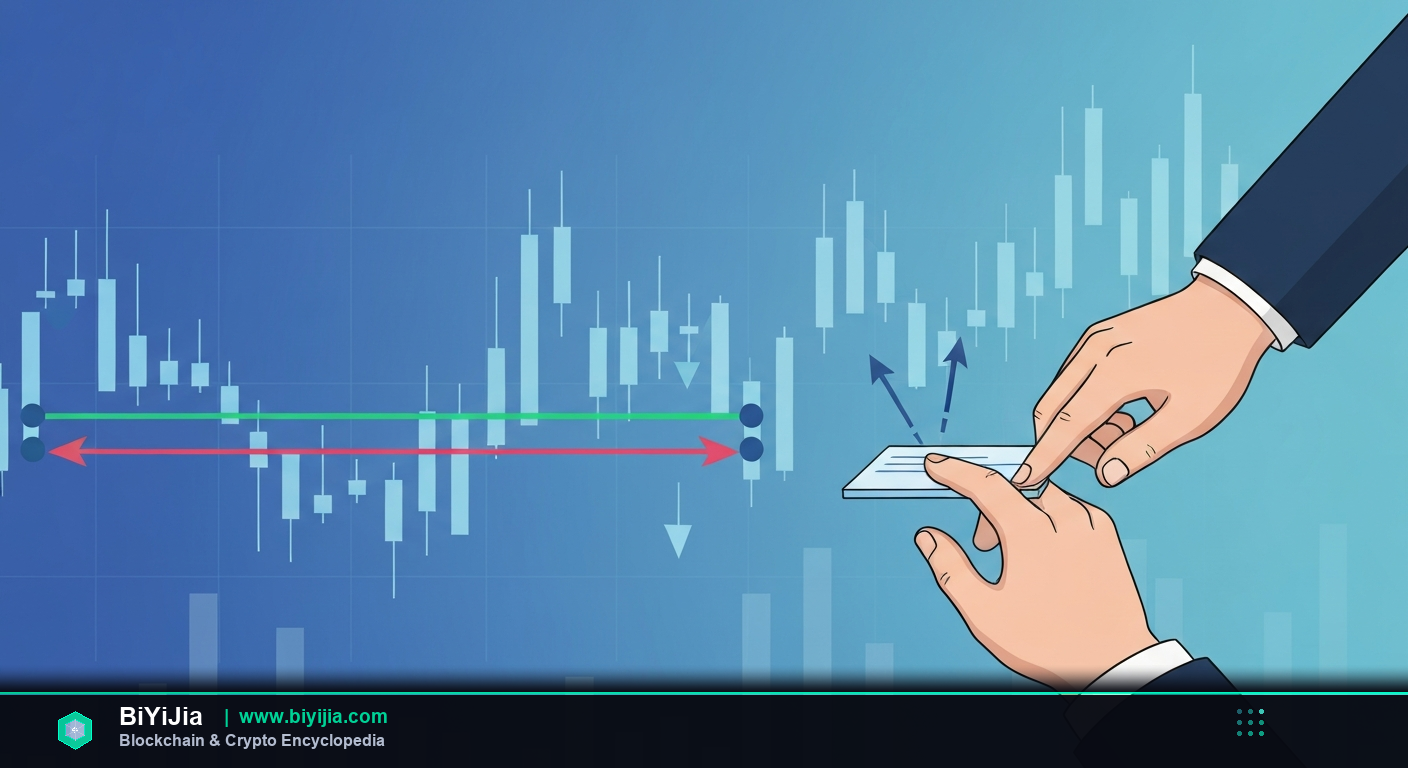

P2P Trading is a decentralized marketplace where crypto buyers and sellers deal directly, using escrow to secure the swap.
Key Takeaways
- One-line definition: Peer-to-peer crypto exchange that matches users without a central order book.
- Core features: escrow, multiple payment methods, fiat on-ramp, merchant options.
- Real-world application: buying Bitcoin with a bank transfer on a peer platform.
- Compared to traditional OTC: P2P is community‑driven, OTC is broker‑facilitated.
- Risk warning: counter‑party fraud and regulatory uncertainty.
What Is P2P Trading?
In plain language, P2P trading lets two people swap crypto assets directly, with the platform acting only as a matchmaker and escrow holder.
Technically, the process lives on a web or mobile interface that lists offers, locks the seller’s crypto in a smart‑contract‑based escrow, and releases it once the buyer confirms payment. The system draws from Decentralized Finance (DeFi) principles, using trustless contracts to replace a traditional broker.
Think of it like a local farmer's market: you bring your produce, someone else brings cash, and the market organizer holds the produce until the money changes hands.
How It Works
- Seller creates an offer specifying crypto amount, price, and accepted payment methods such as bank transfer, PayPal, or cash.
- Buyer selects the offer, initiates payment, and the platform moves the crypto into an escrow contract.
- Seller confirms receipt of funds. Once verified, the escrow releases the crypto to the buyer’s wallet.
- Both parties can rate each other, feeding into a reputation system that helps future users gauge trustworthiness.
- If a dispute arises, a designated arbitrator or the platform’s support team reviews evidence and decides on fund release.
Core Features
- Escrow: Holds the crypto securely until payment verification, minimizing fraud.
- Multiple Payment Methods: Supports bank transfers, digital wallets, cash, and even gift cards, widening accessibility.
- Fiat On‑Ramp: Enables users to convert local currency into crypto without leaving the platform.
- Merchant Integration: Businesses can list their own offers, turning the P2P market into a revenue channel.
- Reputation System: Tracks user behavior, helping participants choose trustworthy counterparties.
- Decentralized Governance: Some platforms let token holders vote on fee structures and dispute policies.
Real-World Applications
- LocalBitcoins – A veteran peer‑to‑peer Bitcoin marketplace that processed over $4 billion in trade volume in 2025 (source: LocalBitcoins Annual Report).
- Paxful – Offers more than 300 payment methods and reported $3.2 billion in peer trades last year (source: Paxful Transparency Dashboard).
- Binance P2P – Integrated into the Binance ecosystem, it facilitated $1.7 billion of OTC‑style trades in Q4 2025 (source: Binance Quarterly Review).
- Huobi OTC – Provides a hybrid model where large‑scale traders can execute peer‑to‑peer deals with institutional support.
- OKX P2P – Features a built‑in escrow and supports fiat on‑ramps for over 50 currencies.
Comparison with Related Concepts
P2P vs OTC Trading: P2P is community‑driven, often lower minimums, and uses escrow to protect small‑scale users. OTC (over‑the‑counter) typically involves broker desks handling large blocks, with negotiated pricing and no escrow for the end user.
P2P vs Centralized Exchanges: Centralized exchanges match orders on a single order book and hold custody of assets, whereas P2P platforms merely facilitate direct swaps and return custody to users after each trade.
Risks & Considerations
- Counter‑party Fraud: If the seller never receives payment, they may disappear with the escrowed crypto.
- Regulatory Changes: Some jurisdictions clamp down on peer‑to‑peer crypto swaps, potentially freezing platform operations.
- Payment Method Risks: Reversals on credit cards or PayPal can leave the seller short‑changed after escrow release.
- Dispute Resolution Delays: Arbitration can take days, tying up funds in escrow longer than expected.
- Price Slippage: Market volatility may cause the agreed price to diverge from the spot rate before settlement.
Embedded Key Data
According to a 2025 industry survey, 62% of crypto newcomers preferred P2P platforms for their first purchase because of the variety of payment methods available (source: Crypto Adoption Index 2025).
Data from Chainalysis shows that P2P trading accounted for 18% of global crypto volume in 2024, up from 12% in 2021, highlighting rapid growth in peer‑driven markets (source: Chainalysis Report Q4 2024).
Frequently Asked Questions
What is P2P trading and how does it differ from using an exchange?
P2P trading matches individual buyers and sellers directly, often using escrow to protect both sides. Unlike exchanges, you retain custody of your crypto until the trade completes, and you can choose from many payment methods.
Is P2P trading safe for beginners?
Safety hinges on the platform’s escrow and reputation system. I’ve seen people learn the hard way by ignoring escrow, so always verify that the crypto is locked before sending money.
Can I use P2P platforms for large‑volume trades?
Yes, but many traders switch to OTC desks for blocks bigger than 10 BTC because OTC offers personalized pricing and faster settlement without the need for public escrow.
What payment methods are usually accepted?
Common options include bank transfers, mobile money, PayPal, cash deposit, and even gift cards. The diversity lets users in emerging markets participate without a credit card.
How does escrow work in a P2P trade?
When a buyer initiates a trade, the seller’s crypto is moved into a smart contract or custodial account. The funds stay there until the buyer confirms payment receipt, at which point the escrow releases the crypto.
Do I need to verify my identity to trade P2P?
Most reputable platforms require KYC for higher limits, but many allow low‑volume trades without full verification. Check each platform’s policy before you start.
Summary
P2P Trading is a peer‑to‑peer marketplace that leverages escrow, diverse payment methods, and reputation scores to let users swap crypto directly. Understanding its mechanics and risks is essential for anyone looking to navigate the broader DeFi ecosystem, including related concepts like Fiat On‑Ramp and OTC trading.