
Key Takeaways
- Definition: Maker & Taker are opposite trading actions that determine who provides or consumes liquidity.
- Core feature: Maker orders earn lower fees because they improve market depth.
- Real‑world use: Centralized exchanges like Binance and decentralized order‑book protocols such as dYdX apply maker taker fees.
- Traditional comparison: Unlike stock broker commissions that are flat, crypto uses a tiered fee model based on maker vs taker activity.
- Risk warning: Aggressive taker strategies can increase slippage and cost during volatile periods.
What Is Maker & Taker?
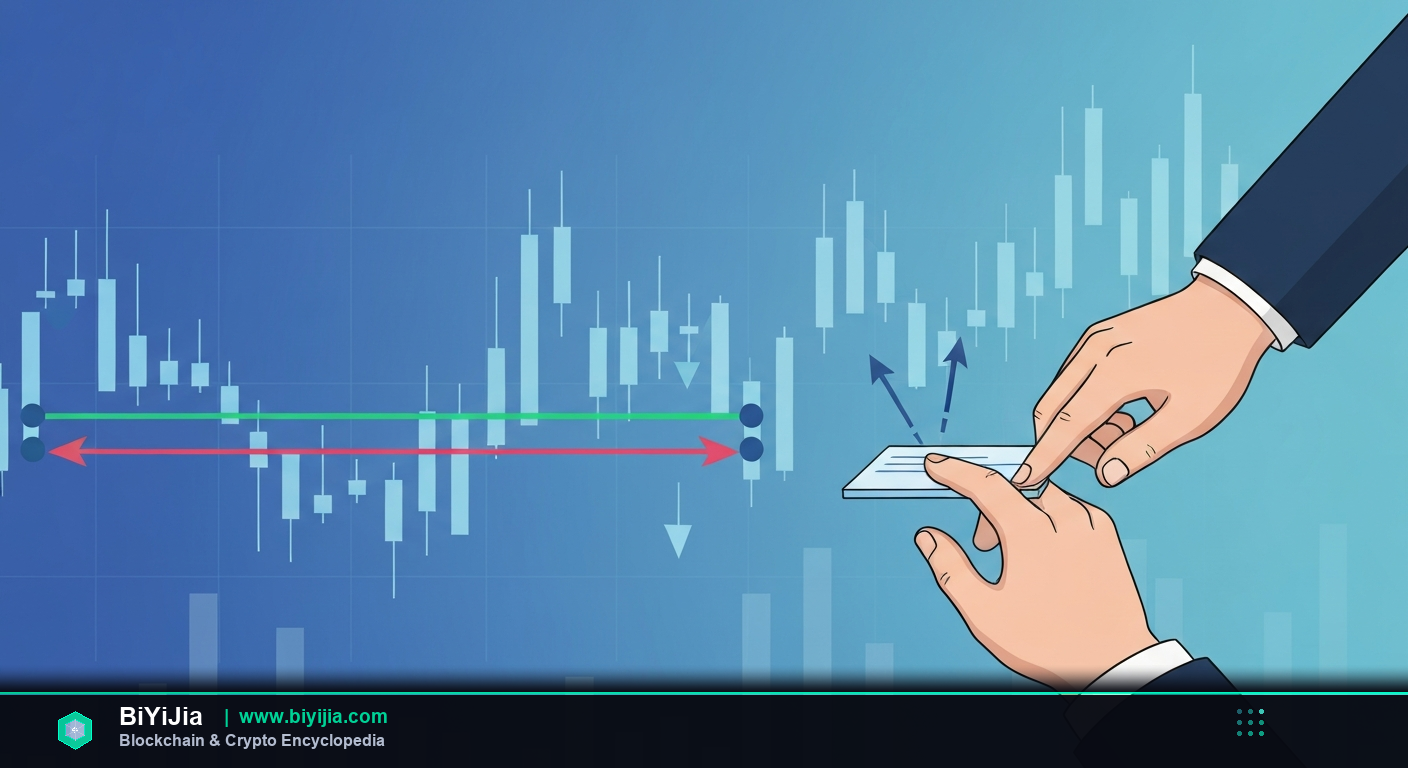
In plain English, maker and taker describe whether a trader’s order adds to or takes away from the market’s liquidity.
Technically, a maker places a limit order that sits on the order book until another participant matches it; a taker executes against an existing order, instantly removing that liquidity. The distinction matters because exchanges reward makers with lower fees to encourage a healthy order book.
Think of a farmer’s market: a vendor setting up a stall with fresh produce is a maker, while a shopper grabbing a ready‑made basket is a taker. The market thrives when vendors (makers) keep the stalls stocked.
How It Works
- Trader decides whether to submit a limit order (potential maker) or a market order (definite taker).
- If the limit order does not match immediately, it stays on the order book, creating new liquidity.
- When another participant places a market order, the standing limit order is filled, and the original trader becomes a taker for that trade.
- The exchange records the action and applies the appropriate fee tier: lower for makers, higher for takers.
- At the end of the day, the exchange aggregates maker‑taker volume to adjust future fee discounts.
Core Features
- Liquidity Provision: Makers post orders that sit idle, deepening the order book and reducing price impact.
- Fee Differentiation: Maker taker fees vary, often 0.02% for makers vs 0.04% for takers on major platforms.
- Order Types: Limit orders are typically makers; market orders are usually takers.
- Tiered Incentives: High‑volume makers can qualify for fee rebates, sometimes earning a negative fee (i.e., a rebate).
- Impact on Spreads: More maker activity tightens bid‑ask spreads, benefiting all participants.
- Transparency: Exchanges publish maker vs taker volumes daily, letting traders track their cost efficiency.
Real-World Applications
- Binance – The world’s largest spot exchange applies a maker taker fee schedule that drops to 0.01% for makers at VIP level 10.
- Coinbase Pro – Uses a maker vs taker model where makers pay 0.0% on pairs with high liquidity, encouraging limit order placement.
- dYdX – A decentralized derivatives protocol that rewards makers with rebate tokens, reducing effective fees for liquidity providers.
- Uniswap v3 – Although an automated market maker (AMM), it mimics maker incentives via concentrated liquidity positions, blurring the traditional maker‑taker line.
- Kraken – Offers lower taker fees for high‑frequency traders, but still grants a 0.16% discount to makers on most pairs.
Comparison with Related Concepts
- Maker vs Taker: Makers add liquidity, pay lower fees, and often enjoy rebates; takers remove liquidity, incur higher fees, and face greater slippage.
- Trading Fee vs Maker Taker Fees: General trading fees are a flat cost per transaction, while maker taker fees differentiate based on order role.
- Liquidity vs Order Book: Liquidity is the depth of buy/sell interest; the order book is the visual representation where makers post orders.
- Fee Tiers vs Flat Fees: Fee tiers adjust rates according to cumulative maker‑taker volume, whereas flat fees stay constant regardless of activity.
Risks & Considerations
- Slippage Risk: Takers can suffer higher slippage during rapid price moves, eroding the benefit of lower maker fees.
- Rebate Complexity: Some platforms issue rebates in native tokens, exposing makers to price volatility of that token.
- Liquidity Drought: In thin markets, even maker orders may not fill, leaving capital idle.
- Fee Surprise: Misclassifying an order can lead to unexpected taker fees, especially on platforms with dynamic fee structures.
- Regulatory Scrutiny: Certain jurisdictions treat maker rebates as a form of market making that may require licensing.
Embedded Key Data
According to Binance’s 2025 Q4 report, maker orders accounted for 62% of total spot volume, driving the exchange’s average spread to 0.02% across major pairs (Binance, 2025).
A 2024 study by CoinDesk found that traders who consistently acted as makers saved an average of 0.015% per trade compared to pure takers, translating to roughly $1.2 million in fee reductions for high‑frequency users (CoinDesk, 2024).
Frequently Asked Questions
What is maker and taker in crypto trading?
Maker and taker describe whether your order adds to the market’s order book (maker) or removes existing liquidity (taker). Makers usually enjoy lower fees because they help keep the market liquid.
How are maker taker fees calculated?
Exchanges set separate fee percentages for makers and takers, often based on a tiered schedule. Your cumulative monthly volume determines which tier you fall into, and makers typically pay half or less of the taker rate.
Can I become a maker on a decentralized exchange?
Yes. Protocols like dYdX and Uniswap v3 let you provide liquidity that functions as maker activity. In the AMM world, you earn fees proportional to the share of the pool you contribute.
Why do some platforms offer maker rebates?
Rebates incentivize traders to post limit orders, deepening the order book and narrowing spreads. The rebate can be a direct fee credit or a token payout, effectively paying you to provide liquidity.
Is maker vs taker relevant for futures trading?
Absolutely. Futures contracts on platforms such as Binance Futures and Kraken Futures also distinguish between maker and taker orders, applying separate fee rates that can affect your P&L, especially for high‑frequency strategies.
Do maker and taker roles affect slippage?
Since makers place orders that sit on the book, they usually experience little slippage. Takers, however, execute immediately against existing orders, so large market orders can move the price and increase slippage.
Summary
Maker & Taker refer to the two sides of liquidity provision on an exchange: makers add depth and earn lower fees, while takers consume depth and pay higher fees. Understanding this split is essential for cost‑efficient trading and for navigating concepts like Trading Fee, Liquidity, Order Book, and Fee Tiers.