Key Takeaways
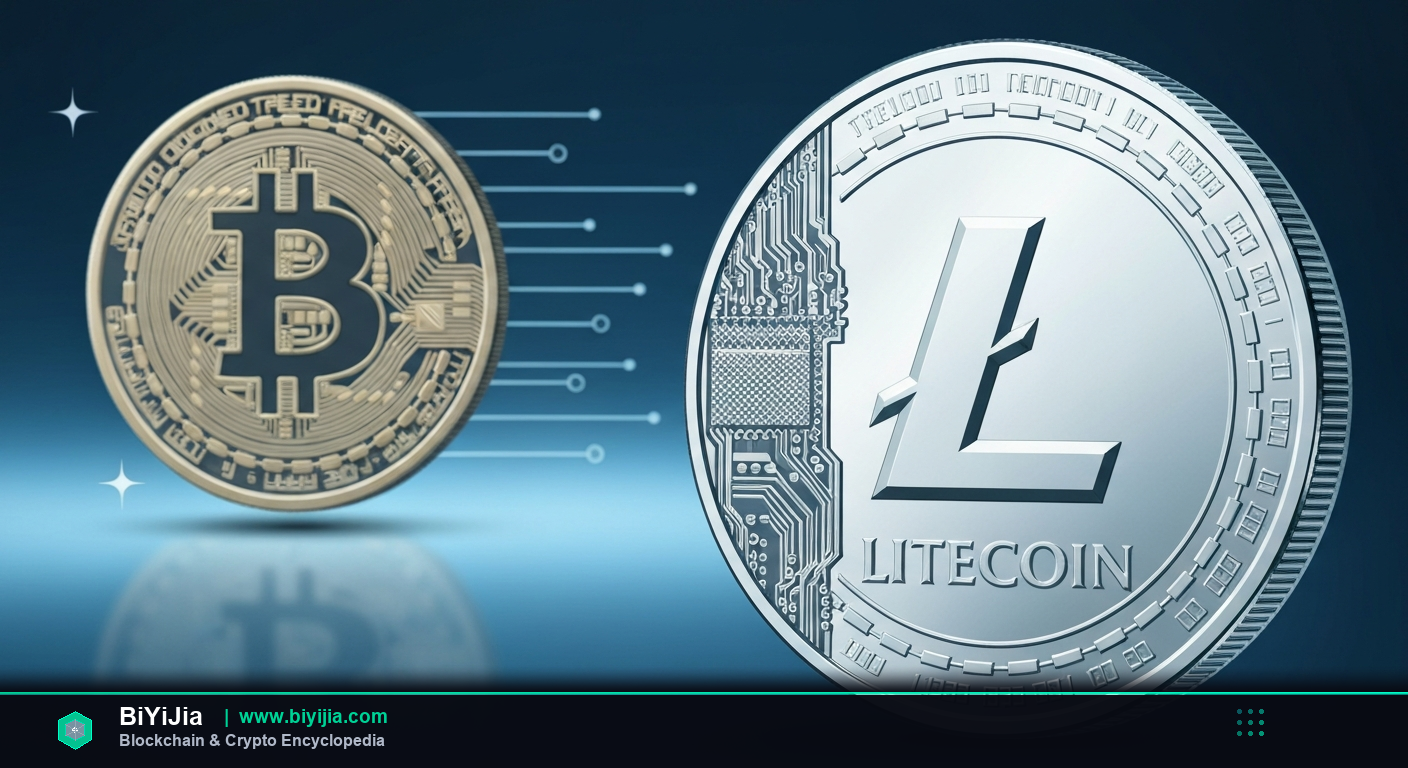
- Litecoin (LTC) is a decentralized, open‑source cryptocurrency created as a lighter, faster alternative to Bitcoin.
- It uses the Scrypt mining algorithm, enabling quicker block times and lower transaction fees.
- Retailers, payment processors, and charitable platforms accept LTC for everyday purchases.
- Think of LTC as the digital silver that complements Bitcoin's digital gold in the broader crypto ecosystem.
- Volatility, mining centralization, and regulatory uncertainty are key risks to watch.
What Is Litecoin (LTC)?
Litecoin (LTC) is a peer‑to‑peer cryptocurrency that enables fast, cheap transactions on a global, permissionless network.
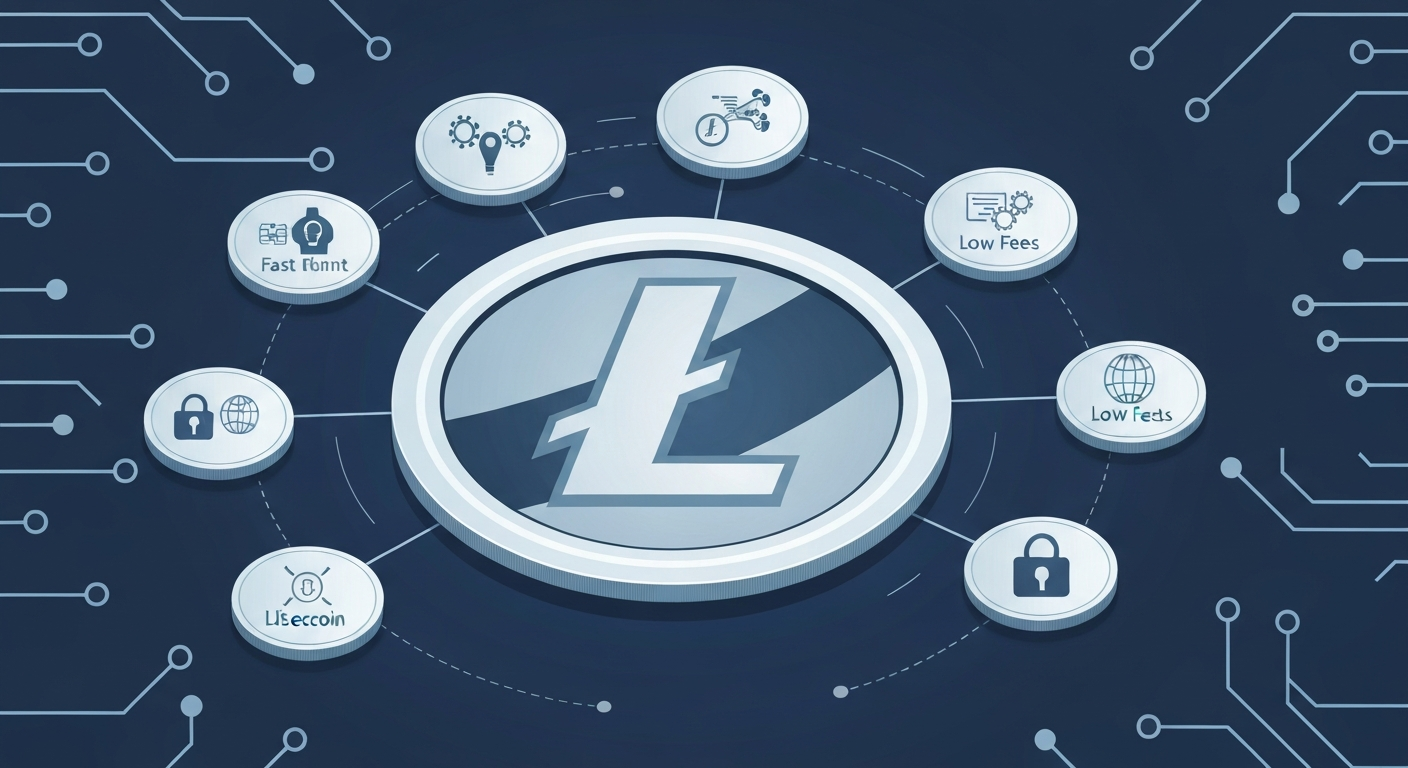
Technically, Litecoin forked from Bitcoin in 2011, swapping Bitcoin’s SHA‑256 proof‑of‑work for the memory‑hard Scrypt algorithm, which originally aimed to democratize mining by favoring consumer‑grade hardware. The block time was halved to 2.5 minutes, and the total supply capped at 84 million LTC, exactly four times Bitcoin’s limit. In layperson’s terms, Litecoin keeps the same basic Bitcoin blueprint but trims the waiting room and reduces the cost of sending money across borders.
Imagine you’re at a coffee shop with two lines: one is a slow, meticulous line where each customer must fill out a long form (Bitcoin), while the other is a streamlined line with a quick QR scan (Litecoin). Both get you coffee, but the second gets you sipping sooner and with less paperwork.
How It Works
- Transaction Creation: A user initiates a payment by signing a transaction with their private key, broadcasting it to the Litecoin network.
- Propagation: Nodes relay the transaction across the peer‑to‑peer network, where miners gather pending transactions into a candidate block.
- Proof‑of‑Work: Miners solve a Scrypt puzzle; the first to find a valid hash adds the block to the blockchain, earning newly minted LTC and transaction fees.
- Confirmation: Once the block is accepted, the transaction is considered confirmed; subsequent blocks deepen its security.
- Finality: After six confirmations (≈25 minutes), the payment is effectively irreversible, mirroring the confidence level many merchants require.
Core Features
- Scrypt Consensus: A memory‑hard algorithm that originally broadened mining participation beyond ASIC‑dominated SHA‑256 rigs.
- 2.5‑Minute Block Time: Faster block generation reduces transaction confirmation latency compared to Bitcoin’s 10‑minute cadence.
- Lower Fees: Typical LTC fees hover around $0.001‑$0.005, making micro‑transactions viable.
- Higher Supply: 84 million LTC caps supply, offering more unit granularity for everyday use.
- SegWit & Lightning Compatibility: Supports Segregated Witness and Lightning Network, enabling near‑instant, off‑chain payments.
- Privacy Enhancements: Optional MimbleWimble extension (Litecoin MWEB) adds confidential transaction capabilities without sacrificing auditability.
Real‑World Applications
- Coinbase Commerce: Allows merchants to accept LTC payments; over $150 million in LTC volume processed in 2025 (Coinbase Report).
- Litecoin Foundation Grants: Funds open‑source projects; awarded $12 million in 2024 to improve wallet security.
- Travel.io: Enables booking flights and hotels with LTC; reports a 3.2% increase in conversion rates when offering crypto.
- Charity: The Water Project: Accepts LTC donations; recorded $2.4 million in LTC contributions between 2023‑2025.
- Gaming Platform Ultra: Uses LTC for in‑game purchases; average transaction size $0.08, reflecting LTC’s micro‑payment friendliness.
Comparison with Related Concepts
Litecoin vs Bitcoin Fork: While both share a similar codebase, Litecoin’s Scrypt algorithm and 2.5‑minute blocks make it faster and cheaper, whereas Bitcoin forks often retain SHA‑256 and longer confirmation times.
Litecoin vs MimbleWimble: MimbleWimble is a privacy protocol that obscures transaction amounts and addresses. Litecoin integrates an optional MimbleWimble extension (MWEB) without overhauling its core, offering selective privacy alongside transparency.
Litecoin vs Fast Payments: Traditional fast‑payment rails (e.g., ACH, SEPA) settle within hours to days and rely on intermediaries. Litecoin settles in minutes on a trustless network, eliminating middlemen and reducing fees dramatically.
Risks & Considerations
- Price Volatility: LTC’s market price can swing 20%+ in a single day, affecting purchasing power and accounting.
- Mining Centralization: Despite Scrypt’s early egalitarian intent, ASIC manufacturers now dominate LTC mining, raising concerns about network decentralization.
- Regulatory Uncertainty: Governments may target privacy‑enhancing features like MWEB, potentially leading to exchange delistings.
- Technology Obsolescence: Competing layer‑2 solutions (e.g., Optimistic Rollups) could eclipse Litecoin’s speed advantage.
- Network Congestion: During market spikes, transaction fees can rise above typical levels, temporarily eroding LTC’s low‑fee advantage.
According to CoinMetrics, Litecoin’s average daily transaction count hit 1.2 million in Q4 2025, up 18% year‑over‑year, reflecting growing utility (CoinMetrics, 2025). Meanwhile, Glassnode reports that LTC’s hash rate reached 5 EH/s in early 2026, indicating robust miner participation despite broader market turbulence (Glassnode, Jan 2026).
Frequently Asked Questions
What is the main difference between Litecoin and Bitcoin?
Litecoin processes blocks every 2.5 minutes using the Scrypt algorithm, which yields faster confirmations and lower fees compared to Bitcoin’s 10‑minute blocks and SHA‑256 mining.
Can I use Litecoin for everyday purchases?
Yes. Many merchants, especially in e‑commerce and gaming, accept LTC thanks to its low transaction costs and quick settlement times, making it suitable for daily spending.
Is Litecoin a good long‑term investment?
It depends on your risk tolerance. LTC offers diversification within the crypto space and benefits from a strong developer community, but its price remains highly volatile and subject to regulatory shifts.
How does Litecoin’s MimbleWimble extension work?
The optional MWEB layer hides transaction amounts and participants while still allowing auditors to verify totals, offering privacy without sacrificing the ability to audit the blockchain as a whole.
Do I need special hardware to mine Litecoin?
Modern mining largely relies on Scrypt‑optimized ASICs. While early miners could use GPUs or CPUs, today competitive mining requires dedicated ASIC equipment.
What wallets support Litecoin?
Most major wallets—such as Ledger, Trezor, Exodus, and mobile apps like Trust Wallet—support LTC, and many also enable the MWEB privacy feature.
Summary
Litecoin (LTC) is a fast, low‑cost cryptocurrency that serves as a practical complement to Bitcoin, especially for everyday transactions and micro‑payments. As the ecosystem evolves, keeping an eye on privacy upgrades, miner distribution, and regulatory developments will help you gauge Litecoin’s role alongside related concepts like [internal link: Bitcoin Fork] and [internal link: MimbleWimble].