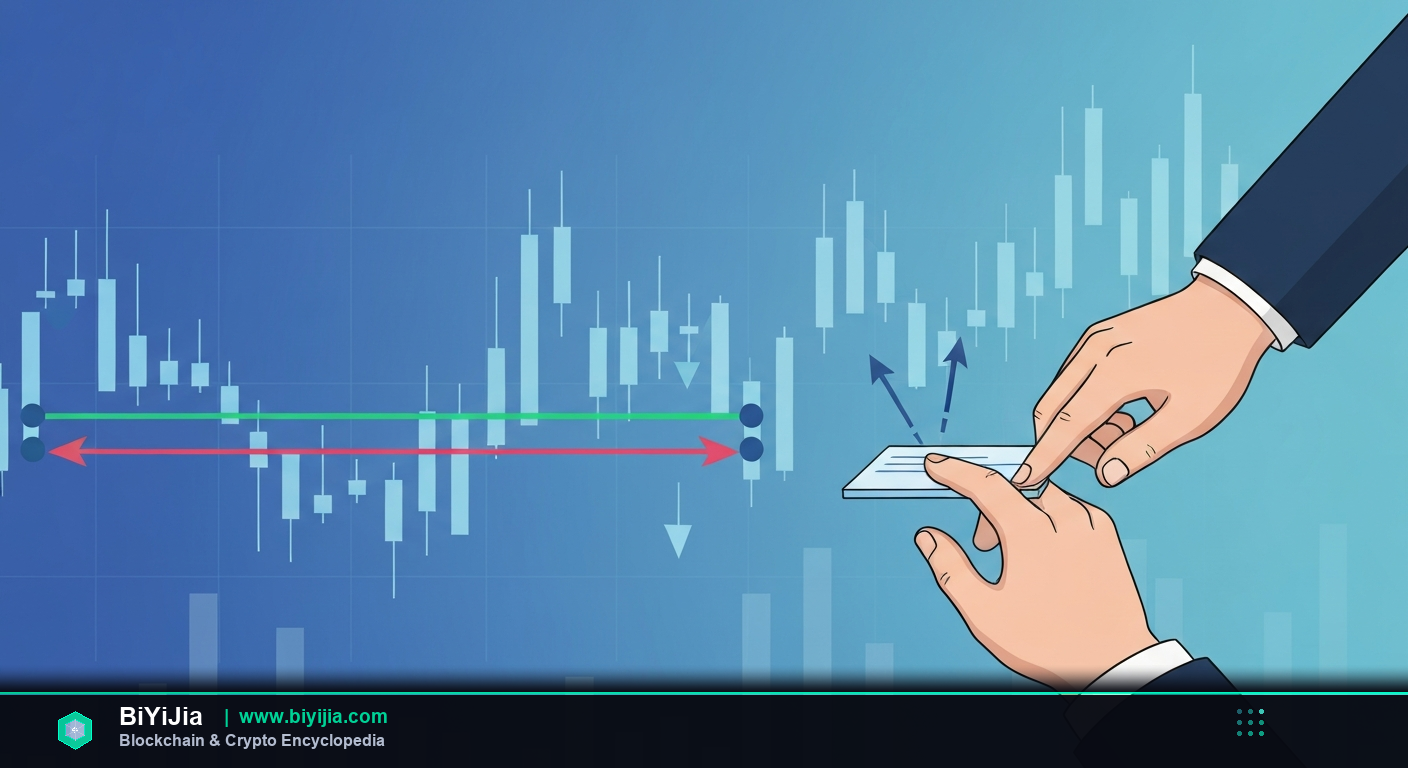

Long & Short is the pair of opposite trading tactics where investors buy assets hoping they rise (going long) or sell assets they don’t own hoping they fall (shorting).
Key Takeaways
- Definition: Going long means buying, shorting means selling borrowed assets.
- Core features: Leverage amplifies gains and losses; futures contracts lock in future prices.
- Real‑world application: Traders use long & short to hedge positions in Bull Market and Bear Market cycles.
- Traditional comparison: Unlike stock‑only portfolios, crypto long & short can be executed 24/7 on decentralized exchanges.
- Risk warning: Shorting can generate unlimited loss if the price keeps climbing.
What Is Long & Short?
In plain language, long & short are two sides of the same coin: you profit from price rises by buying (going long) and from price drops by selling borrowed tokens (shorting).
Technically, a long position is simply ownership of an asset; a short position is a contract that obligates you to deliver the asset later, which you acquire by borrowing it first. In Decentralized Finance (DeFi), smart contracts automate the borrowing, collateral, and settlement steps, making shorting as easy as clicking a button on a margin platform.
Think of it like a weather forecast: if you expect sunshine, you wear sunglasses (go long on sunshine). If you expect rain, you bring an umbrella (short on sunshine). The profit comes from being right about the weather, not from owning the sun itself.
How It Works
- Choose a market: spot, futures, or perpetual swap where you can either buy or sell.
- If you go long, lock in the current price by purchasing the asset and hold it in your wallet.
- If you short, deposit collateral (often stablecoins), borrow the target token, and sell it at the market price.
- When you decide to close, buy back the token (for longs) or repurchase it at a lower price (for shorts) and settle the loan.
- Any profit or loss is realized after fees, funding rates, and interest on borrowed capital are accounted for.
Core Features
- Leverage: Allows traders to amplify exposure, often up to 10x or more, using a fraction of the capital.
- Futures contracts: Standardized agreements that lock in a price for future delivery, enabling both long and short exposure.
- Perpetual swaps: Futures without an expiry date, popular in crypto for continuous long or short positioning.
- Collateral requirements: Short positions require over‑collateralization to protect lenders against price spikes.
- Funding rates: Periodic payments exchanged between longs and shorts to keep perpetual prices tethered to spot.
- Margin calls: Automatic liquidation triggers when collateral falls below maintenance thresholds.
Real-World Applications
- Binance Futures – offers up to 125x leverage on major crypto pairs; daily volume exceeded $12 billion in Q4 2025 (CME Group).
- dYdX – a DeFi perpetual platform where traders short ETH with up to 20x leverage using only on‑chain collateral.
- FTX (pre‑collapse) – pioneered tokenized futures that let users go long on Bitcoin and short on altcoins simultaneously.
- Uniswap V3 – enables liquidity providers to adopt a short‑biased range, effectively earning from price declines.
- Kraken – offers margin accounts where professional traders short Bitcoin during Bear Market corrections.
Comparison with Related Concepts
Long vs Short: Long bets on price appreciation, short bets on depreciation. Both can be executed via futures, but shorting requires borrowing.
Futures vs Spot: Futures lock in a price for a future date and support shorting; spot is immediate ownership, only long.
Leverage vs No‑Leverage: Leverage magnifies outcomes; no‑leverage means you only risk the capital you put in.
Bull Market vs Bear Market: In a Bull Market, longs typically thrive; in a Bear Market, shorts can generate outsized returns.
Risks & Considerations
- Unlimited loss potential: Shorting a rapidly rising asset can wipe out your collateral and more.
- Liquidation risk: Margin calls trigger automatic sell‑offs if the market moves against you.
- Funding rate volatility: In perpetual swaps, adverse funding can erode profits over time.
- Borrowing costs: High interest on borrowed tokens reduces net gains on short positions.
- Regulatory uncertainty: Some jurisdictions restrict short selling of crypto derivatives.
Embedded Key Data
According to a 2024 Binance Research survey, 68% of active traders employ leverage when shorting assets, highlighting the popularity of amplified bearish bets.
Crypto futures volume on major exchanges grew 45% quarter‑over‑quarter in Q4 2025, reaching $12.3 billion, underscoring the rising demand for both long and short exposure (CME Group).
Frequently Asked Questions
What is going long in crypto?
Going long means you purchase a cryptocurrency with the expectation that its price will rise. You hold the asset and profit when you sell it later at a higher price.
What is shorting and how does it work?
Shorting involves borrowing a crypto token, selling it at the current market price, and later buying it back at a lower price to return the loan. The price difference is your profit.
Can I short Bitcoin on a decentralized exchange?
Yes. Platforms like dYdX and Perpetual Protocol let you open short positions on Bitcoin using only on‑chain collateral, without a traditional broker.
How does leverage affect long and short trades?
Leverage lets you control a larger position than your capital would normally allow. It magnifies both gains and losses, so a 5x leveraged long can earn five times more, but a 5x leveraged short can also lose five times more if the price moves up.
Is shorting riskier than going long?
Shorting carries theoretically unlimited loss because an asset’s price can keep climbing, whereas a long position can only lose the amount you invested.
Do futures contracts require me to own the underlying asset?
No. Futures are agreements to buy or sell at a future date, so you can take a short position without ever owning the underlying token.
Summary
Long & Short are the two fundamental strategies for profiting from crypto price movements, each leveraged by futures, margin, and DeFi protocols. Understanding when to go long, when to short, and the associated risks is essential for navigating Bull Market rallies and Bear Market downturns.