
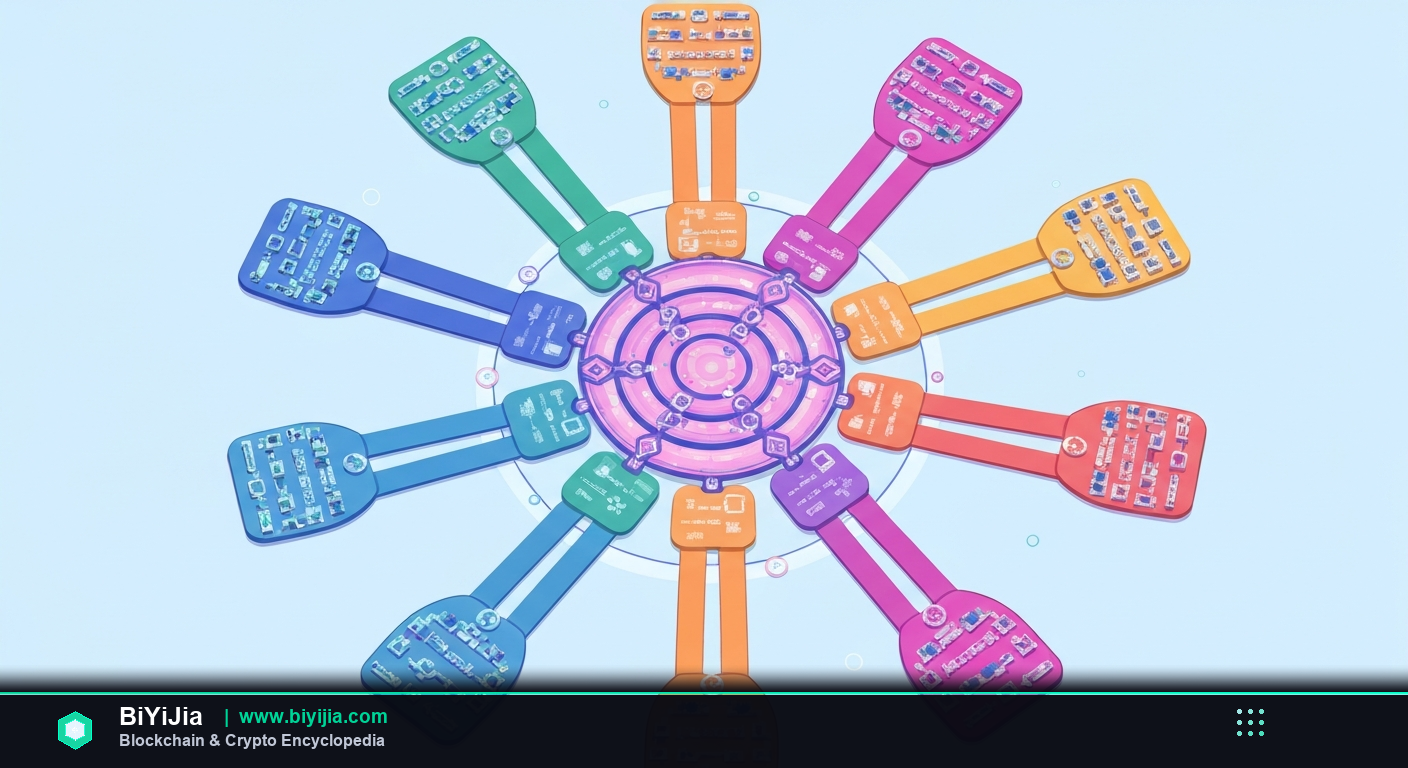
Polkadot was originally envisioned as a backbone for Decentralized Finance (DeFi) and beyond, offering a way for separate ledgers to talk to each other without a central hub.
Key Takeaways
- Definition: Polkadot (DOT) is a heterogeneous multi‑chain protocol that links diverse blockchains via a shared security model.
- Core features: Relay chain, parachains, cross‑chain messaging, and on‑chain governance.
- Real‑world use: Enables scalable DeFi platforms, NFT marketplaces, and data‑oriented services.
- Compared to traditional chains: Unlike monolithic chains, Polkadot offers parallel processing and shared security, reducing congestion.
- Risk warning: Early-stage parachain slot auctions and governance centralization pose investment risks.
What Is Polkadot (DOT)?
In plain language, Polkadot (DOT) is a network that lets different blockchains exchange information and assets securely.
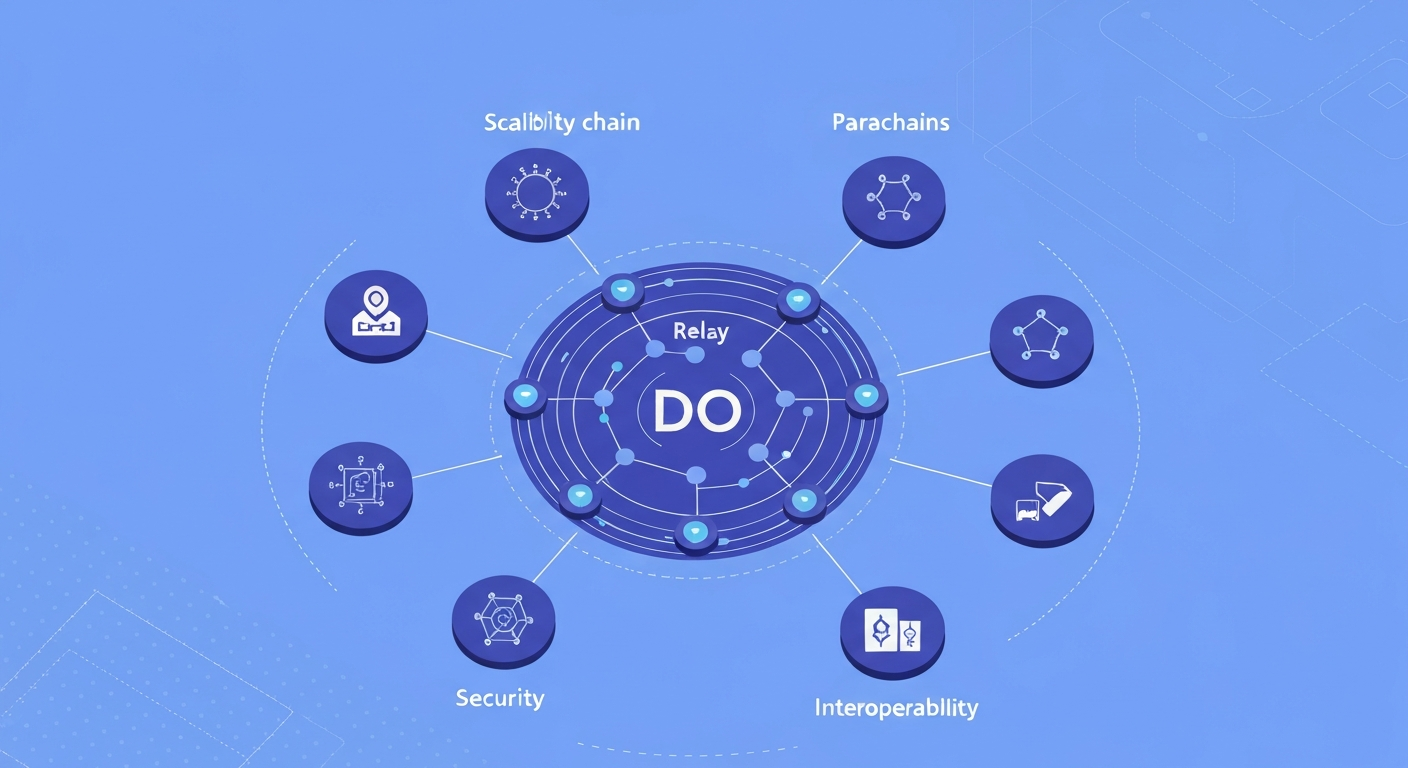
Technically, the protocol separates the consensus and networking duties onto a central Relay Chain while allowing specialized blockchains, called parachains, to handle execution. This division means each parachain can be optimized for its own use‑case without sacrificing the overall security provided by the relay chain.
Think of Polkadot as a subway system: the relay chain is the main line that guarantees safety and timing, while each parachain is a branch line that serves a particular neighborhood. Passengers (transactions) can hop between lines without buying a new ticket, because the central authority validates them all.
How It Works
- Developers build a custom blockchain using the Substrate framework, which comes pre‑wired to speak Polkadot's language.
- The new chain bids for a parachain slot in an auction; winning slots lease the right to connect to the relay chain for up to 96 weeks.
- Once attached, the parachain submits candidate blocks to the relay chain, where validators verify them against shared consensus rules.
- Validated blocks are then finalized on the relay chain, granting the parachain the same security guarantees as the whole network.
- Cross‑chain messages travel through the relay chain’s Cross‑Chain Message Passing (XCMP) protocol, enabling assets and data to move instantly between parachains.
Core Features
- Relay Chain: The heart of Polkadot that provides consensus, finality, and security for the entire ecosystem.
- Parachain: Independent blockchains that plug into the relay chain, each optimized for specific workloads such as smart contracts, privacy, or data feeds.
- Cross‑Chain Message Passing (XCMP): A trust‑free protocol that routes messages between parachains without intermediaries.
- On‑Chain Governance: Token holders vote on protocol upgrades, treasury spending, and slot auctions, allowing the network to evolve without hard forks.
- Shared Security: All parachains inherit the economic security of the relay chain’s validator set, reducing the need for each chain to amass its own validator base.
- Scalability: Parallel processing across multiple parachains boosts throughput far beyond what a single chain can achieve.
Real-World Applications
- Acala Network: A DeFi hub offering a stablecoin (aUSD) and a suite of lending services; currently hosts over $1.2 billion in total value locked (TVL) as of Q1 2026 (source: DeFi Pulse).
- Moonbeam: An Ethereum‑compatible smart‑contract platform that lets developers deploy Solidity code on Polkadot; processes more than 10 million transactions per month (source: Moonbeam Analytics).
- Kusama: Polkadot’s canary network where experimental parachains launch; hosts over 300 parachains and serves as a testbed for innovations.
- Parallel Finance: A cross‑chain liquidity protocol that aggregates assets from multiple parachains, managing over $500 million in pooled liquidity (source: Parallel Finance Report 2026).
- Substrate Builders Program: Supports startups building custom blockchains; over 150 projects have received grants totaling $45 million.
Comparison with Related Concepts
Polkadot vs Ethereum: Polkadot offers parallel execution via parachains, while Ethereum processes transactions sequentially on a single chain, leading to higher congestion on Ethereum.
Polkadot vs Cosmos: Both aim for interoperability, but Polkadot uses a single shared security model, whereas Cosmos relies on independent validator sets for each zone.
Polkadot vs Bitcoin: Bitcoin is a single, purpose‑built ledger for peer‑to‑peer cash, whereas Polkadot is a flexible network designed to host a variety of specialized chains.
Risks & Considerations
- Slot Auction Volatility: Winning a parachain slot requires a substantial DOT lock‑up, and market fluctuations can make the cost unpredictable.
- Governance Centralization: Large DOT holders wield significant voting power, potentially steering upgrades in favor of niche interests.
- Technical Complexity: Building on Substrate demands deep Rust expertise; mistakes can lead to security vulnerabilities.
- Network Congestion on Relay Chain: While parachains scale horizontally, the relay chain itself can become a bottleneck during peak demand.
- Regulatory Uncertainty: Cross‑chain asset movement may attract scrutiny from regulators concerned about AML/KYC compliance.
Embedded Key Data
As of August 2026, the Polkadot relay chain processes roughly 1,200 transactions per second, a threefold increase from its 2023 baseline (source: Polkadot Telemetry). The total market capitalization of DOT stands at $12.4 billion, placing it among the top ten crypto assets by value (source: CoinMarketCap, Sep 2026).
Frequently Asked Questions
What is Polkadot and how does it differ from other blockchains?
Polkadot is a multi‑chain protocol that connects independent blockchains (parachains) to a shared security layer called the relay chain. Unlike monolithic blockchains, Polkadot enables parallel processing and cross‑chain communication without sacrificing security.
How do parachain slots work and can anyone obtain one?
Parachain slots are limited spaces on the relay chain auctioned periodically. Projects bid DOT tokens to lease a slot for up to 96 weeks. While any project can participate, winning requires a sizable DOT commitment and a compelling use case.
Is DOT a good long‑term investment?
Investors should weigh DOT's role in securing a growing ecosystem against risks like slot‑auction volatility and governance concentration. Historically, DOT has shown strong correlation with overall multi‑chain adoption trends.
Can existing Ethereum dApps migrate to Polkadot?
Yes, through Moonbeam or Astar, which provide Ethereum‑compatible environments on Polkadot. Developers can port Solidity contracts with minimal changes, gaining access to Polkadot’s scalability and shared security.
What is the difference between Polkadot and its canary network, Kusama?
Kusama mirrors Polkadot’s architecture but operates with looser governance and faster upgrade cycles, making it ideal for testing new parachains before they launch on Polkadot.
How does Polkadot ensure security across all parachains?
All parachains inherit the validator set of the relay chain. Validators stake DOT and validate both relay‑chain blocks and parachain candidate blocks, providing a unified security guarantee.
Summary
Polkadot (DOT) is a groundbreaking multi‑chain ecosystem that unifies disparate blockchains under a common security umbrella, unlocking new levels of scalability and interoperability. Understanding its core components—relay chain, parachains, and XCMP—helps you see why Polkadot is central to the next wave of decentralized finance and beyond. Explore related concepts like [internal link: Cross-Chain], [internal link: Parachain], and [internal link: Substrate] to deepen your knowledge.