RWA (Real World Assets) is a term that’s popping up everywhere from DeFi forums to institutional reports.
Key Takeaways
- One-sentence definition: Tokenized versions of physical or traditional financial assets on a blockchain.
- Core features: Legal wrappers, on-chain custody, and programmable economics.
- Real-world application: Fractional ownership of real estate, treasury bonds, and commodities.
- Comparison to traditional finance: Offers liquidity and programmability missing from classic markets.
- Risk warning: Regulatory uncertainty and oracle reliability can bite.
What Is RWA (Real World Assets)?
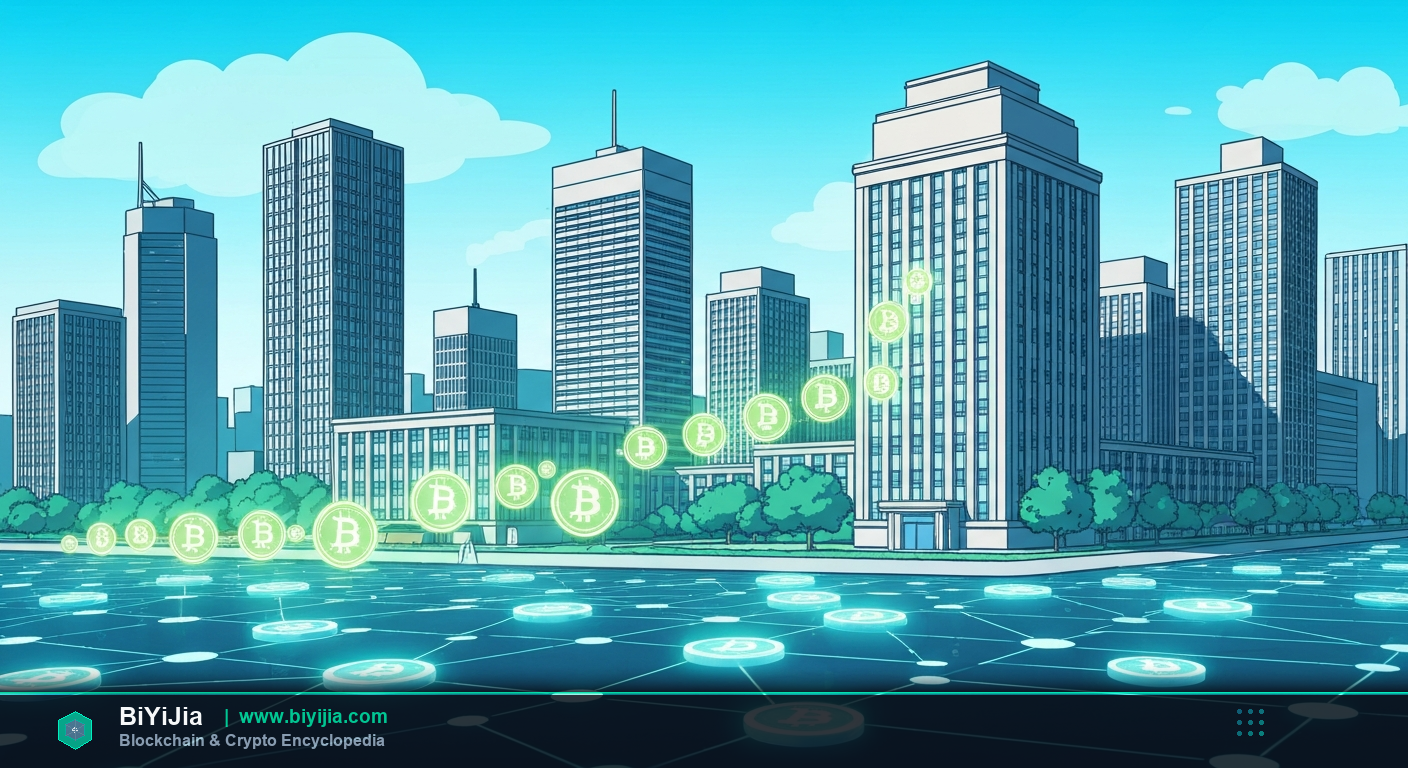
RWA (Real World Assets) are blockchain tokens that represent ownership or a claim on a tangible asset outside the crypto world.
Technically, an RWA token is minted after a legal entity verifies the underlying asset, locks it in a custodial structure, and issues a smart contract that tracks ownership, dividends, and transfers. The smart contract acts like a digital ledger, while the legal wrapper ensures the token can be enforced in court.
Think of it like a concert ticket that not only gets you into the show but also lets you sell, trade, or lease your seat on a secondary market—except the “seat” is a slice of a skyscraper, a piece of gold, or a chunk of sovereign debt.
How It Works
- Asset Identification – A real-world asset (e.g., a commercial property) is selected and appraised by a qualified third party.
- Legal Structuring – The asset is placed into a Special Purpose Vehicle (SPV) or trust that isolates it from the owner’s other liabilities.
- Token Minting – The SPV issues ERC‑20 or similar tokens that represent fractional shares of the underlying asset.
- On‑Chain Governance – Smart contracts enforce transfer rules, dividend payouts, and compliance checks.
- Market Interaction – Tokens can be listed on compliant exchanges, used as collateral in DeFi, or held in digital wallets.
Core Features
Legal Wrapper: A jurisdiction‑specific entity that guarantees the token’s claim on the physical asset.
On‑Chain Custody: Smart contracts hold the token’s ownership data, reducing paperwork and settlement time.
Programmable Rights: Tokens can embed revenue sharing, voting, or redemption clauses directly in code.
Fractionalization: Investors can buy tiny slices, lowering the entry barrier to high‑value assets.
Compliance Engine: Built‑in KYC/AML checks ensure only eligible participants can trade.
Liquidity Pools: DeFi protocols can provide instant liquidity for RWA tokens via AMMs or lending markets.
Real-World Applications
- RealT: Tokenizes US rental properties; over $300 million in assets under management as of Q1 2026.
- Maple Finance: Offers tokenized senior secured loans; its RWA vault generated a 12% annualized yield in 2025.
- Centrifuge: Bridges invoices and trade receivables to the blockchain; processed $1.8 billion of invoices in 2024.
- GoldFin: Issues gold‑backed tokens with daily audits; each token represents 1 gram of LBMA‑certified gold.
- Bondly: Provides tokenized sovereign treasury bonds from emerging markets, enabling 24‑hour trading.
Comparison with Related Concepts
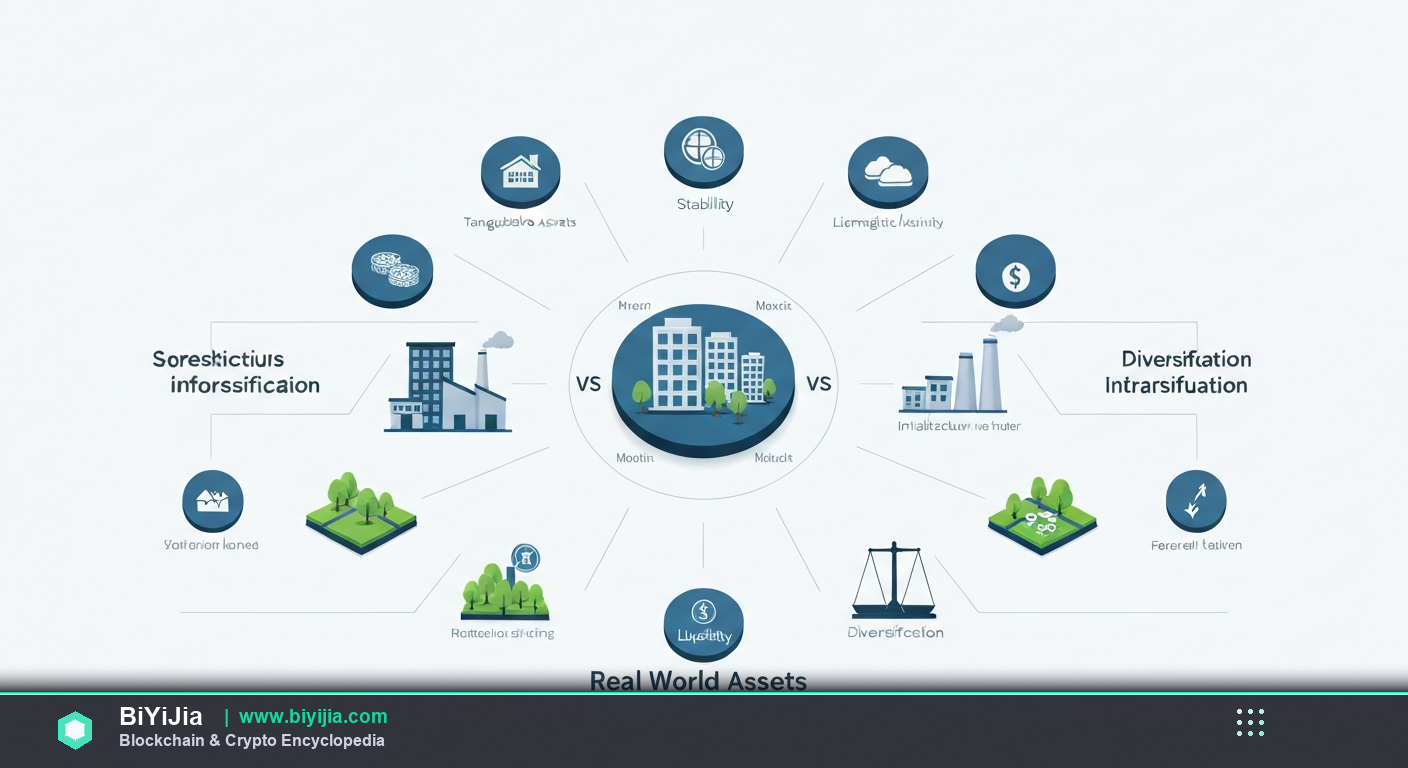
RWA vs Tokenization: Tokenization is the broader process of converting any asset into a digital token, while RWA specifically refers to tokenizing assets that already exist in the physical or traditional financial world.
RWA vs Real Estate: Real estate tokenization is a subset of RWA focused solely on property; RWA also covers commodities, bonds, and even intellectual property.
RWA vs Treasury Bonds: Treasury bonds can be tokenized as RWAs, but the term RWA includes a wider variety of bond types, such as corporate or municipal debt.
RWA vs Compliance: Compliance is a requirement for RWA issuance; without proper legal and regulatory frameworks, an RWA token cannot be considered valid.
Risks & Considerations
Regulatory Uncertainty: Jurisdictions differ on how to treat tokenized assets, potentially leading to legal challenges.
Oracle Failure: Incorrect price feeds can cause mispricing or liquidation of RWA tokens.
Custodial Risk: If the underlying asset’s custodian defaults, token holders may lose value.
Liquidity Constraints: Not all RWA markets have deep order books; price discovery can be slow.
Smart Contract Bugs: Code errors could freeze token transfers or misallocate dividends.
Embedded Key Data
According to a 2025 CB Insights report, tokenized real estate volume reached $12.4 billion, a 78% year‑over‑year increase.
A 2024 World Bank survey showed that 42% of institutional investors are actively exploring RWA crypto solutions for portfolio diversification.
Frequently Asked Questions
What is the difference between an RWA token and a traditional security?
An RWA token lives on a blockchain and can be transferred instantly, while a traditional security usually requires a broker‑dealer and settlement periods of days. Both represent ownership, but the token adds programmability and global accessibility.
Can I use RWA tokens as collateral in DeFi?
Yes, many platforms now accept tokenized real estate, bonds, or commodities as collateral. However, the collateral must pass the protocol’s risk parameters and often requires a reliable oracle.
How are legal rights enforced for RWA tokens?
The legal wrapper (SPV or trust) holds the actual asset, and the token contract references that entity. In case of dispute, courts can enforce the underlying legal claim, and the token simply records the ownership change.
Do I need to pass KYC to buy RWA tokens?
Most compliant RWA offerings require KYC/AML checks because the assets are regulated. The onboarding process is typically done off‑chain before the wallet address is whitelisted.
Are RWA tokens taxed like traditional assets?
Tax treatment varies by jurisdiction. In many countries, gains from selling an RWA token are taxed as capital gains, similar to stocks or bonds, but you should consult a tax professional.
Summary
RWA (Real World Assets) bridges the gap between physical assets and blockchain, offering liquidity, fractional ownership, and programmable rights. Understanding how tokenization, compliance, and custodial structures work is essential for anyone looking to navigate the growing RWA crypto ecosystem.
Exploring related concepts like Tokenization, Real Estate, Treasury Bonds, and Compliance will deepen your grasp of this transformative trend.