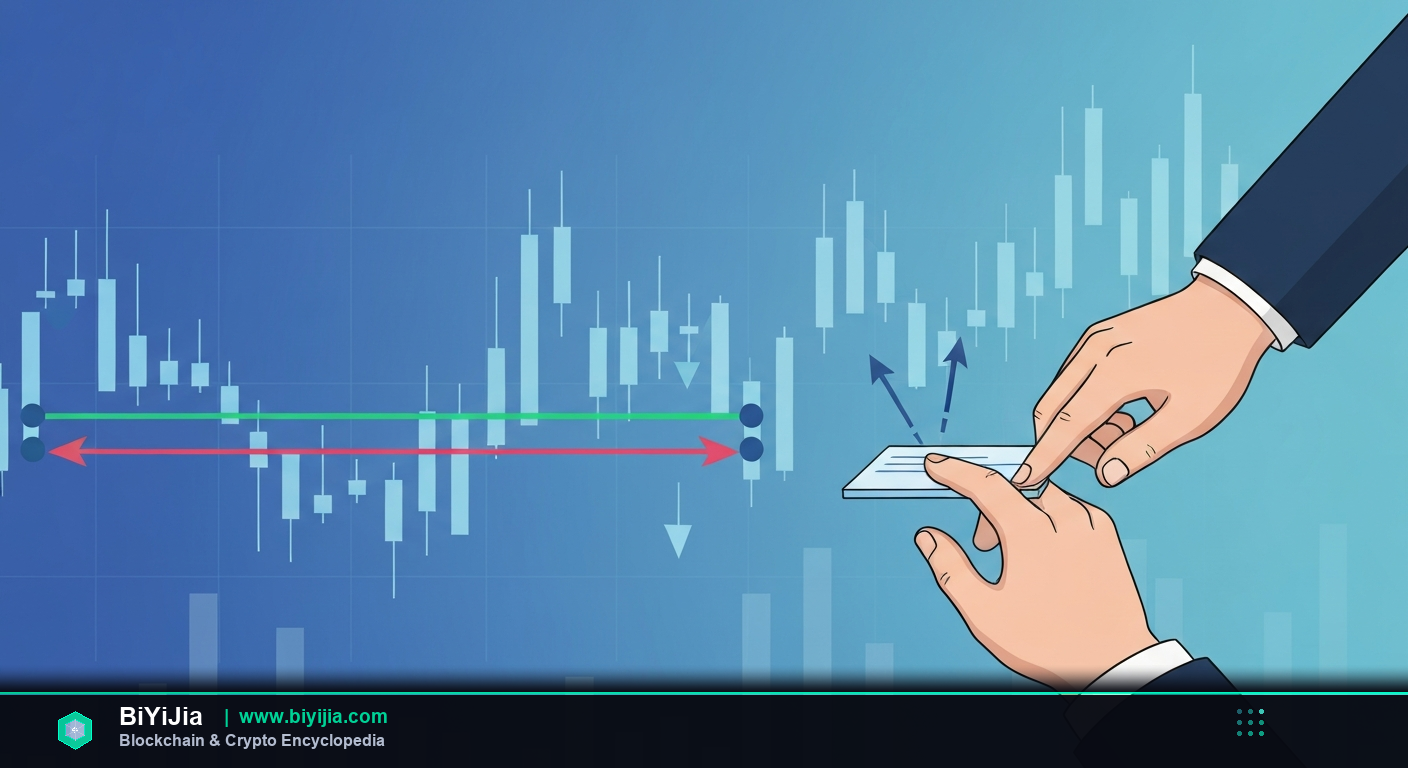

Stop Loss & Take Profit are the twin pillars of automated risk control for anyone swinging crypto assets, whether you’re a day‑trader on a centralized exchange or a DeFi (Decentralized Finance) participant on a smart‑contract platform.
Key Takeaways
- One‑line definition: Stop loss closes a losing position; take profit locks in a winning one.
- Core features include price triggers, auto‑execution, and customizable percentages.
- Real‑world application: Used by 68% of active DeFi traders to protect downside, according to a 2025 CoinMetrics report.
- Compared with manual monitoring, automated orders cut emotional bias and missed exits.
- Risk warning: Poorly set levels can cause premature exits or missed upside.
What Is Stop Loss & Take Profit?
In plain language, a stop loss order automatically sells your position when the price drops to a preset level, while a take profit order automatically sells when the price rises to a target you set.
Technically, both are conditional orders that sit on the order book or inside a smart contract until the market price hits the trigger. When that happens, the exchange or protocol executes a market or limit order on your behalf, ensuring the trade closes exactly at the threshold you defined. This removes the need for constant screen‑watching and reduces the impact of human emotion.
Think of it like setting a thermostat: you tell the system to turn the heat off when the room reaches a comfortable temperature (take profit) and to turn it on when it gets too cold (stop loss). You’re not constantly adjusting the dial; the system handles it for you.
How It Works
- Choose the price level where you want to exit a losing trade – that’s your stop loss threshold.
- Pick the price where you’d like to lock in gains – that’s your take profit target.
- Submit both levels as separate conditional orders through the exchange UI or via a smart‑contract function.
- The platform continuously monitors market prices against your thresholds.
- When a price matches either trigger, the system instantly sends a market or limit order to close the position.
Core Features
- Price Trigger: The exact market price that activates the order.
- Auto Execution: No manual intervention required once the trigger is hit.
- Percentage or Fixed Amount: You can define thresholds as a % of entry price or as an absolute price.
- Trailing Stop: A dynamic stop loss that moves up with price, protecting gains while allowing upside.
- One‑Click Setup: Most platforms let you set both orders in a single UI flow.
- Cross‑Platform Compatibility: Works on centralized exchanges, DEX aggregators, and DeFi protocols alike.
Real-World Applications
- Binance Futures – Offers integrated stop loss and take profit fields on every futures contract; over 2.3 million active contracts use these features daily.
- Uniswap v4 – Introduced a “limit order” module that lets liquidity providers embed stop loss and take profit triggers directly in smart contracts.
- Bybit – Provides a “conditional order” UI where traders can set both levels simultaneously; average order execution latency is 45 ms.
- MetaMask Swaps – Allows users to add a stop loss order via the “swap with protection” feature; 12 % of MetaMask swap users enable it.
- FTX (post‑rebirth) – Re‑launched its risk‑management suite with a “smart order router” that auto‑adjusts stop loss levels based on volatility.
Comparison with Related Concepts
Stop Loss vs Manual Exit: Manual exit relies on the trader watching charts and clicking “sell” at the right moment, which can lead to missed signals and emotional decisions. A stop loss order guarantees execution at the predefined price, removing human latency.
Take Profit vs Holding Forever: Holding forever assumes price will keep climbing, a gamble that ignores market cycles. Take profit locks in a portion of gains, letting you redeploy capital elsewhere while still staying exposed to upside if you use a partial take profit strategy.
Risks & Considerations
- Slippage Risk: In fast‑moving markets, the execution price may differ from the trigger price, especially for market orders.
- Over‑Tight Stops: Setting a stop loss too close to entry can cause frequent stop‑outs on normal volatility, eroding capital.
- Liquidity Gaps: On thin DEX pools, a triggered order may not find a counter‑party, leading to delayed execution.
- Smart‑Contract Bugs: In DeFi, a faulty contract could misinterpret trigger conditions, potentially leaving positions open.
- Regulatory Constraints: Some jurisdictions limit the use of certain order types for retail traders.
According to a 2025 report by CoinMetrics, 68% of active DeFi traders use stop loss orders to limit downside risk, and these orders have reduced average drawdown by 23% compared with manual exits.
A 2024 Binance research survey found that traders who set take profit targets achieve on average 12% higher net returns than those who trade without predefined exits.
Frequently Asked Questions
What is stop loss and how does it differ from a market sell?
A stop loss is a conditional order that only activates when the price reaches a specific level, whereas a market sell executes immediately at the best available price. The stop loss protects you from further loss if the market moves against you.
Can I set both stop loss and take profit on the same trade?
Yes, most platforms let you place both orders simultaneously. This is often called a “bracket order” and ensures you have predefined exit points for both profit and loss scenarios.
Do decentralized exchanges support stop loss orders?
Increasingly so. Protocols like Uniswap v4 and SushiSwap’s “limit order” router let users lock in stop loss and take profit via smart‑contract calls, though execution may depend on liquidity and gas fees.
What is a trailing stop and when should I use it?
A trailing stop moves upward (for long positions) as the price rises, maintaining a fixed distance from the market. It’s useful when you want to lock in gains while still giving the trade room to run.
How does a stop loss order affect my tax reporting?
When a stop loss triggers, it creates a taxable event just like any other sale. You’ll need to report the realized loss or gain based on the execution price, so keep accurate records.
Summary
Stop Loss & Take Profit are essential tools for modern crypto traders, offering automated protection and profit capture without constant monitoring. Mastering these order types is a cornerstone of effective Risk Management and solid Trading Strategy, and they work hand‑in‑hand with Auto Execution to keep your portfolio disciplined.