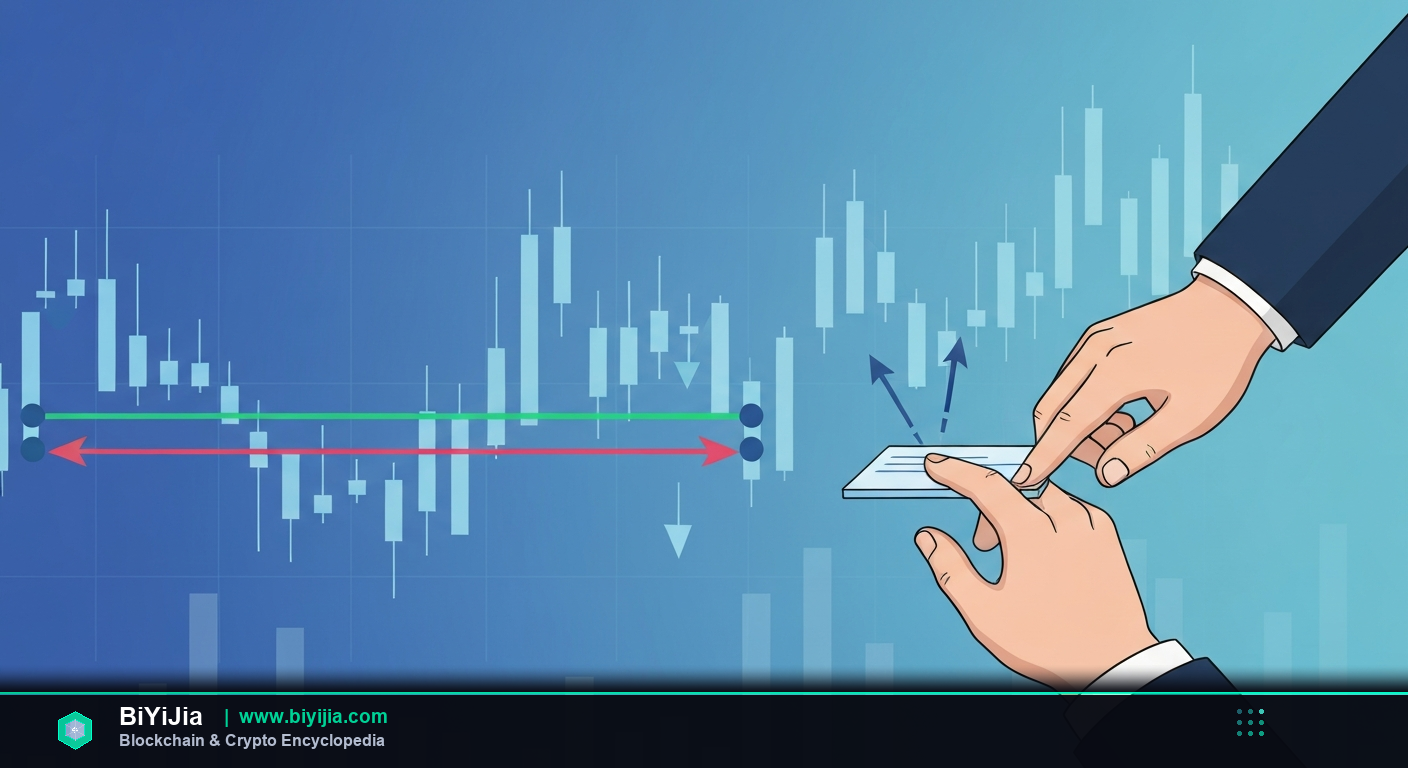

Trading Pair is the backbone of every crypto market, letting you swap one digital asset for another in a single click.
Key Takeaways
- Trading Pair is a two‑asset market listing that defines how you exchange one crypto for another.
- Core features include Base Currency, Quote Currency, Exchange Rate, and Liquidity.
- Platforms like Binance, Coinbase, and Uniswap use pairs such as BTC/USDT for everyday trading.
- Compared to fiat‑to‑fiat pairs, crypto pairs can be 24/7 and highly volatile.
- Risk: low Liquidity or extreme price swings can turn a simple swap into a costly mistake.
What Is Trading Pair?
In plain language, a trading pair is the two assets you see listed side‑by‑side on an exchange, indicating you can trade one for the other.
In Decentralized Finance (DeFi), each pair consists of a Base Currency and a Quote Currency; the exchange rate tells you how many units of the Quote you receive per one unit of the Base. The market’s Liquidity pool supplies the tokens needed to fulfill trades, and price updates happen instantly as orders flow in.
Think of a trading pair like a currency exchange booth at an airport: you hand over dollars (Base) and receive euros (Quote) at the posted rate. The booth’s stock determines whether you get the advertised rate or a less favorable one.
How It Works
- Choose a pair, for example BTC/USDT, where Bitcoin is the Base and Tether is the Quote.
- The exchange displays the current Exchange Rate, e.g., 1 BTC = 28,300 USDT.
- You place a market or limit order; the system matches you with existing orders or draws from the Liquidity pool.
- Once matched, the trade settles, moving the assets between your wallet and the exchange’s pool.
- The pair’s price updates instantly, reflecting the new balance of supply and demand.
Core Features
- Base Currency: The asset you are selling or converting, listed first in the pair.
- Quote Currency: The asset you receive, listed second; it provides the price reference.
- Exchange Rate: The real‑time price at which the Base can be swapped for the Quote.
- Liquidity: The depth of buy and sell orders that allows large trades without slippage.
- Spread: The difference between the best bid and ask prices, indicating transaction cost.
- Pair Symbol: A shorthand like BTC/USDT that uniquely identifies the market.
Real-World Applications
- Binance – Offers over 1,200 crypto trading pairs; BTC/USDT alone generated $15 billion in daily volume in Q1 2026.
- Coinbase Pro – Focuses on high‑Liquidity pairs such as ETH/USD and BTC/USDT for institutional traders.
- Uniswap V3 – Uses automated market maker (AMM) pairs like UNI/USDC, allowing anyone to provide Liquidity and earn fees.
- Kraken – Provides fiat‑crypto pairs (e.g., EUR/BTC) alongside pure crypto pairs for diversified strategies.
- FTX (post‑relaunch) – Introduced exotic pairs like SOL/USDT with leveraged trading options.
Comparison with Related Concepts
Base Currency vs Quote Currency: The Base is what you sell; the Quote is what you buy. Switching the order flips the market perspective (e.g., BTC/USDT vs USDT/BTC).
Exchange Rate vs Liquidity: A favorable Exchange Rate can evaporate if Liquidity is thin, leading to slippage. High Liquidity stabilizes the rate.
Crypto Trading Pair vs Traditional Forex Pair: Crypto pairs trade 24/7, are often more volatile, and can involve algorithmic market makers, whereas forex markets have set hours and tighter spreads.
Risks & Considerations
- Low Liquidity: Thin order books cause price slippage, turning a modest trade into a costly one.
- Extreme Volatility: Sudden price swings can trigger liquidation in leveraged positions.
- Spread Inflation: Wide spreads increase transaction costs, especially on less popular pairs.
- Smart Contract Bugs: AMM pairs on DeFi platforms may be vulnerable to exploits.
- Regulatory Shifts: Changes in jurisdiction can affect the availability of certain pairs.
Embedded Key Data
According to CoinMarketCap, the BTC/USDT pair alone accounted for over $15 billion in daily trading volume in Q1 2026, making it the most liquid crypto trading pair worldwide.
A 2025 study by the Blockchain Research Institute found that 68% of active traders prioritize high Liquidity pairs when selecting markets, underscoring the importance of depth for price stability.
Frequently Asked Questions
What is a trading pair and why does it matter?
A trading pair defines which two assets you can exchange on an exchange. It matters because the pair determines the price you pay, the Liquidity you can access, and the risk profile of the trade.
How do I read a pair like BTC/USDT?
The first token (BTC) is the Base Currency you are selling, and the second token (USDT) is the Quote Currency you receive. The current price tells you how many USDT you get per Bitcoin.
Can I create my own trading pair?
On decentralized platforms like Uniswap, anyone can create a new pair by supplying equal values of two tokens to a liquidity pool. Once the pool exists, the market can start trading that pair.
Do trading pairs exist for fiat currencies?
Yes, traditional forex markets list fiat‑to‑fiat pairs such as EUR/USD. Crypto exchanges also list fiat‑crypto pairs like USD/BTC, but pure crypto pairs dominate DeFi activity.
What happens if a pair loses Liquidity?
When Liquidity drains, spreads widen and slippage increases. Traders may experience unexpected price impact, and large orders can move the market substantially.
Is BTC/USDT always the best pair to trade Bitcoin?
BTC/USDT offers deep Liquidity and tight spreads, but other pairs like BTC/ETH might be preferable for hedging or arbitrage strategies. Your choice should match your tactical goals.
Summary
Trading Pair is the essential market construct that lets you swap one crypto for another, with the Base Currency, Quote Currency, Exchange Rate, and Liquidity shaping each trade. Understanding how pairs work is crucial for anyone navigating Decentralized Finance or centralized exchanges, and it opens the door to more sophisticated strategies across the crypto ecosystem.