TRON (TRX) is a high‑throughput public blockchain platform that powers decentralized apps, content distribution services, and a growing ecosystem of Decentralized Finance (DeFi) solutions.
Key Takeaways
- Definition: TRON is a blockchain that prioritizes speed, low fees, and a developer‑friendly environment.
- Core features: Delegated Proof‑of‑Stake (DPoS), high TPS, and native support for TRC‑20 tokens.
- Real‑world use: Powers popular DApps, stablecoin transfers via USDT‑TRC20, and large‑scale content platforms.
- Traditional alternative: Beats legacy centralized video streaming services on cost and censorship resistance.
- Risk warning: Centralization of validator nodes and regulatory scrutiny can affect price stability.
What Is TRON (TRX)?
TRON (TRX) is a blockchain designed to enable fast, cheap, and scalable decentralized applications.
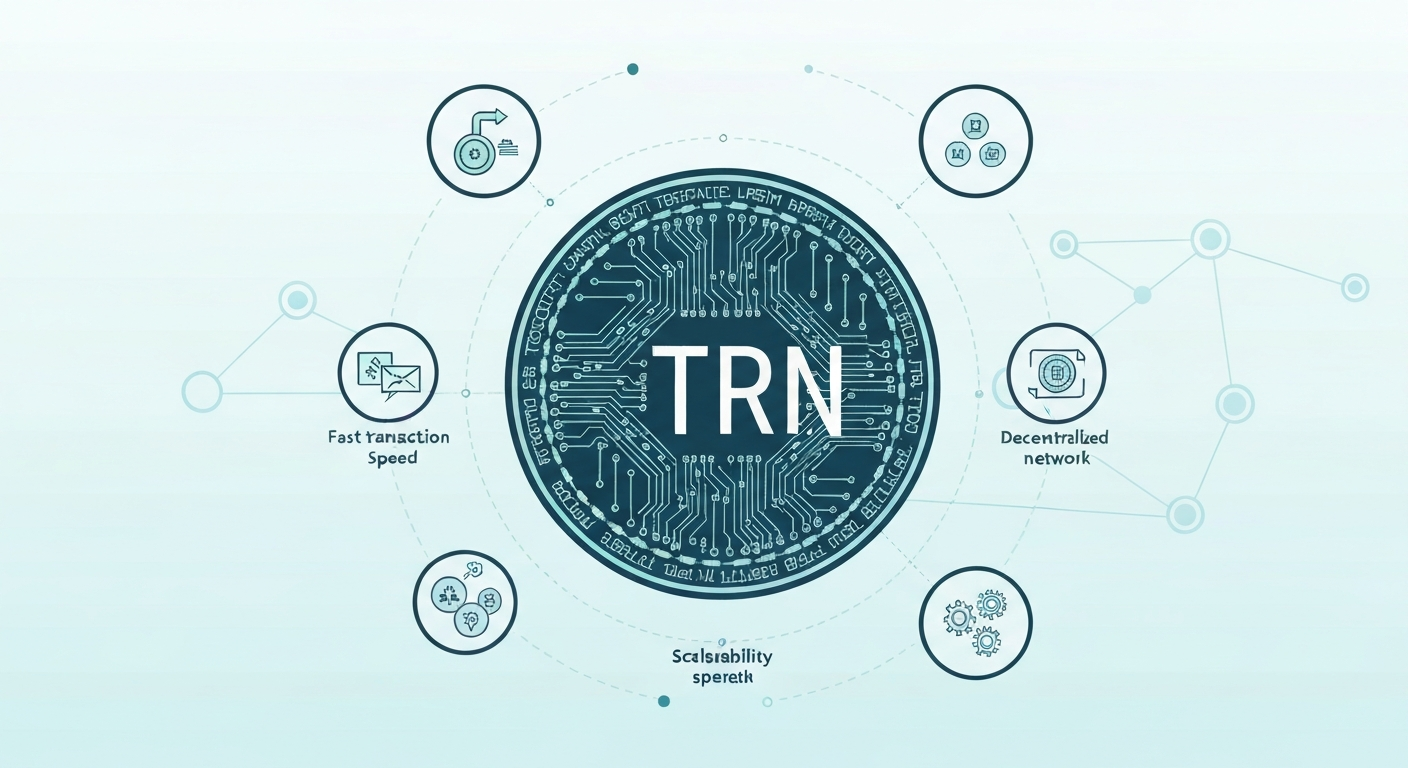
At its core, TRON uses a Delegated Proof‑of‑Stake consensus where 27 Super Representatives validate blocks, allowing the network to churn out thousands of transactions per second while keeping fees near zero. The native token, TRX, fuels transactions, secures the network, and serves as a governance tool for voting on protocol upgrades.
Think of TRON as the high‑speed rail network of the crypto world: just as trains zip passengers across a country faster than cars, TRON shuttles digital assets and data across a global ledger far more quickly than Bitcoin’s slow, costly tracks.
How It Works
- Stake TRX: Users lock up TRX to become voters or to support a Super Representative.
- Elect Super Representatives: The top 27 candidates with the most votes are elected to produce blocks every 3 seconds.
- Validate Transactions: These Super Representatives bundle user transactions into blocks, verify signatures, and broadcast them to the network.
- Distribute Rewards: Validators earn TRX rewards, which are shared with delegators proportionally to their stake.
- Update Protocol: Token holders can propose and vote on upgrades, ensuring the blockchain evolves without hard forks.
Core Features
Delegated Proof‑of‑Stake (DPoS): A consensus model that trades some decentralization for speed, enabling ~5,000 TPS.
TRC‑20 Token Standard: Mirrors Ethereum’s ERC‑20, making token creation and migration seamless.
Low Transaction Fees: Typical fees are a fraction of a cent, ideal for micro‑payments and stablecoin transfers.
Smart Contract Compatibility: Uses the Solidity language, allowing developers to port Ethereum DApps with minimal changes.
Content Distribution Network: Built‑in tools let creators monetize videos, games, and social posts without intermediaries.
Real‑World Applications
- BitTorrent (BTT): A peer‑to‑peer file‑sharing protocol that rewards users with BTT tokens for seeding content; over 150 million active users as of Q1 2026.
- JustLend: A DeFi lending platform where borrowers can lock TRX as collateral; total loan volume hit $1.2 billion in February 2026.
- USDT‑TRC20: Tether’s TRC‑20 stablecoin, processing roughly 3 million daily transfers on TRON’s network (TronScan, 2026).
- WINk: A blockchain gaming suite with over 8 million registered players, leveraging TRON’s fast finality for in‑game assets.
- TRON Arcade: A marketplace for NFTs and digital collectibles, boasting $250 million in secondary sales in 2025.
Comparison with Related Concepts
TRON vs Ethereum: TRON offers higher throughput and lower fees, while Ethereum boasts a larger developer community and broader institutional support.
TRON vs Traditional Streaming Services: Unlike Netflix or YouTube, TRON‑based platforms let creators keep a larger share of revenue and avoid content censorship.
TRX vs Bitcoin: TRX is a utility token for a programmable blockchain, whereas Bitcoin is primarily a store of value and settlement layer.
Risks & Considerations
Centralization Risk: With only 27 Super Representatives, network control is more concentrated than in permissionless PoW chains.
Regulatory Exposure: As a high‑volume conduit for USDT‑TRC20, TRON could attract scrutiny from financial regulators.
Token Volatility: TRX price swings can affect the economic viability of DApps that rely on stable token economics.
Smart Contract Bugs: Solidity contracts are prone to exploits; developers must audit code rigorously.
Competition: Emerging Layer‑1s like Solana and Avalanche are vying for the same developer mindshare.
Embedded Key Data
As of Q1 2026, the TRON blockchain processes an average of 5,000 transactions per second, according to the TRON Foundation’s technical report.
Daily active wallet counts on TRON surpassed 30 million in February 2026, based on data from TronScan analytics.
Frequently Asked Questions
What is the purpose of TRX?
TRX functions as the native gas for the TRON blockchain, paying transaction fees, staking for governance, and serving as a medium of exchange within the ecosystem.
How does TRON achieve low fees?
Because TRON’s DPoS consensus requires only 27 validators, block production is cheap and efficient, allowing the network to keep fees at a fraction of a cent.
Can I use TRON for DeFi?
Absolutely. Platforms like JustLend, SunSwap, and PoloniDEX let users lend, borrow, and trade assets on the TRON blockchain, making TRX a viable DeFi bridge.
Is TRON environmentally friendly?
DPoS consumes far less electricity than Proof‑of‑Work systems; the entire TRON network runs on a modest amount of energy comparable to a small data center.
How do I buy TRX safely?
Use reputable exchanges (e.g., Binance, Coinbase) or decentralized platforms that support TRC‑20 tokens, then transfer the coins to a hardware wallet for maximum security.
Summary
TRON (TRX) is a high‑speed, low‑cost blockchain that powers a vibrant ecosystem of DApps, stablecoin transfers, and content platforms. Its unique DPoS model makes it a strong alternative to traditional media services and competing Layer‑1s, though users should stay aware of centralization and regulatory risks. For deeper dives, check out related entries on [internal link: Justin Sun], [internal link: USDT-TRC20], [internal link: DApp], and [internal link: Content Distribution].