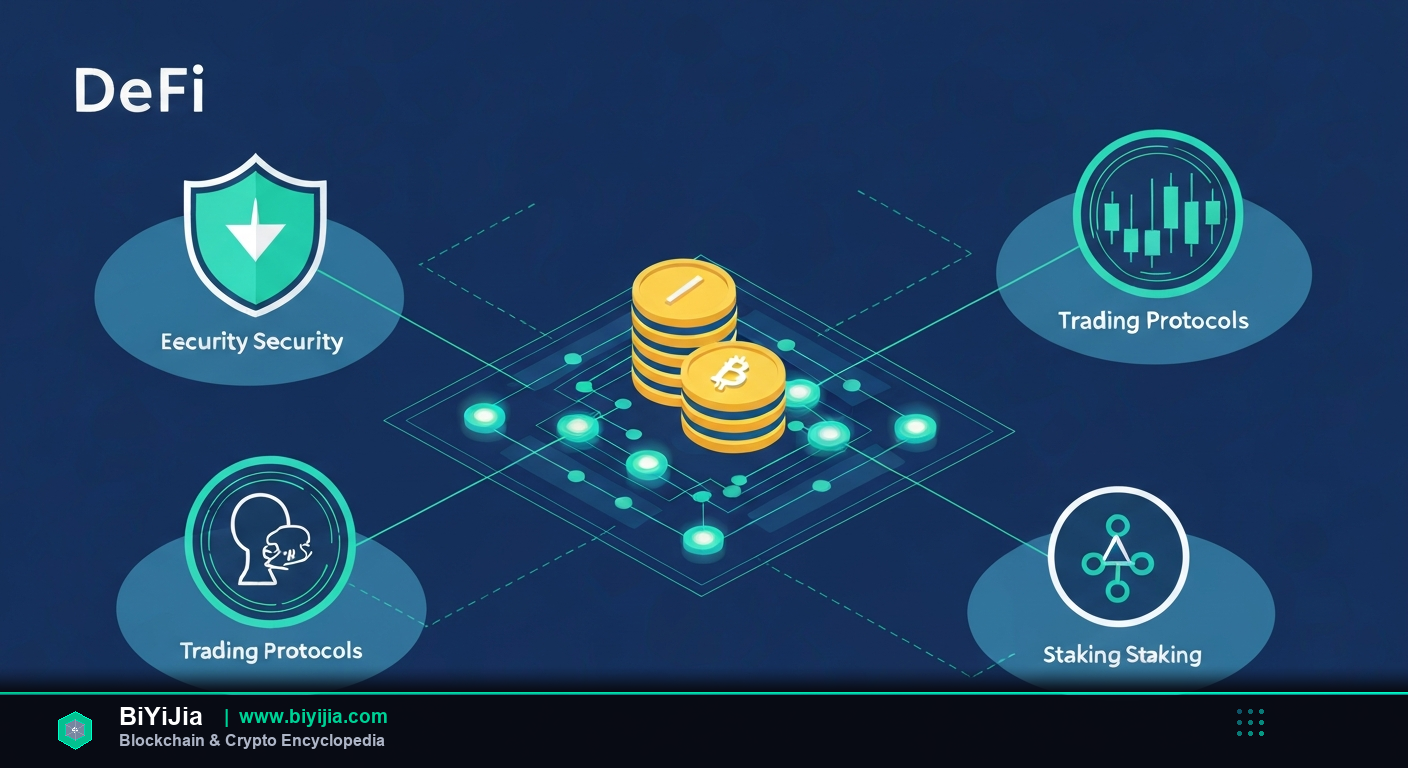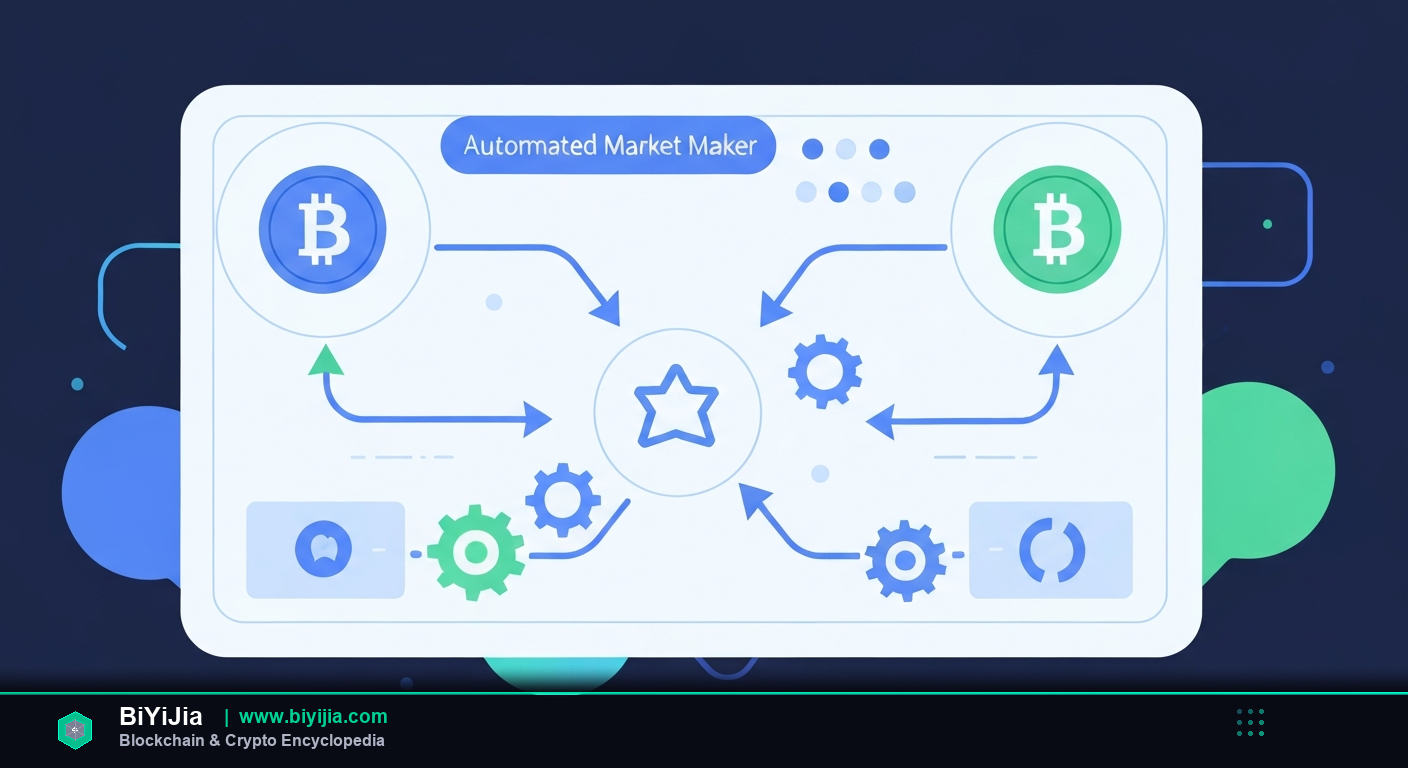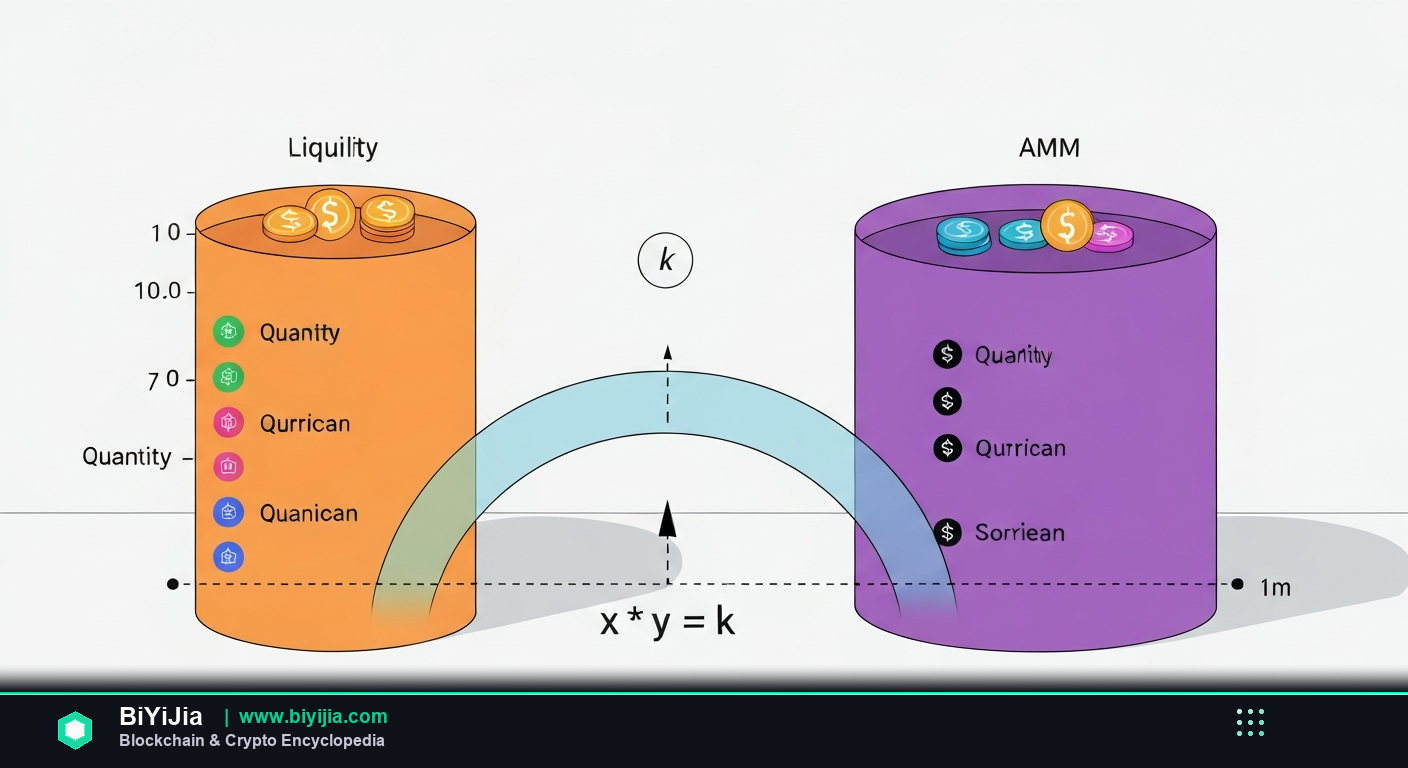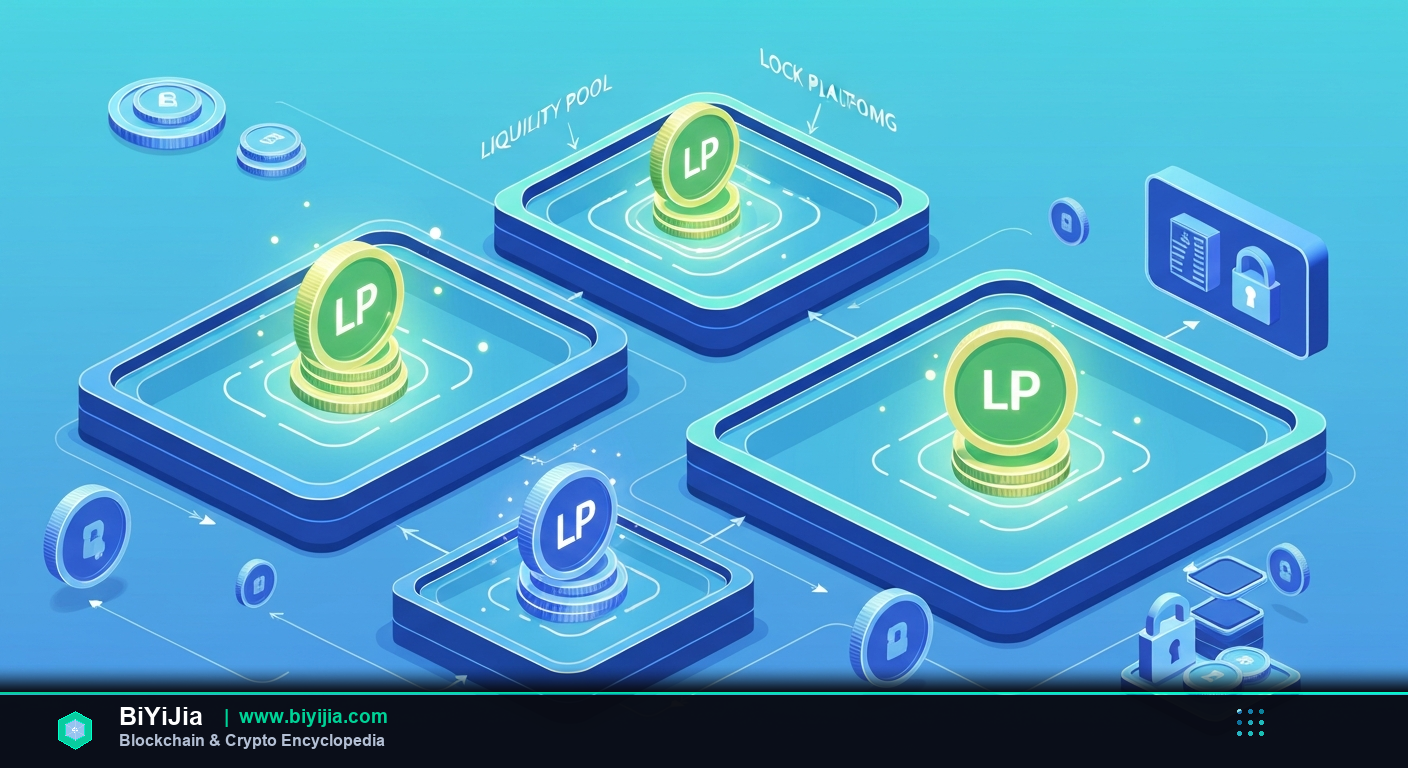

Yield Farming refers to the practice of locking or staking crypto assets in Decentralized Finance (DeFi) protocols to earn rewards, often through interest, fees, or native tokens.
Key Takeaways
- Definition: Yield Farming is the process of deploying digital assets in DeFi contracts to generate returns.
- Core Feature: It leverages liquidity provision, token incentives, and compounding mechanisms.
- Real‑World Use: Platforms like Aave, Curve, and Yearn Finance let users farm yields on millions of dollars of assets.
- Traditional Comparison: Similar to high‑yield savings accounts but with higher upside and higher risk.
- Risk Warning: Smart‑contract bugs, impermanent loss, and regulatory uncertainty can erode returns.
What Is Yield Farming?
Yield Farming is a DeFi strategy where users allocate crypto to smart contracts to earn passive income.
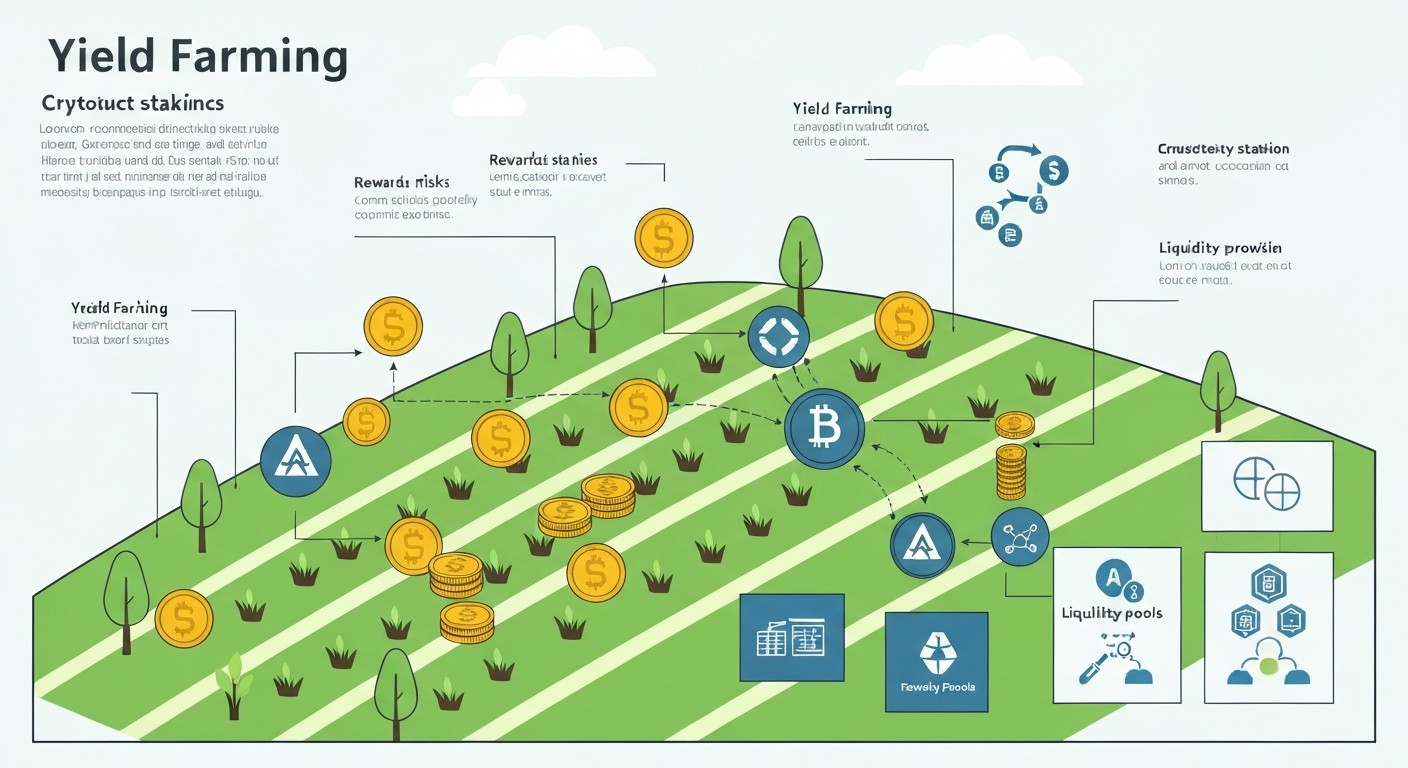
Under the hood, protocols reward participants with a share of transaction fees, interest, or newly minted governance tokens. By moving assets across multiple pools, farmers can chase the highest annual percentage yield (APY) while leveraging compounding to boost returns.
Think of it like a farmer rotating crops: you plant different seeds in the same field throughout the season to keep the soil fertile and maximize harvest. In crypto, you rotate assets across pools to keep the capital productive.
How It Works
- Choose a DeFi platform that offers a liquidity pool or lending market.
- Deposit your crypto; the smart contract locks it and issues you a receipt token.
- The protocol uses your capital to facilitate trades, loans, or algorithmic stablecoin minting.
- Earn rewards in the form of interest, fees, or native governance tokens, which accrue to your receipt token.
- Optionally reinvest the rewards to compound your yield over time.
Core Features
Liquidity Provision: Supplying assets to a pool so traders can swap without slippage.
Token Incentives: Earning protocol‑specific tokens that often carry governance rights.
Compounding: Re‑depositing earned rewards to generate exponential growth.
Dynamic APY: Yields fluctuate based on market demand, utilization rates, and token emission schedules.
Cross‑Chain Compatibility: Modern farms operate on multiple blockchains, letting users chase yields beyond Ethereum.
Real‑World Applications
- Aave – A lending market where deposited assets earn interest and can be borrowed; over $30 B locked as of Q1 2026.
- Curve Finance – Stablecoin‑focused AMM that rewards liquidity providers with CRV tokens; average APY for USDC/USDT pool sits around 12%.
- Yearn Finance – An aggregator that auto‑optimizes deposits across multiple farms; its Vaults have generated cumulative returns exceeding 1,200% since launch.
- SushiSwap – Offers “Onsen” incentive programs where new projects launch token farms; recent SushiSwap Kashi market yielded 18% APY on ETH/USDC.
- Balancer – Multi‑asset pools that let users earn BAL tokens while providing custom weightings; a 50/50 ETH‑DAI pool reported a 9.4% net yield last month.
Comparison with Related Concepts
Yield Farming vs Liquidity Mining: Both involve supplying assets, but Liquidity Mining specifically emphasizes earning native tokens as the primary reward, whereas Yield Farming can also include pure interest or fee share.
Yield Farming vs Staking: Staking typically locks a single token to secure a network and earn rewards; Yield Farming often requires multiple assets and interacts with various protocols to generate higher APY.
Yield Farming vs Traditional Savings: Savings accounts provide fixed interest with FDIC insurance; Yield Farming offers variable, often higher returns but carries smart‑contract and market risk.
Risks & Considerations
Smart‑Contract Vulnerability: Bugs can lead to total loss of deposited capital; audits reduce but do not eliminate risk.
Impermanent Loss: Providing volatile assets to a pool can result in a lower value compared to simply holding them.
Regulatory Uncertainty: Governments may clamp down on token incentives, affecting yields abruptly.
Yield Dilution: As more users join a pool, reward per user drops, compressing APY.
Gas Fees: High transaction costs on congested networks can eat into modest yields, especially for smaller balances.
Embedded Key Data
According to DeFi Pulse, total value locked (TVL) across yield‑farming protocols surpassed $120 B in February 2026, a 35% increase from the previous quarter.
Data from Dune Analytics shows that the average APY for top‑10 farms hovered at 14.2% in Q1 2026, outpacing traditional high‑yield savings accounts by a factor of six.
Frequently Asked Questions
What is the difference between APY and APR in yield farming?
APY (Annual Percentage Yield) accounts for compounding, showing the effective return if rewards are reinvested. APR (Annual Percentage Rate) reflects the simple interest rate without compounding. Most DeFi dashboards display APY because most farms encourage automatic reinvestment.
Do I need to own the native token to farm yields?
Not always. Some farms reward only the protocol’s governance token, while others provide pure interest on stablecoins. Your strategy should match your risk tolerance and token‑exposure preferences.
Can I withdraw my funds at any time?
Most platforms allow on‑demand withdrawal, but lock‑up periods or exit fees may apply during promotional incentive phases. Always read the pool’s terms before committing.
How does compounding boost my returns?
When you automatically reinvest earned rewards, each new reward is calculated on a larger base amount. Over weeks or months, this exponential effect can substantially increase the net yield, especially in high‑APY farms.
Is yield farming safe for beginners?
It can be rewarding, but the learning curve is steep. Newcomers should start with well‑audited platforms, keep amounts small, and diversify across multiple farms to mitigate single‑point failures.
Summary
Yield Farming is the DeFi technique of allocating crypto assets to smart contracts to earn interest, fees, or token rewards, often amplified through compounding. Understanding its mechanics, core features, and associated risks equips you to navigate the booming DeFi yield landscape and make informed decisions. Explore related concepts like Liquidity Mining, APY, and Compounding to deepen your knowledge.