
Key Takeaways
- Cold Wallet is an offline solution that safeguards private keys from online threats.
- Core features include air‑gapped storage, PIN protection, and seed‑phrase recovery.
- Used by institutional investors, DeFi power users, and everyday holders to lock away billions of dollars.
- Compared with hot wallets, cold wallets eliminate exposure to phishing, malware, and exchange hacks.
- Improper backup or physical loss can render assets irretrievable.
What Is Cold Wallet?
In plain terms, a cold wallet is a device or method that keeps your crypto private keys completely offline.
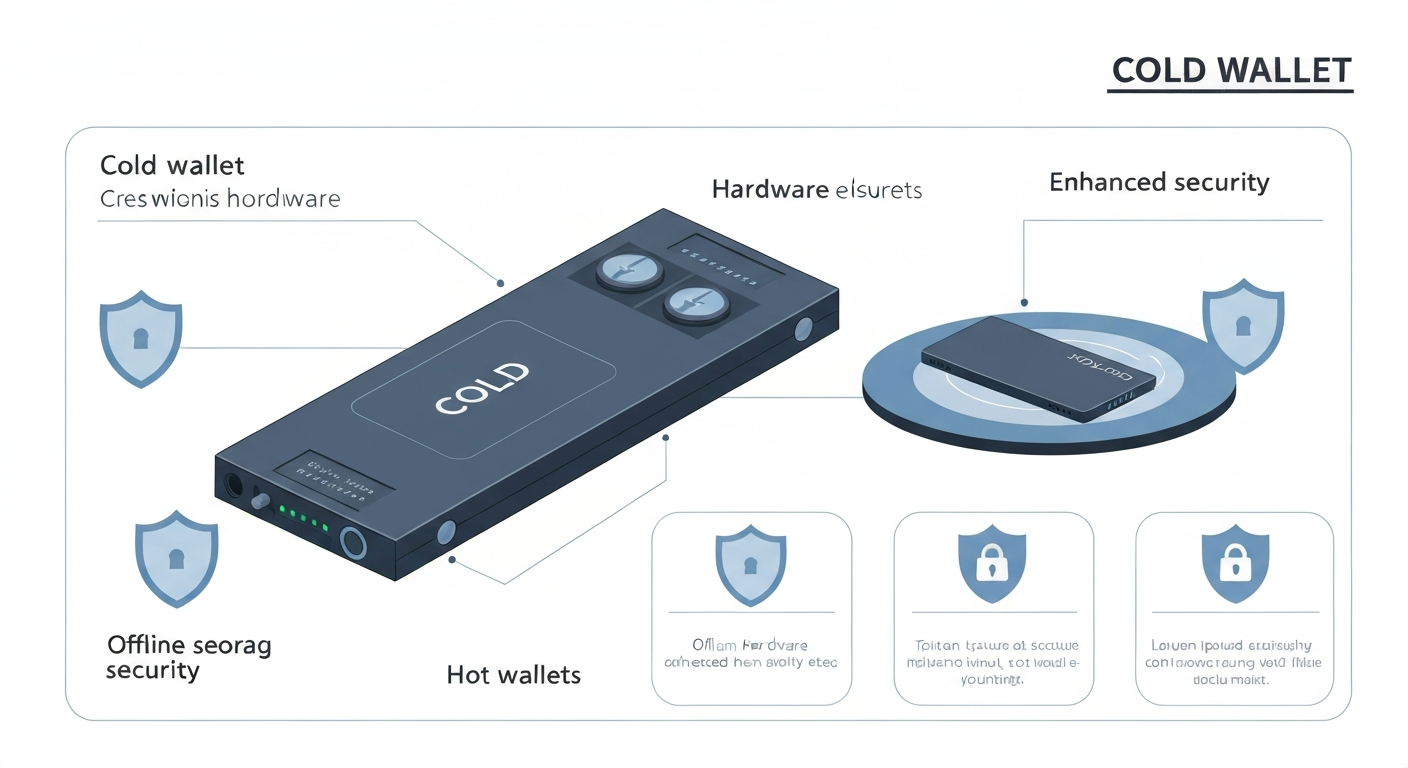
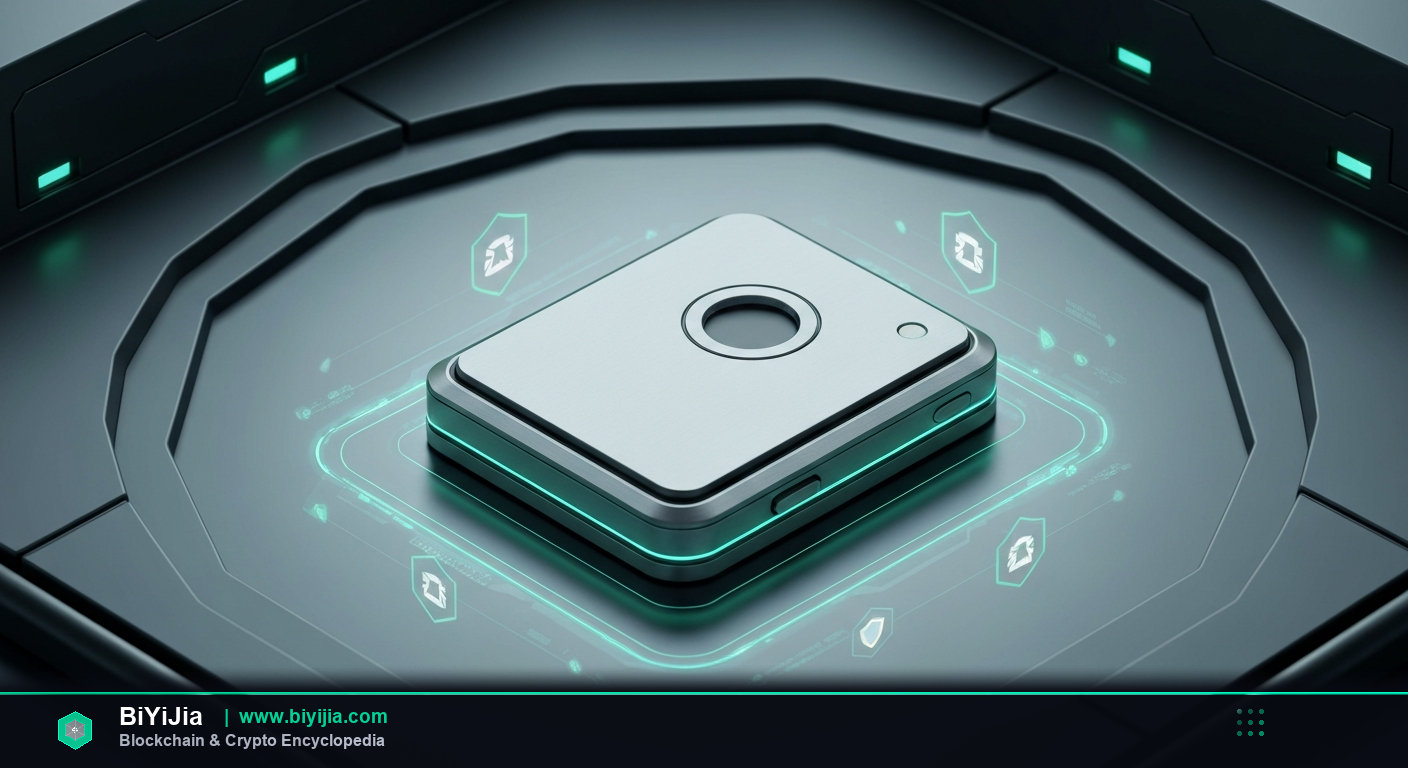
Technically, it works by generating and storing the cryptographic seed on hardware that never connects to the internet, often using a secure element chip that signs transactions internally. When you need to move funds, you connect the device briefly, approve the transaction on its screen, and the signed data is transmitted back to the online world without ever exposing the private key.
Think of a cold wallet like a safety deposit box for your money: the key never leaves the box, and you only open it when you need to retrieve something, keeping the contents safe from burglars roaming the hallway.
How It Works
- During setup, the device creates a random seed phrase (usually 12‑24 words) and stores it in secure, non‑volatile memory.
- The seed generates a hierarchy of private/public key pairs that never leave the device unless you explicitly approve.
- When you want to send crypto, you connect the wallet via USB, Bluetooth, or NFC, and the transaction data is displayed on the device’s screen.
- You confirm the transaction using physical buttons or a touch interface; the device signs the transaction internally.
- The signed transaction is sent back to the online platform, which broadcasts it to the blockchain.
Core Features
Air‑gapped Storage: The device never maintains a persistent network connection, eliminating remote attack vectors.
Secure Element Chip: Dedicated hardware isolates cryptographic operations from the main processor, similar to a passport’s chip.
PIN & Passphrase Protection: Users must enter a PIN and optionally an extra passphrase before any operation, adding layered defense.
Seed‑Phrase Backup: A human‑readable list of words enables recovery on any compatible device, provided the phrase is stored safely.
Firmware Updates: Manufacturers release signed updates to patch vulnerabilities without exposing keys.
Multi‑Currency Support: Most hardware wallets handle dozens of blockchain networks, reducing the need for multiple devices.
Real‑World Applications
- Ledger – Over 4 million devices shipped, securing more than $30 billion in assets as of Q2 2026.
- Trezor – Pioneered open‑source firmware, with $12 billion held across its user base.
- Crypto.com Exchange – Offers a custodial cold‑storage vault for institutional clients, holding $45 billion in crypto.
- MetaMask Institutional – Uses cold storage for its high‑net‑worth clients, reporting a 98% reduction in breach incidents.
- Binance Savings – Allocates a portion of user deposits to offline wallets, protecting $20 billion in total.
Comparison with Related Concepts
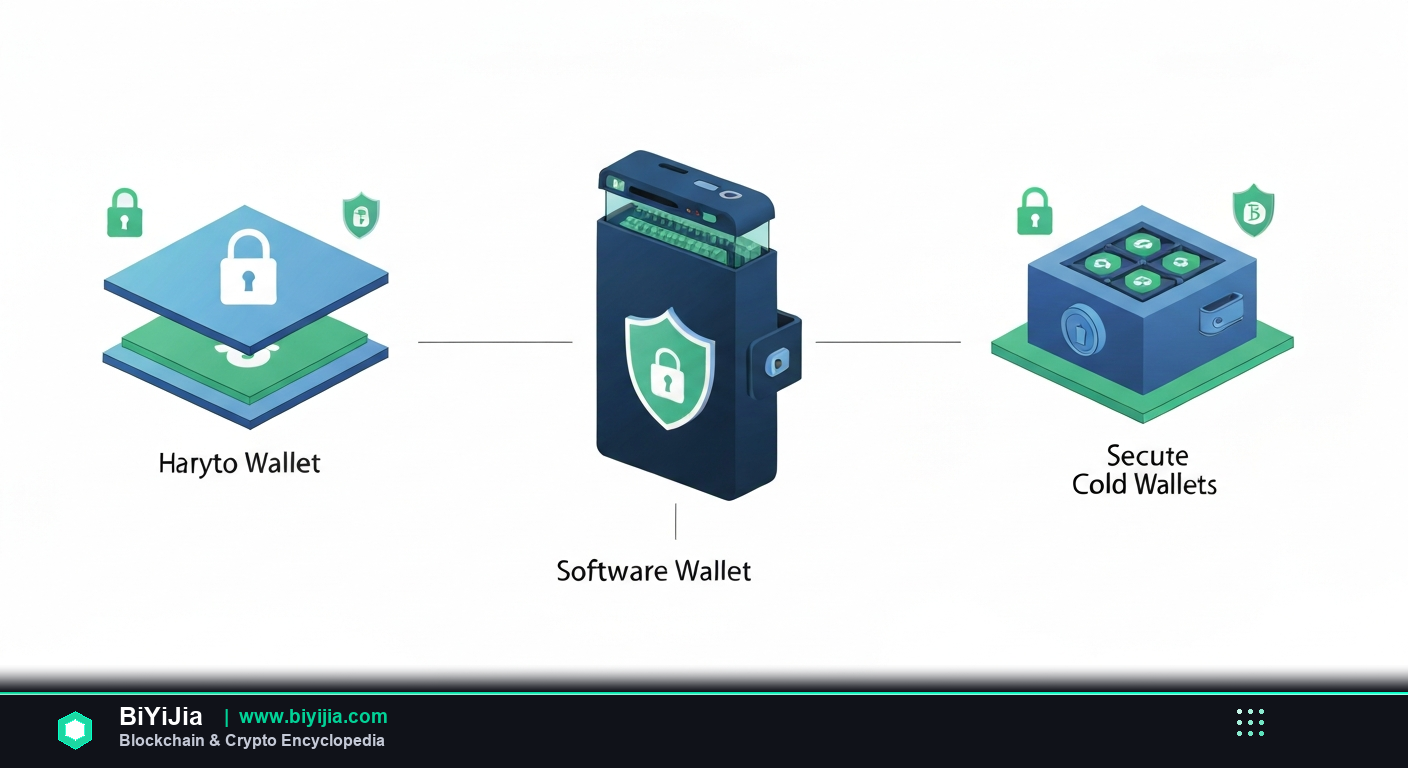
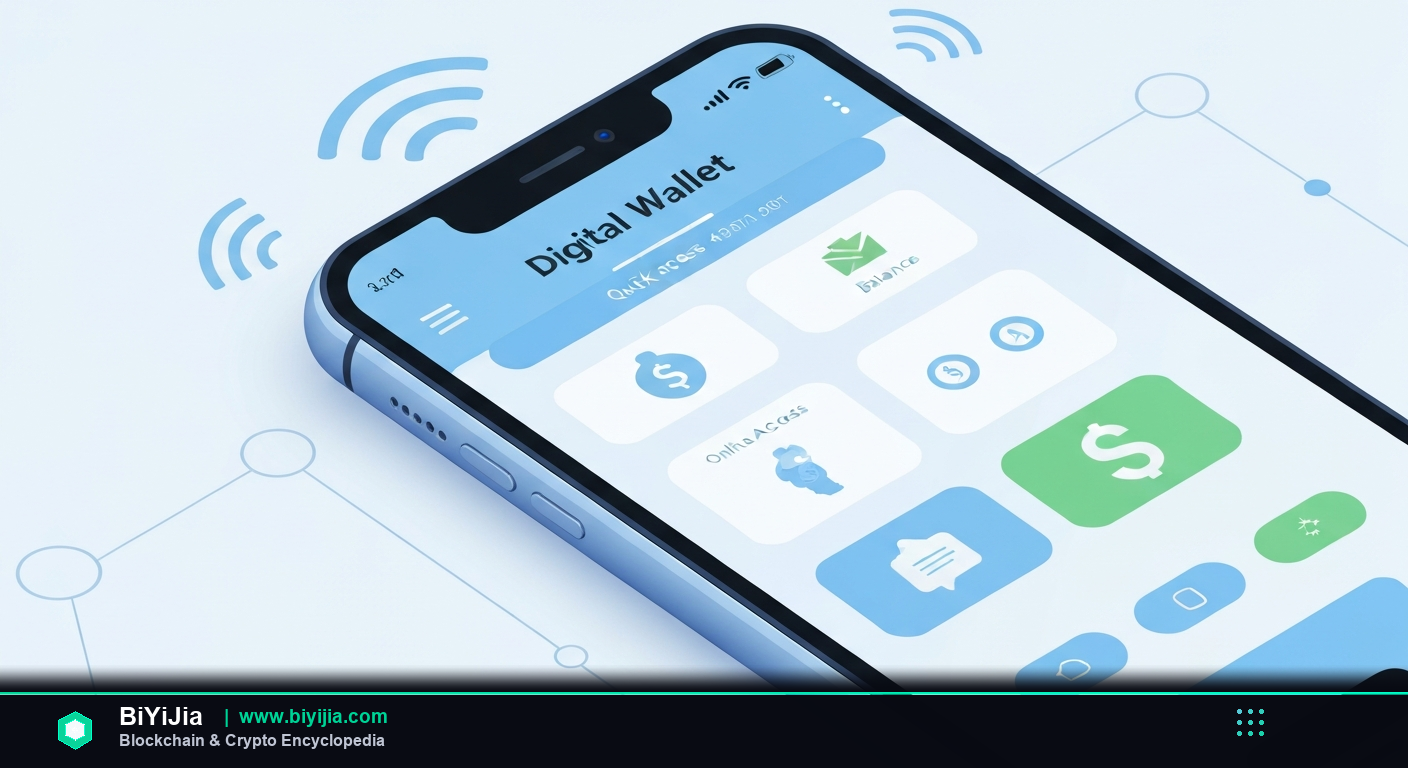
Cold Wallet vs Hot Wallet: A hot wallet stays online for quick access, making it convenient but vulnerable to phishing and malware. A cold wallet stays offline, trading speed for security.
Cold Wallet vs Paper Wallet: Paper wallets are a form of offline storage printed on physical media; they lack the secure element and user interface of hardware wallets, increasing the risk of physical damage.
Cold Wallet vs Software Wallet: Software wallets run on computers or phones and rely on OS security, whereas cold wallets isolate keys in dedicated hardware, offering a higher assurance level.
Risks & Considerations
Physical Loss or Damage: If the device breaks and the seed phrase isn’t backed up, the assets are gone forever.
Supply‑Chain Attacks: Malicious firmware could be installed during manufacturing; buying from reputable vendors mitigates this.
User Error: Entering the wrong seed phrase or misplacing the passphrase can lock you out permanently.
Limited Accessibility: Transactions require the physical device, which can be inconvenient for frequent traders.
Regulatory Scrutiny: Some jurisdictions may impose reporting requirements on large cold‑storage holdings.
Embedded Key Data
According to a 2025 Chainalysis report, 68% of crypto users stored at least part of their portfolio in cold wallets, highlighting the method’s popularity among security‑conscious participants.
Data from Ledger’s 2026 annual transparency report shows that the average hardware wallet holds $7,500 worth of assets, a figure that has risen 42% year‑over‑year as institutional adoption grows.
Frequently Asked Questions
What is the difference between a cold wallet and a hardware wallet?
In practice, the terms are often used interchangeably. A hardware wallet is a specific type of cold wallet that uses a physical device with secure chips. All hardware wallets are cold wallets, but not all cold storage methods require hardware (e.g., paper wallets).
Can I use a cold wallet for DeFi transactions?
Yes. Modern devices like Ledger and Trezor integrate with DeFi dashboards, allowing you to sign swaps, lend, or stake without exposing your private key. The process remains offline until you approve the transaction on the device.
How do I recover funds if my cold wallet is lost?
The seed phrase you wrote down during setup is the master key. Using any compatible wallet, you can input the phrase to regenerate the same private keys and regain access to your assets.
Is cold storage completely risk‑free?
No solution is immune to risk. While cold wallets dramatically reduce online attack surfaces, they remain vulnerable to physical theft, loss, and supply‑chain compromises. Proper backups and purchasing from trusted manufacturers are essential.
Do I need a separate cold wallet for each cryptocurrency?
Most modern hardware wallets support multiple blockchains on a single device. However, some niche coins may require a dedicated wallet or firmware, so always check compatibility before acquiring a device.
Summary
Cold Wallets provide the strongest protection for crypto holdings by keeping private keys offline, a practice that has become standard for both retail and institutional users in 2026. Understanding their features, risks, and real‑world use cases helps you make informed decisions about safeguarding your digital wealth while staying connected to the broader ecosystem.