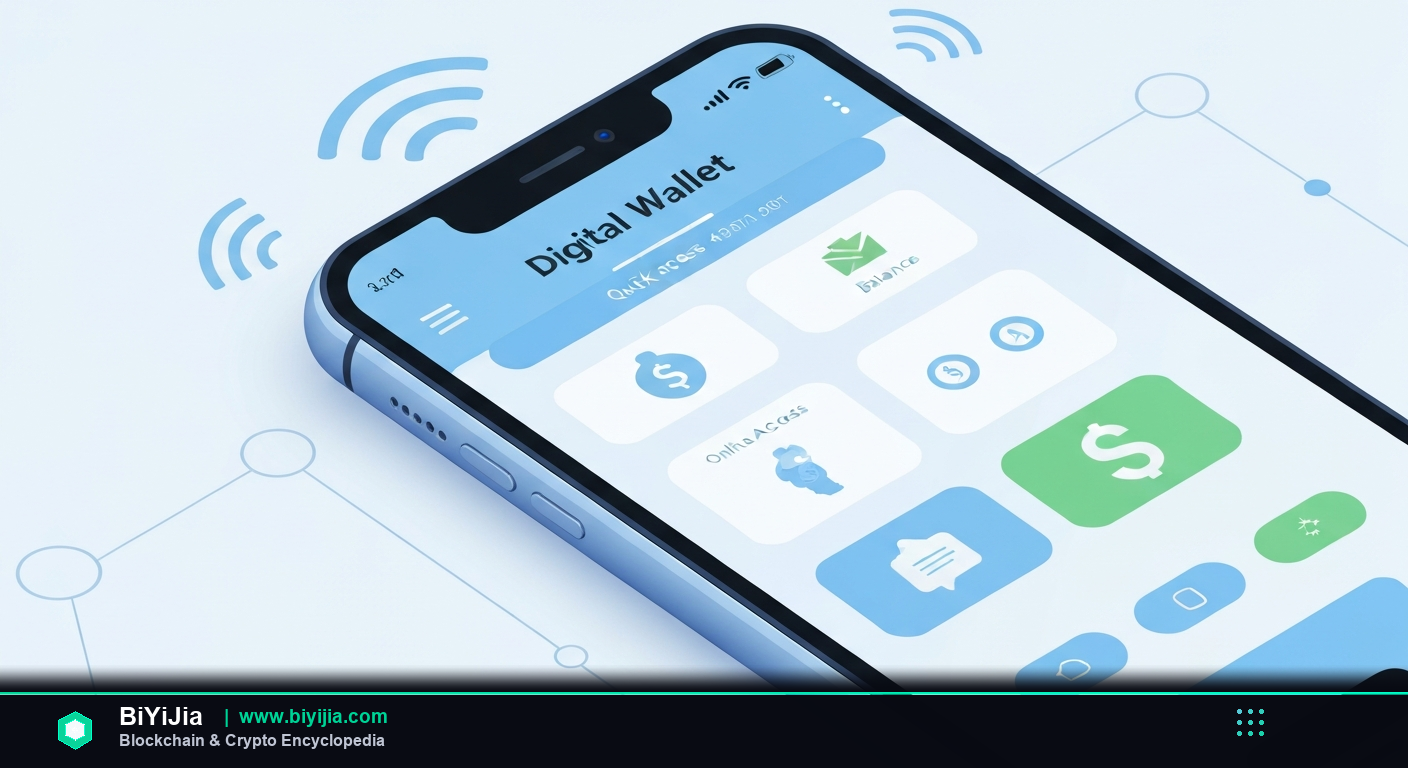

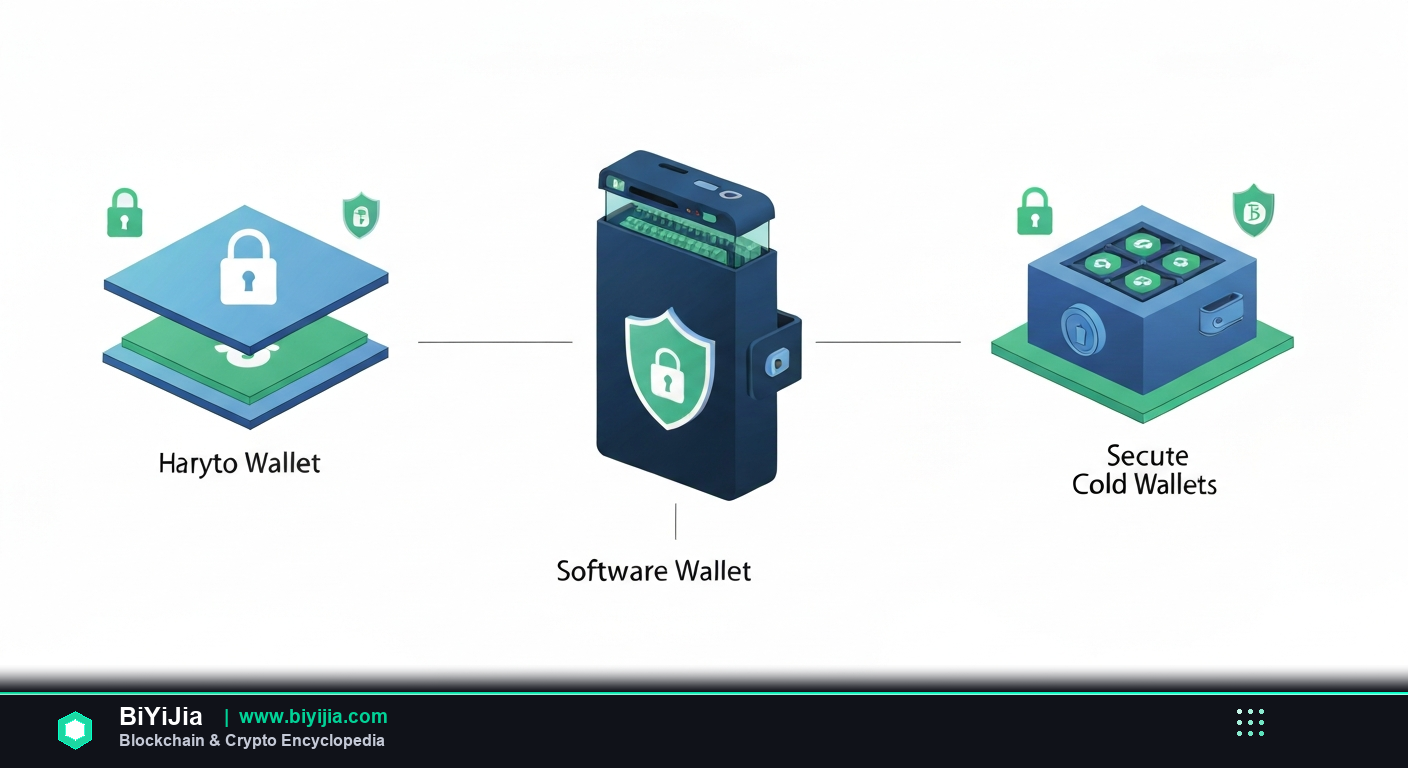
Crypto Wallet refers to a software or hardware tool that stores private keys, enabling users to send, receive, and manage cryptocurrency on the blockchain.
Key Takeaways
- Definition: A crypto wallet is a digital container for private keys that control cryptocurrency assets.
- Core features: Key generation, address management, transaction signing, and backup options.
- Real‑world application: Used daily by DeFi traders, NFT collectors, and merchants accepting crypto payments.
- Traditional comparison: Functions like a bank account but without a custodian; you hold the keys yourself.
- Risk warning: Loss of the private key or seed phrase means permanent loss of funds.
What Is Crypto Wallet?
In plain language, a crypto wallet is a digital tool that lets you store, send, and receive cryptocurrency.
Under the hood, the wallet doesn’t actually hold coins; it holds the cryptographic private keys that give you authority over addresses on a blockchain. When you want to move funds, the wallet signs a transaction with your private key, and the network validates it against the corresponding public key.
Think of a crypto wallet like the key to a safety deposit box: the box (the blockchain) holds the valuables, but only the person with the correct key can open it and move the contents.
How It Works
- Generate a pair of cryptographic keys – a private key (kept secret) and a public key (derived and shared as an address).
- Store the private key securely, often encrypted on your device or in hardware.
- When you initiate a transaction, the wallet creates a message describing the move and signs it with your private key.
- The signed transaction is broadcast to the blockchain network, where nodes verify the signature against the public key.
- Once validated, the network updates the ledger, and the funds appear in the recipient’s address.
Core Features
- Key Management: Automatic generation and storage of private keys and public addresses.
- Seed Phrase Backup: A 12‑ to 24‑word mnemonic that can recreate all keys if the device is lost.
- Transaction Signing: Cryptographic signing of outgoing transfers without exposing the private key.
- Multi‑Asset Support: Ability to hold Bitcoin, Ethereum, Solana and hundreds of other tokens in one interface.
- Hot vs Cold Storage Options: Choose between always‑online (Hot Wallet) or offline (Cold Wallet) configurations.
- Permission Controls: Some wallets enable multi‑signature or role‑based access for teams.
Real-World Applications
- MetaMask – A browser‑based wallet that lets users interact with Ethereum DeFi apps; over 30 million monthly active users as of 2025.
- Ledger Nano X – A hardware wallet storing private keys offline; supports more than 5,000 tokens and has sold over 2 million units worldwide.
- Coinbase Wallet – Integrated with the Coinbase exchange, enabling seamless on‑ramp of fiat to crypto; reported $12 billion in assets under custody in 2024.
- Trust Wallet – Mobile‑first wallet supporting Binance Smart Chain and NFTs; claims 50 million downloads.
- Exodus – Desktop and mobile wallet with built‑in exchange; processed $1.2 billion in swaps during 2023.
Comparison with Related Concepts
Hot Wallet vs Cold Wallet: Hot wallets stay connected to the internet, offering convenience for frequent trading but exposing keys to online attacks. Cold wallets keep keys offline, dramatically reducing hack risk but requiring physical access for each transaction.
Seed Phrase vs Private Key: The seed phrase is a human‑readable representation that can regenerate every private key in the wallet. A private key is the raw 256‑bit number that directly signs transactions; losing it without a backup phrase means irrecoverable loss.
Risks & Considerations
- Loss of Private Key: If the key is deleted or the device fails and no backup exists, the funds are gone forever.
- Phishing Attacks: Malicious sites can trick users into revealing seed phrases; always verify URLs before entering credentials.
- Malware: Keyloggers or clipboard hijackers on compromised computers can steal private keys from hot wallets.
- Regulatory Changes: Some jurisdictions may impose reporting requirements on wallet addresses, affecting anonymity.
- Hardware Failure: Even cold wallets can suffer physical damage; regular seed phrase backups mitigate this risk.
Embedded Key Data
Chainalysis reported that more than 200 million crypto wallets were active worldwide in 2025, reflecting mainstream adoption of digital wallets. A 2024 Statista survey found that 38% of retail investors use a digital wallet for everyday purchases, up from 22% in 2021.
Frequently Asked Questions
What is the difference between a crypto wallet and a bank account?
A crypto wallet stores private keys that give you direct control over blockchain assets, whereas a bank account holds fiat money under the custody of a financial institution. With a wallet, you are responsible for security; with a bank, the institution handles it.
Can I have multiple crypto wallets?
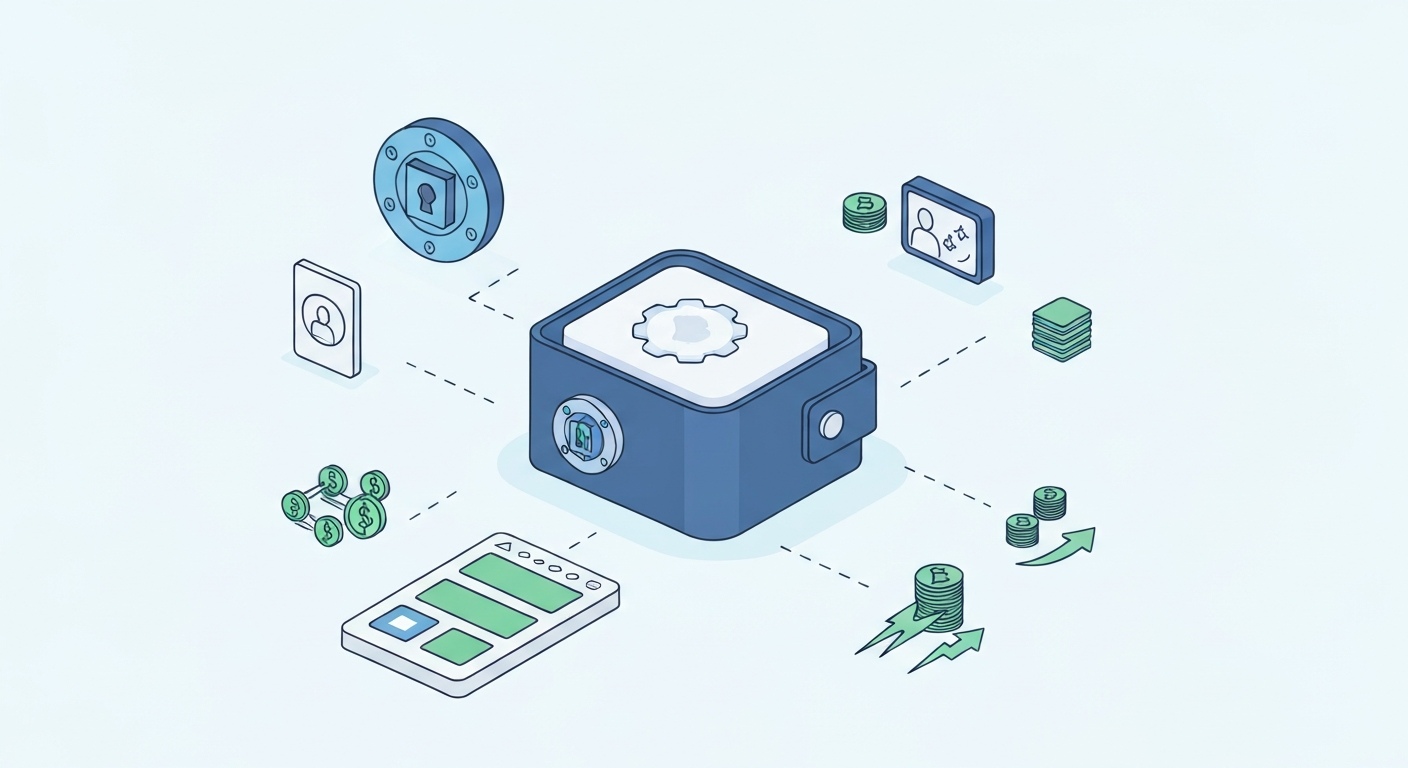
Absolutely. Many users maintain separate wallets for different purposes—one hot wallet for daily trading, a cold hardware wallet for long‑term storage, and perhaps a custodial wallet for DeFi staking. Managing several wallets lets you compartmentalize risk.
How do I back up my wallet?
Write down the seed phrase on paper or store it in a secure offline medium. Never save it in cloud services or plain‑text files. Some hardware wallets also let you encrypt the backup with a PIN.
Is a hardware wallet 100% safe?
Hardware wallets dramatically reduce exposure to online attacks, but they are not invulnerable. Physical theft, loss, or damage can still occur, and a compromised supply chain could embed malware. Combining a hardware wallet with a secure seed phrase backup is the safest practice.
Do crypto wallets support fiat currencies?
Pure crypto wallets manage only blockchain assets. Some hybrid apps integrate fiat on‑ramps, allowing you to purchase crypto with credit cards, but the fiat portion is usually held by a custodial partner, not the wallet itself.
Summary
A crypto wallet is the keystone of anyone’s interaction with Decentralized Finance (DeFi) and the broader blockchain ecosystem, providing the means to store, send, and receive digital assets securely. Understanding its features, risks, and real‑world uses is essential before diving into the crypto space, and it naturally leads you to explore related concepts like Hot Wallet, Cold Wallet, Seed Phrase, and Private Key.