
Hot Wallet is a type of online wallet that stores private keys on internet‑connected devices, enabling quick transactions but exposing users to higher security risks.
Key Takeaways
- Hot Wallet is an internet‑enabled crypto storage method that lets you spend assets instantly.
- Core features include real‑time accessibility, integration with dApps, and support for multiple blockchains.
- Popular for daily trading on platforms like MetaMask and Trust Wallet.
- Compared to cold storage, it sacrifices some security for convenience.
- Users should stay vigilant against phishing and hacking attempts.
What Is Hot Wallet?
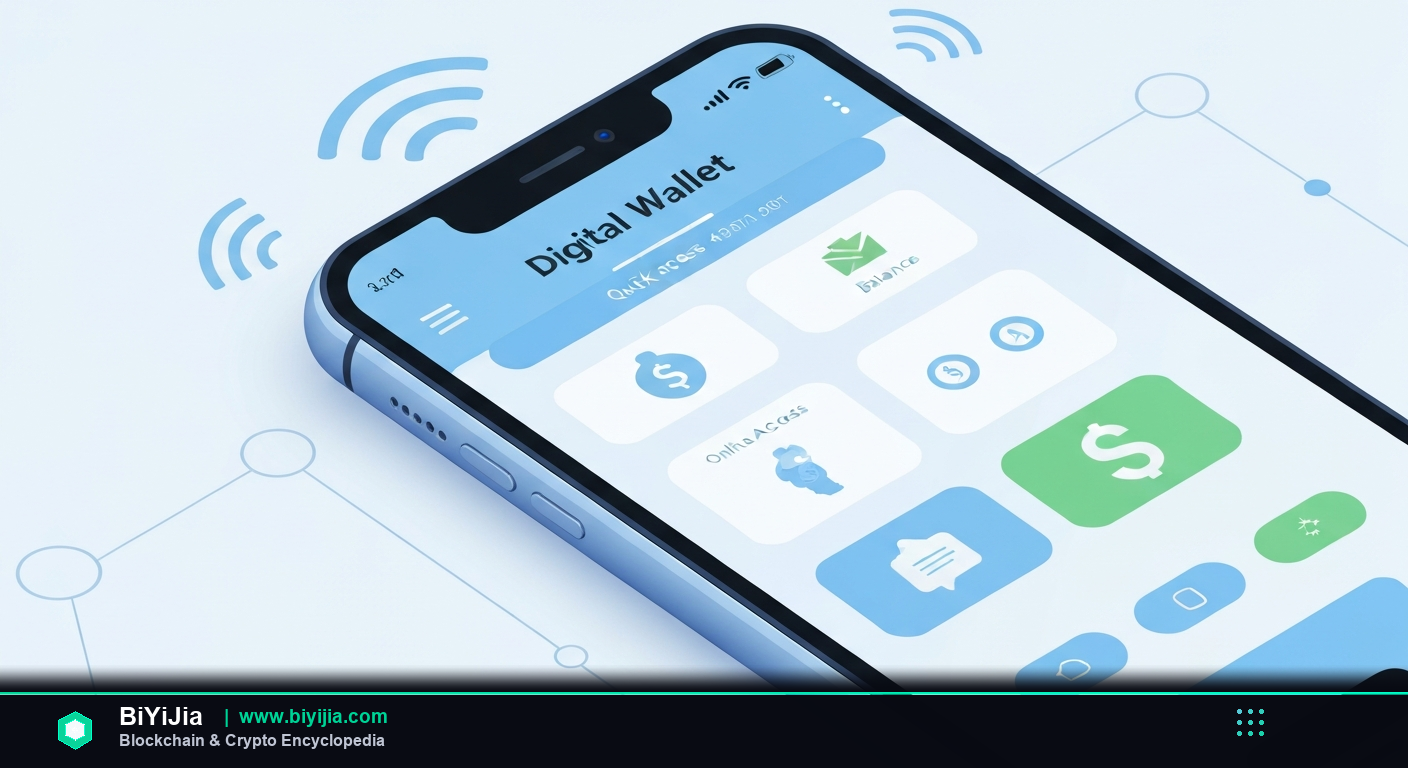
In plain language, a hot wallet is a cryptocurrency wallet that stays connected to the internet, allowing you to send and receive funds instantly.
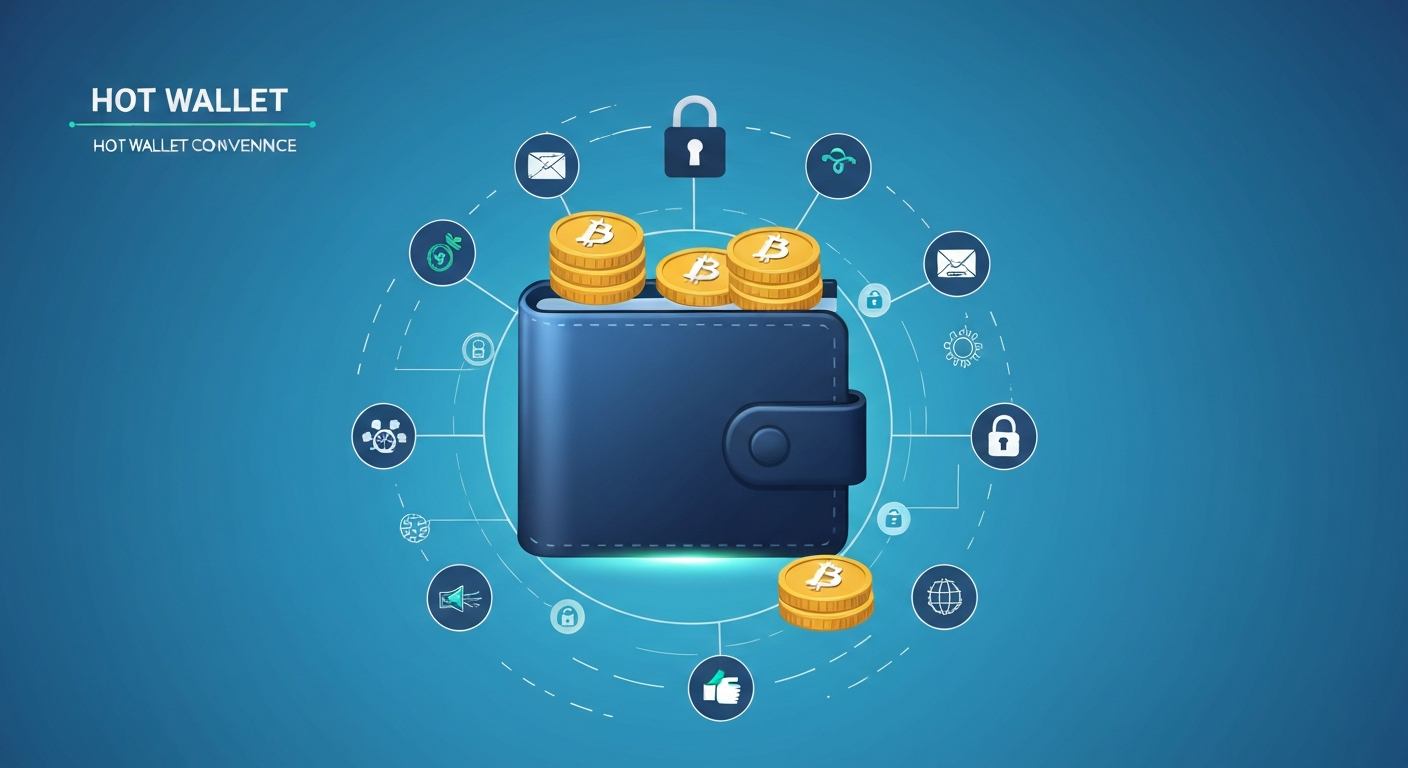
Technically, a hot wallet stores your private keys on a device that has an active network connection—be it a desktop app, mobile app, or browser extension. The software encrypts the keys locally, but because the device is online, the keys can be accessed by the wallet UI at any moment. This design fuels the speed and convenience that power most decentralized finance (DeFi) interactions.
Think of a hot wallet like a debit card linked to your checking account: you can swipe it for purchases right away, but if someone steals the card, they can drain your funds before you have a chance to block it.
How It Works
The underlying mechanism is straightforward, yet it hinges on proper software handling of private keys.
- Key Generation: When you create a hot wallet, the app generates a cryptographic key pair (public and private keys) on your device.
- Secure Storage: The private key is encrypted with a password or biometric lock and saved in the app’s local storage.
- Network Communication: Because the app is online, it can broadcast signed transactions to the blockchain instantly.
- Backup & Recovery: Most hot wallets provide a seed phrase (12‑24 words) that lets you restore access on a new device if the original is lost.
- Interaction with dApps: Browser extensions like MetaMask inject a web3 provider, enabling websites to request transaction signatures without exposing the private key.
Core Features
- Instant Accessibility: Funds can be sent or received within seconds, ideal for active traders.
- Multi‑Chain Support: Modern hot wallets handle Ethereum, BNB Chain, Solana, and dozens of other networks from a single interface.
- Built‑in dApp Browser: Some wallets, such as Trust Wallet, embed a browser that lets you interact with DeFi protocols directly.
- Seed Phrase Backup: A mnemonic phrase ensures you can recover assets if your phone or computer fails.
- Convenient UI/UX: Designed for everyday use, with QR code scanning, push notifications, and fiat on‑ramps.
- Integration with Exchanges: Many hot wallets can connect to centralized exchanges for seamless fund transfers.
Real-World Applications
- MetaMask: The leading browser extension wallet, used by over 30 million active addresses in 2025 to interact with Ethereum DeFi apps.
- Trust Wallet: Mobile‑first wallet supporting over 160,000 dApps, with a 2024 report showing 12 % of its users holding more than $10,000 in assets.
- Coinbase Wallet: Enables users to pay for NFTs directly from their mobile device, processing roughly $2.3 billion in transaction volume last year.
- Binance Chain Wallet: Provides instant access to BNB Chain DeFi protocols, facilitating $1.8 billion in daily swaps as of Q4 2025.
Comparison with Related Concepts
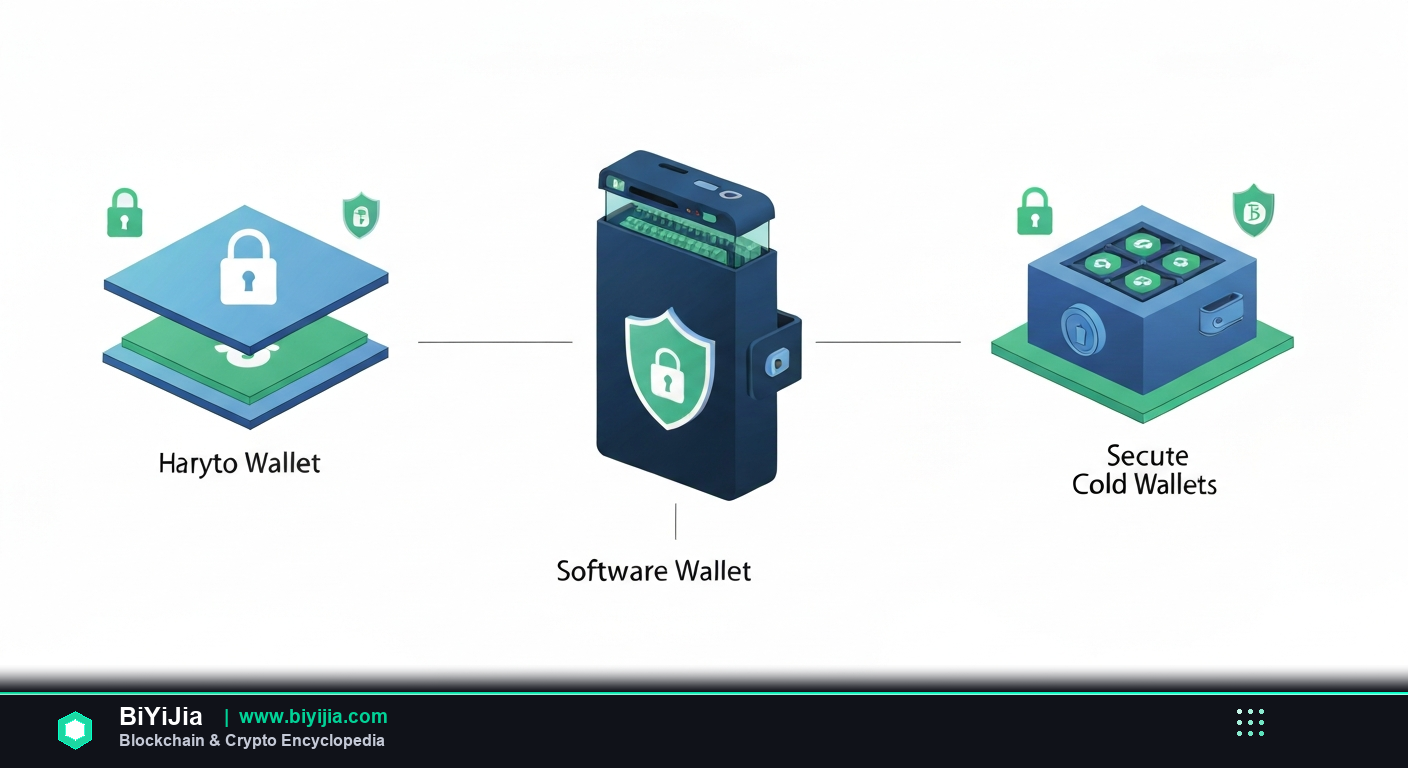
Hot Wallet vs Cold Wallet: A hot wallet stays online for speed, while a cold wallet stores keys offline (hardware or paper) for maximum security; the trade‑off is convenience versus risk.
Hot Wallet vs Custodial Exchange Wallet: Custodial wallets are managed by an exchange that holds the private keys for you; hot wallets give you full control of the keys, meaning you’re responsible for security.
Risks & Considerations
- Phishing Attacks: Malicious sites can trick you into signing a transaction that drains your funds.
- Malware Exposure: If your device is infected, attackers may extract the encrypted private key or capture your password.
- Smart Contract Vulnerabilities: Interacting with flawed DeFi contracts can result in loss, even though the wallet itself is functional.
- Key Management Errors: Losing the seed phrase means permanent loss of access; improper backup is a common pitfall.
- Network‑Based Hacks: Hot wallets are prime targets for large‑scale exploits, as demonstrated by the 2024 $1.2 billion loss across multiple platforms (CipherTrace).
Embedded Key Data
Chainalysis reported in 2025 that 68 % of crypto users stored at least a portion of their assets in hot wallets, highlighting the ecosystem’s reliance on convenience.
A 2024 CipherTrace survey found the average financial loss from hot‑wallet hacks was $1.2 billion, underscoring the importance of robust security practices.
Frequently Asked Questions
What makes a hot wallet different from a cold wallet?
A hot wallet is always connected to the internet, enabling instant transactions, whereas a cold wallet stores keys offline—usually on hardware devices or paper—providing stronger protection against online attacks but requiring more steps to move funds.
Can I use a hot wallet for large amounts of crypto?
Technically you can, but it’s risky. Most experts recommend keeping only the amount you need for daily activity in a hot wallet and storing the bulk in a cold wallet to mitigate potential theft.
How do I secure my hot wallet against phishing?
Always verify website URLs, enable two‑factor authentication where possible, and never share your seed phrase. Using hardware‑backed signing (e.g., Ledger with MetaMask) adds an extra layer of protection.
Is MetaMask the only hot wallet for Ethereum?
No. While MetaMask dominates the browser‑extension space, alternatives like Trust Wallet, Coinbase Wallet, and Rainbow also offer robust Ethereum support with unique UI features.
Do hot wallets support fiat on‑ramps?
Many modern hot wallets integrate third‑party services that let you buy crypto with credit cards or bank transfers directly within the app, making the onboarding experience smoother for newcomers.
Summary
Hot Wallets deliver the speed and convenience needed for everyday crypto activity, but they demand vigilant security habits. Understanding their mechanics, benefits, and risks equips you to use them wisely while exploring related tools like MetaMask and Trust Wallet.