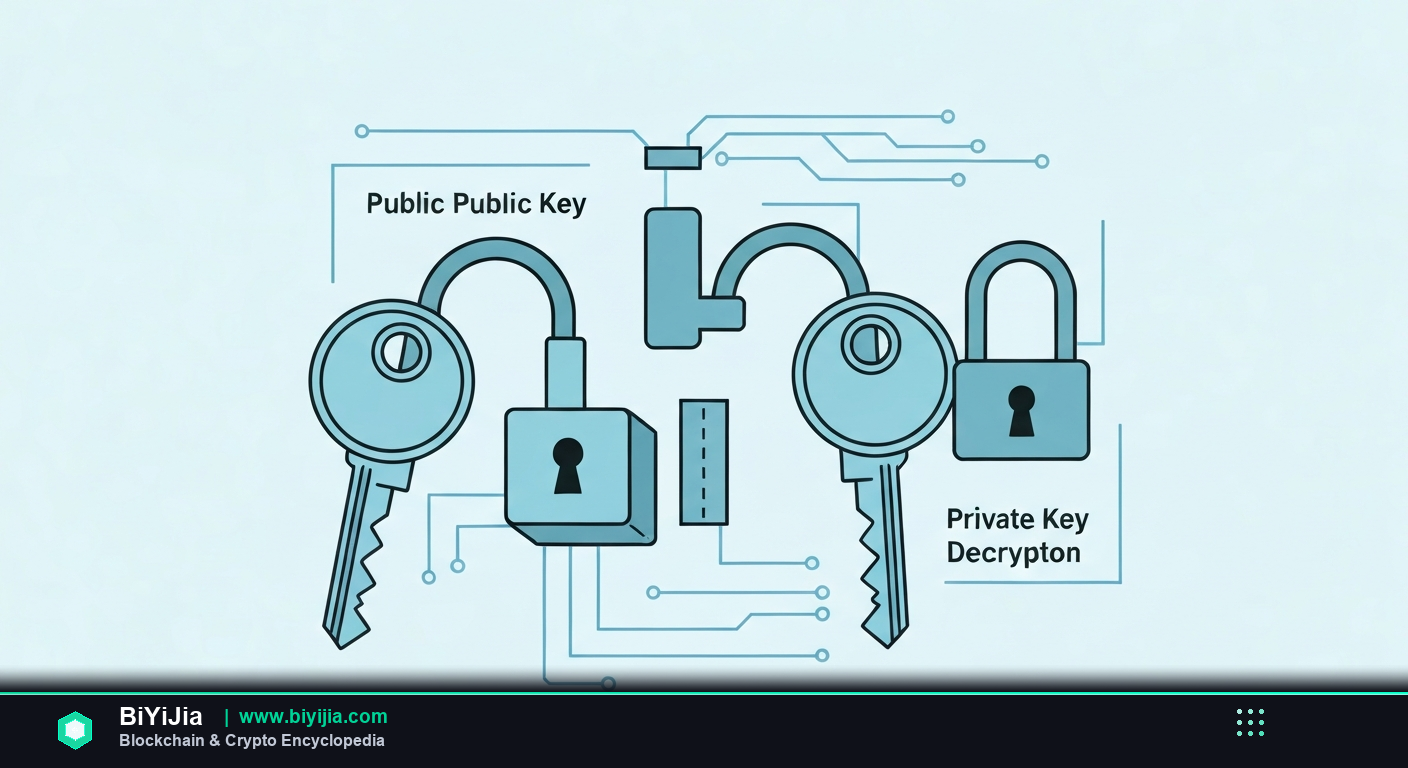


Consensus Mechanism is the backbone that lets a blockchain stay honest and functional.
Key Takeaways
- One-sentence definition: A consensus mechanism is a protocol that lets distributed nodes reach agreement on the state of a ledger.
- Core features include decentralization, fault tolerance, and incentive alignment.
- Real‑world use: Bitcoin uses Proof‑of‑Work, while Ethereum migrated to Proof‑of‑Stake in 2022.
- Compared to traditional databases, consensus eliminates a single point of failure but adds latency.
- Risk warning: Poorly designed mechanisms can lead to centralization, security breaches, or energy waste.
What Is Consensus Mechanism?
In plain language, a consensus mechanism is the method a blockchain uses to decide which block of transactions is the next valid addition.
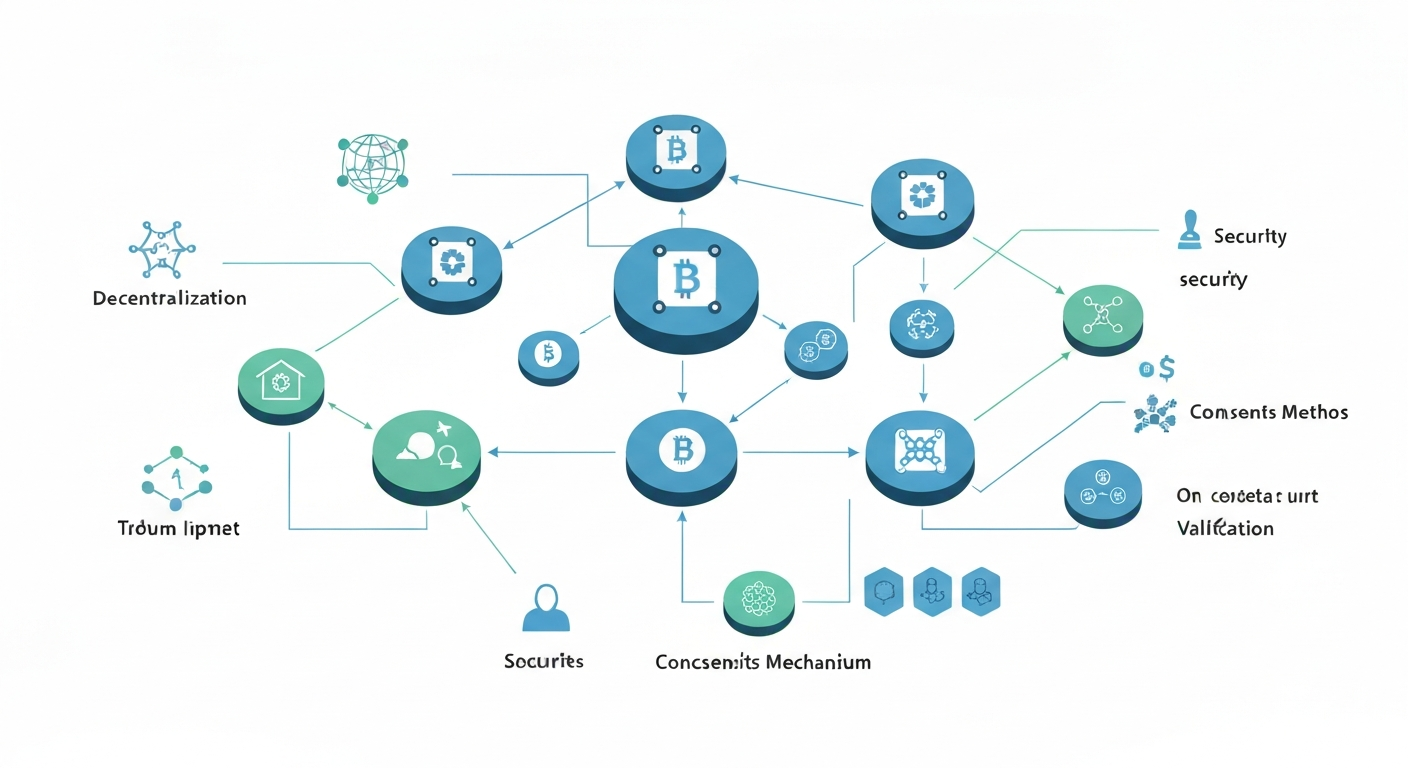
Technically, it’s a set of cryptographic rules and economic incentives that coordinate thousands of independent nodes, ensuring they all record the same data despite being spread across the globe. The process prevents double‑spending, resolves forks, and maintains trust without a trusted third party.
Think of it like a group of friends trying to decide on a restaurant: everyone votes, the most popular choice wins, and nobody can cheat because the votes are publicly visible and immutable.
How It Works
- Node participation: Anyone can run a node, which continuously receives pending transactions.
- Proposal creation: Nodes package transactions into a candidate block according to the chosen consensus algorithm.
- Validation & voting: Other nodes verify the block’s correctness and signal acceptance or rejection.
- Finality: Once a predefined threshold of support is reached—e.g., 51% of hash power or a supermajority of stake—the block is appended to the chain.
- Reward distribution: The proposer receives a reward, aligning economic incentives with honest behavior.
Core Features
- Decentralization: No single entity controls the ledger; power is spread across many participants.
- Fault Tolerance: The system can continue operating even if a fraction of nodes act maliciously or go offline.
- Incentive Compatibility: Rewards and penalties motivate participants to follow the protocol.
- Finality Guarantees: Once a block is finalized, it cannot be reverted without overwhelming the network.
- Scalability Trade‑offs: Different mechanisms balance throughput, latency, and security in distinct ways.
Real‑World Applications
- Bitcoin – The original PoW network, securing over $1.2 trillion in market cap as of 2026.
- Ethereum – Switched to PoS in the Merge, processing roughly 130,000 tx/s on its layered rollup solutions.
- Polkadot – Uses a Nominated Proof‑of‑Stake (NPoS) scheme to coordinate multiple parachains.
- EOS – Implements Delegated Proof‑of‑Stake (DPoS) where 21 block producers handle all consensus duties.
- Tendermint – A Byzantine Fault Tolerant (BFT) engine powering Cosmos hubs and many enterprise chains.
Comparison with Related Concepts
PoW vs PoS: Proof‑of‑Work relies on computational puzzles and energy consumption, while Proof‑of‑Stake selects validators based on token holdings, dramatically lowering electricity use.
DPoS vs BFT: Delegated Proof‑of‑Stake elects a small set of trusted producers, offering fast finality but risking centralization; Byzantine Fault Tolerance algorithms tolerate up to one‑third malicious nodes and provide instant finality, often at the cost of scalability.
Risks & Considerations
- Energy Consumption: PoW chains can consume terawatt‑hours of electricity, raising sustainability concerns.
- Centralization Pressure: PoS may concentrate power in large token holders, while DPoS can concentrate authority in a handful of producers.
- Security Gaps: Poorly tuned parameters can make a network vulnerable to 51% attacks or long‑range attacks.
- Complexity Overhead: Advanced BFT protocols add implementation complexity, increasing the chance of bugs.
- Regulatory Exposure: Incentive structures that resemble securities may attract regulatory scrutiny.
Embedded Key Data
As of 2025, Bitcoin’s PoW network consumes roughly 120 TWh of electricity annually, according to the Cambridge Bitcoin Electricity Consumption Index.
Ethereum’s PoS chain now secures over $500 billion in total value locked (TVL) across DeFi (Decentralized Finance (DeFi)) applications, per the Ethereum Foundation’s 2026 report.
Frequently Asked Questions
What is a consensus mechanism and why does it matter?
A consensus mechanism is the rulebook that tells distributed computers how to agree on a single history of transactions. It matters because it replaces the need for a central authority, enabling trustless, censorship‑resistant systems.
How does blockchain consensus differ from traditional database replication?
Traditional databases rely on a trusted master‑slave architecture, whereas blockchain consensus operates in a trustless environment where any node can join or leave, and security is achieved through cryptography and economic incentives.
Can a blockchain switch consensus algorithms?
Yes. Ethereum’s transition from PoW to PoS—known as “the Merge”—demonstrated that a network can upgrade its consensus layer with careful planning and community coordination.
Is Proof‑of‑Work obsolete?
Not at all. PoW still offers the highest level of proven security for open, permissionless networks, which is why Bitcoin and several newer chains continue to use it despite its energy footprint.
What role do validators play in Proof‑of‑Stake?
Validators lock up a stake of native tokens as collateral, propose new blocks, and attest to others’ blocks. Misbehavior leads to slashing—loss of a portion of the staked tokens—aligning incentives with honest participation.
How do I choose a consensus mechanism for a new project?
Consider your security needs, desired throughput, energy budget, and decentralization goals. PoW suits maximum security, PoS balances security and efficiency, DPoS favors speed, and BFT excels in permissioned settings.
Summary
Consensus Mechanism is the set of protocols that lets a distributed ledger reach agreement without a central overseer. Understanding its variants—PoW, PoS, DPoS, BFT—is essential for evaluating any blockchain, from Bitcoin to emerging DeFi platforms.
Explore related concepts like [internal link: PoW], [internal link: PoS], and [internal link: Byzantine Fault Tolerance] to deepen your grasp of blockchain security and design.